The first humans to walk on Mars will carry cameras. That much is certain. What remains undecided is whether those cameras will capture the red planet in grainy, compressed video streams or in full 8K resolution at 60 frames per second. The technology exists. The question is whether space agencies and private companies like SpaceX will prioritize visual fidelity alongside scientific instrumentation.
There are good reasons to think they should. High-resolution footage from Mars would serve purposes beyond documentation. It would become a cultural artifact, a recruitment tool for STEM fields, and a revenue source through licensing and streaming rights. NASA's perseverance rover streams video at resolutions that would embarrass a 2005 flip phone. We can do better.
Why 8K 60p Matters
Standard broadcast video runs at 1080p or 4K. Professional cinema typically captures at 4K or 6K, with 8K reserved for specialty applications where extreme cropping or future-proofing is required. For Mars footage, 8K offers several distinct advantages.
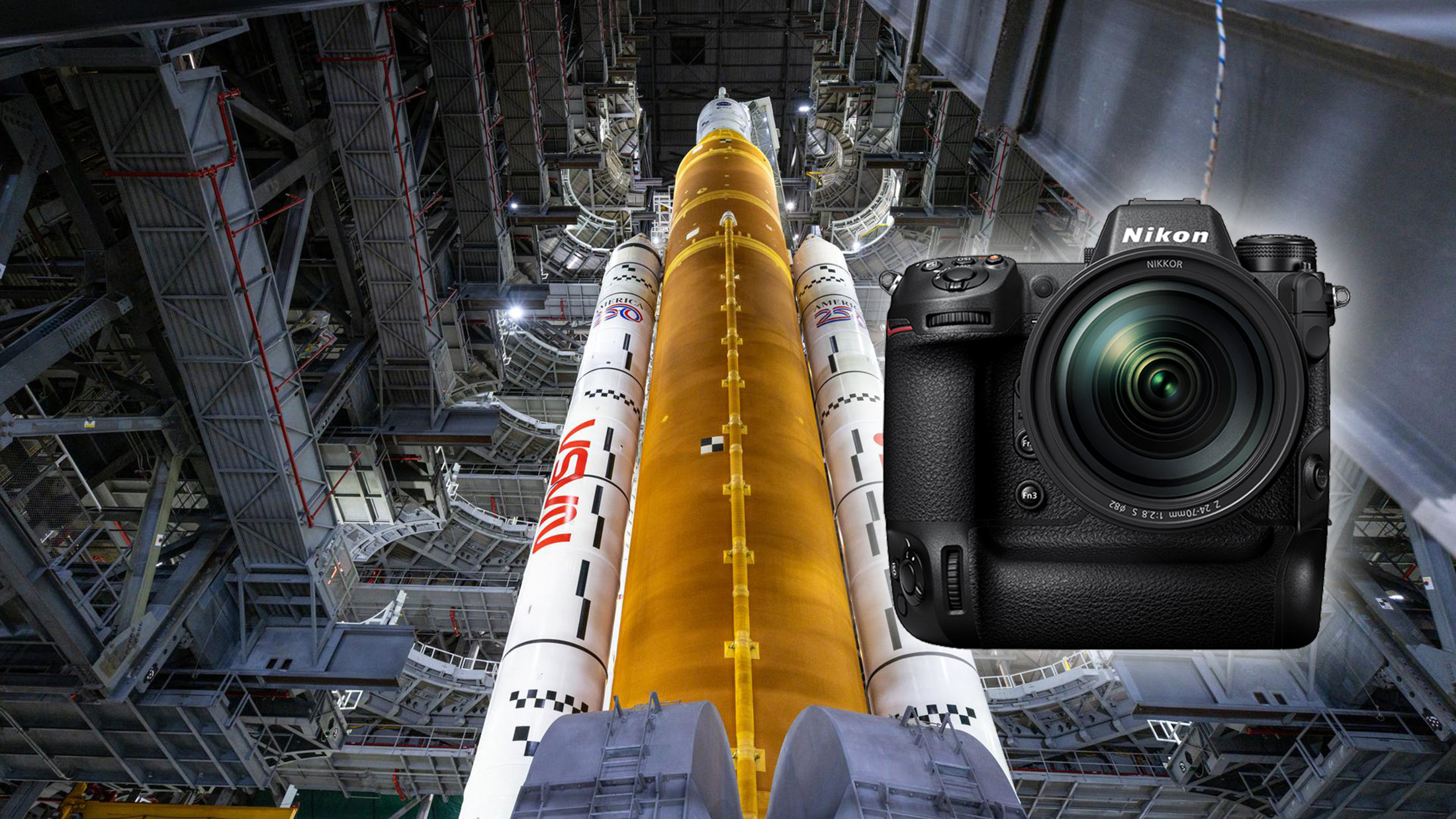
First, the detail ceiling. Mars terrain features subtle color gradations and fine dust patterns that compress poorly at lower resolutions. NASA's selection of the Nikon Z9 for Artemis II suggests the agency already recognizes the value of consumer imaging technology in space applications.
Second, frame rate matters for motion. At 24fps, standard cinematic footage, any camera movement introduces judder. At 60fps, pans across Martian landscapes would feel fluid without artificial smoothing. The human eye can distinguish differences up to roughly 90fps in peripheral vision. Sixty frames per second represents a practical ceiling for broadcast content while remaining achievable with current sensor technology.
Third, archival value. The Apollo missions used Hasselblad medium format cameras partly because NASA understood these images would be studied for decades. 8K footage from Mars would serve the same purpose, allowing scientists to revisit visual data with analytical tools that don't exist yet.
The Best Consumer Cameras for Mars
Space agencies have historically built custom imaging systems for missions. But the gap between purpose-built space cameras and high-end consumer equipment has narrowed dramatically. Modern mirrorless cameras offer resolution, dynamic range, and low-light performance that rival or exceed dedicated scientific instruments at a fraction of the cost.
Here are five cameras that could realistically be adapted for Mars missions:
1. Nikon Z9
The Z9 has already been selected for lunar orbit on Artemis II, making it the obvious frontrunner. Its 45.7-megapixel stacked sensor delivers 8K video at up to 60fps internally, with 12-bit raw output available at 8K 30fps. The camera uses no mechanical shutter, reducing failure points in harsh environments. Nikon's partnership with NASA includes developing a modified handheld unit with thermal protection for spacewalks.
2. Canon EOS R5 Mark II
Canon's latest flagship pushes 8K 60fps raw internally with its new sensor design. The R5 II adds improved heat management over its predecessor, which suffered notorious overheating issues. For controlled-environment use inside spacecraft or habitats, thermal constraints become manageable.
3. Sony A1
Sony's 50.1-megapixel sensor delivers 8K 30fps and 4K 120fps. The A1's autofocus system remains the industry benchmark, useful for tracking moving subjects like crew members or robotic equipment. Sony's sensor division also supplies imaging components to various space programs.
4. RED V-Raptor 8K VV
The only dedicated cinema camera on this list, the V-Raptor offers 8K 120fps in its full-frame mode. Its modular design allows components to be replaced independently, a useful feature when repair options are limited to what fits in a spacecraft cargo manifest.
5. Panasonic Lumix S1H
While limited to 6K rather than 8K, the S1H earns inclusion for its unlimited recording times and exceptional thermal management. For extended documentation of surface operations, reliability may trump raw resolution.
Specifications Comparison
| Camera | Resolution | 8K Framerate | Sensor | Weight | Recording Format | Price (Body) |
|---|---|---|---|---|---|---|
| Nikon Z9 | 45.7 MP | 60fps | Full Frame (FX) | 1,340g | 8K N-RAW / ProRes | ~$5,500 |
| Canon R5 II | 45 MP | 60fps | Full Frame | 738g | 8K Cinema RAW Light | ~$4,300 |
| Sony A1 | 50.1 MP | 30fps | Full Frame | 737g | 8K XAVC HS | ~$6,500 |
| RED V-Raptor | 35.4 MP | 120fps | VistaVision | 1,805g | REDCODE RAW | ~$24,500 |
| Panasonic S1H | 24.2 MP | N/A (6K max) | Full Frame | 1,164g | 6K V-Log RAW | ~$3,500 |
Weight matters less in transit than on the surface, where every gram of EVA equipment counts. The Canon and Sony bodies offer significant mass savings over the Nikon, though the Z9's space heritage gives it an institutional advantage.
The Path Forward
SpaceX has not publicly committed to specific imaging equipment for its Starship Mars missions. But the company's emphasis on media production, evident in its live launch coverage and promotional materials, suggests visual documentation will receive serious attention.
The technical barriers are manageable. Radiation hardening, thermal protection, and modified storage systems are engineering problems with known solutions. Lens manufacturing presents its own challenges, but Nikon and Canon both have experience producing space-rated optics.
What we need now is commitment. The first 8K footage from Mars could become the defining visual record of human expansion into the solar system. The cameras are ready. The question is whether mission planners will make room for them.