When the Artemis II crew launches toward the Moon later this year, they'll be carrying more than just scientific instruments and life support systems. Tucked somewhere in that capsule will be a Nikon Z9, the company's flagship mirrorless camera, selected to document humanity's return to deep space.
The choice is significant. This will be the first time humans have traveled beyond low Earth orbit since Apollo 17 in 1972, and NASA wanted imaging hardware that could capture the moment with a fidelity previous generations of astronauts could only dream about.
A Partnership Measured in Decades
Nikon's relationship with NASA stretches back further than most people realize. The first Nikon camera went to space in 1971 aboard Apollo 15, a modified Nikon Photomic FTN. Since then, Nikon cameras have been standard equipment on the Space Shuttle and the International Space Station. Astronauts have used them to photograph everything from EVA repairs to the auroras dancing over Earth's poles.
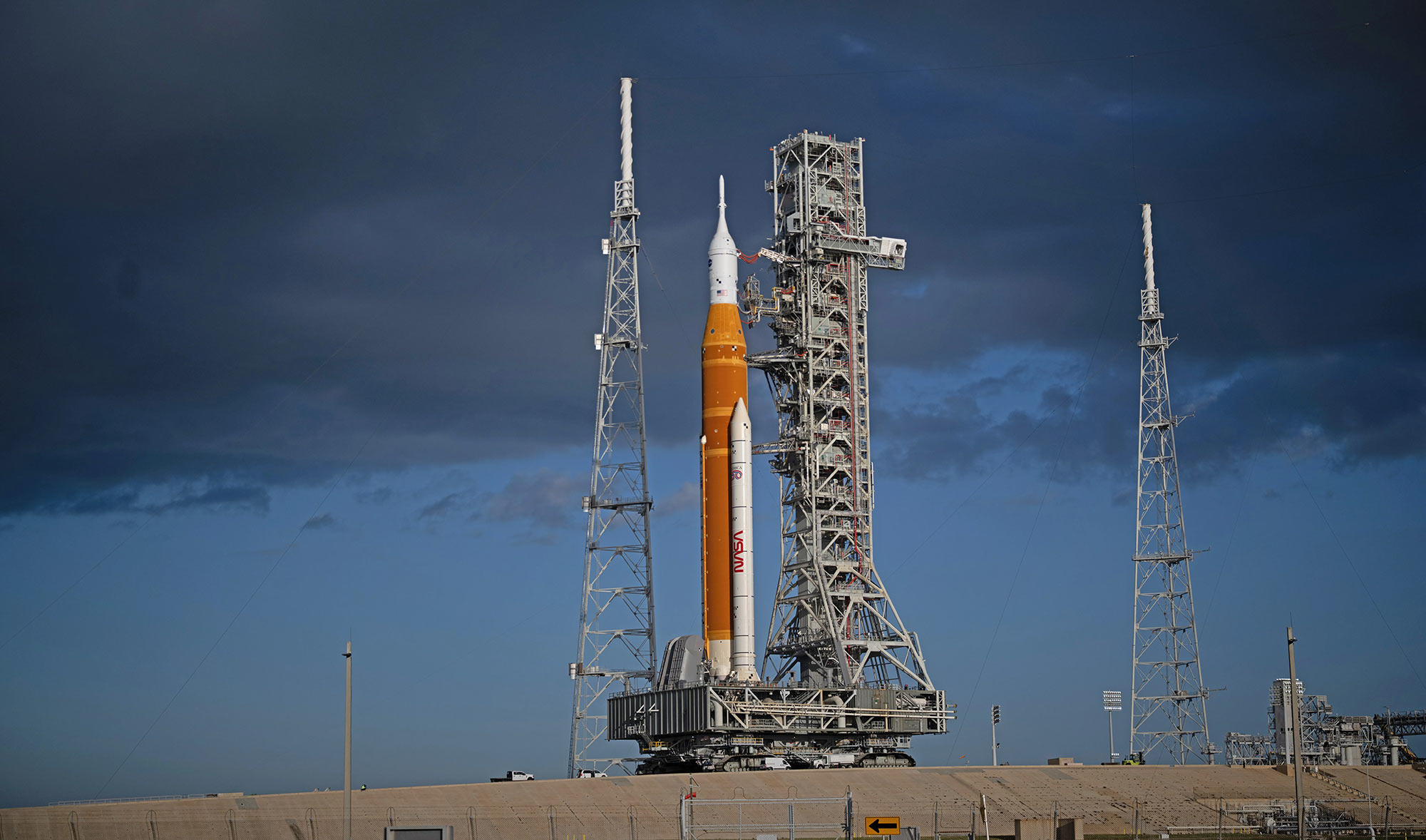
But the Z9 represents something new. It's the first time NASA will send a high-end mirrorless system on a mission of this profile. The camera has already been tested extensively aboard the ISS, where astronauts have been putting it through its paces since 2022. Those tests apparently went well enough to earn it a seat on the most ambitious crewed mission in half a century.
Why the Z9
The Z9's spec sheet reads like it was written for extreme environments. It has no mechanical shutter, relying entirely on an electronic system that eliminates one of the most failure-prone components in any camera. In the vacuum of space, where repair isn't an option, that kind of reliability matters.
The sensor is a 45.7-megapixel stacked CMOS unit capable of shooting 20 frames per second at full resolution, or 120 fps in a cropped mode. For video, it can record 8K at 60p internally, giving the crew the ability to capture footage that will look sharp on screens that don't exist yet. The dual CFexpress card slots provide redundancy, critical when you're 400,000 kilometers from the nearest backup.
Then there's the autofocus system. Nikon's subject detection can track eyes, faces, and moving objects with a persistence that would have seemed like science fiction to the astronauts shooting on film during Apollo. When you're trying to photograph a lunar flyby through a small window while traveling at thousands of miles per hour, that kind of automation isn't a luxury.
The camera also handles extreme dynamic range well, something that matters when you're dealing with the harsh contrast between the sunlit lunar surface and the blackness of space. The Z9's extended ISO range and 14-bit RAW capture give post-processing flexibility that earlier space cameras simply couldn't offer.
The Crew Wanted It
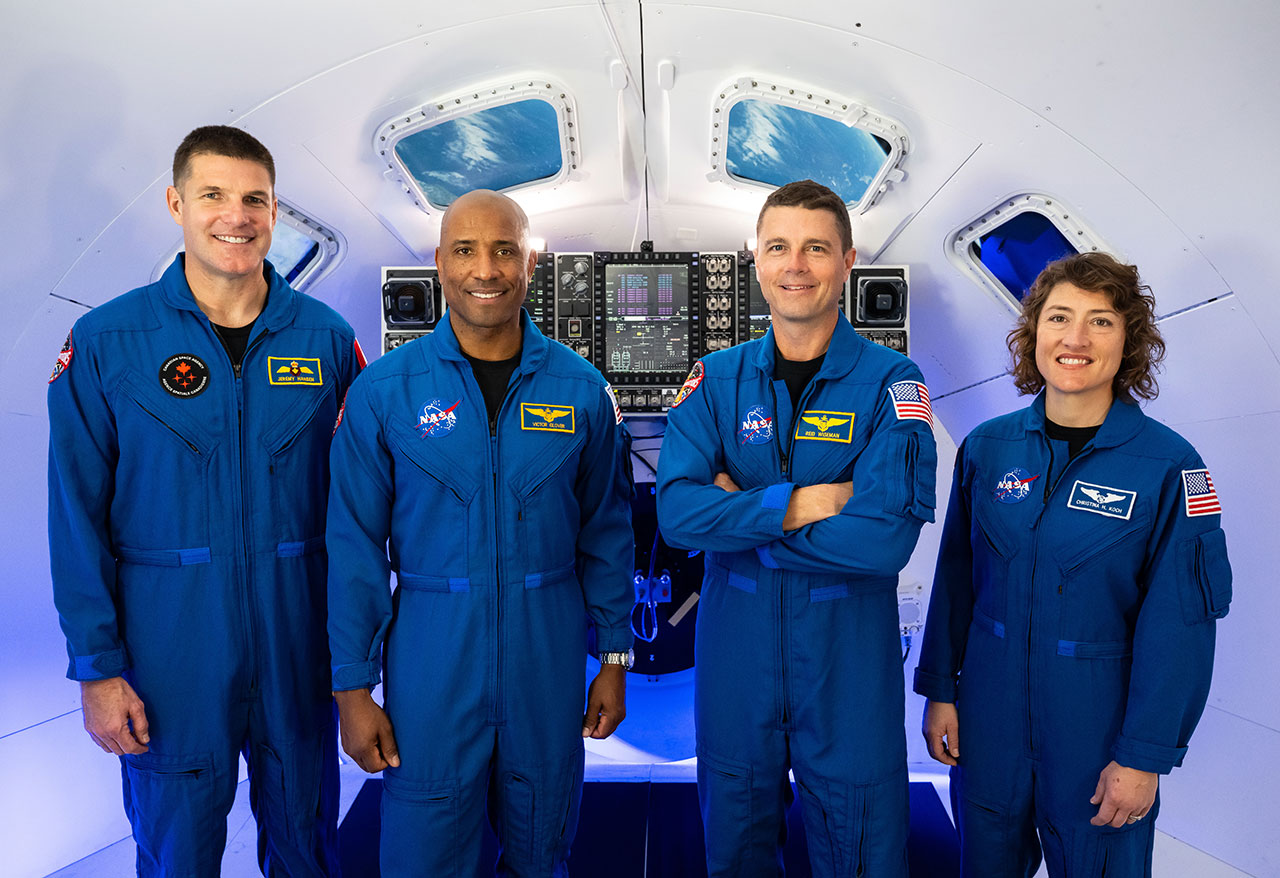
Perhaps the most telling detail is how the Z9 ended up on the mission manifest. According to Canadian Space Agency astronaut Jeremy Hansen, who will be part of the four-person Artemis II crew, the camera's inclusion wasn't a foregone conclusion.
"We fought pretty hard to have that specific camera on the mission," Hansen told reporters on March 30th.
Advertisement
That kind of advocacy from the crew speaks to something beyond specifications. Astronauts are famously pragmatic about their equipment. If they pushed for the Z9, it's because they trust it to perform when it matters.
What It Means
The images and video from Artemis II will shape how an entire generation understands space exploration. The photographs from Apollo, shot on Hasselblad medium format film, became some of the most iconic images of the 20th century. The Z9's 8K video capabilities and high-resolution stills will define this next chapter.
There's also a practical consideration. NASA has been deliberate about building public support for the Artemis program, and stunning visuals are part of that strategy. The Artemis II mission won't land on the Moon, but it will loop around it, giving the crew views that only 24 humans in history have ever seen. Having the right camera to document that matters more than the spec sheet alone might suggest.
The Z9 will join a long line of technology that earned its place through field testing and crew confidence. When it captures the first crewed images of the far side of the Moon in over fifty years, it will be doing exactly what Nikon cameras have always done in space: working when it counts.