X has spun off its encrypted messaging feature into a standalone app called XChat, now available for preorder on the App Store ahead of an April 17, 2026 release. The move positions Elon Musk's social platform as a direct competitor to Signal, the privacy-focused messenger that has long been the default recommendation for anyone serious about secure communication.
The app is free, with no in-app purchases or subscriptions listed. It promises end-to-end encrypted text, group chats, voice and video calls, file sharing, and vanishing messages. On paper, the feature set mirrors Signal almost exactly.
Why a Separate App?
XChat has existed as a feature within the main X app since late 2024, accessible to users who wanted private conversations away from the public timeline. The standalone version strips away everything else. No feed, no trending topics, no algorithmic recommendations. Just messaging.
The pitch is focus. X's main app is designed to keep you scrolling. XChat is designed to let you have a conversation and leave. For users who find themselves opening X to reply to a message and emerging an hour later having forgotten why they picked up their phone, the appeal is obvious.
There's also the matter of perception. Encrypted messaging buried inside a social media app feels like an afterthought. A dedicated app signals intent. X wants to be taken seriously as a privacy tool, not just a platform that happens to offer encryption.
The Signal Comparison
Both apps are free, ad-free, and claim to collect no tracking data. Both offer the same core functionality. The differences lie in architecture and trust.
Signal requires only a phone number to sign up, and that number can be somewhat anonymized. XChat requires an X account, which means your messaging identity is tied to your social profile. For some users, this is convenient. For others, it defeats the purpose of a private messenger.
Signal is fully open-source. Its encryption protocol has been independently audited for years and is now used by WhatsApp, Facebook Messenger, and Google Messages. Anyone can inspect the code. XChat is closed-source. X Corp. has made claims about its encryption, but there's no way for independent researchers to verify them.
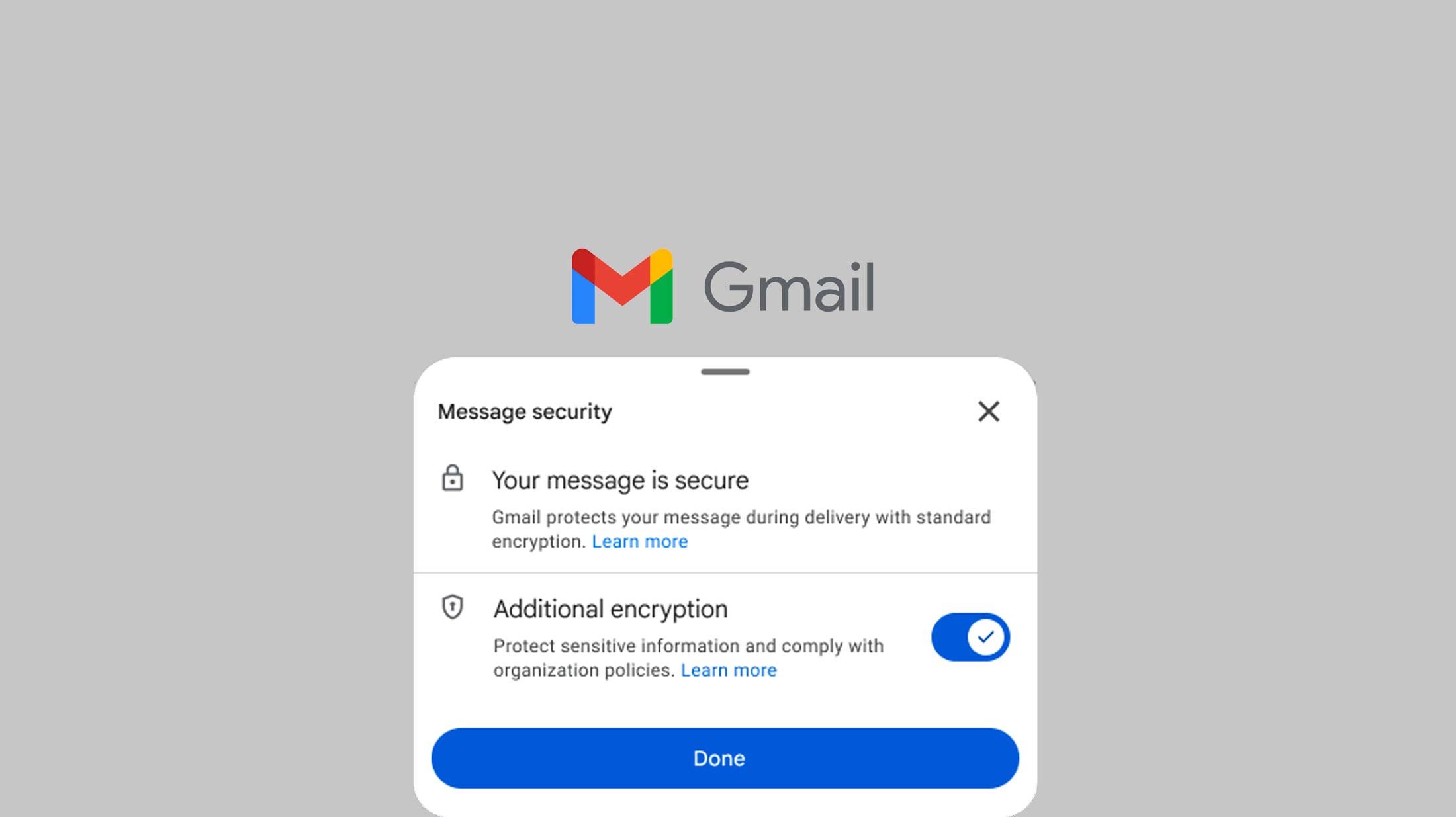
Early security reviews of the original XChat feature raised concerns. The encryption appeared sound, but questions remained about metadata collection. Does X log who you're talking to, when, and how often? The company hasn't provided clear answers. As with Gmail's recent encryption push, the fine print matters more than the headline.
The Trust Problem
X Corp. is a for-profit company. Signal is a nonprofit foundation. This distinction shapes everything.
Signal's business model is donations. It has no incentive to monetize user data because it doesn't collect user data. X's business model is advertising and, increasingly, subscriptions. Even if XChat itself doesn't serve ads, the company has structural reasons to gather information about user behavior.
Musk has positioned himself as a free speech absolutist and a critic of surveillance. But X has also complied with government data requests, suspended accounts under legal pressure, and made policy decisions that prioritize engagement over user autonomy. Trust in encrypted messaging depends on more than technical implementation. It depends on institutional behavior over time.
Who Is This For?
If your contacts are already on X and you want a cleaner interface for private conversations, XChat solves a real problem. The sync between the standalone app, the main X app, and the web client at chat.x.com means you can pick up conversations anywhere.
If you need proven privacy, the kind that holds up under legal scrutiny and has been stress-tested by journalists, activists, and security researchers, Signal remains the answer. It's not close.
XChat is a serious product. It's also a product from a company that hasn't earned the benefit of the doubt on privacy. That gap is the whole story.