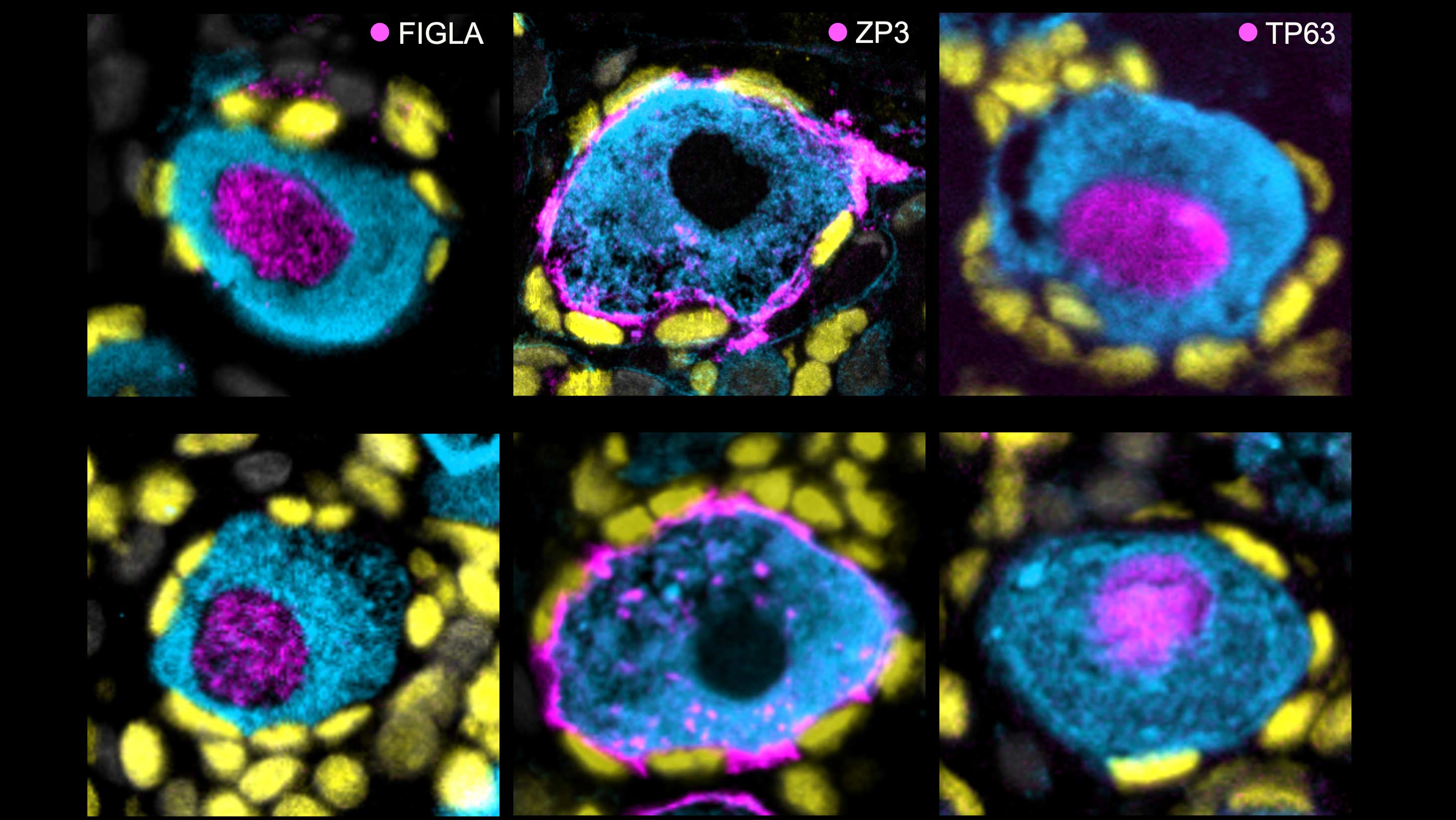
Conception Bio, a Berkeley-based biotechnology company, announced that it has generated what it describes as the first early human egg cells derived from stem cells. According to the company, the process begins with a standard blood draw, from which researchers converted blood cells into induced pluripotent stem cells. Those stem cells were then coaxed into becoming miniature human ovaries containing the early eggs, known as primary oocytes.
The announcement came from CEO and co-founder Matt Krisiloff via social media. A former director of Y Combinator Research and founding team member at OpenAI, Krisiloff has been running Conception since 2018. The company has raised $38 million to date, according to PitchBook, backed by investors including Age 1, Calm Ventures, and SciFounders.
The Science Behind IVG
In vitro gametogenesis, or IVG, aims to produce functional eggs and sperm from stem cells in a laboratory setting. The technique has already succeeded in mice. In 2016, Japanese researcher Katsuhiko Hayashi demonstrated that mouse skin cells could be converted into induced pluripotent stem cells, then turned into viable eggs. Those eggs produced healthy offspring that lived normal lifespans and reproduced naturally. Hayashi is listed as a collaborator on Conception's work.
Translating this to humans has proven far more difficult. The biological complexity involved is substantial: egg cells depend on signals from ovarian tissue to mature properly. Conception says it builds 3D organoids that provide the biochemical cues needed for meiosis and follicle maturation, essentially recreating the ovarian environment outside the body.
To validate their results, the company compared their lab-grown structures against reference atlases of human ovarian development, using deep learning models to confirm the fidelity of their cells. They report that the mini-ovaries form structures called oogonia nests, where future egg cells stay connected in groups, mimicking the architecture of a developing human ovary.
What This Could Mean
If IVG can be made to work safely in humans, the implications would be sweeping. Women could have biological children at much older ages. Same-sex couples could have children genetically related to both parents. The hormone injections and surgical egg retrievals that make IVF physically demanding could become unnecessary.
Krisiloff has spoken openly about his personal stake in the work. As a gay man, he has said, the possibility of having a child biologically related to both himself and a partner drove his interest in the technology from the beginning. Chief Scientific Officer Pablo Hurtado has expressed similar motivations.
Conception also frames the technology as a potential platform for delaying or preventing menopause and advancing research into aging. These remain speculative applications for now.
Significant Hurdles Remain
The company is careful to note that the eggs it has produced are early-stage primary oocytes, not fully mature eggs ready for fertilization. There is still work to do to grow these eggs to full maturity. Safety evaluation is at an early stage.
The American Society for Reproductive Medicine issued an ethics opinion earlier this year acknowledging that IVG success in mice remains highly inefficient and variable. The organization stated that reliable safety data from primate studies is an essential prerequisite before any human trials can be ethically initiated. The path from laboratory milestone to clinical application in reproductive medicine is long, heavily regulated, and expensive.
The Nuffield Council on Bioethics published a report last year identifying a range of ethical questions raised by IVG, including consent, the role of genetic relatedness in families, and equity of access. Stanford bioethicist Hank Greely has previously noted concerns about commercial pressures pushing IVG too quickly, though he has also expressed optimism about its potential to help couples who currently cannot have genetically related children.
Independent verification of Conception's results has not yet appeared in peer-reviewed literature. The company has disclosed neither efficiency numbers nor cell-quality data beyond what appears on its website.
For now, the announcement represents an incremental but notable step in a field that has been working toward this goal for over a decade. Whether these early-stage eggs can be matured into functional gametes that produce healthy embryos remains to be demonstrated.