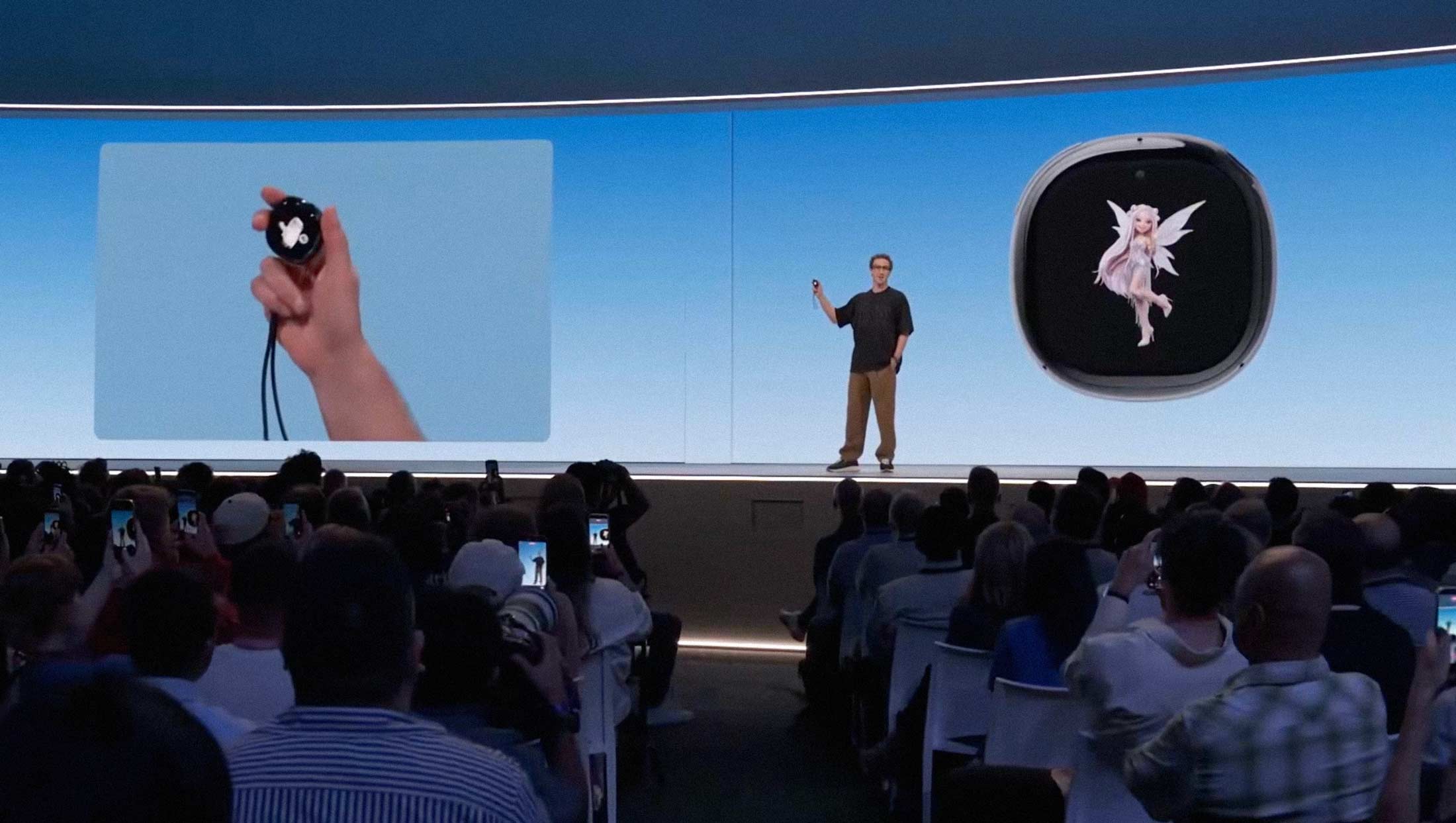
Google and Synaptics have officially introduced the Coralboard, a compact development board built for on-device AI applications. Announced at Google I/O 2026 and promoted this week by the official Google Gemma account, the board is designed to help developers prototype edge AI experiences that run locally, without needing a cloud connection.
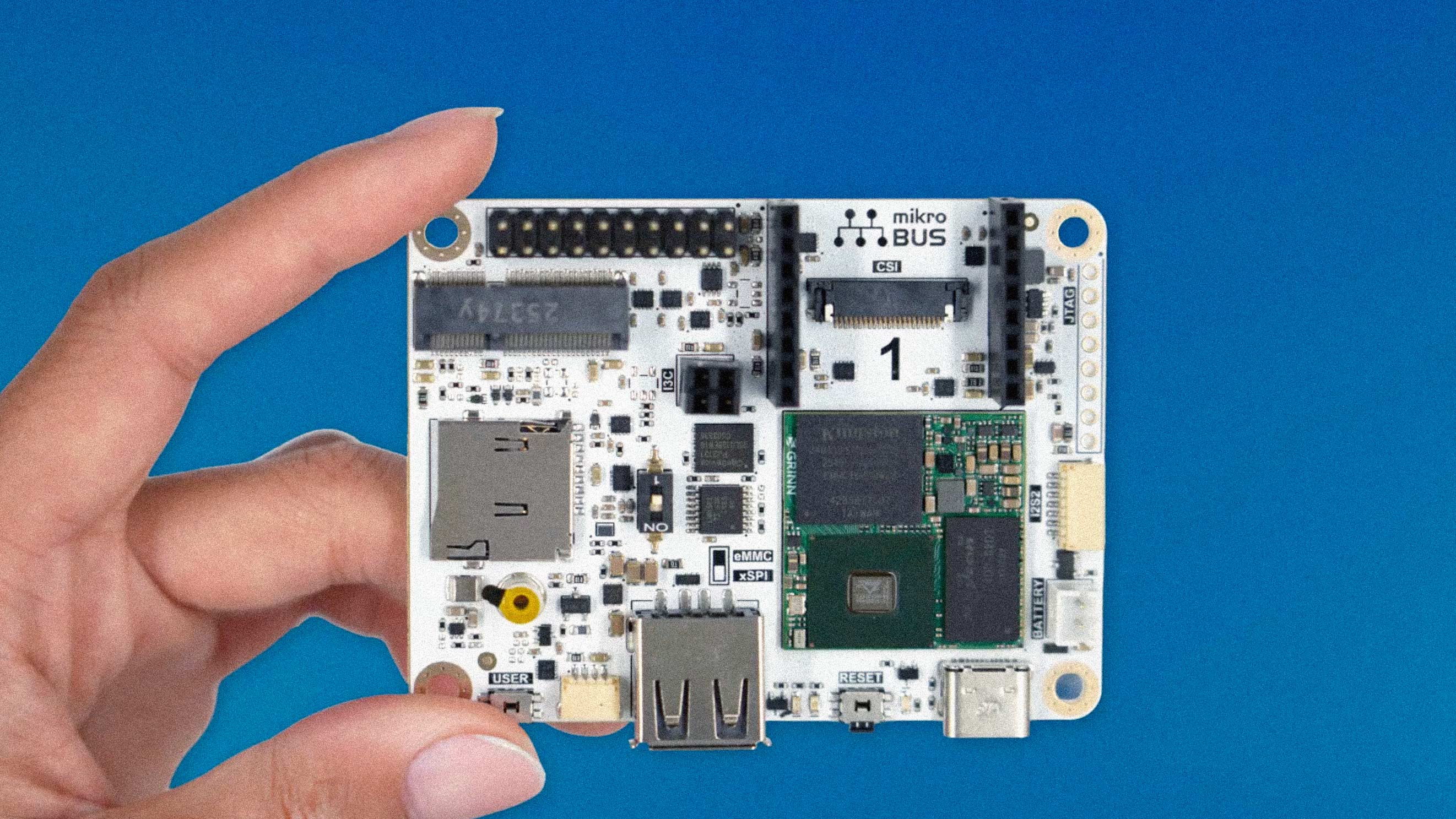
The Coralboard runs on a Synaptics Astra SL2619 dual-core SoC clocked at 2GHz, paired with 2GB of DDR4 memory and a 1 TOPS neural processing unit subsystem capable of running both convolutional neural networks and transformer-based models. The NPU is built on Google's Coral NPU architecture, a RISC-V-based design that Google Research and Google DeepMind co-developed to prioritize machine learning compute over traditional scalar processing.
Introducing the newest Coral board, for efficient, on-device AI!
— Google Gemma (@googlegemma) May 27, 2026
Check out the demos in the video:
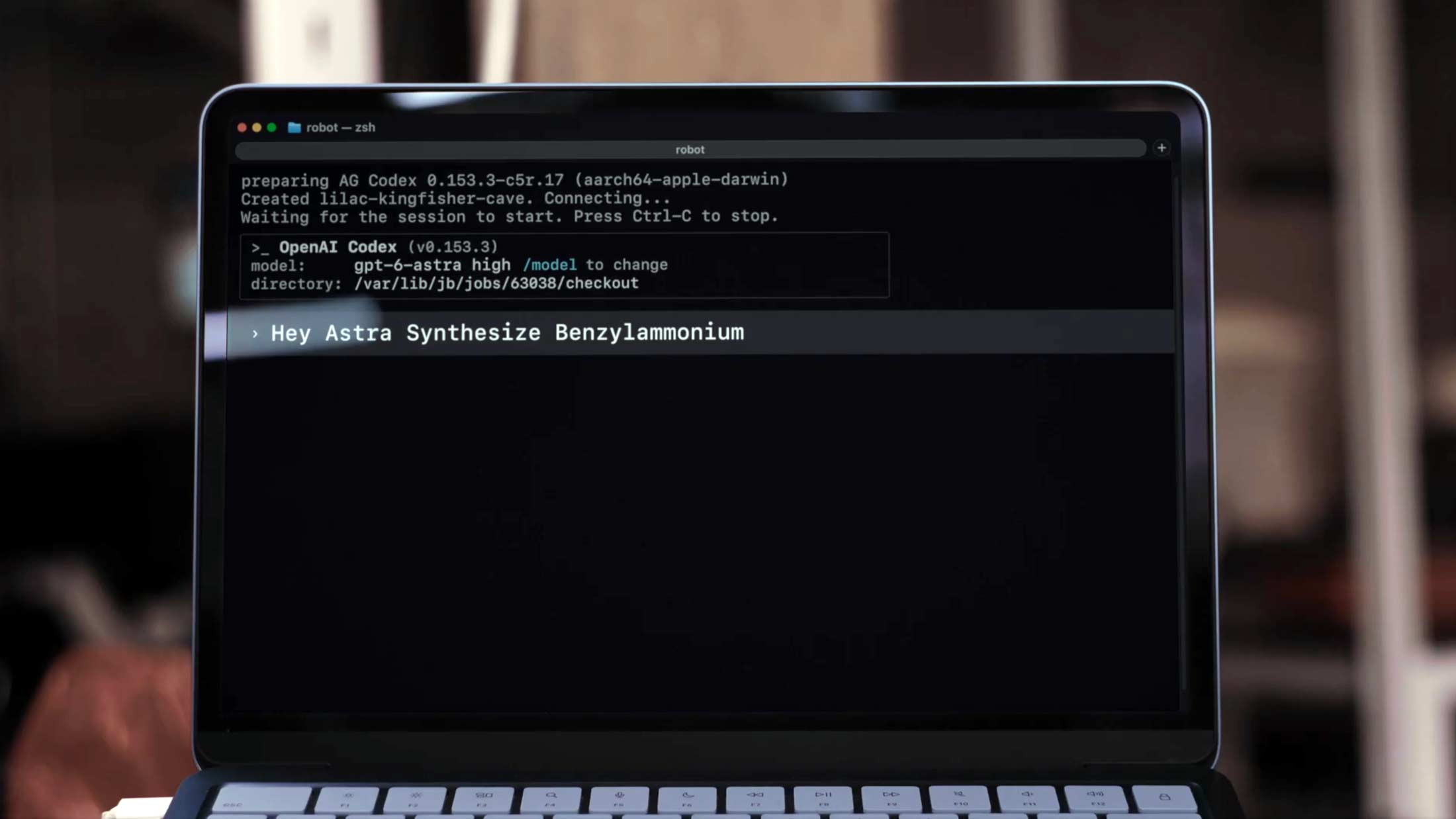
- On-board speech translation
- Natural language controlling hardware
- Vision & sound generating music pic.twitter.com/Hav2VwI7G1
Hardware Specifications
The board comes equipped with CSI camera input, DSI display connectivity, microphones, RGB LEDs, a buzzer, and expansion options through an M.2 slot for Wi-Fi and Bluetooth, plus mikroBUS and Qwiic connectors for sensor add-ons. It ships with built-in support for hardware-accelerated inference of Gemma 3 270M, Google's lightweight open-source model designed for edge deployment.
Synaptics' open-source, MLIR-based Torq toolchain supports PyTorch, JAX, and LiteRT, giving developers a unified workflow for building and deploying vision, audio, and generative AI workloads. The Coral NPU architecture itself targets 512 giga operations per second while consuming roughly 6 milliwatts at 1GHz, making it suitable for always-on ambient sensing applications.
Demos at Google I/O
To demonstrate the platform's capabilities, Google and Synaptics staged an installation at I/O called "Jellectronica." The demo used an NPU-accelerated YOLOv8 object detection model running on the Coralboard to track the movement of jellyfish from a live Monterey Bay Aquarium feed. Motion data was converted into control signals for a generative music performance powered by Google DeepMind's Lyria Realtime model. The result: vision and sound combined to create algorithmic music on a tiny embedded device.
Other demonstrated use cases include on-board speech translation and natural language control of hardware peripherals, both running entirely on-device.
Why It Matters
The Coral NPU represents a significant rethinking of how edge AI accelerators should be designed. Traditional approaches start with scalar compute and bolt on vector and matrix capabilities as afterthoughts. The Coral architecture inverts that priority, building matrix acceleration for machine learning first and integrating scalar and vector functions around it. The entire design is open source on GitHub, giving chip vendors a reference implementation they can adopt or customize.
The practical upshot for developers: a single toolchain that works across frameworks, a compact board with enough interfaces for serious prototyping, and the ability to run generative AI locally on battery-powered devices. The emphasis on privacy is explicit. On-device inference means user data never leaves the hardware.
Availability
A limited-edition version of the Coralboard was given to attendees at Google I/O 2026, but general availability and pricing have not been announced. According to CNX Software, Synaptics will disclose those details later this year. In the meantime, developers can register interest through Google's Coral product page, though submission does not guarantee access.
Grinn Global, the company responsible for the Coralboard's hardware design, also manufactures the underlying AstraSOM-2619 system-on-module. That means developers can prototype on the Coralboard and transition the same silicon directly into production, reducing the engineering gap between experiment and product.
The Coralboard arrives at a moment when AI infrastructure is fragmenting between massive cloud data centers and a growing class of local-first applications. Whether the board becomes the standard for edge AI development depends on how quickly Synaptics and Google can ship units in volume.