In the startup mythology of the 2010s, dropping out of Harvard or Stanford was the apex predator of founder credentials. Mark Zuckerberg, Bill Gates, Steve Jobs. The narrative was clean: you were so good, so certain, that finishing your degree would have been a waste of time. Investors ate it up.
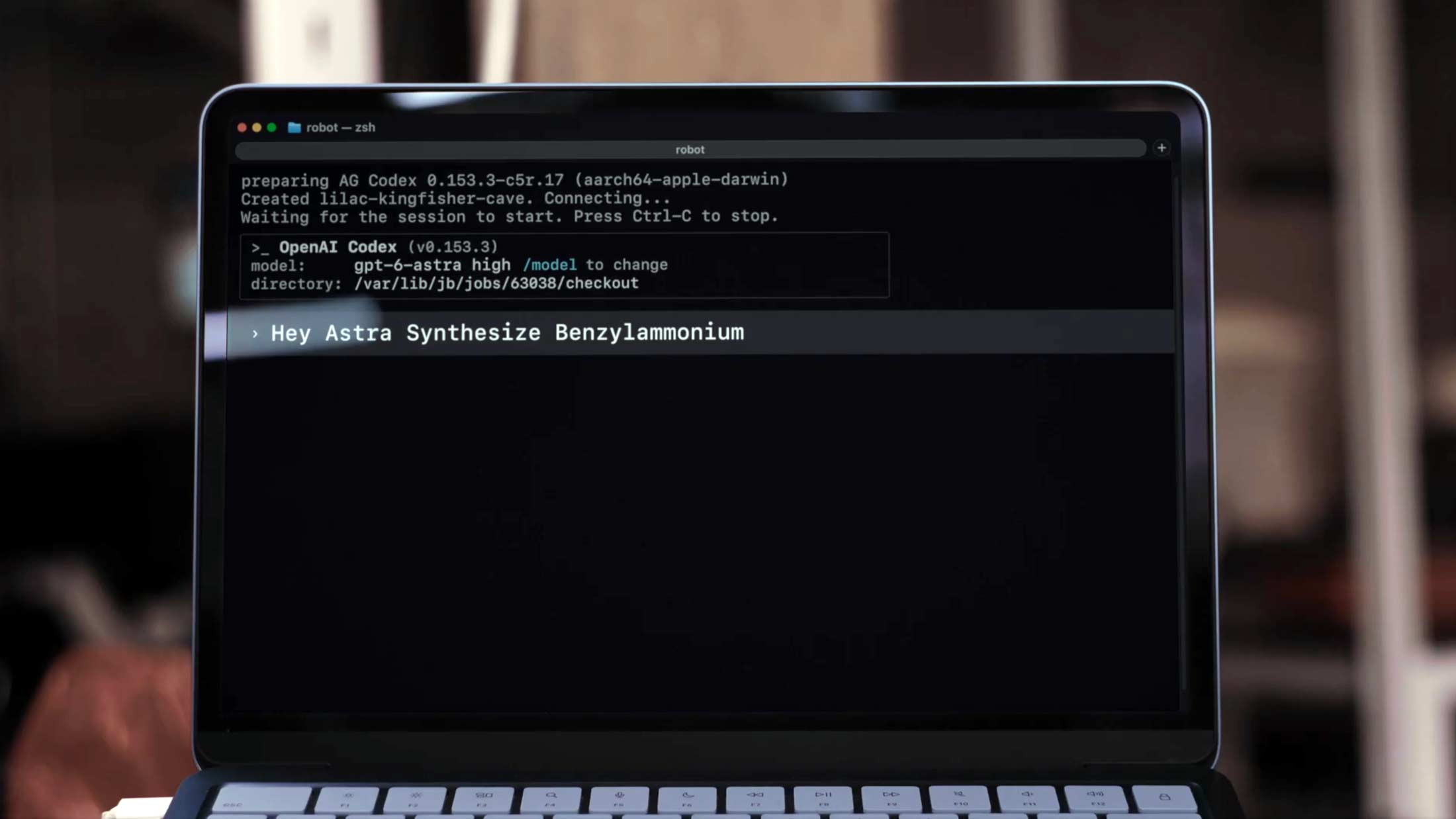
That signal has a successor. In 2026, the most potent credential a founder can carry into a pitch meeting is a high-profile departure from an AI frontier lab. The story has the same structure: I was at the center of the most consequential technology of our time, and I walked away because I saw something they couldn't. The data tells a different story about dropouts than the mythology suggests. Research from Stanford's Venture Capital Initiative found that unicorn founders are six times more likely to hold doctoral degrees than the general population, and twice as likely to have completed undergraduate studies. But the narrative power of the dropout credential persists in investor psychology, where it signals extreme conviction and willingness to abandon secure paths.
The Exodus as Origin Story
The template was set by Anthropic itself. In 2020, Dario Amodei, then VP of Research at OpenAI, left with his sister Daniela and about a dozen researchers to found what would become one of the most valuable AI companies on earth. The departure narrative centered on safety concerns and a conviction that OpenAI had drifted from its mission. That bet has paid off spectacularly. As of late 2025, Anthropic's valuation had exploded following massive investments from Microsoft and Nvidia.
The pattern has replicated. Ilya Sutskever, OpenAI's co-founder and chief scientist, left in May 2024 after authoring a 52-page memo accusing Sam Altman of lying and manipulating executives. One month later, he announced Safe Superintelligence Inc. The company raised $1 billion from Andreessen Horowitz, Sequoia, DST Global, and SV Angel with three employees and a website that read more like a manifesto than a business plan. Within a year, SSI was valued at over $30 billion, despite having released no products and generated no revenue.
Jan Leike, who co-led OpenAI's superalignment team, departed in May 2024, days before the company dissolved his group entirely. He joined Anthropic within two weeks, publicly criticizing his former employer for prioritizing "shiny products" over safety. The speed suggested conversations had been underway before his exit.
Why It Works Inside the Bubble
In most industries, leaving your employer to start a competitor while publicly criticizing leadership would torpedo your reputation. Finance, law, consulting. You'd be marked as disloyal, difficult, a risk to hire. The departure itself would be the story, and it wouldn't be flattering.
AI operates under different rules. The talent market is the most competitive it has ever been. Meta has reportedly offered packages worth up to $300 million over four years to retain top researchers. OpenAI's top researchers can earn more than $10 million annually. When supply is this constrained relative to demand, the power dynamics invert. Researchers don't need their employers. Their employers need them.
This creates a signaling environment where departures become proof of conviction rather than evidence of conflict. The narrative writes itself: the researcher was so committed to their vision that they walked away from extraordinary compensation and prestige. In an industry where safety concerns have become both genuine technical challenges and convenient marketing differentiators, leaving for safety reasons carries particular weight.
The xAI Counterpoint
The limits of this signaling become visible when departures happen without the right narrative frame. All 11 original co-founders of xAI have now departed Elon Musk's AI company, with the final two leaving in late March 2026. The exits followed Musk's public acknowledgment that xAI "was not built right first time around."
These departures don't carry the same founder-credential shine. They read as fleeing a sinking ship rather than pursuing a higher calling. The difference is the story. Sutskever left to build safe superintelligence. Leike left because safety took a backseat. The xAI departures just look like people getting out.
The Credential Economy
What makes the AI departure signal so potent is its scarcity and specificity. There were only a handful of senior researchers at OpenAI in 2023. There are only so many people who can credibly claim they saw the future of artificial general intelligence from the inside and decided the company building it wasn't doing it right.
Fei-Fei Li left Stanford to found World Labs in April 2024. The company went from founding to unicorn in four months, reaching a $1 billion valuation. By February 2026, it had raised over $1.2 billion with discussions underway for a round at $5 billion. Yann LeCun left Meta to co-found AMI Labs in November 2025. By March 2026, AMI Labs had raised $1.03 billion at a $3.5 billion valuation.
The departures function as a form of institutional validation in reverse. The credential isn't where you came from. It's that you left. In a field moving as fast as AI, the ability to walk away from the incumbents signals that you know something they don't. Or at least that investors believe you do.
Whether this signal correlates with actual company success is a question the market hasn't yet answered. SSI has no products. The companies founded by departing researchers are still in early stages. The dropout mythology took decades to build and required the success stories of Microsoft, Apple, and Facebook to sustain it. The AI departure credential is newer and less tested.
For now, the signal holds. Leaving OpenAI or DeepMind or Anthropic with the right story attached is worth more than any degree, any publication record, any prior startup. The credential economy has found its new currency.