A small Miami startup called Oasis Devices is making an unusual bet: that the smart ring market is asking the wrong question. While Oura and its competitors race to measure your sleep, heart rate, and stress levels, Oasis founder Ricky Rosa is building hardware for a different purpose entirely.
Today we introduce OASIS 1. ⁰⁰The smart ring built for private dictation. Whisper to write. Touch to edit. ⁰⁰A first step beyond the keyboard toward a world where your intent follows you across every device.⁰⁰Order at https://t.co/gZieZw6vYJ first batch is limited. pic.twitter.com/dtoAn6YRuc
— OASIS (@oasisdevices) June 30, 2026
"We are not a health ring," Rosa told Refresh Miami. "This is a ring for interactions."
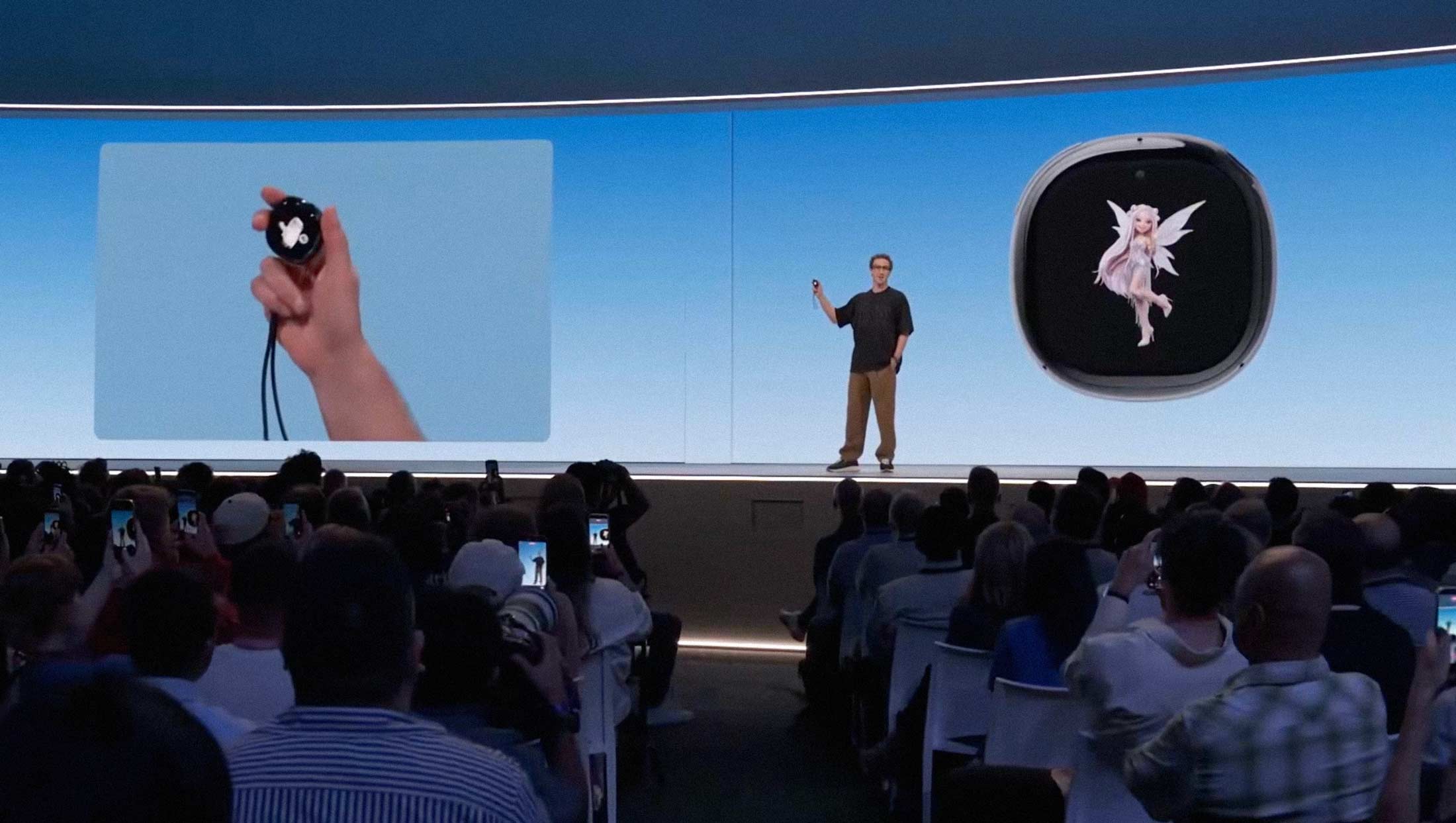
The Oasis 1 is a titanium ring that combines touch controls, voice commands, and motion control. The company claims it features the world's first 2D trackpad built into a ring form factor, letting users tap and swipe to control devices. The upcoming version will add a microphone, turning the ring into a private voice interface for AI systems.
The Input Problem Nobody's Solving
Rosa's path to hardware started in nuclear engineering before pivoting to computer science. An early experience with Microsoft's HoloLens convinced him that emerging computing paradigms had an interaction problem. With AR headsets, he noticed, your arms got tired.
That observation led to the core insight behind Oasis: a ring sits close enough to your mouth to function as a private microphone. Users can hold it near their face and whisper commands to AI systems without broadcasting their thoughts to everyone in the room. The company is integrating with WhisperFlow, a voice dictation platform that works across applications, allowing the ring to serve as an always-available AI input device.
Rosa frames this as solving a mismatch between where computing is going and how humans communicate intent. "Computing happens in glasses. Computing happens in robots like Optimus. Computing happens in self-driving cars," he said. "But human intent is still trapped behind screens."
A Crowded Ring, a Different Game
Oasis isn't alone in recognizing the opportunity. As AI models become more agentic, several startups are building voice-focused rings that skip biometrics altogether. Sandbar, founded by former Meta employees, raised $23 million in Series A funding this spring for its Stream ring. The Vocci Ring debuted at CES 2026 as a voice-recording device for note-taking. VTouch's Wizpr Ring surpassed its Kickstarter goal with a pitch around ChatGPT integration and smart home control.
These devices share a thesis: the primary interface for AI shouldn't be typing into a phone. Whether that thesis holds depends on whether voice interaction can actually become natural enough for everyday use. Previous dedicated AI hardware, from Humane's AI Pin to the Rabbit R1, struggled to find a place in people's routines.
Small Team, Long Development
Oasis remains a small operation. Rosa is a solo founder with a distributed engineering team spanning Miami, Denver, China, and Abu Dhabi. The company shipped its first trackpad rings in December after years of development, with Rosa handling hands-on assembly in South Florida. One early investor relationship began in a Texas Instruments forum about wireless charging, which connected him with Australian doctors exploring their own smart ring concepts.
The smart ring market has been defined by health tracking and patent disputes. Oura, which has sold over 5.5 million rings, has aggressively pursued import bans against competitors like Ultrahuman and RingConn. That legal landscape may actually benefit interaction-focused rings, which operate in a different category entirely.
Oasis plans to launch its microphone-equipped ring next, expanding the WhisperFlow integration and adding more software connections. Whether people actually want to whisper commands into their fist remains to be seen. But the company is betting that as computing moves off screens, the keyboard won't follow.