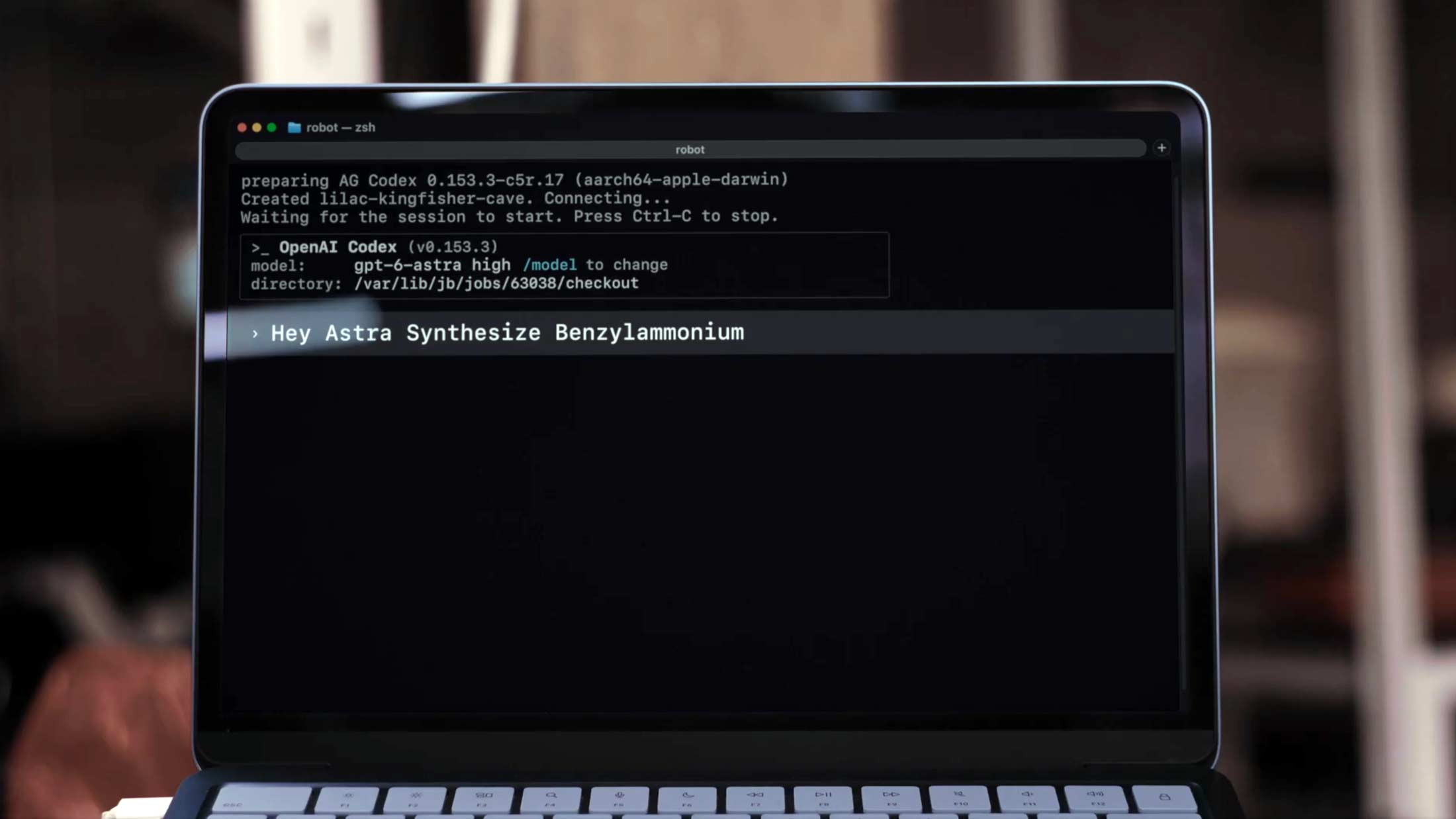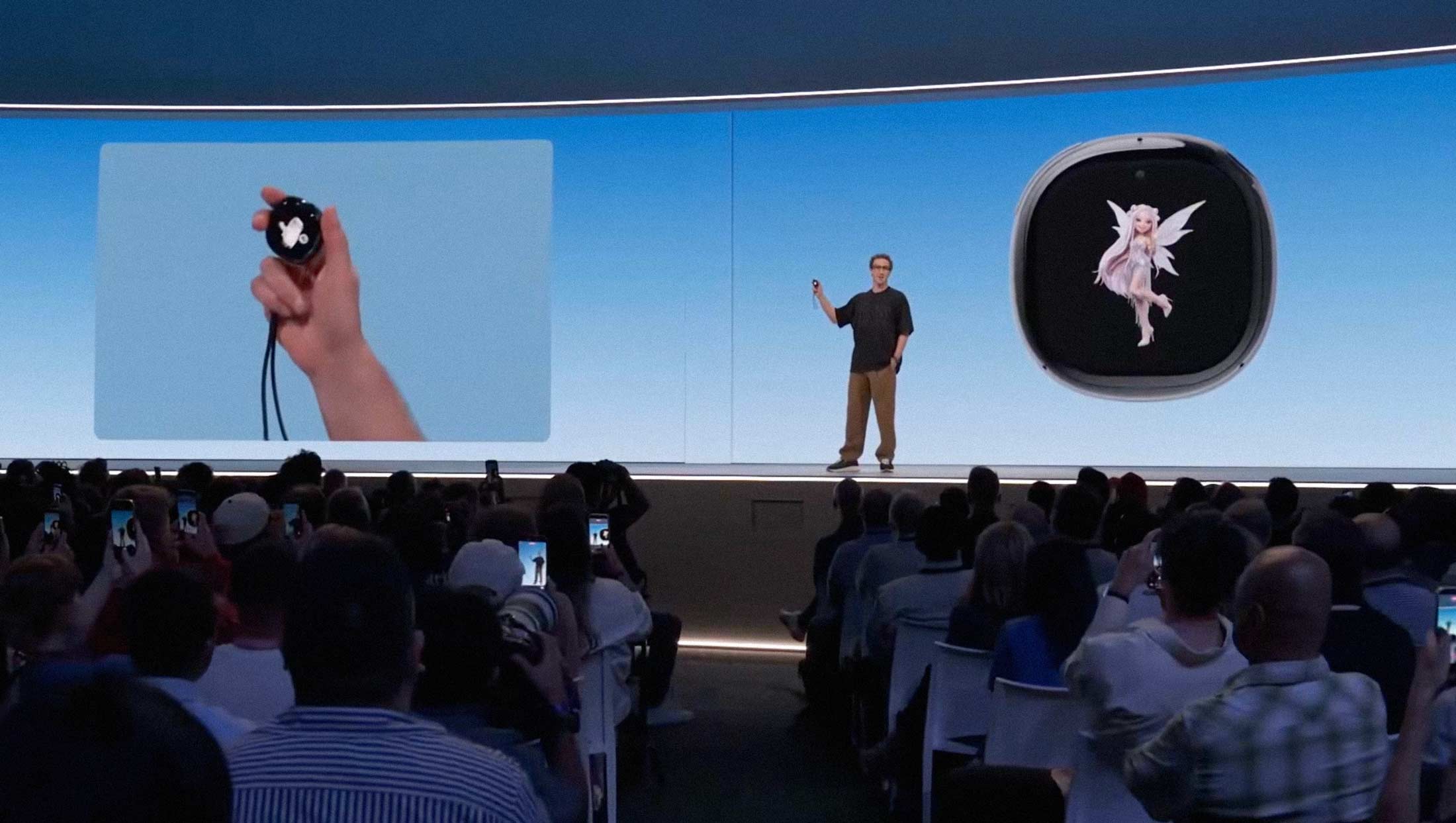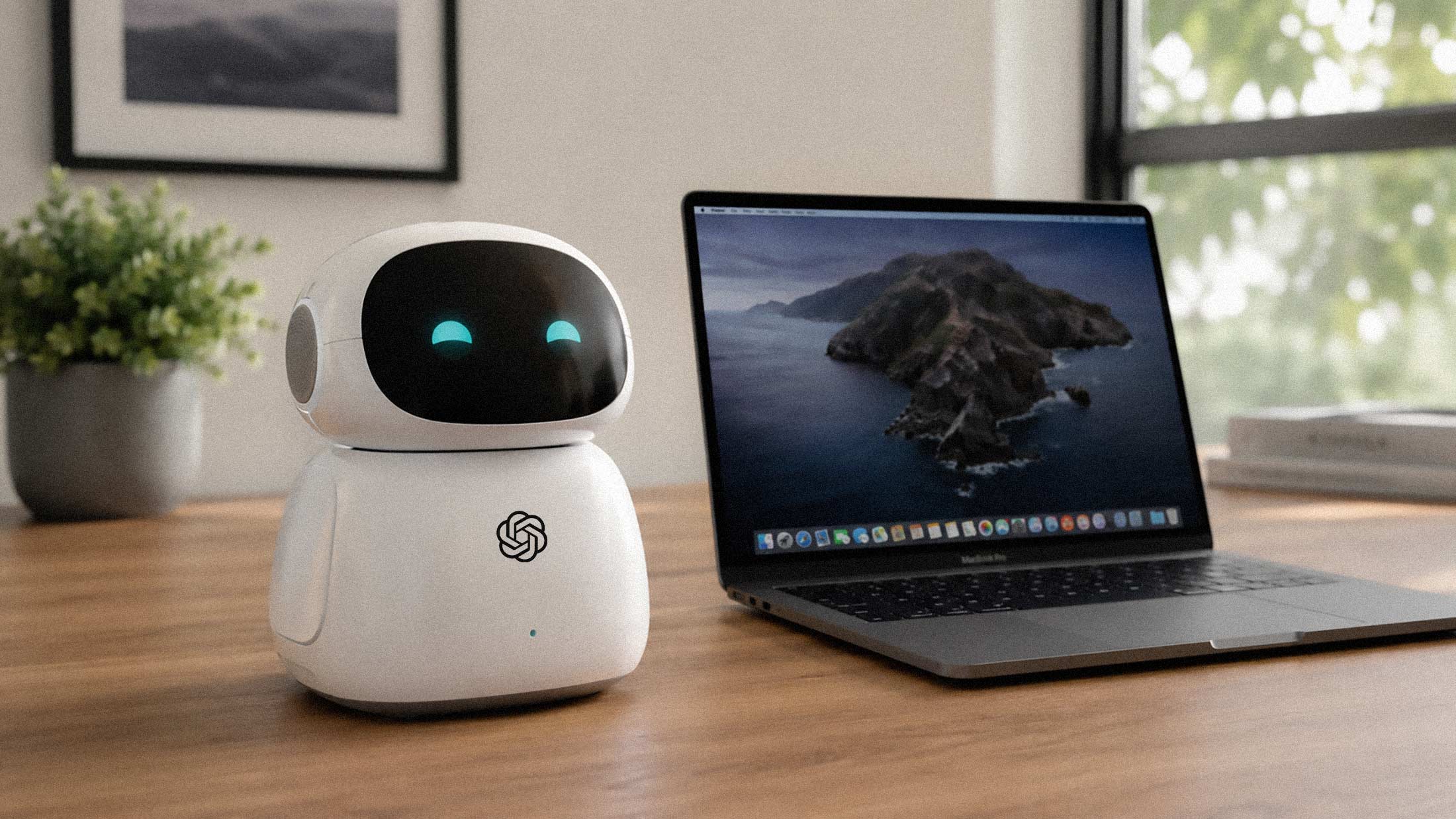
OpenAI is getting back into robotics, this time with serious intent. On May 31, CEO Sam Altman announced a hiring drive for what the company is calling OpenAI Robotics, seeking engineers across hardware, machine learning, systems, and operations to help build robots intended for real-world physical tasks.
The short-term goal is narrow: robots that assist skilled workers in constructing infrastructure. Data centers, power grids, factories. The long-term goal is far more ambitious. Altman described a future where "everyone having a personal robot doing anything they need."
This is OpenAI's most explicit commitment to proprietary robotics hardware since it shut down its robotics division in 2021. Back then, the company had run a robotic hand project called Dactyl that notably solved a Rubik's Cube single-handedly in 2019, demonstrating what reinforcement learning could achieve in the physical domain. Then the team was disbanded as OpenAI pivoted hard into language models.
From World Simulation to Physical Robots
The new robotics effort has emerged from OpenAI's world simulation research program, which is led by Aditya Ramesh. Ramesh is the researcher behind DALL-E and Sora, and now holds the title of VP of Research. According to his personal website, he is currently "working on bootstrapping our new robotics effort to bring the intelligence of our video generation models to the physical world."
The theory here is intuitive: if models trained on massive video datasets can learn to generate physically plausible motion, perhaps those same learned representations can transfer to controlling actual robots. OpenAI co-founder Greg Brockman confirmed on X that the division is "making rapid progress."
What Consumer Products Could Emerge
Altman's timeline suggests a staged rollout. Industrial and construction applications first. Home robots later. This mirrors the approach other robotics players are taking.
1X Technologies, a Norwegian company backed by OpenAI's Startup Fund, has already opened a 58,000-square-foot humanoid factory in Hayward, California. The company says it sold out its entire first-year production of over 10,000 NEO robots within five days of opening preorders. The NEO is priced at $20,000 for early access or $499 per month on subscription, and consumer shipments are expected later this year.
That gives some indication of where the consumer market might head. A personal robot priced like a car, not like a house. Tesla's Optimus program has similar ambitions, with Elon Musk repeatedly targeting an eventual price between $20,000 and $30,000 once production scales. Tesla is converting its Fremont factory lines to Optimus manufacturing, with initial production targeted for late summer 2026.
The difference with OpenAI is the AI-first approach. Tesla brings manufacturing expertise. 1X brings vertical hardware integration. OpenAI brings foundation models trained on human knowledge and behavior at scale. Whether that translates to better robots remains unproven.
The Talent Puzzle
OpenAI's robotics hardware lead, Caitlin Kalinowski, who joined from Meta in late 2024, resigned in March 2026. Reports cited concerns about the company's Pentagon deal and lack of guardrails around domestic surveillance and lethal autonomy. That departure raises questions about the ethical boundaries OpenAI will draw as it moves into physical systems.
The company currently lists 11 open robotics roles on its careers page. Salaries reportedly reach up to $310,000 in base compensation before equity. That is competitive with what any well-funded robotics startup would offer, but the real draw is presumably access to OpenAI's compute infrastructure and model ecosystem.
Competition and Context
OpenAI enters a crowded and fast-moving field. Figure AI ended its collaboration with OpenAI in February 2025 to build its models in-house and has since signed deals in retail and manufacturing. Boston Dynamics is piloting its Atlas robot at Hyundai facilities. And Chinese firms like Unitree have demonstrated humanoids performing martial arts routines and backflips, capabilities that overshadow anything shown publicly by American competitors.
The question for OpenAI is whether software intelligence can compensate for a late start in hardware. Robots that work in the real world need more than good models. They need reliable actuators, safe physical interactions, and thousands of hours of testing in uncontrolled environments. OpenAI's previous robotics work showed promise in simulation transfer. Scaling that to manufacturing and then to consumer products is a different challenge.
The company has not disclosed timelines for product availability, pricing structures, or specific form factors. What is clear is that OpenAI believes AI should operate in the physical world, not just on screens. Whether it can build the hardware to match that ambition is the open question.