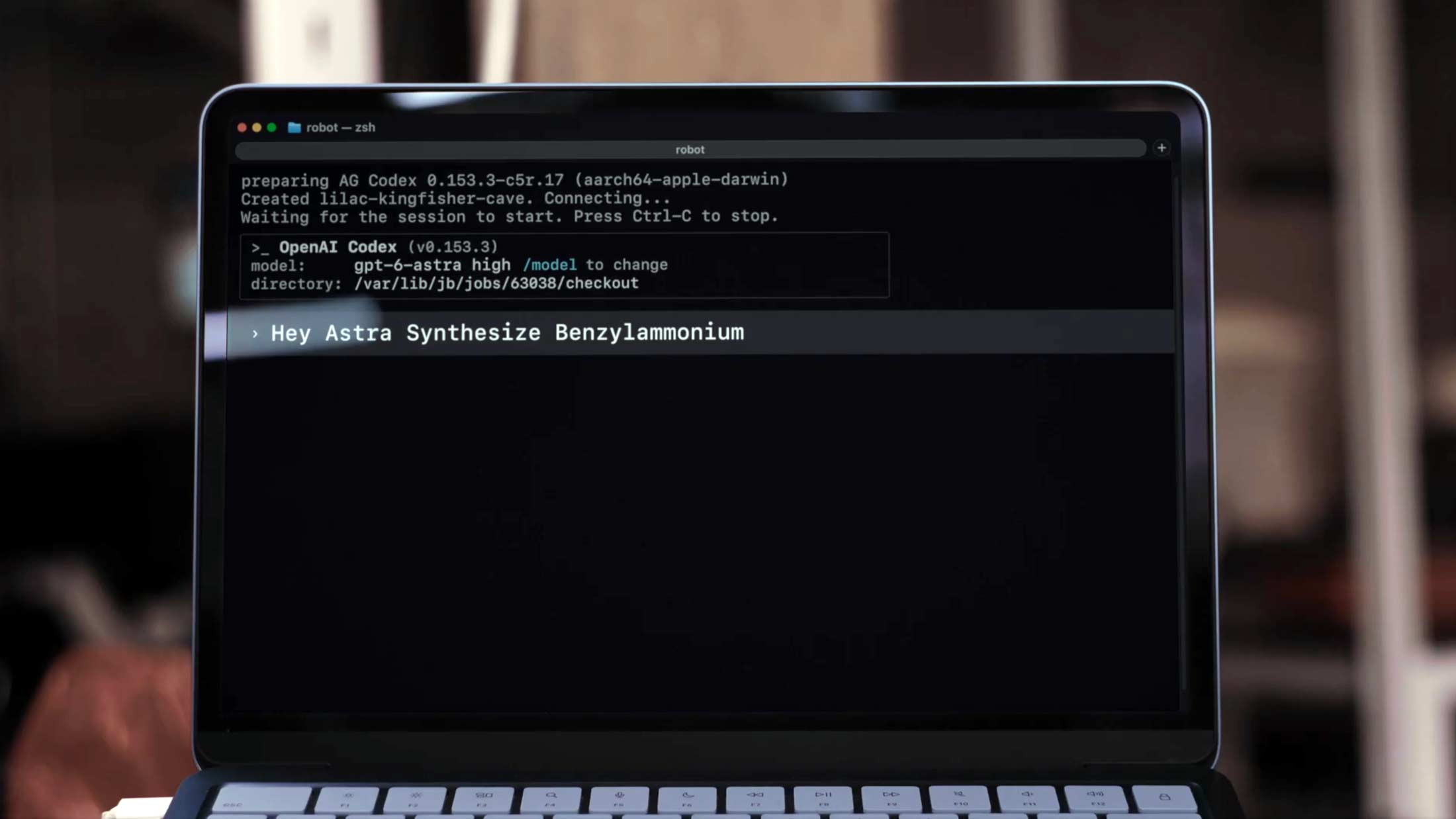
SpaceX has formally agreed to acquire Cursor, the AI-powered coding platform built by Anysphere, in a $60 billion all-stock transaction. The announcement came Tuesday via a regulatory filing, just four days after SpaceX completed the largest IPO in market history. The merger is expected to close during the third quarter of 2026.
The deal was always an option, not an obligation. In April, SpaceX disclosed a curious arrangement: it could either acquire Cursor for $60 billion or pay a $10 billion breakup fee for their collaborative work. At the time, SpaceX was still preparing for its public debut, and the ambiguity served as a hedge. Now, with the IPO complete and the company trading well above its initial $135 offering price, SpaceX is proceeding with the full acquisition.
Cursor shareholders will receive SpaceX Class A common stock, with the share count determined by a volume-weighted average closing price over the seven trading days before closing. Given SpaceX's first-week volatility, the final exchange ratio remains in flux.
The Logic Behind a $60 Billion Check
Cursor has become the dominant player in AI-assisted software development. The company's annualized revenue hit $3 billion in late April and reportedly surpassed $4 billion by early June. It now counts more than 3,000 enterprise customers paying at least $100,000 annually. For a company valued at $29.3 billion just seven months ago, the trajectory is remarkable.
The AI coding market has consolidated into a three-player race: Cursor, Anthropic's Claude Code, and OpenAI's Codex. According to the JetBrains Developer Ecosystem Survey 2026, market share now sits at roughly 29% for GitHub Copilot, 18% for Cursor, and 18% for Claude Code. Copilot's share has eroded from 67% to 51% in the Stack Overflow survey. Cursor has established itself as the IDE of choice for developers who want a VS Code-style interface with native AI capabilities.
SpaceX's motivation is straightforward. The company merged with Elon Musk's xAI in February, creating a combined entity valued at $1.25 trillion. That merger was framed around space-based data centers and orbital compute, but xAI's Grok models have struggled to match the commercial traction of OpenAI and Anthropic. Cursor provides something xAI lacks: proven enterprise distribution and a product that software engineers already use daily.
Structural Questions for the AI Market
The acquisition creates complications. SpaceX currently leases data center capacity to both Anthropic and Google under deals worth roughly $26 billion annually. Both contracts include 90-day termination clauses. If SpaceX decides it needs that compute for its own AI training, it can reclaim capacity quickly. Anthropic and Google now find themselves reliant on infrastructure controlled by a company that just acquired one of their direct competitors in the coding tools market.
Two of Cursor's most senior engineering leaders, Andrew Milich and Jason Ginsberg, had already joined SpaceX in March, well before today's announcement. The integration has been underway for months.
The deal also raises questions about Cursor's model-agnostic approach. Cursor's IDE supports Claude Sonnet, GPT-5.5, and Gemini 3.1 Pro. Developers choose which underlying model powers their coding assistant. Post-acquisition, SpaceX will presumably push developers toward xAI's Grok models, but Cursor's appeal has always been the freedom to swap models based on task. Whether that flexibility survives integration remains to be seen.
What This Means for SpaceX's AI Bet
SpaceX told investors during its IPO roadshow that it sees an addressable market for AI products worth $26 trillion. That figure is roughly equivalent to U.S. GDP. The claim is ambitious bordering on theatrical, but it reflects how central AI has become to SpaceX's pitch to public markets.
The company debuted on June 12 at a $1.77 trillion valuation and quickly surged past $2 trillion. Adding Cursor's $4 billion in annualized revenue to that base strengthens the AI narrative, even if Cursor's growth has come at significant cost. One source told TechCrunch in April that Cursor's planned $2 billion fundraise would not have been enough to reach breakeven. SpaceX's balance sheet solves that problem.
The broader AI coding category is projected to be worth tens of billions annually by 2030. Cursor's early lead in enterprise adoption is valuable, but the space is competitive. Claude Code has cultivated a devoted following among developers who prefer terminal-based workflows. OpenAI's Codex has 4 million weekly active users and is bundled with ChatGPT subscriptions at no marginal cost. Anthropic has not yet commented on how the acquisition might affect its competitive positioning.
For Musk, the Cursor deal is consistent with a years-long pattern of consolidation. He merged xAI into SpaceX. He used xAI to acquire the social network X. Now Cursor joins the fold. The strategy appears to be building a vertically integrated AI stack: models, compute, distribution, and developer tools, all under one roof. Whether that integration produces better products or simply reduces competition is the question that matters.
The SpaceX IPO was already reshaping capital flows across tech. This acquisition extends that influence into software development itself.