The Bitaxe is a small marvel of grassroots engineering. It is the first fully open-source ASIC Bitcoin miner, runs on 5V power, connects to WiFi, and lets anyone participate in solo mining from home. The hardware, firmware, and schematics are all public. The community loves it.
But the thing looks like a science experiment. Exposed PCB, dangling fan, industrial heatsink. It signals "for engineers only" loud enough to scare off anyone who isn't already comfortable soldering their own gear.
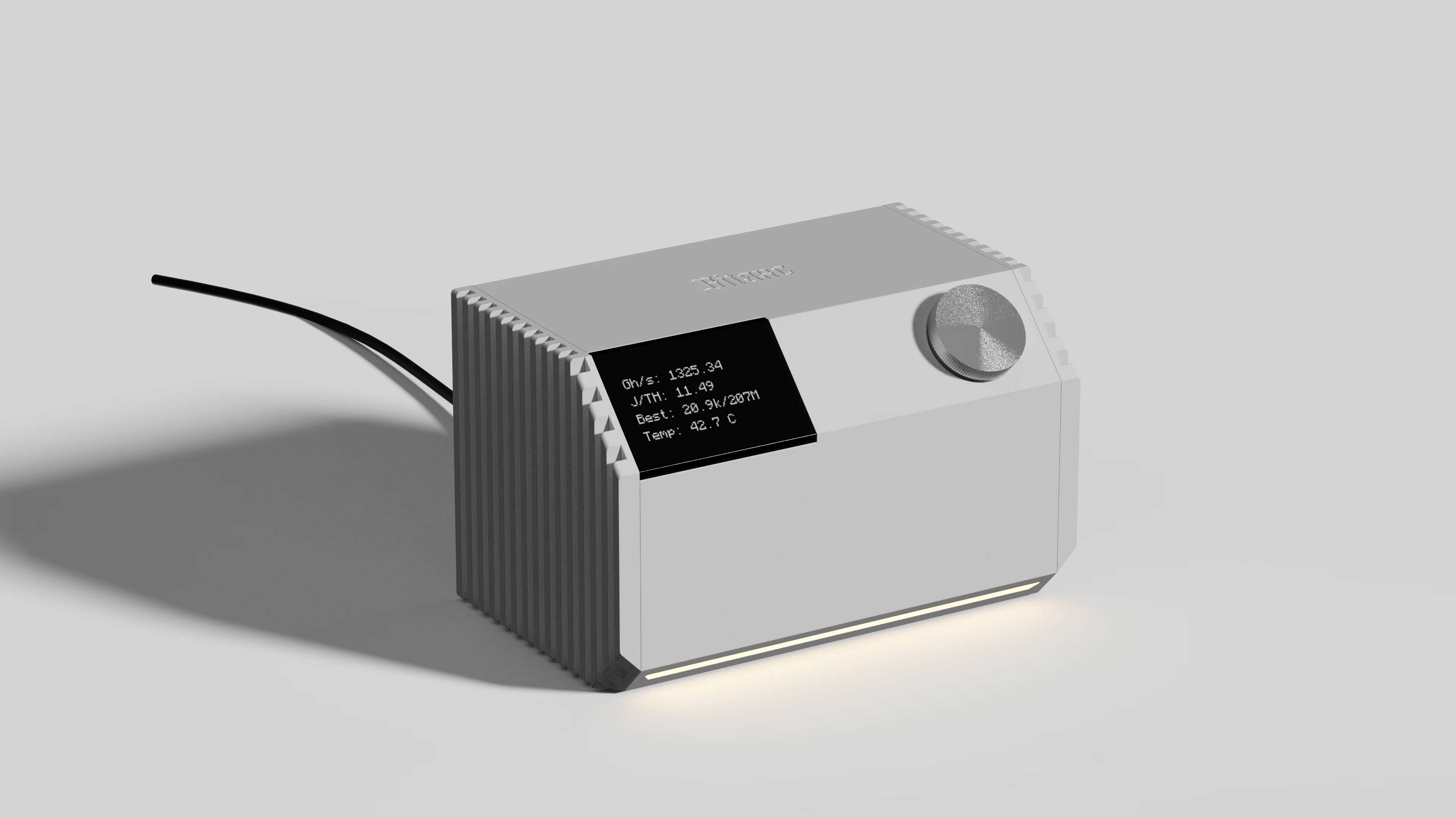
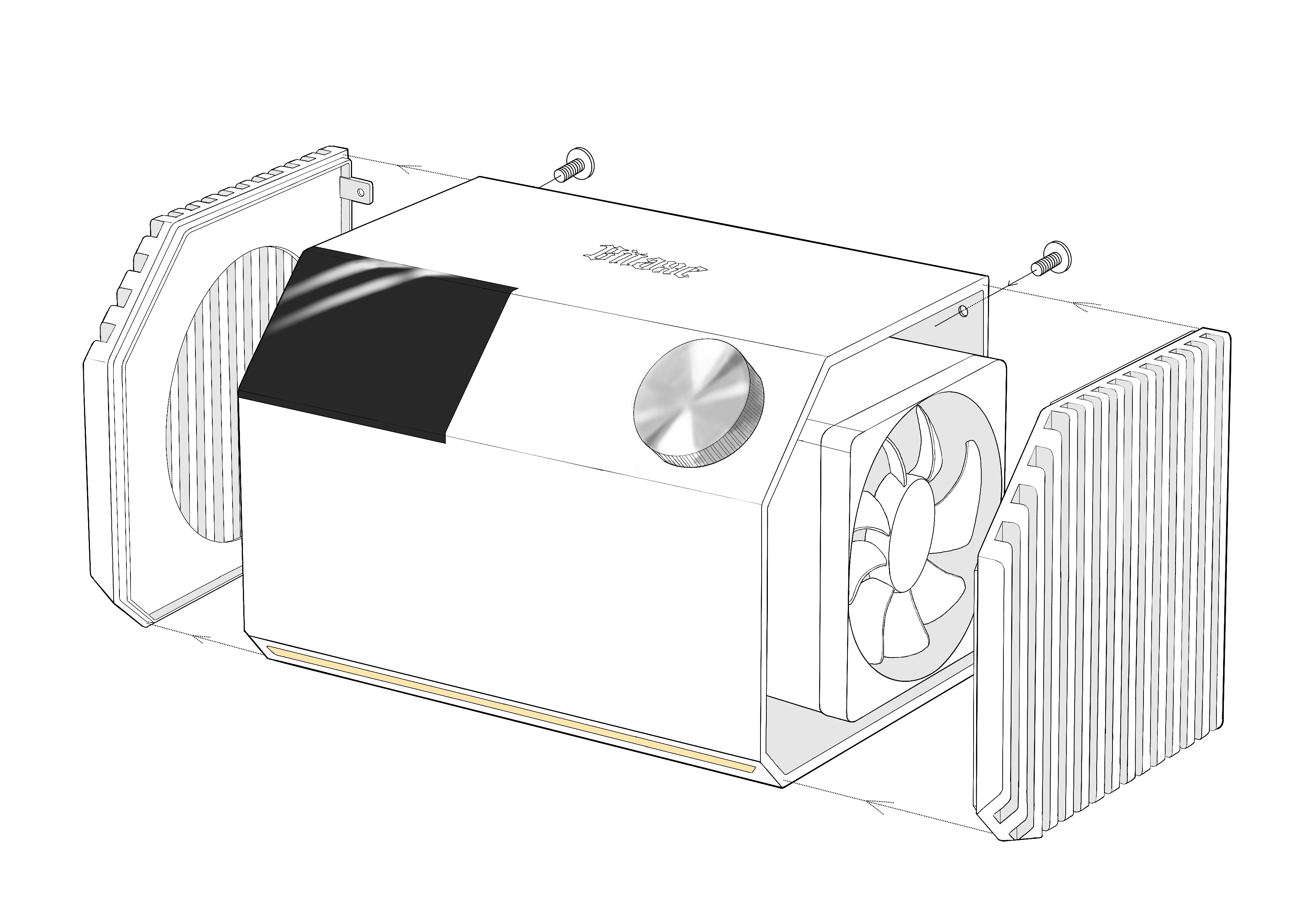
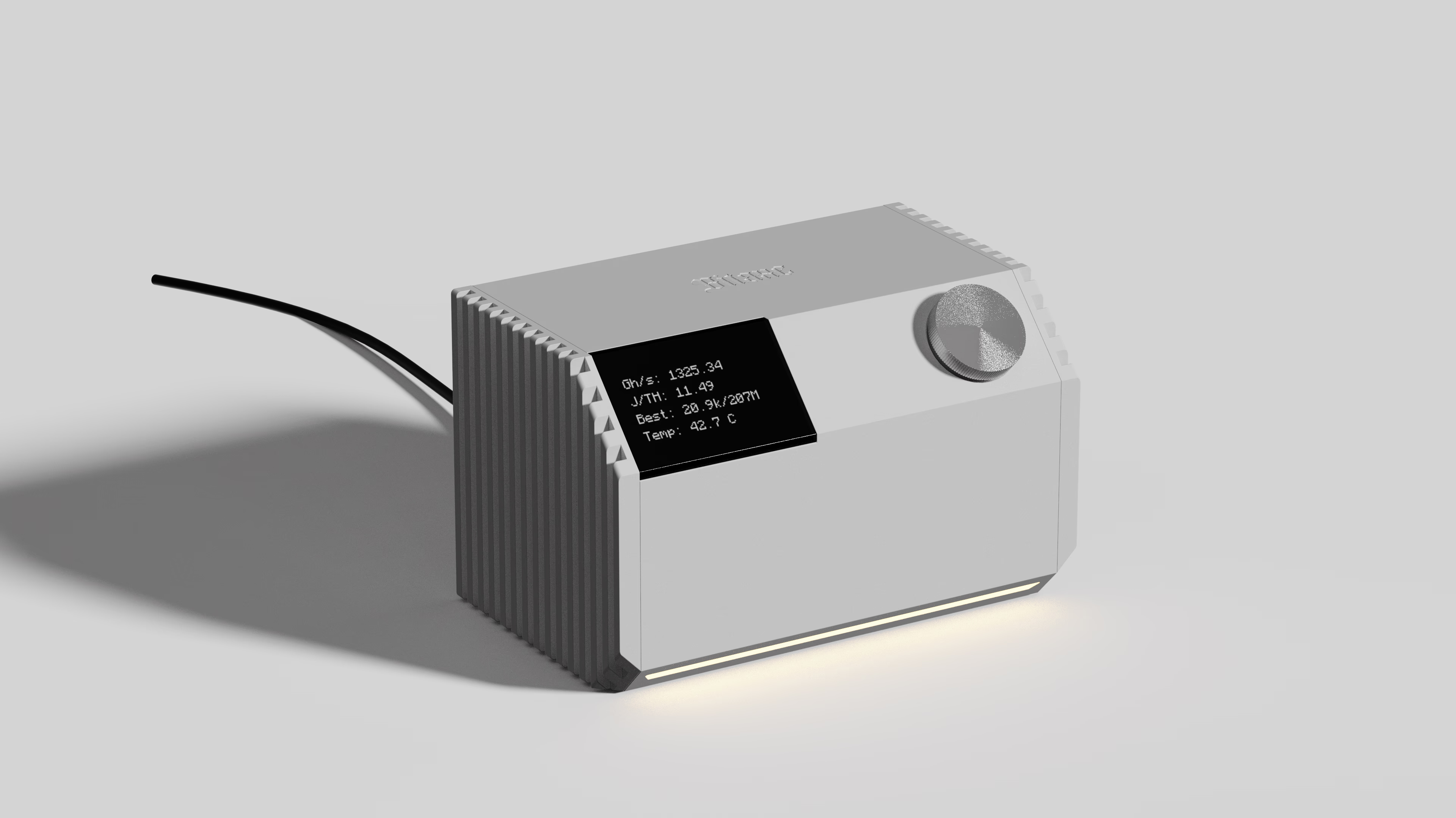
YiShi, an industrial designer who works at the intersection of Bitcoin and product design, decided that needed to change. Her newly released Bitaxe enclosure reimagines the miner as something you'd actually want sitting on your desk.
Design With Intent
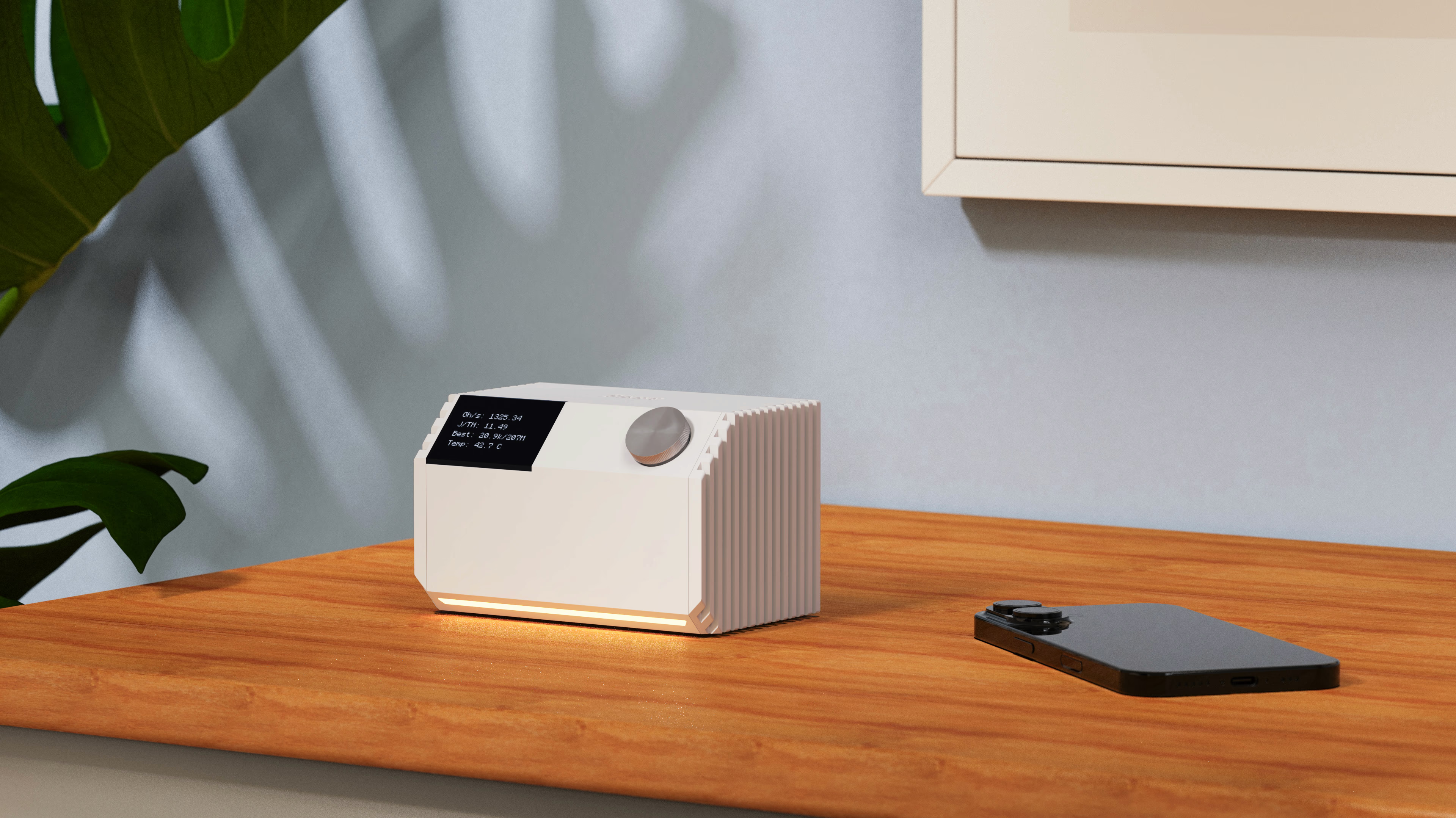
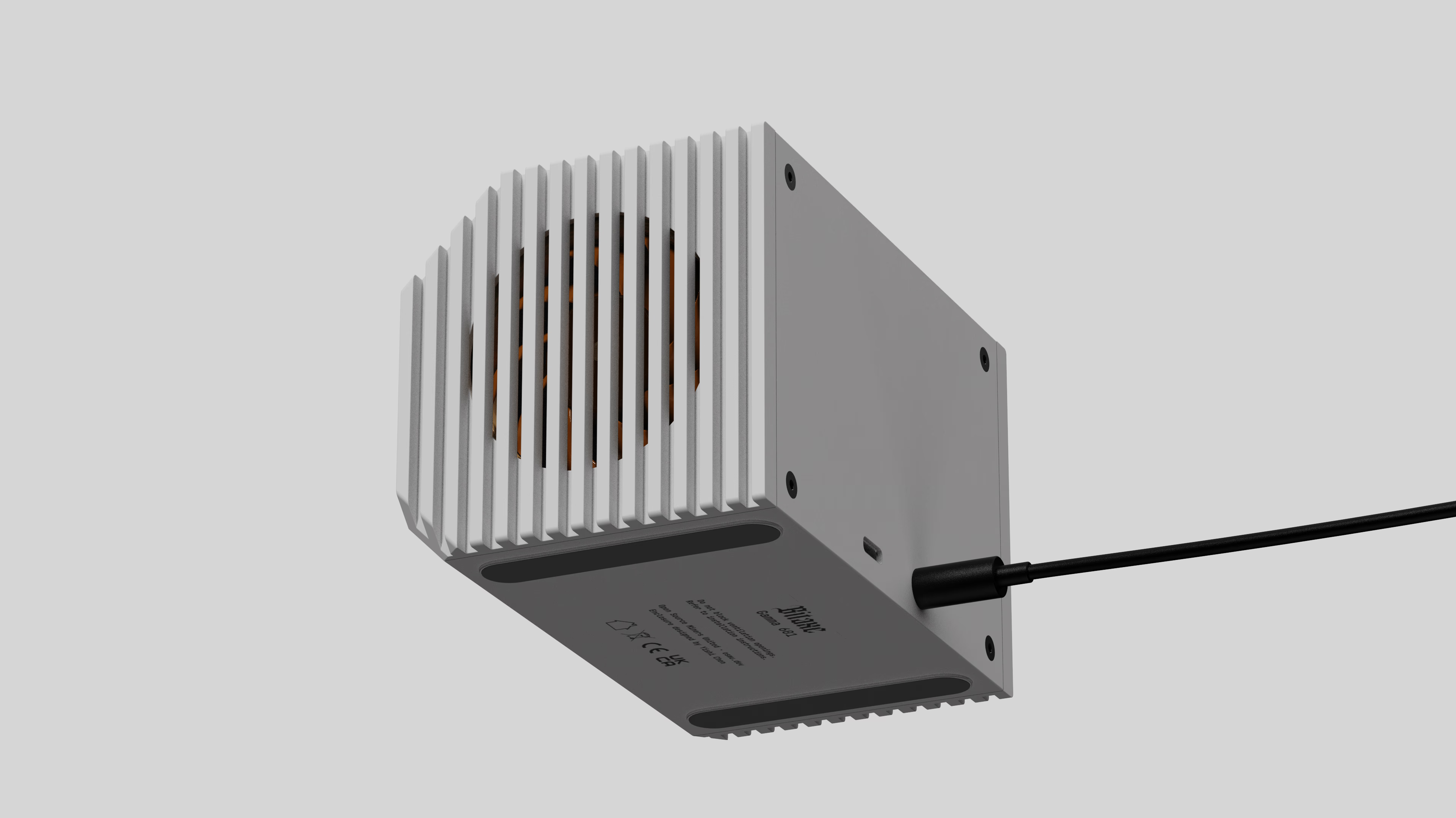
According to YiShi's project documentation, the enclosure was developed over two months with two goals in mind: better aesthetics and sound thermal performance. The shell allows airflow across the board while presenting clean lines and intentional proportions. It is designed to work in any room.
The approach echoes the philosophy of Dieter Rams, the legendary Braun designer whose work shaped how we think about consumer electronics. Rams believed that good design "emphasizes the usefulness of a product whilst disregarding anything that could possibly detract from it." His dictum "less, but better" pushed designers to strip objects to their essentials. YiShi's enclosure does something similar: it removes the visual noise of an exposed circuit board without compromising what makes the Bitaxe functional.
The files are open-source and 3D-printable. Anyone with a home printer can make one. That matters. The Bitaxe project exists because an engineer named Skot spent years reverse-engineering Bitmain ASIC chips and published everything for free. Keeping the enclosure in the same spirit preserves that ethos. You can print it yourself, or wait for mass production when it arrives.
Why This Matters
Home Bitcoin mining occupies a strange cultural niche. The odds of a single Bitaxe finding a block are vanishingly small. The device produces roughly 1 terahash per second, a rounding error against industrial operations running exahashes. But that misses the point.
People buy Bitaxes for the same reason they run their own nodes: to participate directly in the network, to understand how mining works, to own the stack. Decentralization is a principle, not just a technical property. And several Bitaxe devices have actually found blocks. Combined payouts from open-source solo miners have exceeded $1 million.
But decentralization stalls if the hardware stays intimidating. Most people are turned off by exposed PCBs. The raw circuit board aesthetic communicates complexity, fragility, expertise required. It keeps the Bitcoin network's edges limited to hobbyists and tinkerers.
YiShi's enclosure is a deliberate attempt to lower that barrier. As she puts it, most miner mods optimize for performance. This one optimizes for people. By treating the Bitaxe as a designed object rather than a functional device, the project makes decentralization feel accessible.
Form and Function
The design sits comfortably alongside other Bitaxe accessories on the market. D-Central sells a Modern Stand with dual-fan push-pull cooling. Go Brrr offers a slim multicolor enclosure with hinged feet. Various Etsy sellers hawk bright orange cases. What sets YiShi's approach apart is the explicit emphasis on design philosophy over feature lists.
The result is a Bitaxe that sits on your desk like a premium gadget. It becomes a conversation starter. You can explain Bitcoin mining to visitors without first apologizing for the mess of wires and exposed components.
That might sound trivial. It isn't. Technology adoption follows aesthetics more often than engineers want to admit. The tools people use shape how they understand systems. A Bitaxe in a thoughtfully designed shell communicates that home mining belongs in everyday spaces. That Bitcoin isn't just for data centers and warehouse farms.
The enclosure remains in active development, with the design files available through YiShi's portfolio. For anyone running a Bitaxe and tired of looking at bare fiberglass and solder joints, it offers a clear upgrade path. Print one, assemble it, plug in your miner, and watch the hashes roll in from something that finally looks like it belongs in your home. Learn more about this project at YiShi's site.