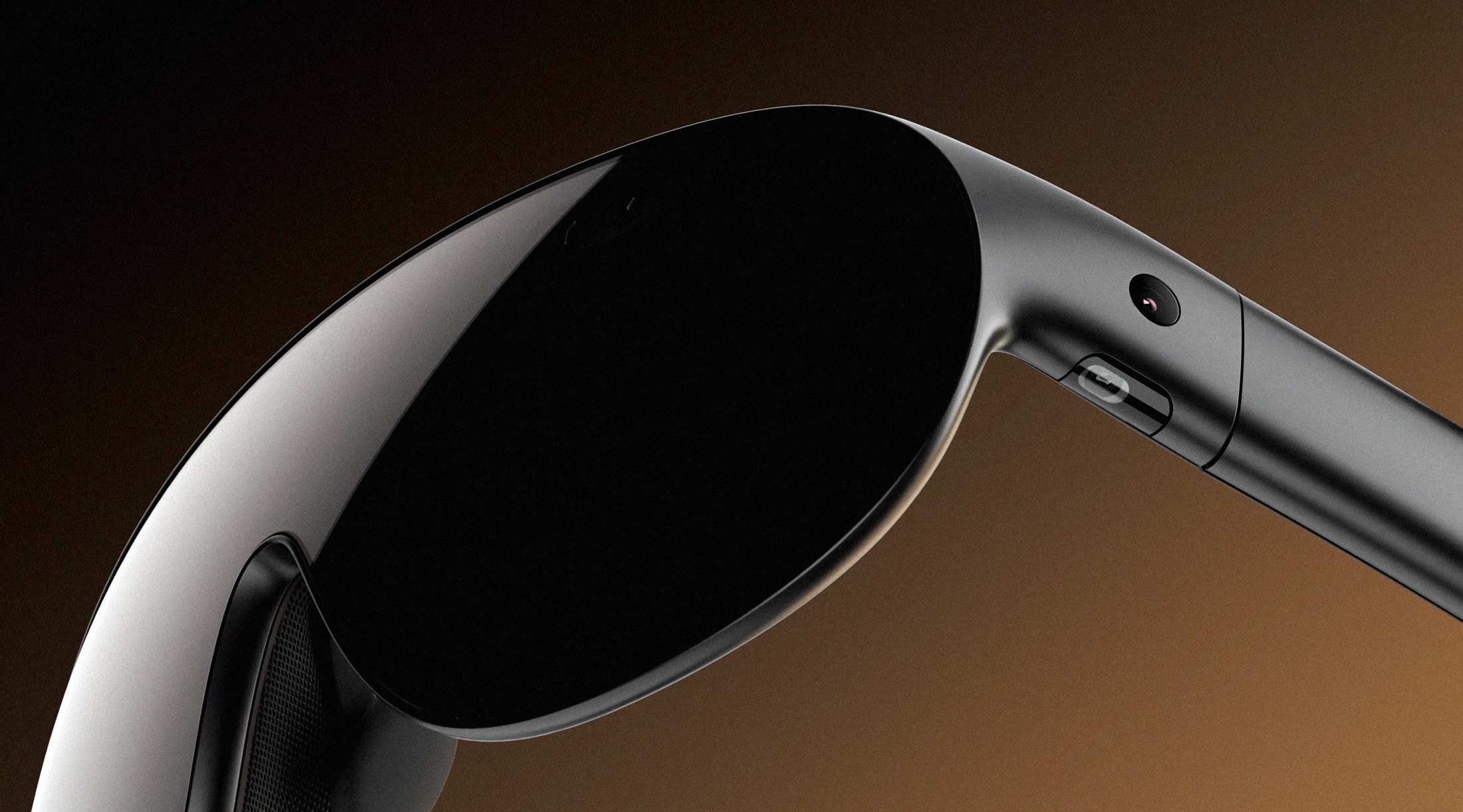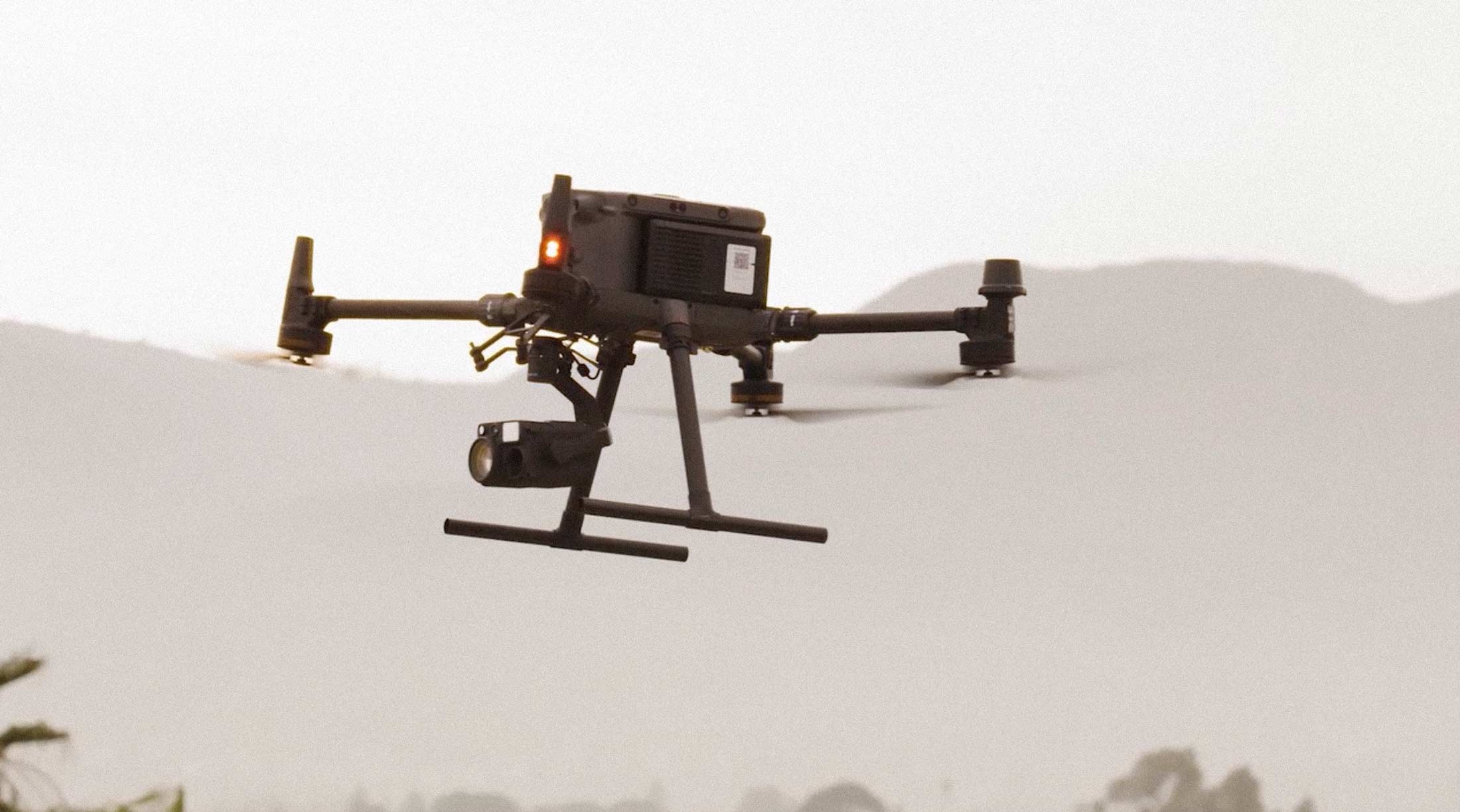
Flock Safety has entered the drone hardware business with the Alpha, an American-made quadcopter designed to reach emergency scenes before human officers can get there. The drone is fast, its optics are sharp, and its integration with Flock's existing surveillance ecosystem makes it one of the most capable platforms available to law enforcement. Whether that's good news depends on how much you trust the institutions flying it.
We built the most powerful emergency response drone camera of all time.
— Rahul Sidhu (@rahul) June 1, 2026
It has 800x zoom, 1080p thermal resolution, and takes in 8x as much light at night as the competitors.
That means the Alpha can see the scene of a 911 call half a mile away. pic.twitter.com/ocIjXNyaz7
What the Alpha Actually Does
The basics are impressive. The Alpha reaches speeds up to 60 mph, making it the fastest Drone as First Responder (DFR) quadcopter currently on the market. Flight time extends to 45 minutes, and a dual battery-swapping dock gets it airborne again in under 90 seconds. Four cellular modems and 15 antennas keep it connected across large jurisdictions.
The camera system is where things get serious. According to Flock CEO Garrett Langley, the company built the camera first, then designed it to fly. The Alpha features 40x optical zoom and can read a license plate from 2,000 feet away. HD thermal imaging and what Flock describes as "unmatched low-light performance" round out the sensor package. The company claims this represents "the highest definition thermal on an NDAA drone."
For emergency services, the pitch is compelling. DFR programs powered by Flock reach their destinations in an average of 86 seconds, with drones arriving first on scene 78% of the time. Departments report an 89% increase in suspects and vehicles located. One in five calls are resolved without ever dispatching a patrol unit.
The Ecosystem Effect
What makes the Alpha different from a standalone drone is its software integration. The system plugs directly into FlockOS, the company's real-time policing platform, along with its network of license plate readers and audio sensors that detect gunshots or vehicle crashes. An analyst sitting in a Real-Time Crime Center can see an LPR alert, dispatch a drone within seconds, and follow a suspect vehicle while directing patrol officers.
Lt. Tim Fecht of the Dunwoody Police Department calls it "the only DFR platform available" that unifies all those functions in one interface. His department uses Flock drones for everything from locating violent offenders to assessing traffic accidents.
The use cases extend well beyond law enforcement. Search and rescue teams can scan large areas with thermal imaging in conditions where ground crews would struggle. Fire departments can assess structure fires and locate hotspots from above. Traffic incident responders can evaluate collisions and hazards before ground units arrive.
The Surveillance Question
The same capabilities that make Alpha useful for finding missing hikers also make it useful for tracking anyone else. Civil liberties organizations have been watching Flock for years, and the Alpha represents an expansion of the company's surveillance footprint.
The ACLU has documented concerns about Flock's broader surveillance infrastructure. The organization's senior policy analyst Jay Stanley argues that government surveillance creates a chilling effect, particularly on minority communities and those engaged in protected activities like protests. Research the ACLU has cited shows surveillance discourages people in these groups from exercising their right to free speech.
Recent reporting revealed that local police departments have conducted national searches through Flock's license plate reader network on behalf of federal agencies, including searches with immigration-related justifications. In one Texas case, a police department searched for a woman who "had an abortion," with subsequent records showing prosecutors were consulted about potential charges.
Flock maintains it holds no contracts with DHS or ICE and says federal sharing is disabled by default. But the architecture of the system, where local data flows into a centralized network accessible to thousands of agencies, makes meaningful local control difficult to enforce. When Oakland County, Michigan approved a Flock drone pilot program in April, the ACLU of Michigan sent commissioners a letter urging them to decline, warning of mass surveillance and the possibility of federal immigration enforcement.
The Infrastructure Is Already Here
The honest reality is that the surveillance infrastructure Flock Alpha plugs into already exists. The company operates in over 5,000 communities across 49 states, with more than 6,000 communities and 5,000 law enforcement agencies on its platform. The Alpha is an extension of that network, not the origin of it.
For communities weighing adoption, the question isn't whether drones can help emergency services respond faster. They can. The question is whether the organization providing those drones should also be the custodian of the data they collect, and whether local policies can meaningfully constrain how that data gets used once it enters a national system.
Emergency response times will likely improve where Alpha deploys. Missing persons will be found faster. Traffic incidents will be assessed sooner. And a high-resolution thermal camera capable of reading plates from nearly half a mile away will be watching.