Most humanoid robots share a single design assumption: that the human body is the template worth copying. Two legs, two arms, upright posture. The logic is intuitive. Factories, vehicles, and buildings were built for people, so machines that fit through the same doors and operate the same tools should slot right in.
But the human body is not optimized for dangerous work. Bipedal robots are inherently unstable, requiring constant active computation just to remain upright. Lose power on a two-legged system and it topples. Put one on uneven terrain and the control problem multiplies. The robotics industry has responded with workarounds, but the core constraint remains: copying human form means copying human limitations.
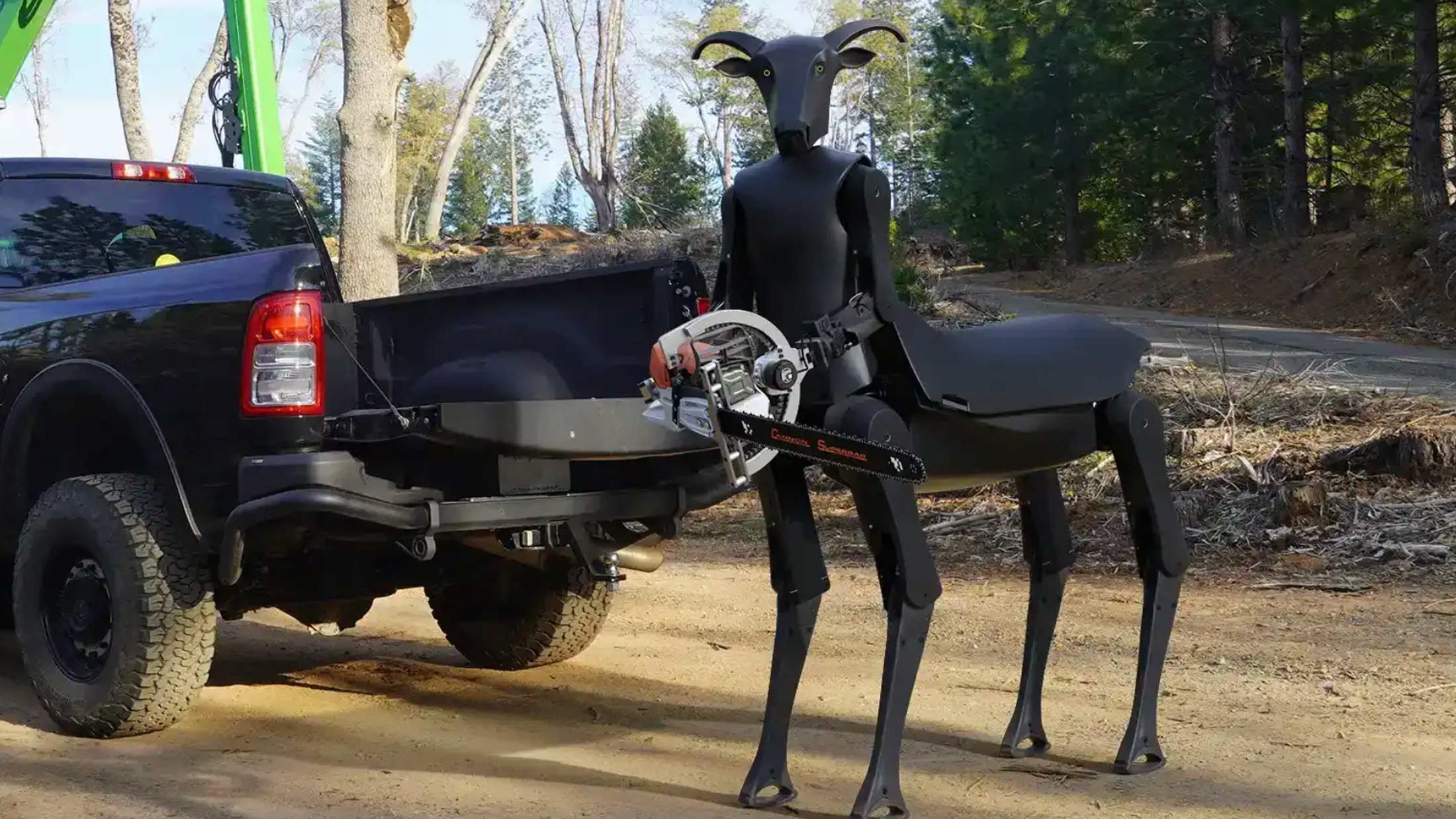
California startup Satyress is betting on a different approach. Its robot, called ThreeHalves, merges a humanoid upper body with a four-legged quadruped base. The result looks less like a warehouse assistant and more like a creature from Greek mythology. Or, as many commenters have noted, something closer to a nightmare.
Why Centaurs Make Engineering Sense
ThreeHalves stands two meters tall and is built for environments that would kill human workers: wildfire fronts, collapsed structures, toxic industrial zones, mudslides. The machine is teleoperated, meaning a skilled human controls it from a safe distance while the robot absorbs the heat, impact, and chemical exposure.
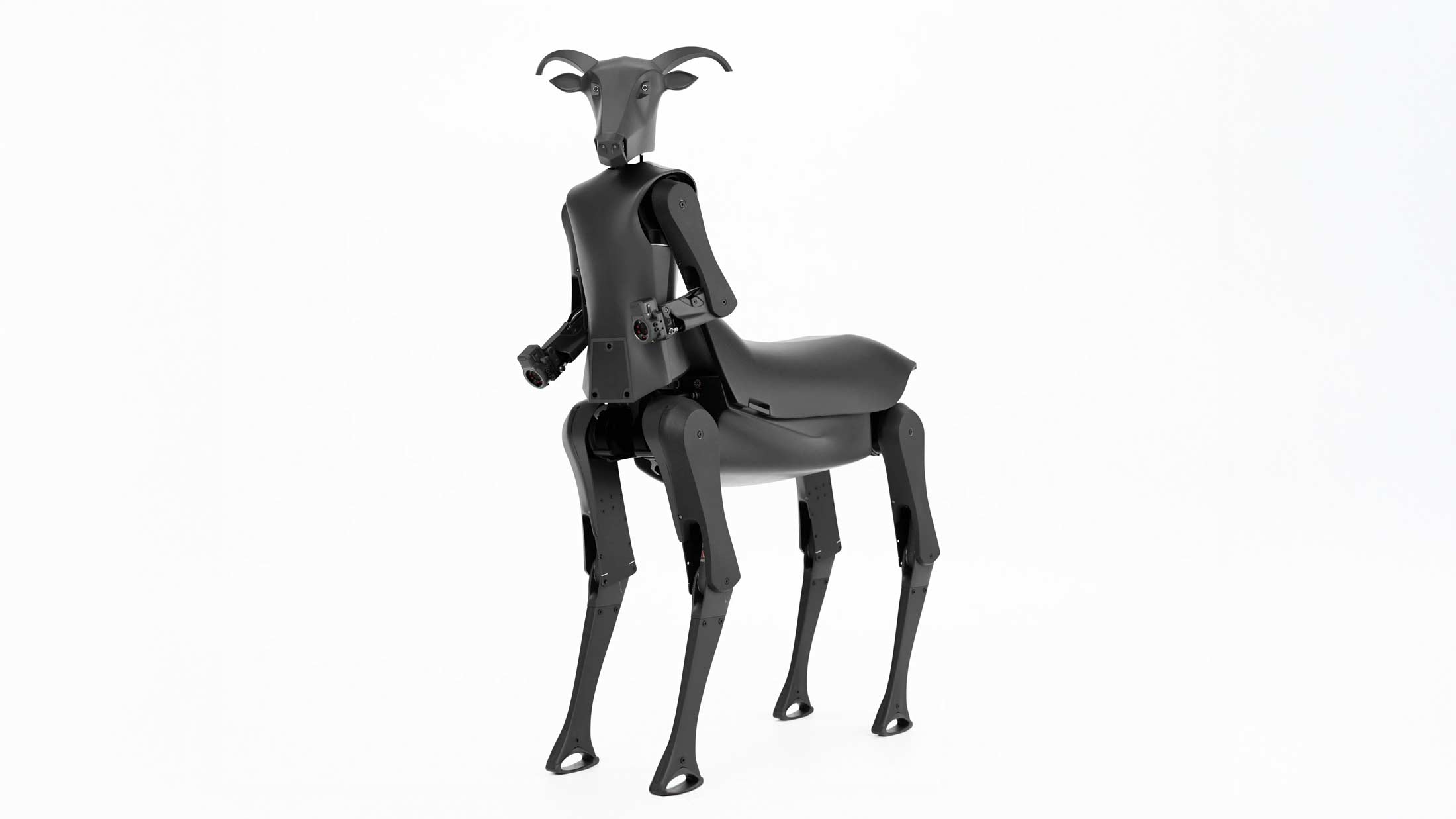
The centaur design solves multiple problems at once. The quadruped lower body offers stability that bipedal systems cannot match. It can lock in place even without power. The humanoid torso, meanwhile, preserves the ability to manipulate tools designed for people. Instead of hands, ThreeHalves uses a quick-connect wrist interface that accepts chainsaws, drills, wrenches, and other attachments swappable in minutes.
The concept has academic precedent. NASA developed a centaur-style mobile manipulation system for planetary exploration years ago. The Italian Institute of Technology built the CENTAURO robot in the 2010s for disaster response. Satyress appears to be commercializing what researchers have explored in controlled settings for over a decade.
The Appearance Problem
The technical merits are clear. The PR challenge is less so.
ThreeHalves features a horned, angular head with glowing eyes, positioned atop a torso mounted on reverse-jointed legs ending in hooves. In promotional images, the machine holds a chainsaw while standing in a forest clearing. Social media reactions have been swift and largely unfavorable. Commenters have compared it to Baphomet, the goat-headed occult figure. Others have invoked horror films. The phrase "nightmare fuel" appears frequently.
Satyress is clearly aware of the optics. The company's name is itself a reference to Greek satyrs, the half-goat creatures of mythology. The aesthetic appears deliberate. Whether that deliberateness is clever branding or a miscalculation is generating genuine debate.
The question matters because ThreeHalves is designed for rescue operations. Would a person trapped in a collapsed building feel relief or terror when a two-meter demon-looking robot rounded the corner? Some observers argue the appearance is irrelevant if the machine works. Others suggest that trust and psychological comfort are not luxuries in emergency response.
Safety as a Feature
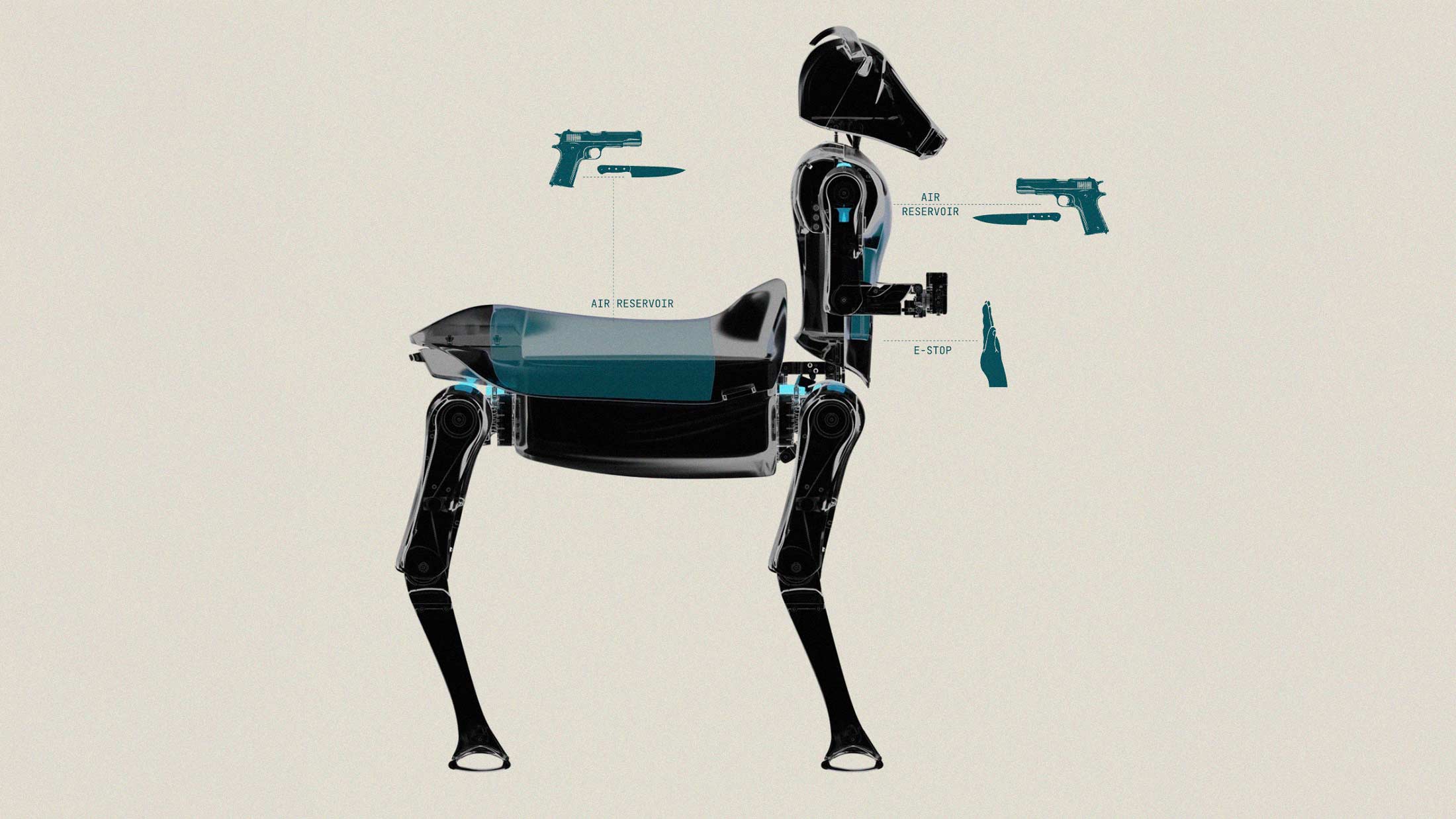
Satyress has built several failsafes into ThreeHalves. An operator can freeze the robot mid-action with a raised-palm gesture. Brakes lock automatically if power or pressure fails. More unusually, the company has published methods for disabling the machine if it malfunctions or, as the company itself put it, in a "machine uprising" scenario.
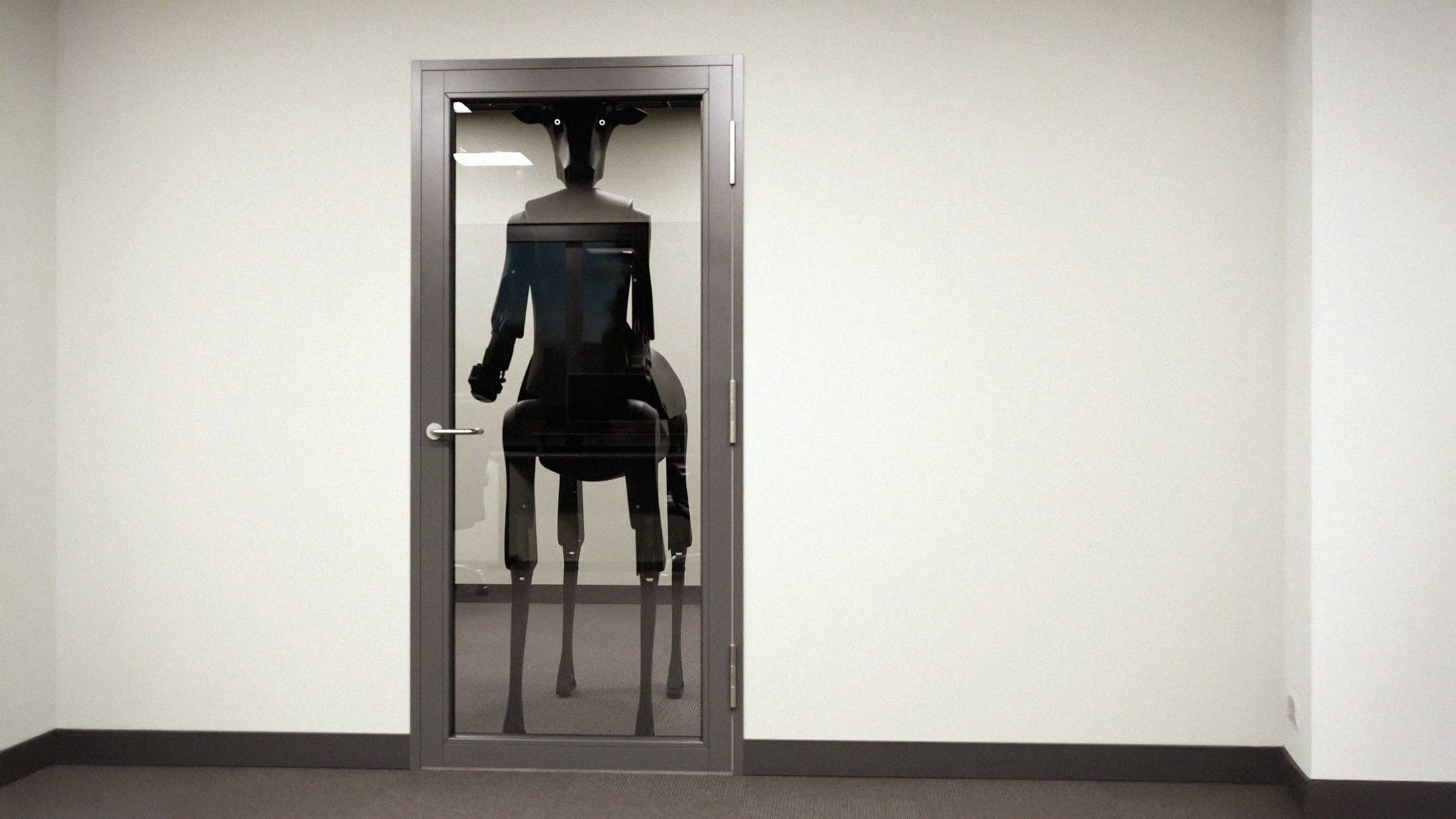
Pressurized tanks on the robot's chest and back act as emergency targets. A purpose-built pistol can puncture them, triggering pneumatic brakes that lock the machine in place. The robot is also deliberately sized to be too large for standard American doorways; the horns can be extended further to prevent passage through pedestrian entrances entirely.
These are unusual disclosures for a robotics company. Satyress appears to be addressing concerns about runaway machines before they arise, even at the cost of amplifying the visual impression that this is, indeed, a dangerous device.
The Superhumanoid Case
ThreeHalves belongs to a broader category sometimes called superhumanoid robots: machines that retain human-like elements but exceed human form in specific ways. Other examples include wheeled bases with humanoid torsos for warehouse work, or research platforms that combine arms with tracked mobility systems.
The market logic is straightforward. Replicating human form means replicating human constraints. Extending beyond it means purpose-building for conditions humans cannot tolerate. The robotics industry has poured billions into bipedal humanoids that look appealing in demos but struggle in real deployments. Companies like Satyress are asking whether the design brief itself needs revision.
ThreeHalves has no announced price or release date. Wildfire seasons are growing longer and more destructive. The need for machines that can work in conditions lethal to humans is not theoretical. Whether the public is ready to accept help from a robot that looks like it escaped from a medieval bestiary is a separate question. Satyress is betting the answer is yes.