The U.S. Patent and Trademark Office published a Google patent application on November 19 that describes something out of a streaming-era fever dream: an AI television channel that generates shows where you are the protagonist, rendered from your photographs and voiced with a synthetic copy of your speech.
The filing, numbered US 2026/0370899 A1 and titled "Creating a Channel of Video Experiences Tailored to a User," was submitted on May 13, 2025. It sketches a feature called My Channel that would appear inside a TV app, generating content on the fly rather than pulling from a library of existing shows.
How the System Would Work
According to an analysis from Digital Trends, the system would generate prompts for a video model using the viewer's watch history, device location, language settings, and age group. One example prompt in the filing instructs the AI: "You are a customized video generating model. Generate a customized video for a user where the user will play the protagonist."
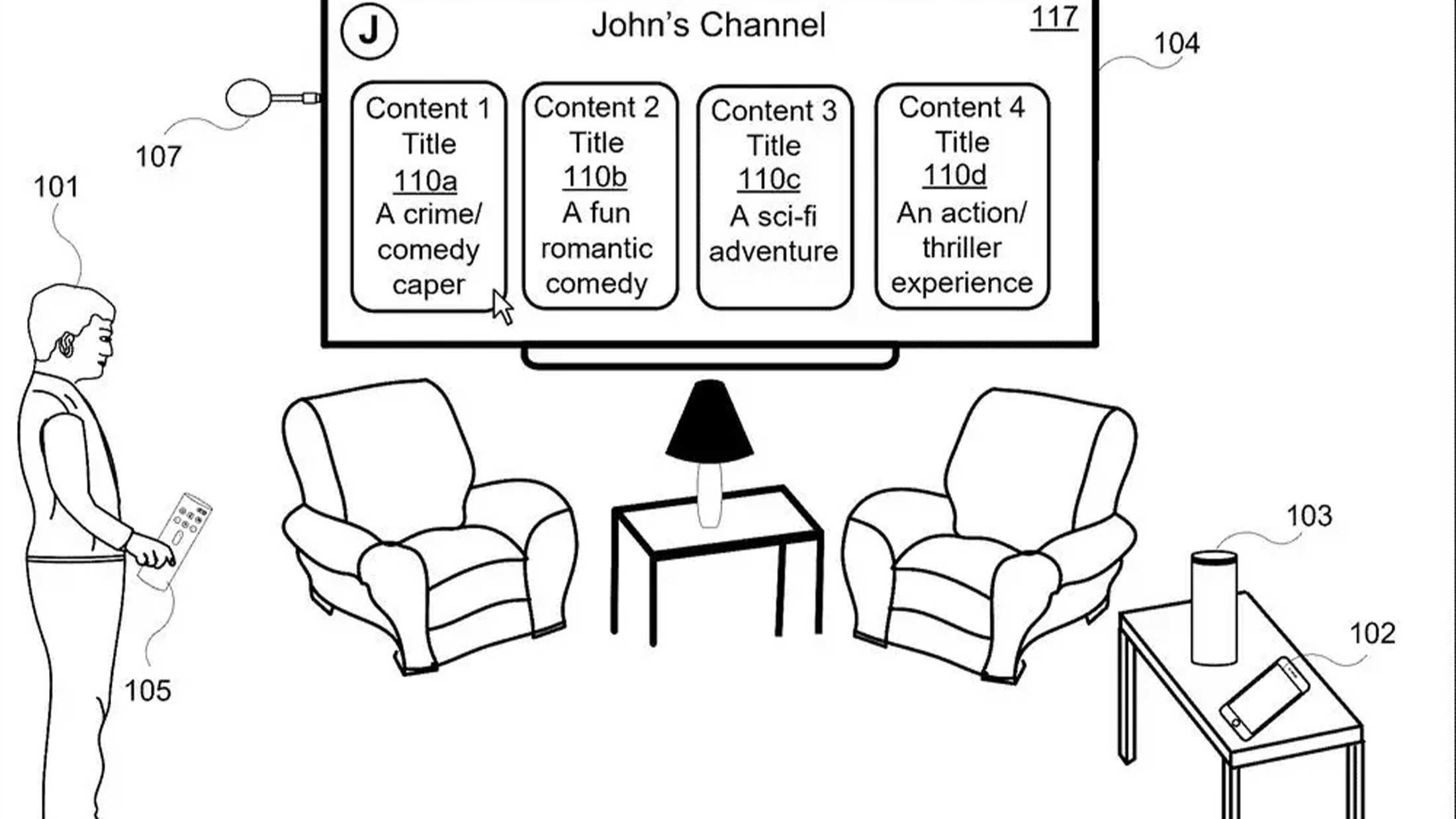
Google's documents describe a cricket scenario. A viewer who had watched batting highlights might receive an AI-generated clip showing them cheering from the stadium stands or interacting with a player. The proposed system could build a digital likeness from user-provided photos or videos, then synthesize a voice for dialogue. Menu items in the patent diagrams include genre options like "a sci-fi adventure" or "a fun romantic comedy."
The patent also covers monetization. An advertising server would retrieve the AI-generated video, insert ads through what the filing calls an "advertising stitcher," and stream the result to the viewer's television. That pipeline is worth noting: Google is describing a system where user likeness and ad load sit in the same content stream, generated together before it ever reaches the screen.
Rejected, But Not Dead
A patent examiner has already rejected the application, according to Cybernews reporting on the filing. That rejection is not final. Google can amend its claims and resubmit, or it can appeal the decision. The company has not responded to press inquiries about its plans, and there is no indication that My Channel will ever become a product.
Patent applications do not necessarily signal product intent. Companies file for intellectual property protection on speculative concepts, sometimes to block competitors, sometimes to establish prior art for internal research, sometimes because an engineer had an idea that sounded patentable. What they do reveal is the direction of internal thinking.
What Google is thinking about, apparently, is generative AI entertainment where the content is not selected but manufactured per viewer. That concept has already started appearing in the market. Fairground AI Creator TV launched on Roku, LG, and Amazon platforms in August. Shortical, an Israeli service, produces AI-generated microdramas and lets users submit their faces for possible use as characters.
Public reception to AI-generated video channels has been cool so far. The technical and privacy challenges of putting someone's synthesized likeness into automatically generated content are substantial. Google already has video generation capabilities, but broadcasting deepfakes of your users to their living rooms, with ad insertion built into the pipeline, is a different proposition.
The examiner's rejection leaves My Channel in limbo. Google's next move, if there is one, has not been disclosed.