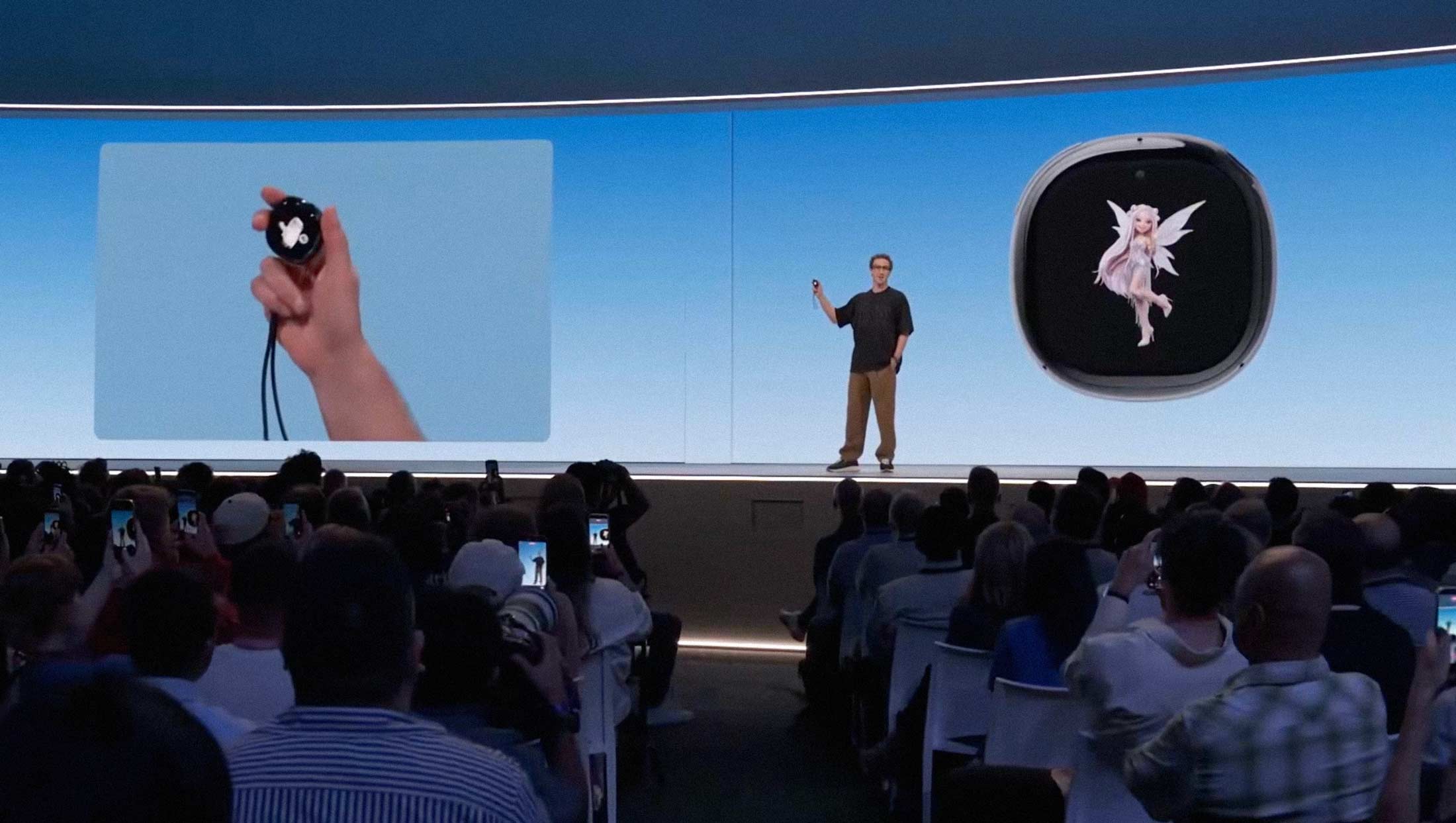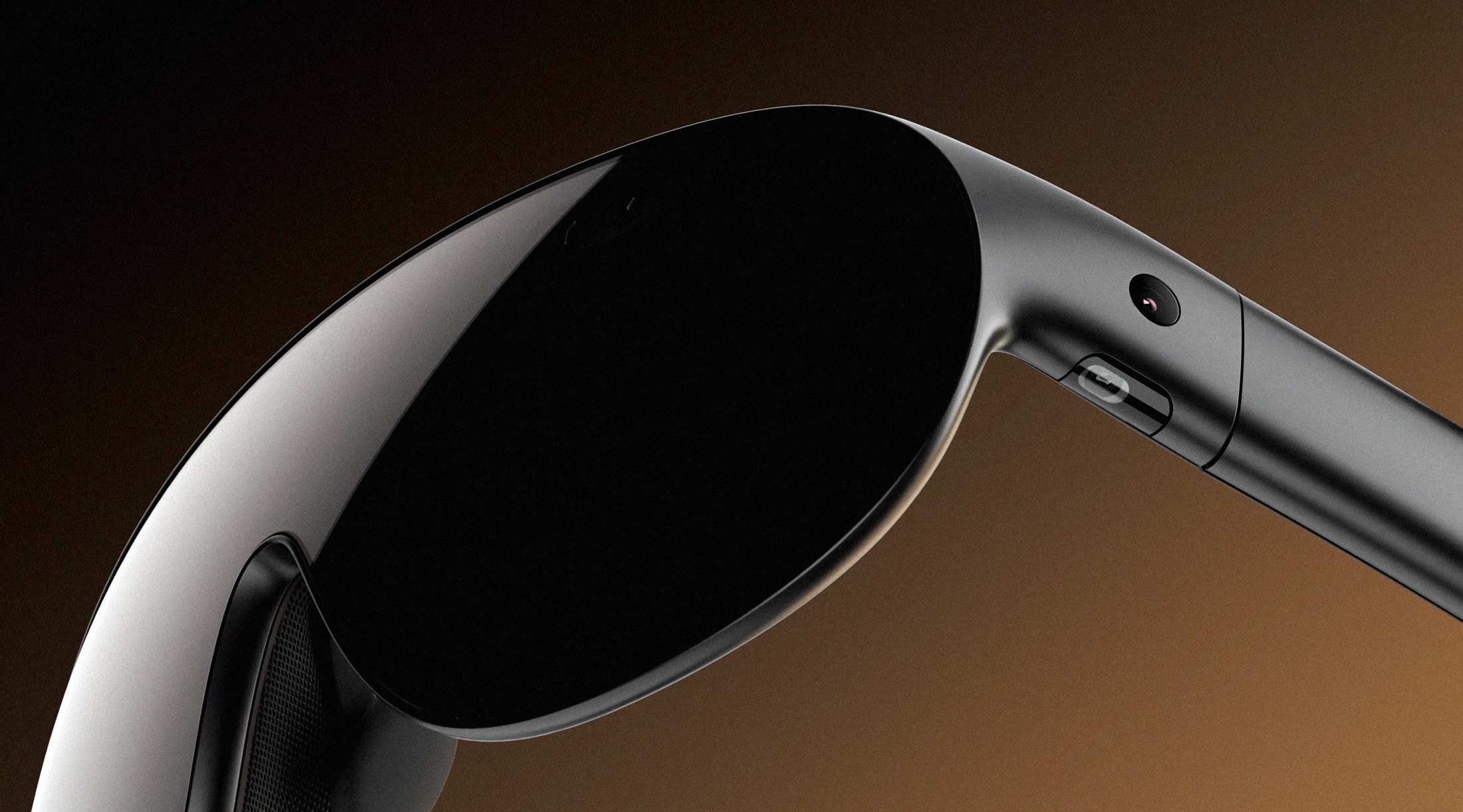
Midjourney, the company that made its name turning text prompts into AI-generated images, just announced something nobody had on their bingo card: a full-body ultrasonic scanner. The device, unveiled via livestream on June 17, marks the company's first hardware product and represents a dramatic departure from its core business.
The scanner uses technology licensed from Butterfly Network, which develops semiconductor-based ultrasound devices. Midjourney quietly signed a co-development and licensing agreement with Butterfly in November 2025, securing exclusive rights to its ultrasound-on-chip technology for a specified field of use. The deal involved a $15 million upfront payment, $10 million in annual licensing fees over a five-year term, and potential milestone payments up to $9 million.
Announcing a new division of Midjourney called "Midjourney Medical" pic.twitter.com/c14YcO6yaU
— Midjourney (@midjourney) June 18, 2026
The Technical Claims
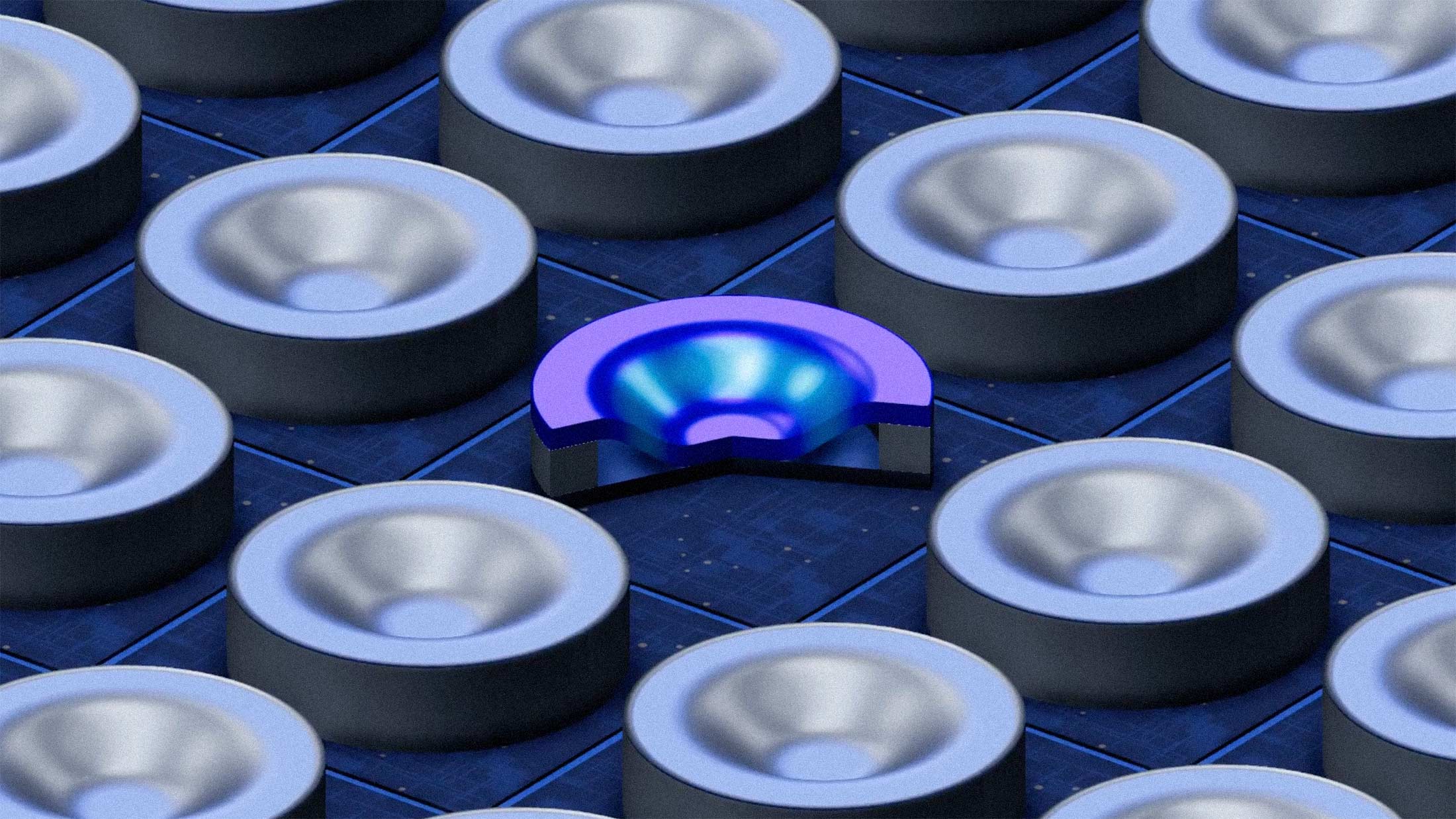
The specifications Midjourney is touting are ambitious. The device reportedly uses 8,960 individual transducers arranged in a ring configuration around the patient's body. The company claims the system processes 17 gigabytes of data per second, with each cross-sectional slice requiring 40GB of raw data to reconstruct. According to statements attributed to Midjourney, fewer than 12 of these machines could theoretically perform more full-body scans than every MRI machine on Earth combined.
The company's marketing framing positions this as medical imaging with spa-level accessibility. CEO David Holz described an initial prototype that is reportedly ten times cheaper and 60 times faster than a traditional MRI. Where MRI scans currently cost between $400 and $4,000 and take one to two hours, Midjourney claims its scanner could complete a full-body scan in approximately one minute at a cost of just a few dollars.
These claims remain unverified by independent parties. The resolution claims in particular warrant scrutiny. Midjourney has no track record in medical devices, and the gap between a prototype and a regulated, FDA-cleared medical device is considerable.
The Spa Play
Midjourney plans to deploy these scanners in a facility it's calling the Midjourney Spa, slated to open near Union Square in San Francisco by the end of 2027. The first location will reportedly house ten machines alongside hot tubs, saunas, and cold plunges. The company says the scanners produce no radiation, allowing patients to simply walk in and out.
This distribution model bypasses traditional medical device sales channels entirely. Rather than selling machines to hospitals or imaging centers, Midjourney appears to be building a consumer-facing brand around preventive diagnostics.
A technical dive inside our new "Midjourney Scanner" pic.twitter.com/wJBHz2O7ro
— Midjourney (@midjourney) June 18, 2026
Hardware Background
The pivot is less surprising when you consider Holz's background. Before founding Midjourney, he co-founded Leap Motion in 2010, where he served as CTO and developed optical hand-tracking technology for virtual and augmented reality applications. The company was later sold to Ultrahaptics (now Ultraleap) in 2019. Holz's experience building specialized sensing hardware gives this announcement more credibility than if it came from a pure software company.
In August 2024, Midjourney hired Ahmad Abbas, formerly a Hardware Engineering Manager on Apple's Vision Pro project, to lead its hardware division. The scanner project was internally nicknamed "Orb." According to the company, the hardware has been visible daily inside Midjourney's office for some time and represents a real, physical object rather than a conceptual announcement.
Midjourney says it's working on eight total projects: four software and four hardware. Two of the hardware projects are devices small enough to hold in your hands, while two are "giant awesome machines" like the scanner.
The Broader Hardware Turn
Midjourney's move fits a pattern emerging across the AI industry. OpenAI is aggressively building out its own robotics division, aiming to both program and manufacture physical machines. CEO Sam Altman confirmed in May 2026 that OpenAI's internal robotics team has evolved from its world simulation research program and is now focused on co-designing robotics hardware with machine learning research. The company's stated long-term goal is providing every person with a general-purpose personal robot.
OpenAI has also moved into consumer hardware through its acquisition of io Products, the startup linked to former Apple designer Jony Ive. Reports indicate OpenAI is developing an audio wearable called Sweetpea for September 2026, with an aggressive target of 40 to 50 million units in the first year.
The logic driving these moves is straightforward. Software can be copied. Hardware creates moats. When every competitor can access similar foundation models, the companies that control the physical interfaces to AI will hold structural advantages that pure software plays cannot replicate. For companies racing to deploy AI in the physical world, owning the hardware layer means controlling the data loop, the user experience, and the margin structure.
Whether a company best known for Discord-based image generation can successfully enter the heavily regulated medical device market remains an open question. The FDA's 510(k) clearance process, clinical validation requirements, and liability considerations are fundamentally different challenges than training diffusion models. But Midjourney has consistently done things its own way, launching via Discord when competitors built web apps and staying private while others raised nine-figure rounds. The scanner represents the same non-obvious thinking applied to a much higher-stakes domain.