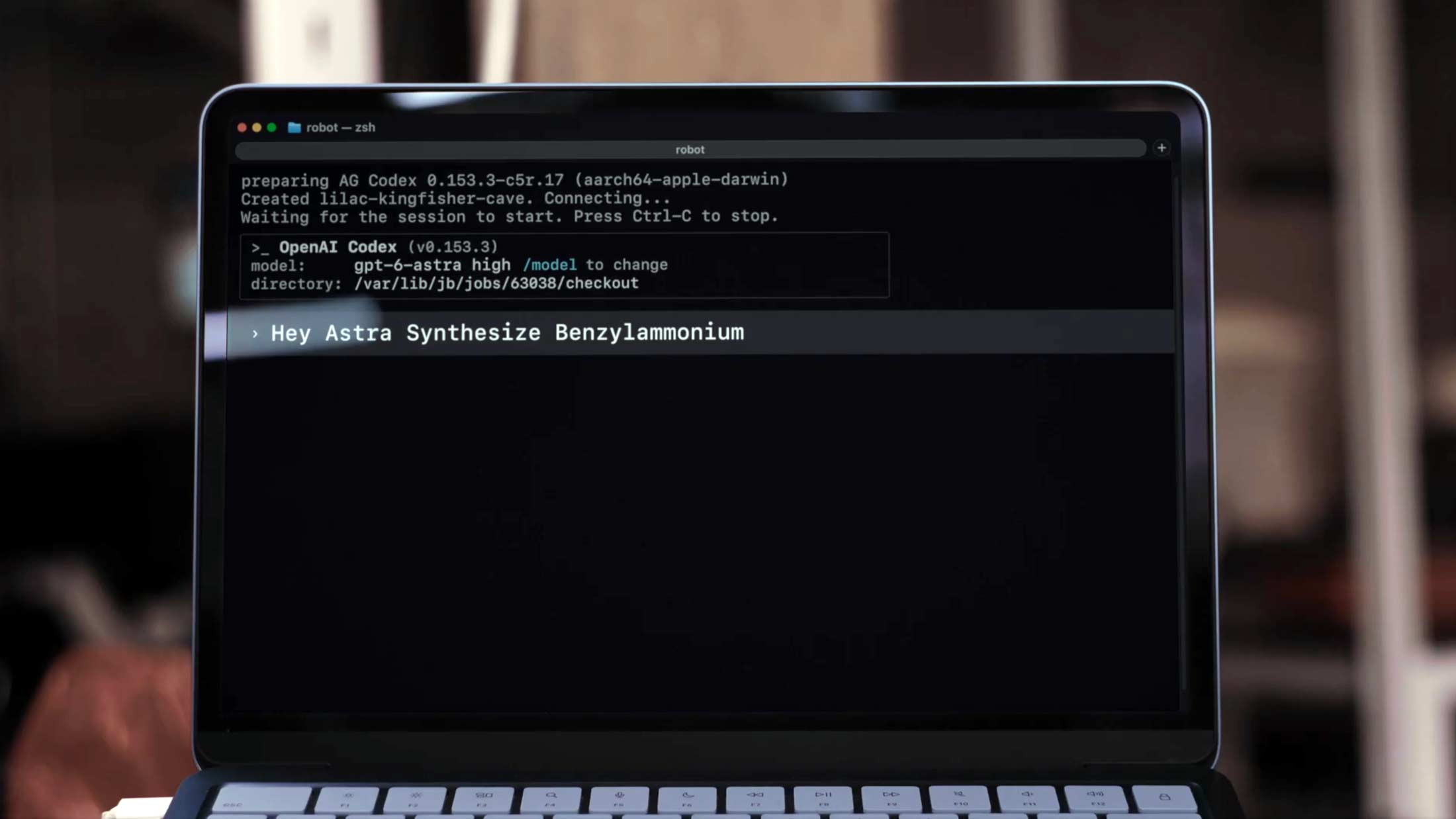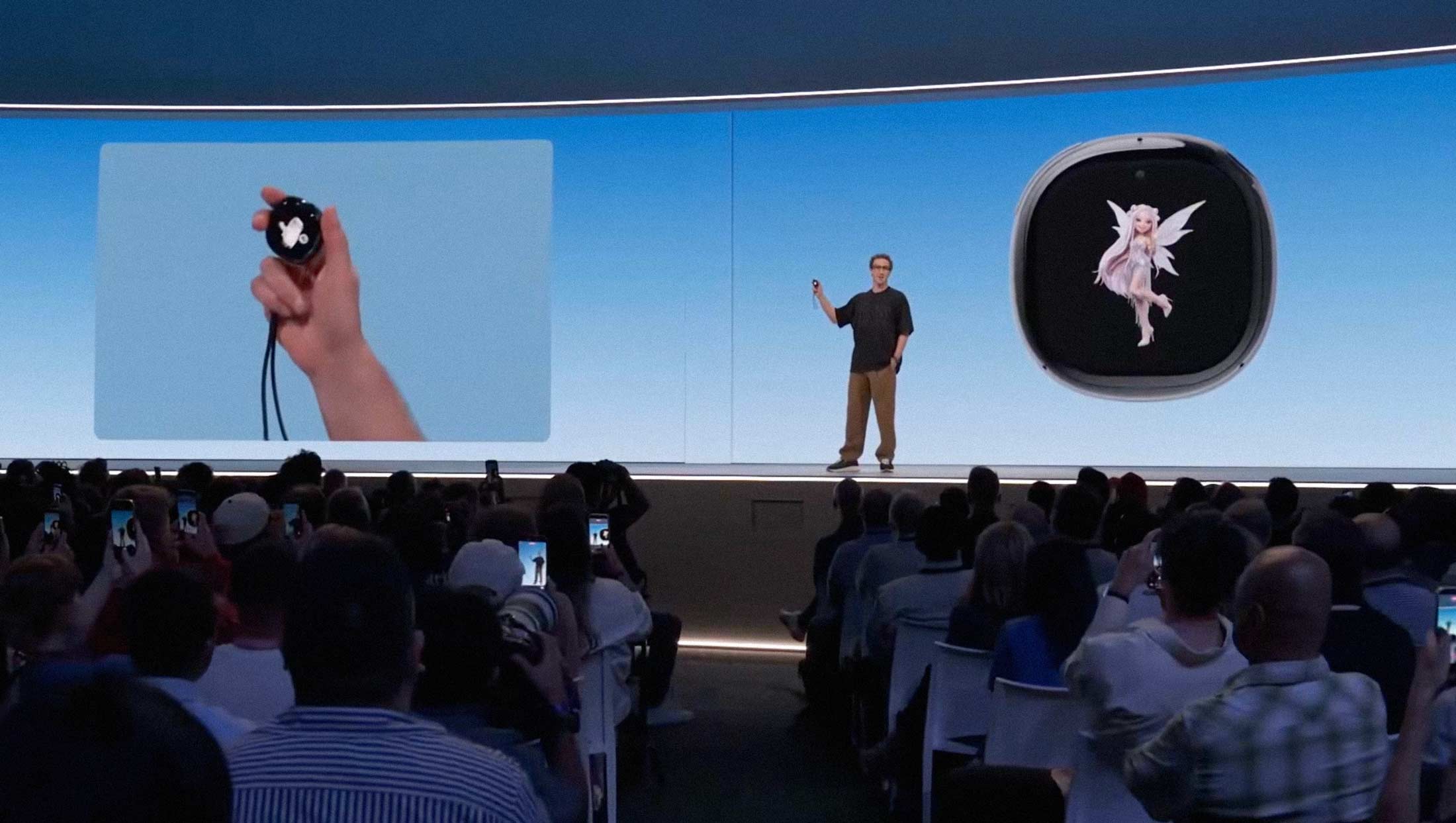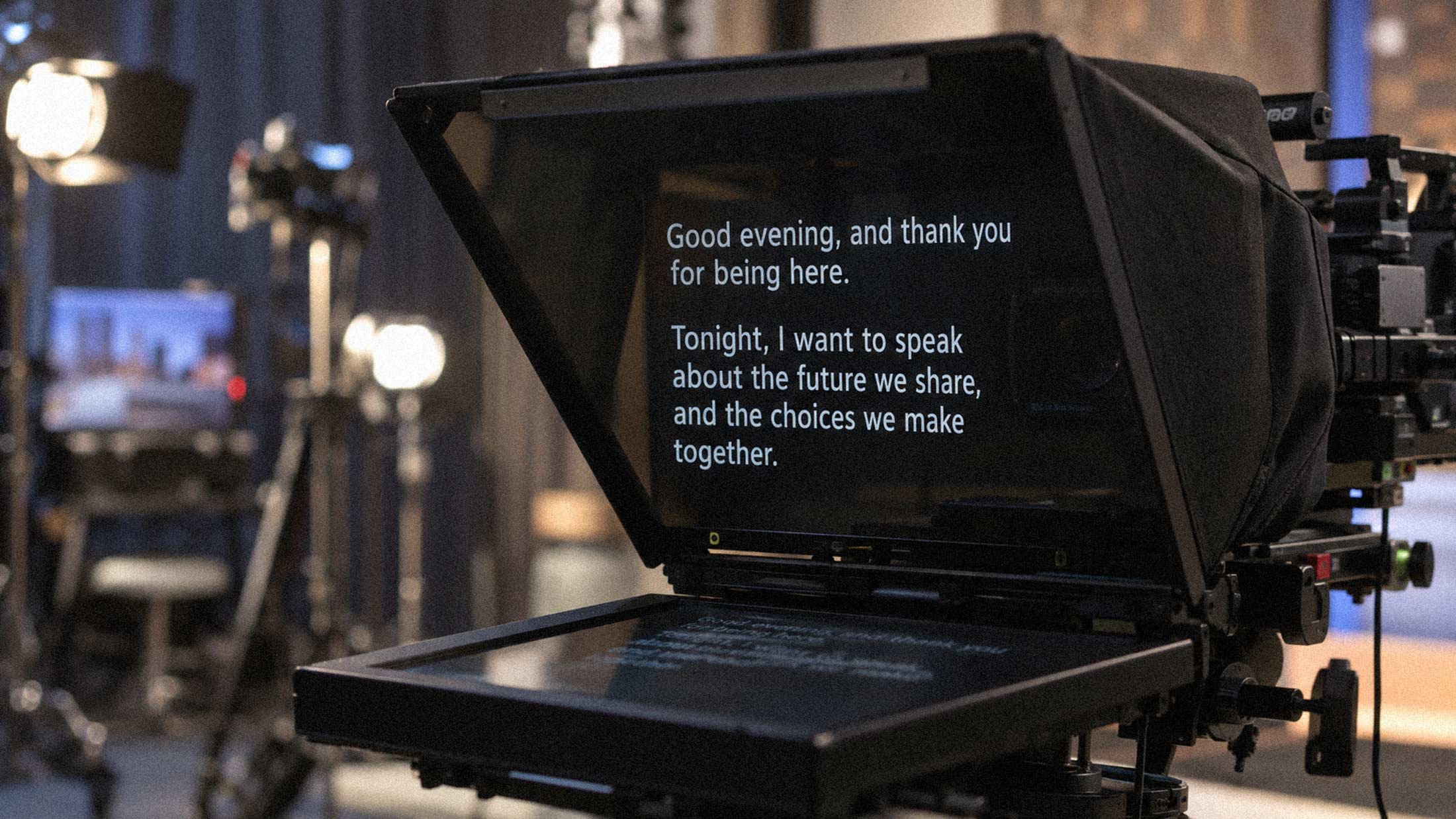
OpenAI announced GPT-5.6 Sol today, and the circumstances of its release tell you more about where AI is heading than any benchmark ever could.
The company's flagship model arrives not with a public rollout but with a limited preview restricted to a small group of vetted partners. The reason: the U.S. government asked OpenAI to stagger the release. According to Axios, this marks the first time Washington has preemptively asked an American AI company to restrict a model launch before it shipped.
The company framed the delay as a strategic concession. OpenAI plans to make Sol, along with two smaller models called Terra and Luna, generally available in the coming weeks. But for now, access is limited to partners whose participation has been shared with the government.
What Sol Actually Is
GPT-5.6 Sol is OpenAI's most capable model to date. It introduces a new "max" reasoning mode that gives the model extended time to work through complex problems, plus an "ultra" mode that deploys subagents for accelerated workflows. On Terminal-Bench 2.1, which tests command-line tasks requiring planning and tool coordination, Sol sets a new state of the art.
The cybersecurity capabilities are where things get interesting. OpenAI says Sol is competitive with Anthropic's Mythos Preview on ExploitBench while using roughly one-third of the output tokens. The model can identify bugs and exploitation primitives in browser codebases like Chromium and Firefox, though it did not autonomously produce a full-chain exploit in testing. OpenAI rates it below their "Cyber Critical" threshold.
Pricing matches GPT-5.5: $5 per million input tokens, $30 per million output tokens.
The Fable Precedent
OpenAI's gated release follows a far more dramatic intervention two weeks ago. The Commerce Department ordered Anthropic to suspend all access to its Fable 5 and Mythos 5 models by any foreign national, including Anthropic's own non-citizen employees. The company had no practical way to segment users on short notice, so it shut down both models for everyone.
Anthropic disputed the basis for the action, saying the government cited a narrow jailbreak that could elicit similar capabilities from other publicly available models. The company called it a misunderstanding and noted that if this standard applied industry-wide, it would "essentially halt all new model deployments."
That prediction now looks prescient. OpenAI is voluntarily doing what Anthropic had forced upon it, albeit with more notice and less disruption.
The New Framework
Both events flow from President Trump's June 2 executive order titled "Promoting Advanced Artificial Intelligence Innovation and Security." The order asks frontier AI developers to voluntarily provide models to the government up to 30 days before public release. It explicitly bars mandatory licensing or preclearance requirements. An earlier draft had called for 90 days. David Sacks, the former AI czar, reportedly pushed for the shorter window and voluntary framework.
OpenAI's announcement included an unusual editorial note: "We don't believe this kind of government access process should become the long-term default. It keeps the best tools from users, developers, enterprises, cyber defenders, and global partners who need them."
The company said it is cooperating now because it believes doing so is the strongest path to broader availability while the administration develops a repeatable framework for future releases.
What Comes Next
The voluntary review mechanism creates a de facto gatekeeping structure without the legal architecture of a formal licensing regime. Models that clear the 30-day window get released. Models that don't may face export control actions like the one that hit Anthropic.
For users, the practical effect is a bureaucratic delay on access to the most capable systems. For developers building on frontier models, it introduces a new category of platform risk: the model you depend on could be pulled at any time if Washington decides it has become too capable or too vulnerable.
OpenAI expects to release Sol broadly within weeks. Whether that timeline holds depends on factors the company no longer fully controls.