Ring first showed a flying indoor security camera in September 2020. The company said it would ship in 2021. That did not happen.
On Tuesday, Amazon's home security division announced Ring Robotics, a new product line it describes as autonomous, mobile security.
What Took So Long
The original product, called the Always Home Cam, went through an invitation-only phase in 2021 that never became a general launch. Forums filled with customers who signed up and heard nothing. A Ring representative reportedly confirmed to one user that the company had stopped moving forward with the device at some point in 2022. CEO Jamie Siminoff said at a media briefing this week that previous versions "simply weren't good enough to launch to the public."
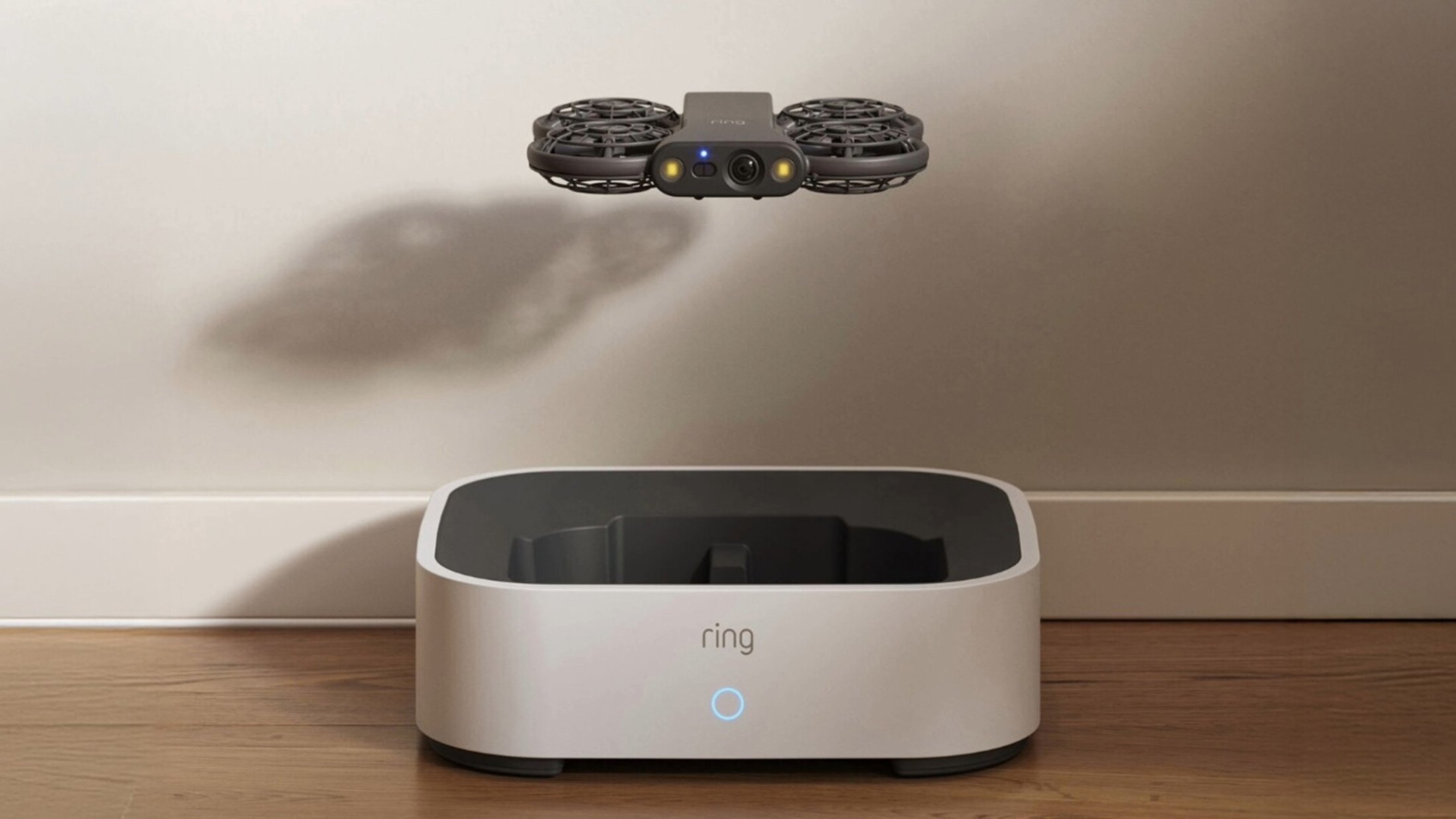
The Drone Cam shipping in January bears little resemblance to the 2020 prototype. Ring abandoned two internal designs before settling on the current hardware, according to Bloomberg. The company stripped nearly all processing from the drone itself and moved it to the cloud, a system Ring calls AI Pilot. Siminoff said the only intelligence left onboard is "just enough to land."
The result is a 165-gram quadcopter, lighter than many smartphones. It carries a 2K front camera, a 1080p underside camera, and LEDs for illumination. Field of view is 148 degrees, and the camera can rotate 360 degrees. Flight time runs between five and ten minutes depending on altitude and path complexity. Charging takes 40 to 60 minutes, though Ring says eight minutes of dock time is enough for about a minute of flight.
How It Works
Owners carry the drone through their home during initial setup. AI Pilot builds a floor plan, suggests patrol points, and then the device operates on schedules, on demand, or automatically when a connected Ring sensor, doorbell, or alarm is triggered. Users can tap a location on a map in the Ring app or the new Alexa Home Map, and the drone charts its own route.
The drone stays docked with its camera off until activated. Siminoff framed this as a privacy feature, contrasting it with always-on indoor cameras. "If someone is going around your house at night, and your motion detector goes off on your Ring doorbell, imagine if you see spotlights and something flying across the window," he said at the demo. The deterrent value may matter more than any footage captured.
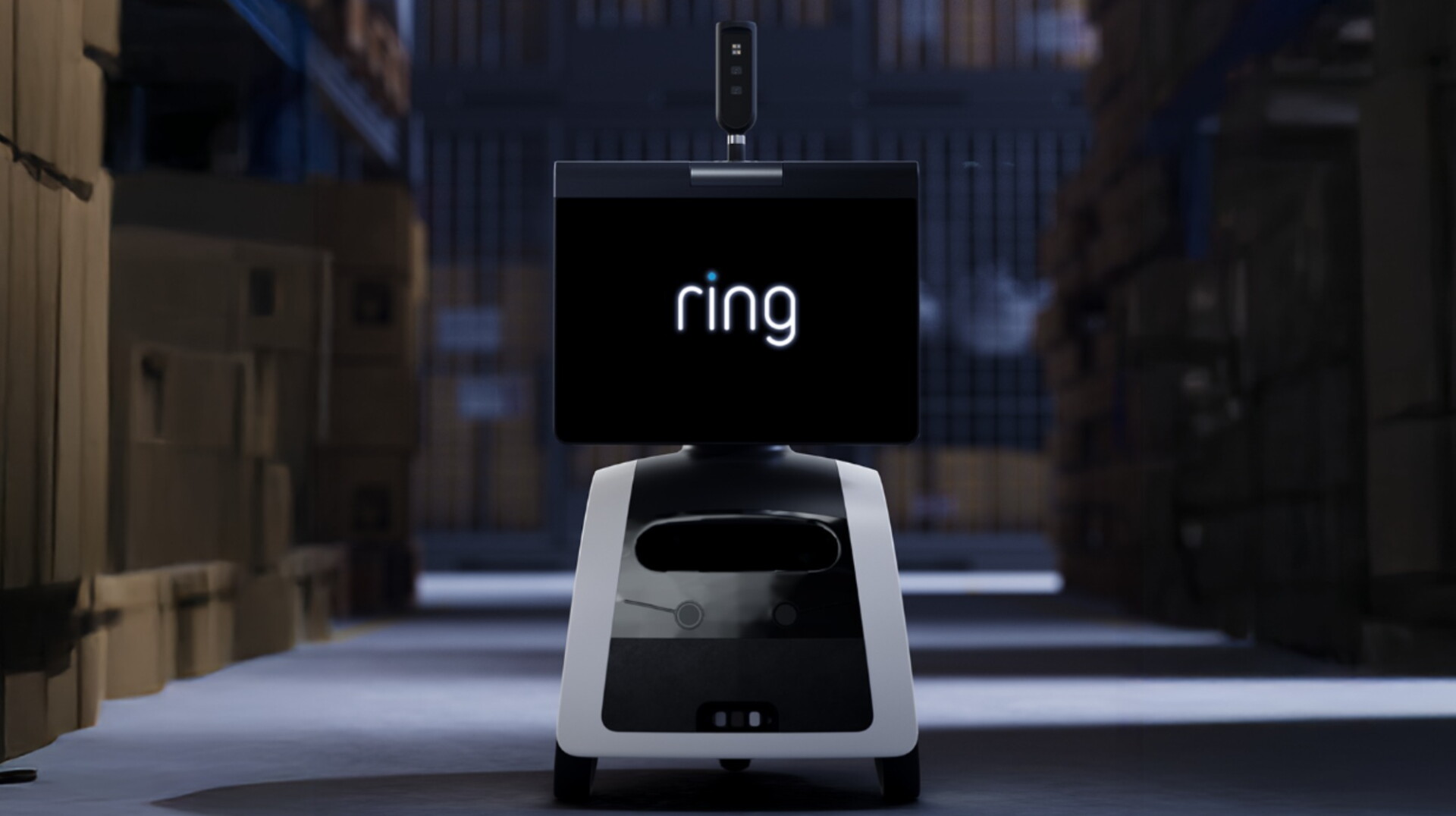
Ring also announced the Ring Rover Cam, a $999.99 ground robot for businesses. It borrows heavily from Amazon Astro, the home robot Amazon unveiled in 2021 to limited interest. Ring says it took customer feedback about Astro's roving security feature and built something more focused. The Rover has a periscope camera that extends to about four feet, letting it see over shelves and counters. It can patrol for 30 minutes before returning to its dock.
Privacy Questions Return
Ring's history on privacy is mixed. The company shut down its Request for Assistance program in 2024 after years of criticism over police access to user footage. It had also settled with the FTC for $5.8 million in 2023 over allegations that employees viewed customer videos without authorization. Then in September 2025, Ring quietly reintroduced a similar program called Community Requests, once again allowing police to solicit footage through the Neighbors app.
A flying indoor camera raises new questions. The company says the Drone Cam is deliberately loud. "It's loud — we think that's a feature," Siminoff told TechRadar. "This thing is not gonna sneak up on you." The design prevents the kind of covert recording that made critics nervous about indoor cameras.
Whether consumers trust Ring enough to buy a device that flies through their bedrooms and living rooms is a separate matter. Competitors in the indoor security drone space remain scarce. Indoor Robotics makes a ceiling-docking unit aimed at commercial environments, but the consumer market has been largely untested.
Pre-orders for the Ring Drone Cam open in January. Ring has not announced pricing or timing for other markets.