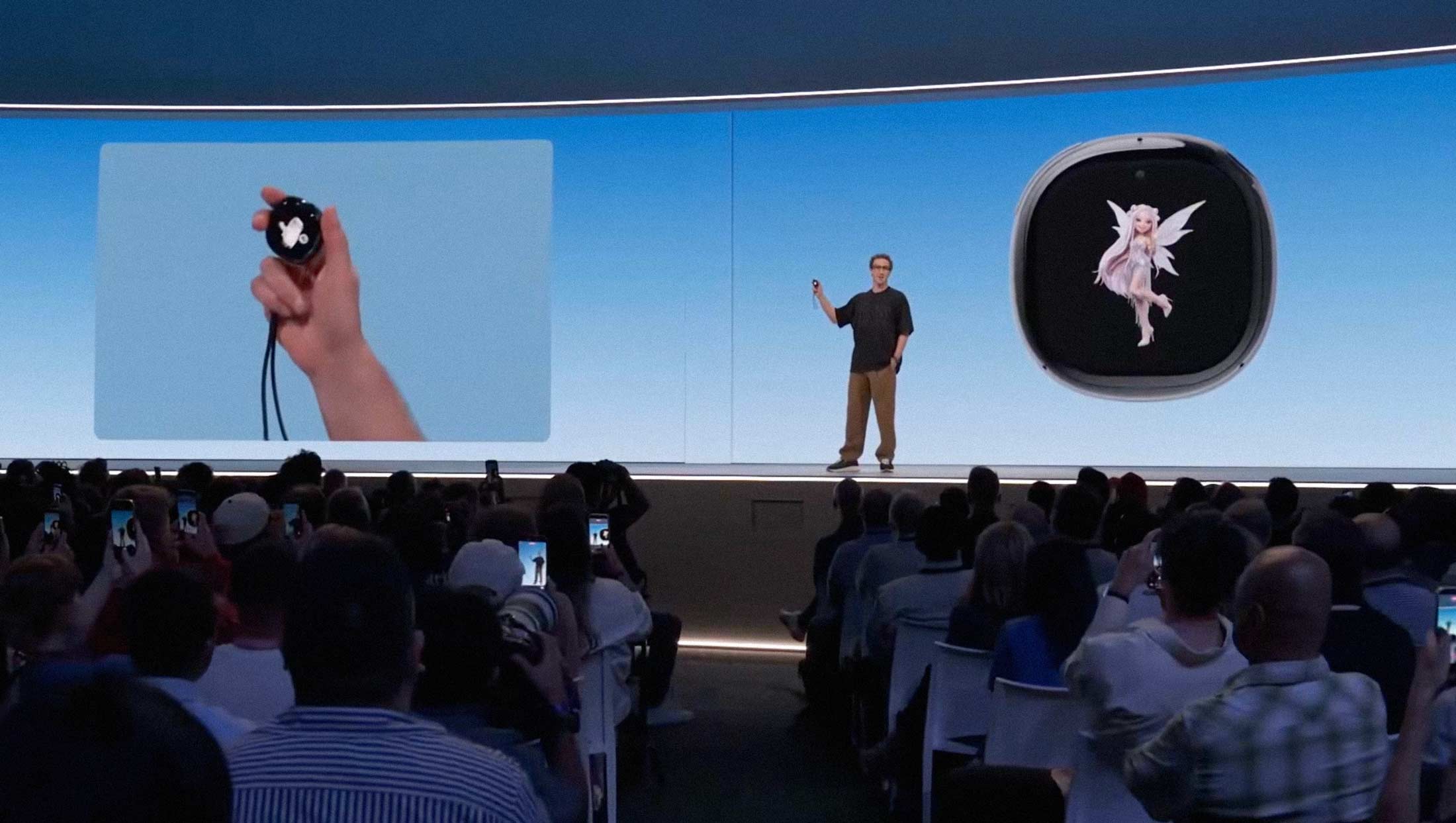
Snap has spent a decade and billions of dollars chasing a single bet: that augmented reality glasses will eventually replace smartphones. On Tuesday at Augmented World Expo in Long Beach, California, the company finally showed its hand.
Specs, the sixth-generation AR glasses from Snap's dedicated XR subsidiary Specs Inc., are now available for preorder at $2,195 with a $200 refundable deposit. Units ship this fall to the United States, United Kingdom, and France.
"SPECS are the beginning of a new era in computing," CEO Evan Spiegel said during his keynote. "For decades, computers have asked us to look down, sit still, or step out of the moment. SPECS bring computing into the world around us where we live, work, learn, create, and connect."
The Hardware
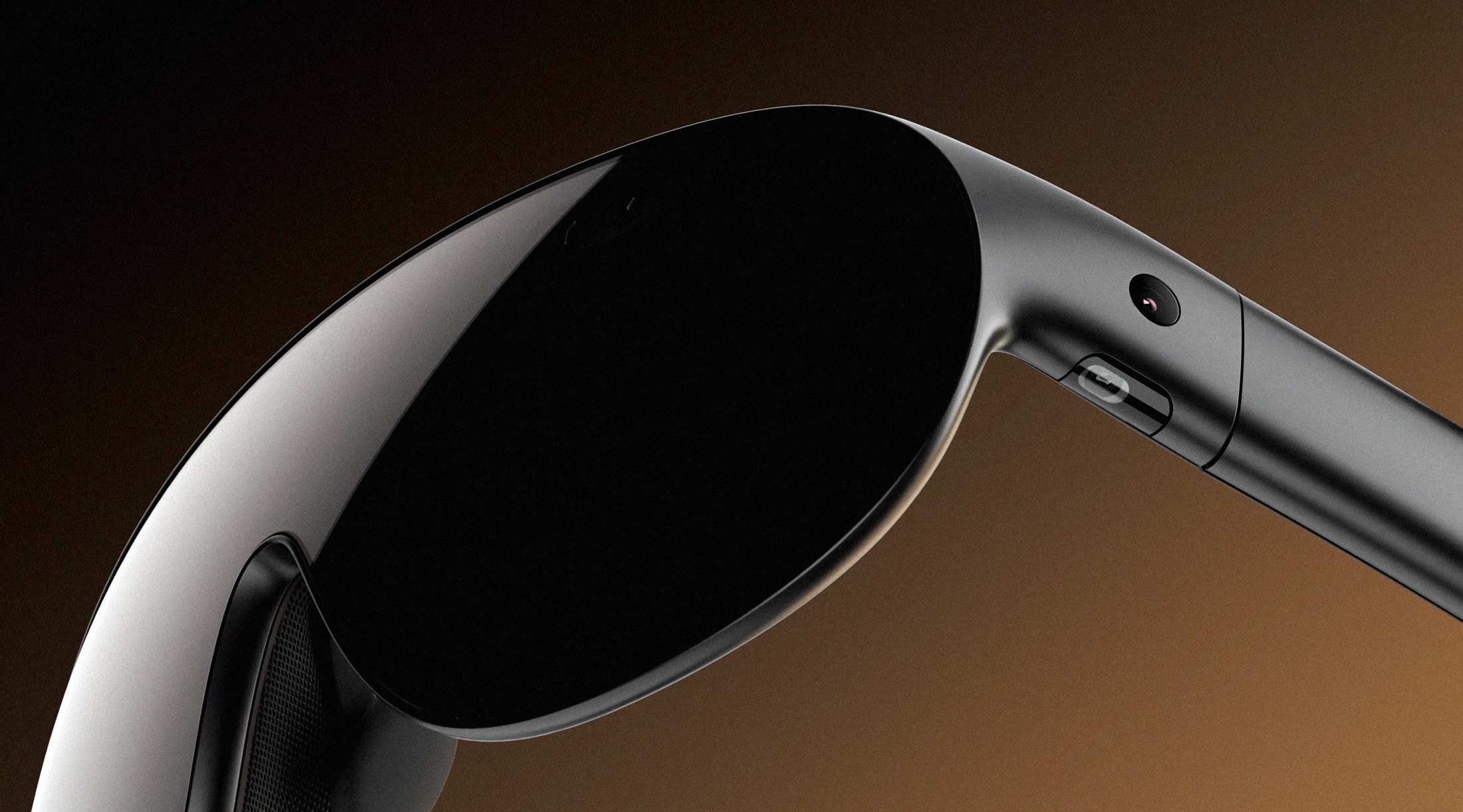
The consumer Specs represent a substantial leap from the developer-focused Spectacles released in 2024. The new glasses weigh 132 grams in the smaller 47mm frame size and 136 grams in the larger 52mm version. For context, that previous developer kit weighed 226 grams. Still heavier than Ray-Ban Meta glasses at around 50 grams, but light enough that hands-on impressions describe them as looking like chunky regular glasses rather than obvious tech hardware.
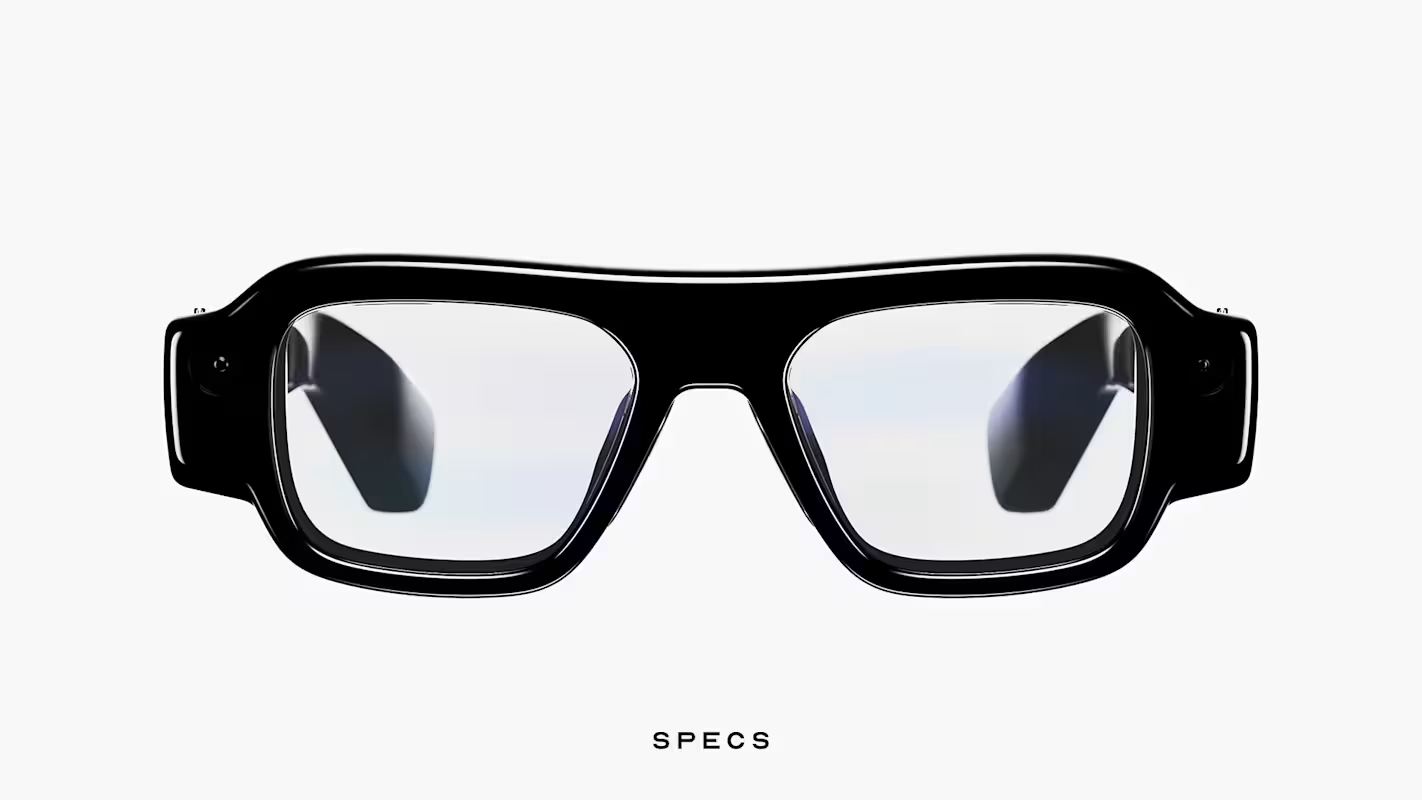
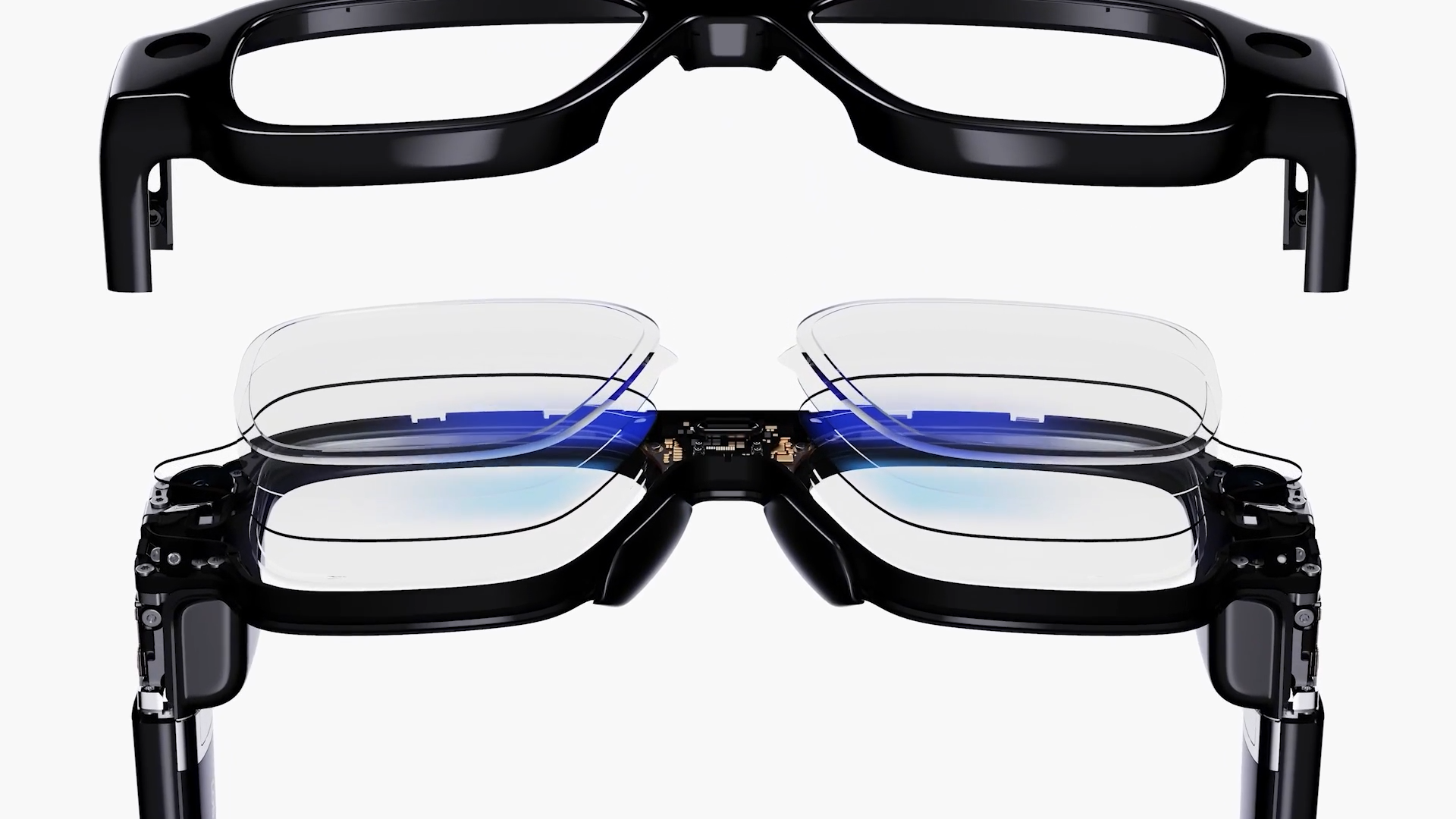
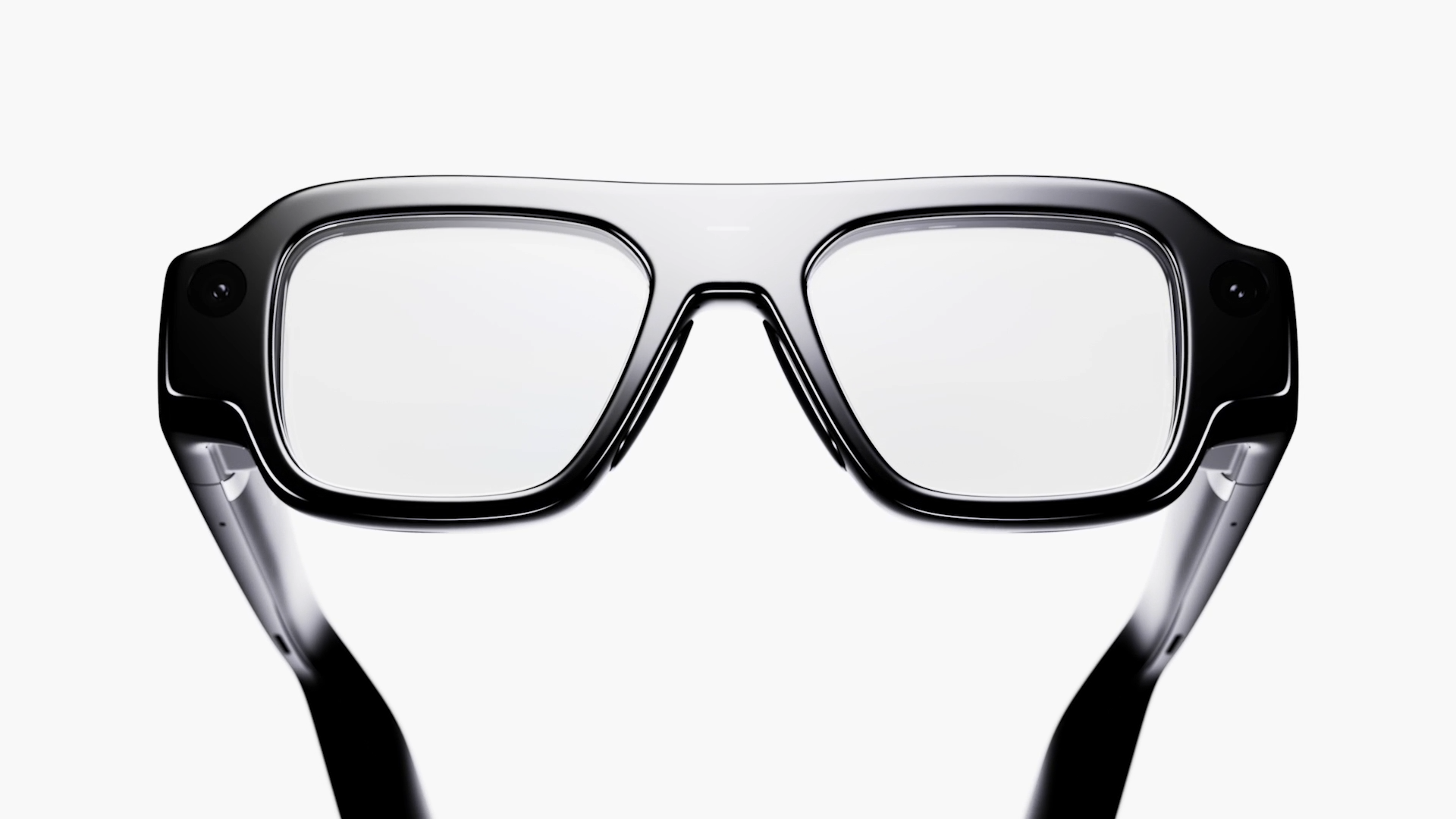
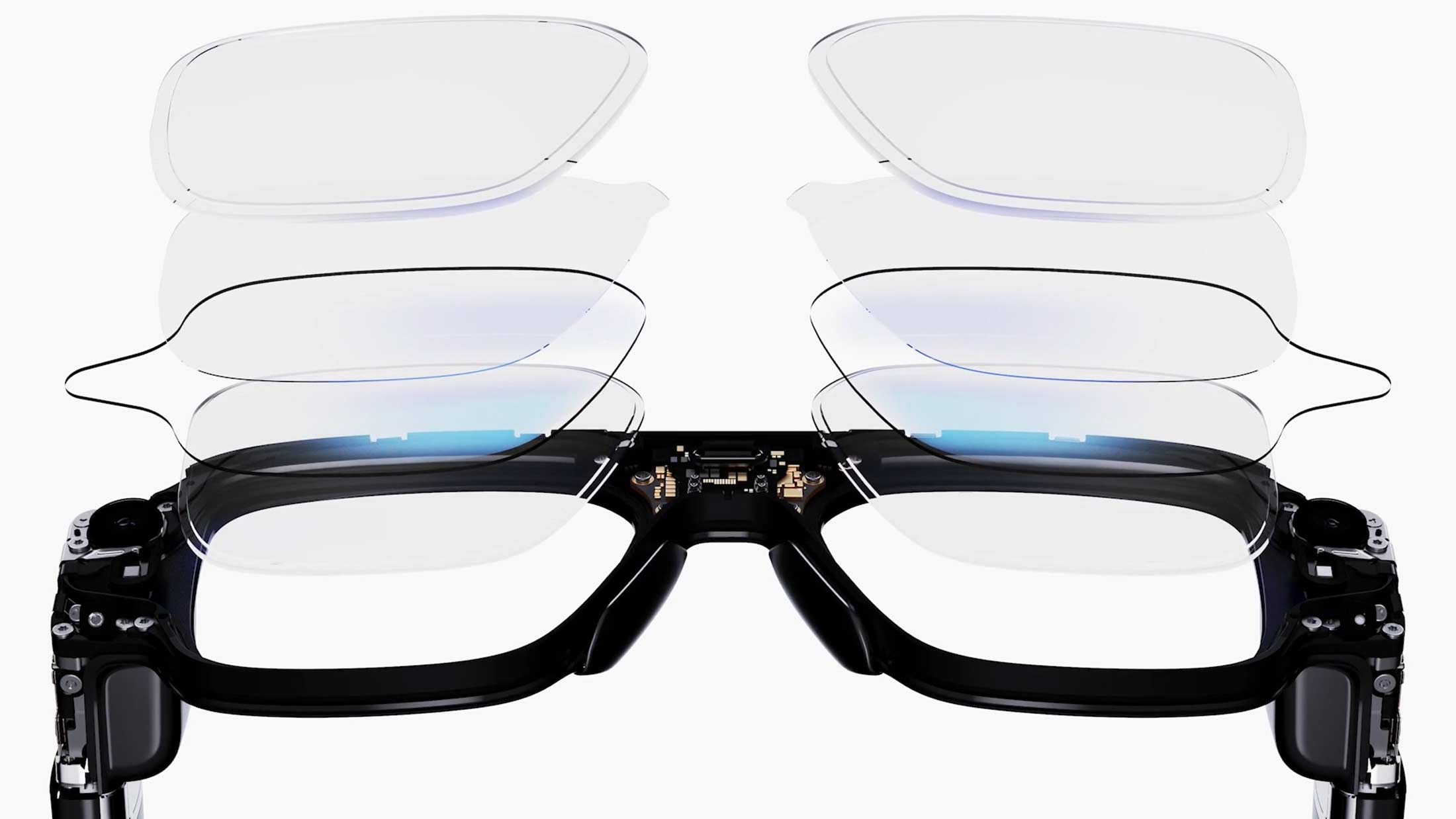
Snap built the display system around proprietary liquid crystal on silicon technology, delivering a 51-degree diagonal field of view and 16 million colors. The company says this translates to something like a 24-inch desktop monitor for work tasks or a 115-inch cinema screen at ten feet when watching video. That 51-degree FOV represents a 30% larger display area than the 46-degree FOV in the 2024 developer version.
The waveguides use billions of nanostructures to guide light into the wearer's field of view. Snap claims more than 10,000 of these structures can fit on the tip of a single hair. Electrochromic lenses shift from clear to tinted in about 10 seconds depending on lighting conditions. The same technology appears in Boeing 787 Dreamliner windows.
Two Qualcomm Snapdragon processors handle the workload, with one dedicated to computer vision tasks like hand tracking and the other running AR experiences, which Snap calls Lenses. The dual-chip architecture enables 7-millisecond motion-to-photon latency, a figure Snap says was verified through robotic measurement systems. That latency matters because it determines whether digital objects feel anchored to the real world or laggy and disorienting.
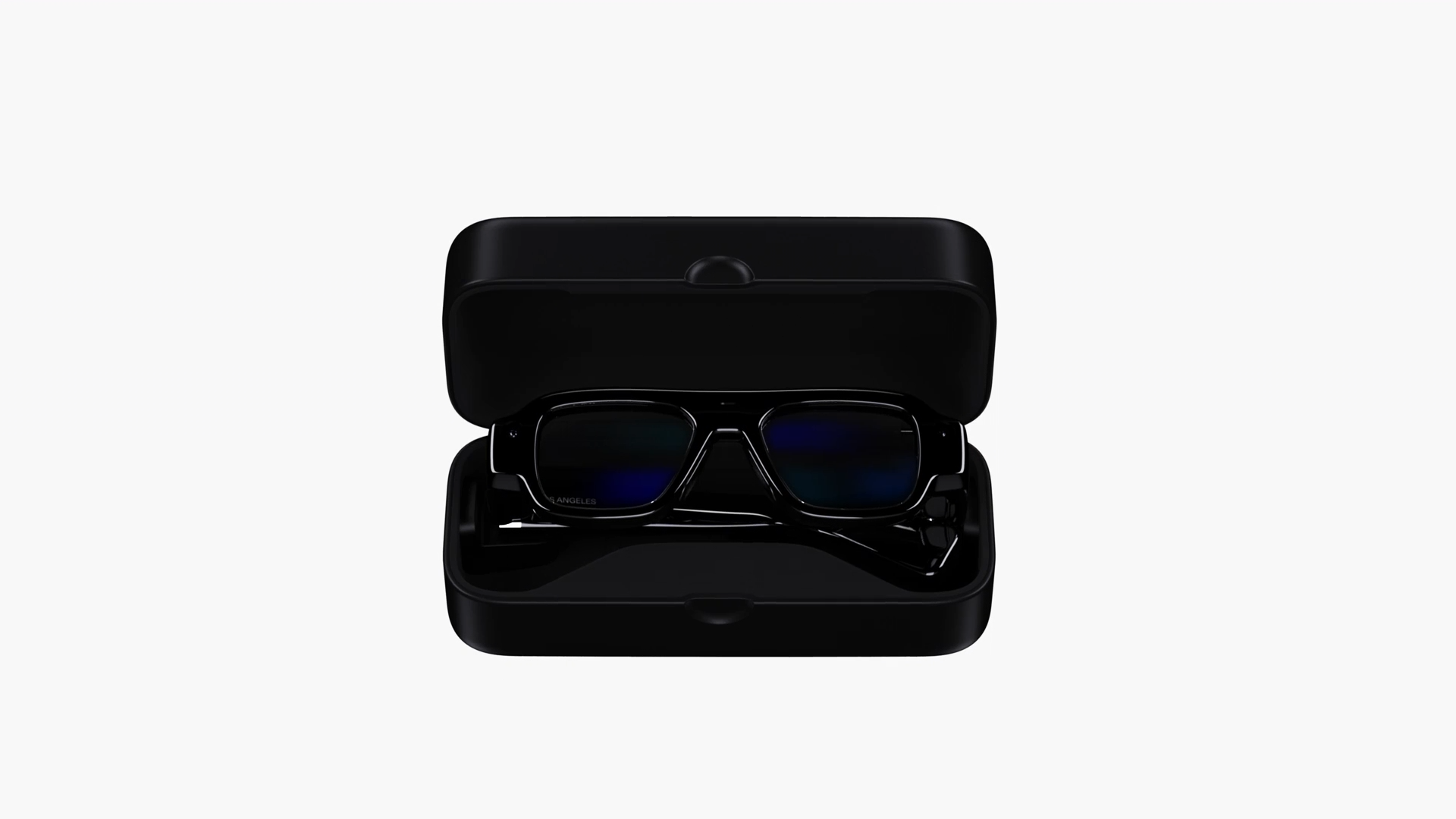
Battery life hits approximately four hours of mixed use, a major improvement from the 45-minute runtime on the developer glasses. The included charging case extends that to 20 hours total. Users can also connect a power cable for extended sessions and to use Specs as a laptop display.
How It Compares
The competitive landscape for true AR glasses remains sparse. Meta's Orion prototype offers a wider 70-degree field of view at roughly 100 grams, but it requires an external compute puck and wristband. More importantly, Orion remains a prototype with reported manufacturing costs around $10,000 per unit. Meta's consumer AR glasses under the codename Artemis aren't expected until 2027.
Ray-Ban Meta glasses, at around $300, offer cameras and audio but no display overlay. The Meta Ray-Ban Display adds a small 20-degree monocular display at 69 grams but functions as a heads-up display rather than a spatial computing platform. Display glasses like Xreal and Viture heavily darken the view and sit too far from the face for everyday wear.
Samsung's Galaxy Glasses launching in 2026 will also lack displays, competing more directly with Ray-Ban than with Specs. Apple's AR glasses reportedly arrive late 2027 at an unconfirmed price point. For spatial AR that places digital objects in the physical world without tethers or pucks, Specs is currently the only consumer option shipping this year.
The Software and Developer Angle
Snap's Lens ecosystem gives it a meaningful head start. Four million Lenses already exist, and the company says they'll run on Specs at launch. Use cases demonstrated include maps and directions, real-time language translation, gesture controls, contextual assistance with tasks like car repair, cooking timers, and furniture measurements.
For developers, Snap announced integrations with AI coding tools including Anthropic's Claude Code, OpenAI's Codex, and Cursor. A new Native Development Kit lets developers bring C and C++ code into Lenses for advanced spatial mapping, physics, audio, and navigation. Snap OS itself now includes integrations with OpenAI and Google's Gemini for multimodal AI capabilities.
Hand tracking supports multiple interaction modes: ray-based pointing, direct pinch, and direct poke. Voice commands work as well. The combination of inputs without requiring a phone or controller represents a different interaction model than most smart glasses currently available.
The Market Reality
At $2,195, Specs cost more than 15 times what Snap charged for its original $130 camera-only Spectacles in 2016. Those never became a hit. The question now is whether a decade of R&D;, billions in investment, and first-mover advantage in consumer spatial AR translates into actual sales.
Spiegel framed the pitch around smartphone fatigue. "Almost 20 years since the launch of the iPhone, people are ready to think about computing differently," he told CNBC. On privacy, the glasses include an LED indicator that lights up during recording and prioritize on-device processing. Parenting tools for sharing Specs with teenagers are planned for later this year.
The honest assessment: this is expensive hardware for an unproven category, from a company whose previous glasses products underperformed. But Snap beat Meta, Apple, and Google to market with a genuine spatial computing device in a wearable form factor. Whether that matters depends entirely on what developers build and whether four hours of AI-powered AR convinces early adopters that the future arrived ahead of schedule.