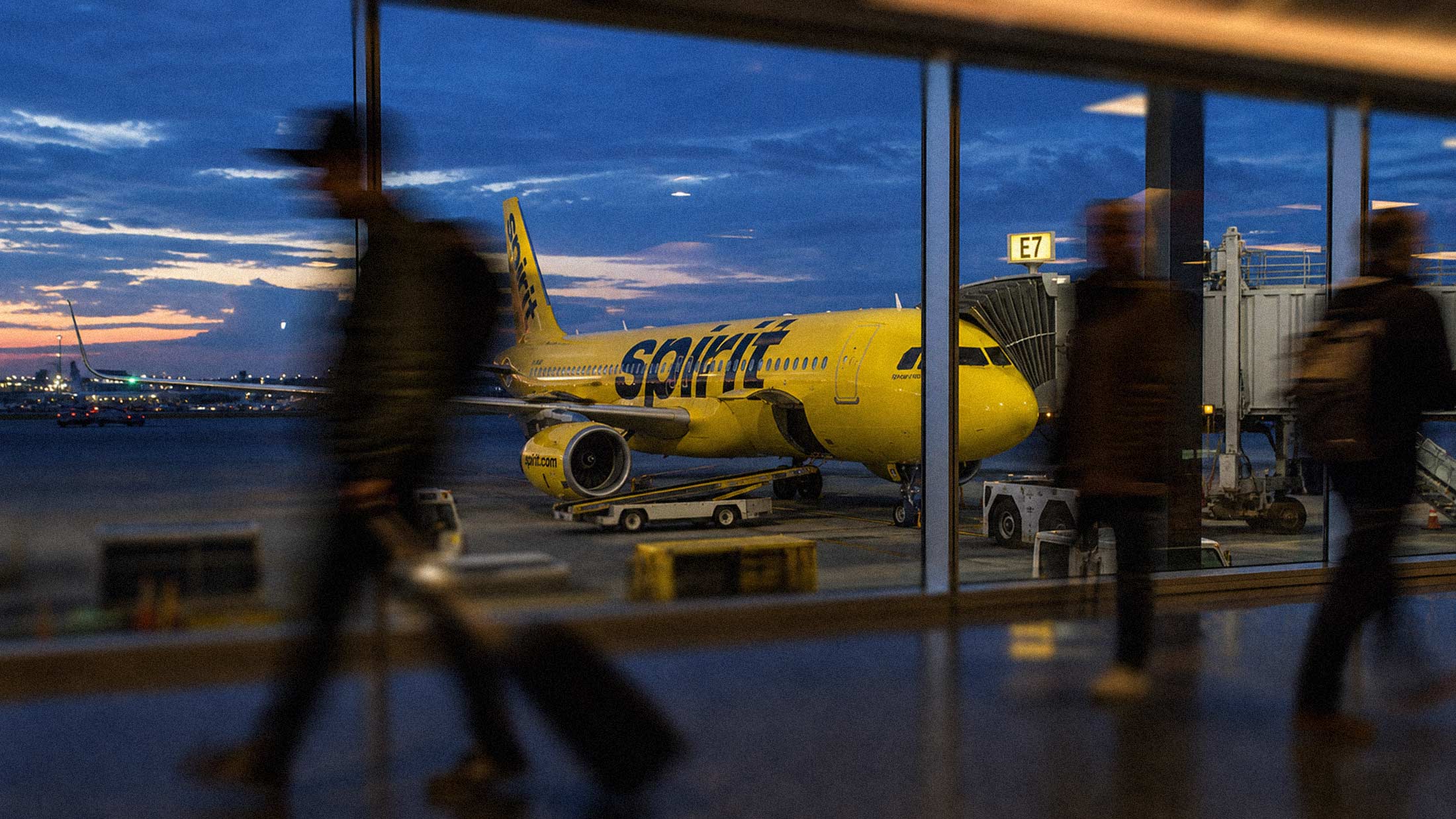
Spirit Airlines is gone. The ultra-low-cost carrier ceased operations at 3:00 AM Eastern on Saturday, May 2, 2026, ending 34 years of budget flying and putting 17,000 workers out of jobs. The shutdown makes Spirit the first major U.S. airline to liquidate in roughly 25 years.
The collapse came after last-ditch negotiations with the Trump administration failed to produce a workable bailout. Spirit had sought a $500 million federal rescue package that would have given the government up to a 90% stake in the airline. But a key group of bondholders rejected the terms, unwilling to accept a deal that would put taxpayers ahead of them in the priority queue for the carrier's remaining assets.
Fuel Prices Sealed the Fate
Spirit's problems predated the current crisis, but the Iran war killed its last hope. Jet fuel prices have nearly doubled since the conflict began on February 28, when the U.S. and Israel launched attacks on Iran. Spirit's restructuring plan had assumed jet fuel at about $2.24 per gallon. The actual price spiked to roughly $4.51 per gallon. That difference alone added an estimated $360 million in additional costs to Spirit's projections.
The airline had filed for bankruptcy twice since 2024 and lost $2.76 billion in 2025. The Trump administration floated the bailout idea, but it sparked backlash from Republicans in Congress and from the airline industry itself. United CEO Scott Kirby publicly dismissed the idea, telling analysts that Spirit's business model was "fundamentally flawed" even before fuel prices spiked.
What Happens to Cheap Flights
The short answer: they get more expensive. Historical data analyzed by CBS News shows that average fares jump about 23% when Spirit exits a route. Now multiply that across Spirit's entire network heading into peak summer travel, and the picture is bleak for budget travelers.
Fort Lauderdale loses its largest carrier. Spirit held nearly 29% of passenger capacity at that airport. Detroit, Las Vegas, Orlando, and Newark will also feel significant impacts. These were Spirit's highest-volume markets, and legacy carriers have no incentive to replicate Spirit's bare-bones pricing.
The remaining ultra-low-cost carriers are stepping in, but not fast enough to matter this summer. Frontier, Avelo, Breeze, and Allegiant have all announced rescue fares and promotions for stranded Spirit passengers. JetBlue is offering $99 one-way fares on overlapping routes. But industry analysts say meaningful route expansion from these carriers is unlikely before the fall. Summer schedules are already set. The realistic timeline for backfilling Spirit's capacity is three to six months.
A Broader Warning Sign
Spirit's collapse is the most visible casualty of the ongoing fuel crisis, but the pressure extends across the industry. The Association of Value Airlines, representing Allegiant, Avelo, Frontier, and Sun Country, recently asked the administration for $2.5 billion in relief. Lufthansa has cut 20,000 flights from its schedule. U.S. carriers are trimming unprofitable routes and passing costs to passengers through higher fares and baggage fees.
Transportation Secretary Sean Duffy said Saturday that major carriers have agreed to cap fares for Spirit passengers needing immediate rebooking. Prices on those rescue routes are expected to land around $200 one-way. That is more affordable than walk-up fares, but it is not Spirit pricing.
Spirit will automatically refund passengers who booked with credit or debit cards. Those who paid with vouchers, credits, or Free Spirit points face an uncertain path through bankruptcy court. The airline's restructuring website advises affected travelers not to come to the airport and directs them to the bankruptcy claims process.
Consumer advocates have warned for years that consolidation would hurt travelers. Four legacy carriers now control roughly 80% of U.S. flights. Spirit, for all its jokes and complaints, exerted downward pressure on fares even on routes it never flew. That pressure is now gone. According to the American Economic Liberties Project, "everyone will be paying more."