We may earn a commission if you buy through links on this page. It never affects our coverage. Prices are as reported at publication and may have changed. As an Amazon Associate we earn from qualifying purchases.
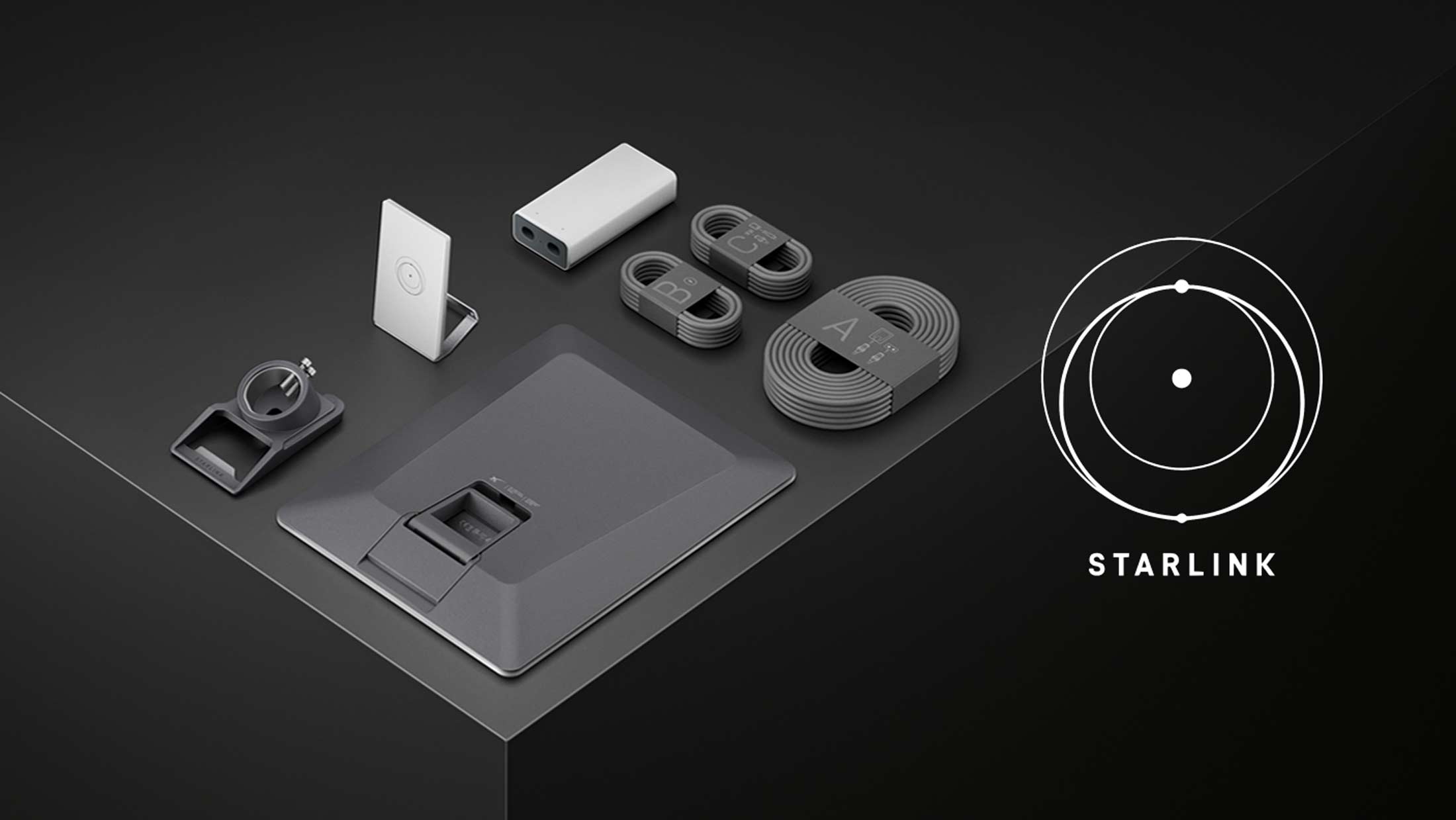
SpaceX has quietly updated its consumer Starlink hardware with a new fifth-generation terminal, according to specifications now listed on the company's website. The Starlink V5 Standard Kit represents the most significant efficiency overhaul since the removal of motorized dish orienting in late 2023, with power consumption dropping sharply and wind resistance climbing to levels previously reserved for premium maritime hardware.
Power Consumption: The Headline Number
The new V5 terminal draws an average of 35 to 50 watts during operation. That's a substantial improvement over the outgoing Standard V4, which SpaceX rated at 75 to 100 watts average. For off-grid users and RV operators running on battery systems, this change is material. A 50-watt average means roughly 1.2 kWh daily consumption rather than nearly 2 kWh for the V4. Over a month, that's the difference between comfortably running on a 200-watt solar array versus needing 400 watts or more to maintain continuous operation.
The previous generation's power overhead was a persistent point of friction for nomadic users. Forum discussions have consistently ranked energy efficiency as one of Starlink's weak points compared to the compact Mini, which consumes 20 to 40 watts. The V5 closes much of that gap while retaining the larger antenna's superior throughput and coverage area.
Wind Rating: Designed for Extremes
SpaceX lists the V5 as operational at wind speeds up to 265 kph (165 mph). The V4 carried a rating of 96 kph (60 mph) or greater. That's a 175% increase in certified wind tolerance, putting the consumer-grade Standard kit in the same territory as the Performance dish, which SpaceX has marketed for maritime and enterprise deployment with wind ratings of 270+ kph.
For users in hurricane-prone regions, this specification matters. A Category 5 hurricane produces sustained winds above 157 mph. The V5 is rated to survive those conditions when properly mounted.
Physical Changes
The dish itself is slightly lighter. SpaceX lists the V5 dish weight at 1.1 kg (2.4 lbs), compared to 2.9 kg (6.4 lbs) for the V4 antenna alone. The complete kit weight, including the kickstand and 15-meter cable, comes in at 3.8 kg versus the V4's identical 3.8 kg kit weight. The discrepancy suggests internal component redistribution or that the V5's lighter dish is offset by a revised power supply or mounting hardware.
The router included with the V5 kit weighs 0.40 kg (0.9 lbs) and measures 157 x 74 x 36 mm. It supports Wi-Fi 6 with dual-band 2x2 MU-MIMO, provides coverage for approximately 204 square meters (2,200 square feet), and can connect up to 235 devices. Those specs align closely with the Gen 3 router bundled with V4 kits, though the physical dimensions are more compact.
Both generations share the same environmental ratings: IP67 for the antenna and the same operating temperature range of -30°C to 50°C. Snow melt capability remains at 40 mm per hour.
Timing and Strategy
The V5 release coincides with SpaceX's preparation for expanded Starship operations and the imminent deployment of V3 satellites. Those satellites are designed to deliver terabit-class throughput and support SpaceX's broader infrastructure ambitions. New ground hardware capable of extracting maximum performance from the upgraded constellation makes commercial sense.
Firmware analysis by Ukrainian engineer Oleg Kutkov previously identified references to a terminal codenamed rev5 in Starlink code, with production versions appearing as early as Q2 2026. That timeline aligns with this release.
SpaceX's manufacturing capacity has also scaled dramatically. The company's Bastrop, Texas facility is now producing over 170,000 terminals per week and targeting 10 million units annually by the end of 2026. At that volume, efficiency gains in power components translate to significant cost savings across the entire production run.
What This Means for Buyers
Existing V4 owners will likely wonder about upgrade paths. SpaceX has not announced a trade-in program. For prospective customers, the V5 appears to be available now through the standard ordering process, though regional rollout timing may vary.
The reduced power draw alone justifies the generational shift for anyone operating Starlink on limited power budgets. The wind rating upgrade addresses a durability gap that previously pushed some users toward the significantly more expensive Performance kit. Whether the V5's internal radio and antenna improvements also deliver throughput gains remains to be tested in the field.