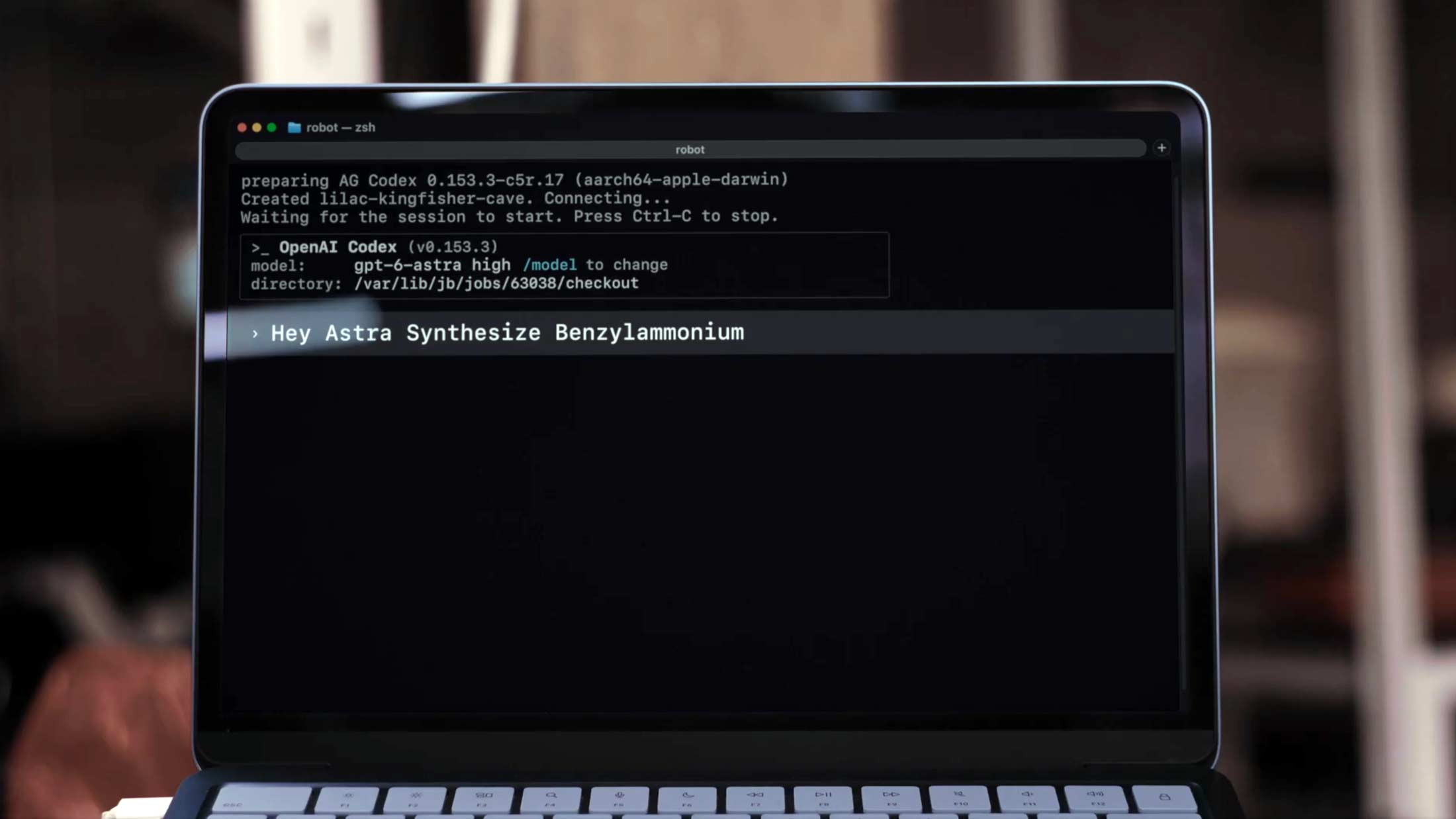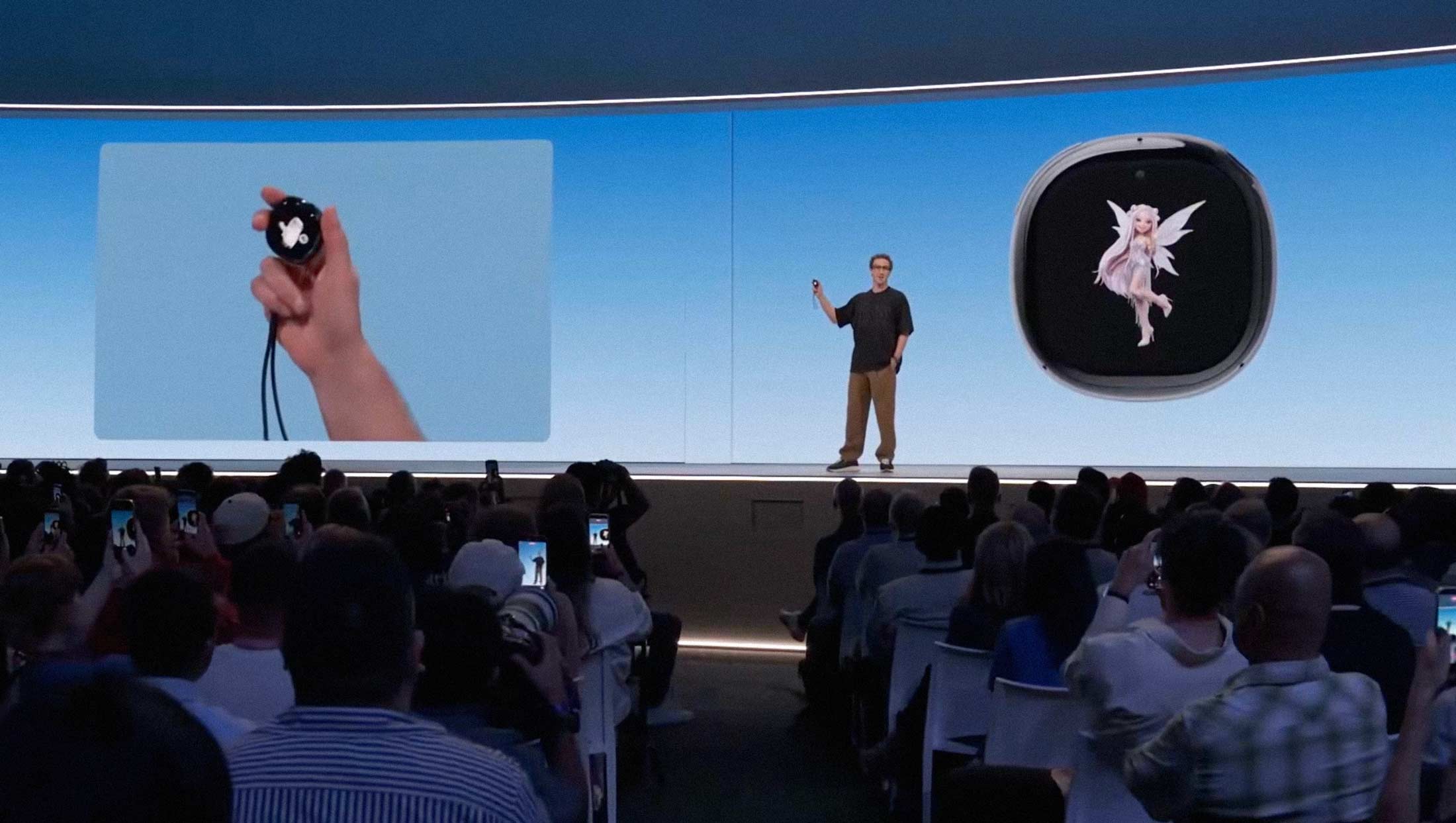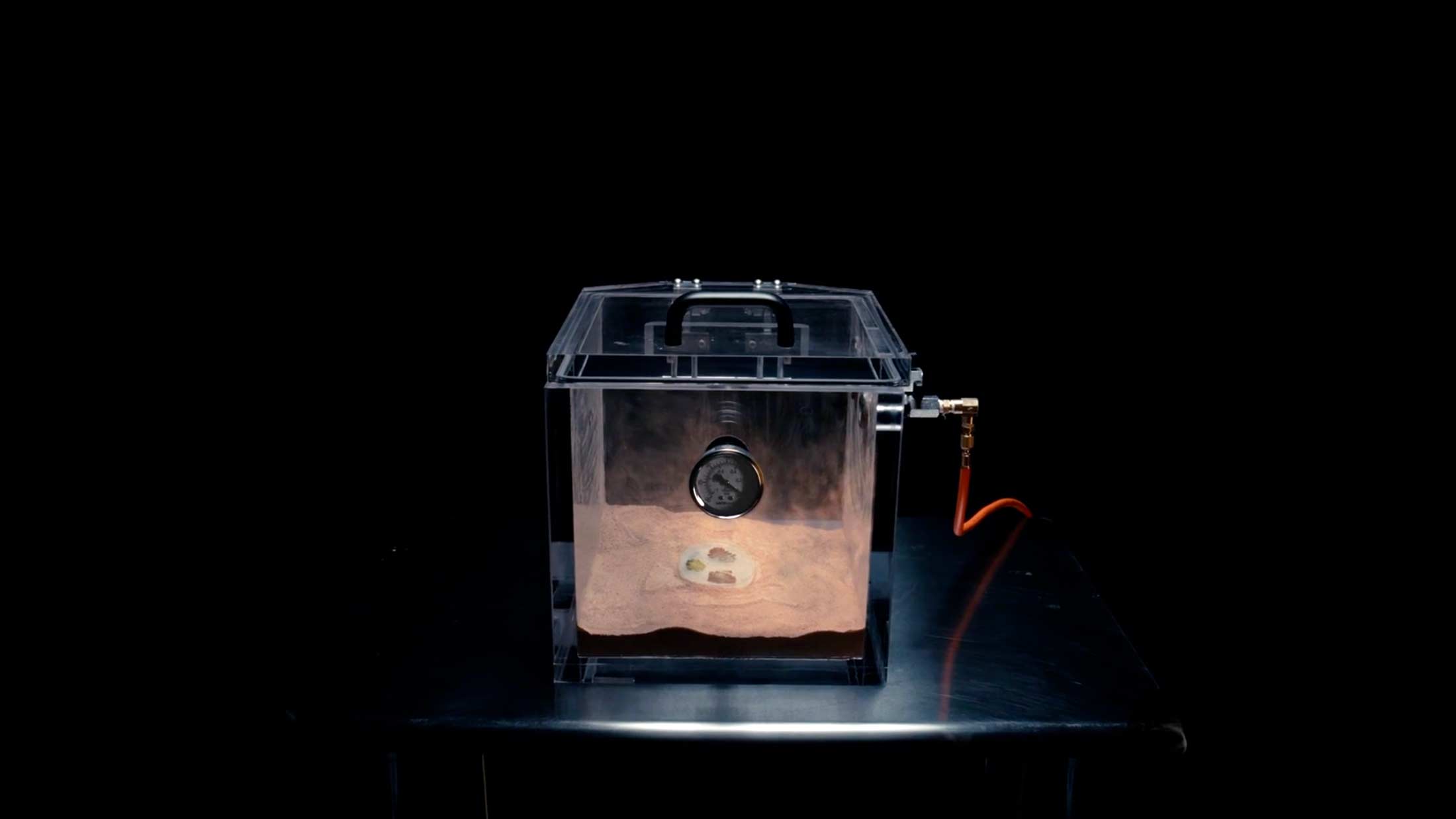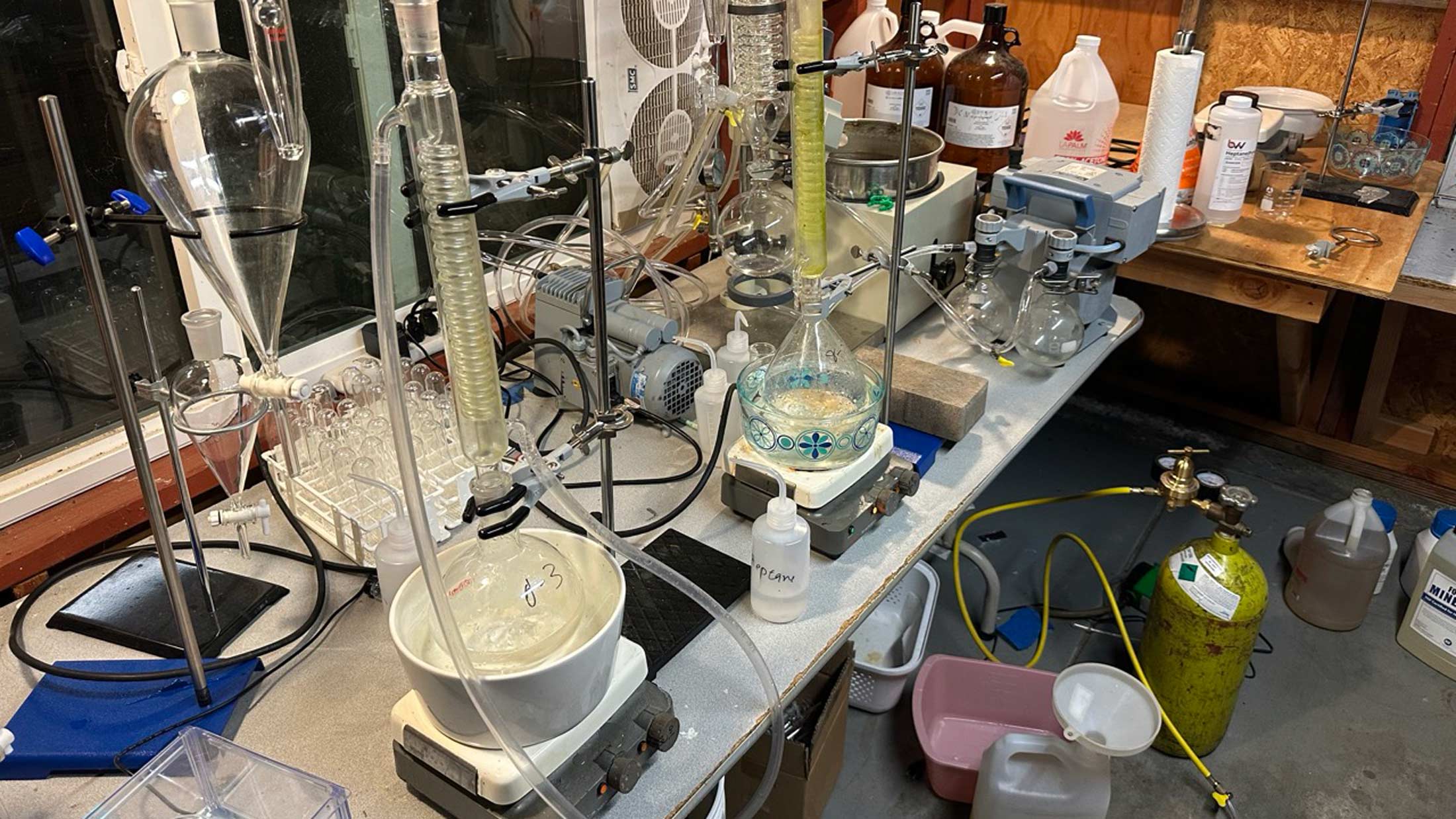
A computational biologist is doing something that would have required millions of dollars and a full pharmaceutical team just a decade ago: designing and synthesizing novel psychiatric drugs in a garage laboratory, with frontier AI models handling much of the intellectual heavy lifting.
When administered to mice, PAC-3310 significantly reduces MK-801-induced hyperlocomotion, demonstrating that it has antipsychotic effects in vivo.
— Douglas Yao (@DouglasYaoDY) September 8, 2026
Moreover, at doses up to 10x the effective dose, PAC-3310 produces none of the side effects typical of non-selective muscarinic… pic.twitter.com/DeNK2r7lWL
Douglas Yao, who holds a PhD in computational biology from Harvard, announced on X this week that he has created a compound called PAC-3310, a selective M4 muscarinic receptor agonist designed to treat schizophrenia. According to Yao, the drug was designed by ChatGPT and synthesized in a chemistry lab he built himself. It is the second drug candidate to emerge from his one-person operation, Pace Pharmaceuticals, following an Alzheimer's compound called PAC-832 that he announced two months ago.
The claim is audacious because it directly takes aim at Cobenfy, a drug that Bristol Myers Squibb spent years developing and the FDA approved in September 2024. Cobenfy was the first new pharmacological approach to schizophrenia in more than 50 years, moving away from dopamine receptor blockade to target muscarinic receptors instead. The problem, as Yao explains, is that Cobenfy's active ingredient, xanomeline, activates all five muscarinic receptor subtypes. Only M4 (and possibly M1) appears useful for treating schizophrenia. Activating M2 and M3 causes cholinergic side effects like nausea, vomiting, and elevated heart rate.
This vial contains a new drug called PAC-832, which I recently invented to treat Alzheimer’s disease. It is the world’s first selective GalR1 antagonist.
I designed and synthesized PAC-832 in a chemistry lab I built in my garage. (1/16) pic.twitter.com/J72K43yvlXAdvertisement— Douglas Yao (@DouglasYaoDY) June 27, 2026
Bristol Myers Squibb addressed this by bundling xanomeline with trospium chloride, a peripheral muscarinic antagonist that counteracts some of the off-target effects. But according to the FDA's own approval documents, the drug still carries warnings for urinary retention, decreased gastrointestinal motility, increased heart rate, and central nervous system effects.
The Numbers Yao Is Claiming
Yao says PAC-3310 achieves what Cobenfy does not: selectivity for M4 over the other four muscarinic subtypes. In functional cell assays, he reports the compound has nanomolar potency for M4 (EC50 of 97 nM) with more than 100-fold selectivity over M1, M2, M3, and M5. When administered to mice, he claims PAC-3310 significantly reduces MK-801-induced hyperlocomotion, a standard animal model for antipsychotic effects, without producing any of the typical cholinergic side effects at doses up to 10 times the effective dose.
The pharmacokinetics he reports are also favorable: oral bioavailability above 70%, brain-to-plasma ratio above 0.5, and plasma protein binding under 80%. These are the kinds of numbers that would normally make a medicinal chemistry team very happy.
None of this has been independently verified. Yao has not published peer-reviewed data, and the assays and animal studies were conducted in his own lab. Pace Pharmaceuticals describes itself as an early-stage drug discovery startup leveraging AI for rare neurological disorders, but it appears to be a one-person operation funded by Yao's savings from graduate school.
The Infrastructure That Makes This Possible
What makes Yao's project noteworthy is how he built it. According to his earlier posts about PAC-832, all in vitro screening was performed by an OpenTrons OT-2 liquid-handling robot programmed by Claude Code. The OT-2 is an open-source, relatively affordable automation platform that costs around $4,000 and fits on half a lab bench. Large language models, primarily ChatGPT Pro, were integrated into virtually every step of the discovery process.
Yao says his approach is inspired by Paul Janssen, the most prolific drug developer of the 1960s, who emphasized rapid synthesis of drug analogs, quick animal testing, and intuition-based target selection. Yao claims his approach can generate preclinical efficacy evidence at 1/1000th the cost of traditional drug development.
Why This Matters Beyond the Claims
Whether or not PAC-3310 ever reaches clinical trials, Yao's work represents something genuinely new: the combination of frontier AI with democratized laboratory hardware creating a path for individual researchers to attempt drug discovery outside institutional walls. The biohacking movement has been around since the early 2000s, when DIY biologists started setting up garage labs with secondhand equipment bought on eBay. But those efforts rarely advanced beyond proof-of-concept demonstrations.
The difference now is capability. Modern AI can propose molecular structures, predict binding affinities, and suggest synthetic routes. Low-cost liquid-handling robots can run high-throughput assays that previously required dedicated technicians. A PhD-level scientist with the right training can, in theory, compress years of pharmaceutical research into months.
The FDA approval pathway remains unchanged, of course. Any drug Yao develops would still need to pass IND-enabling studies, Phase 1, 2, and 3 trials, and regulatory review. His earlier compound PAC-832 is reportedly undergoing IND-enabling studies now. The overwhelming majority of drug candidates fail somewhere along that path.
But the barrier to entry for trying has never been lower. That is either a democratization of pharmaceutical innovation or a biosecurity concern, depending on who you ask. Probably both.