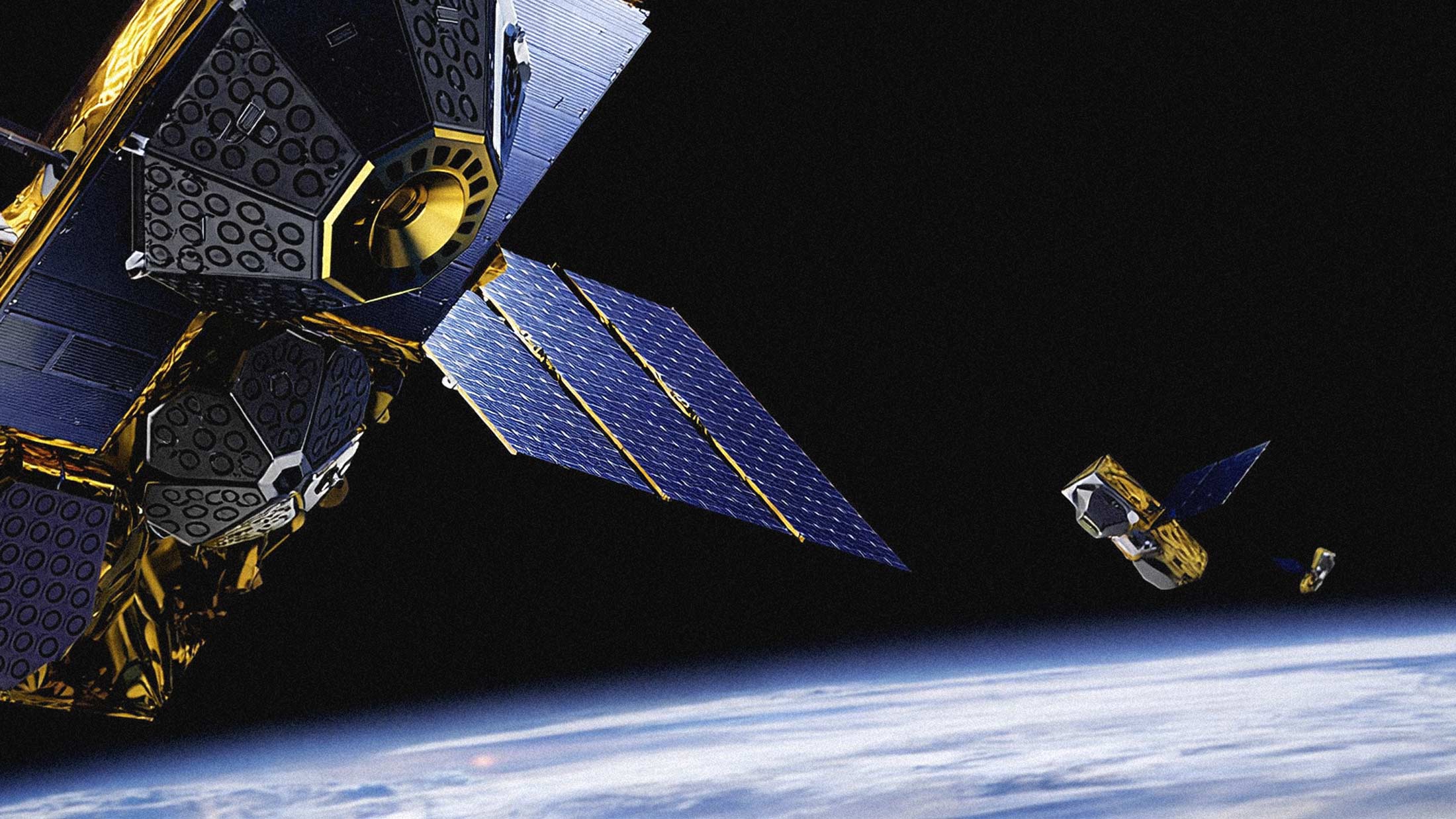
Amazon announced its acquisition of Globalstar for $11 billion, a deal that transforms the competitive landscape of satellite internet overnight. The purchase gives Project Kuiper something money alone couldn't buy quickly: an existing constellation of 48 satellites, ground station infrastructure across six continents, and licensed spectrum that regulators have already approved.
The Infrastructure Gap
Project Kuiper has been Amazon's attempt to challenge SpaceX's Starlink, but the timeline problem was obvious. Starlink already operates more than 6,000 satellites and serves millions of subscribers. Kuiper launched its first test satellites in late 2023 and planned to have half its constellation operational by 2026. That schedule now accelerates considerably.
Globalstar's ground stations matter as much as its satellites. Satellite internet requires gateway stations to route traffic between orbit and terrestrial networks. Building these facilities involves years of permitting, construction, and local regulatory approval. Amazon just bought a working system.
Regulatory and Geopolitical Angles
The deal will face scrutiny from the FCC and potentially CFIUS, given Globalstar's role in critical communications infrastructure. Amazon's regulatory team has experience navigating these waters, but the timeline could stretch into 2026 depending on how thoroughly officials examine spectrum transfer implications.
There's a geopolitical dimension worth watching. Satellite internet has become strategically significant infrastructure, as Ukraine's reliance on Starlink demonstrated. Having a second major American provider with global reach gives Washington options it didn't have before. The Pentagon has been quietly concerned about depending on a single company for satellite communications.
Consumer Implications
Competition tends to produce better outcomes for buyers. Starlink has raised prices repeatedly as its subscriber base grew, with limited pressure to do otherwise. A funded competitor changes that calculation.
Amazon's retail and logistics network also creates distribution advantages that pure satellite companies lack. Kuiper terminals could ship through Amazon's existing infrastructure and potentially bundle with Prime subscriptions in ways that lower customer acquisition costs.
The acquisition doesn't guarantee success. Integrating two satellite networks involves technical complexity that press releases tend to gloss over. But Amazon now has the pieces to compete seriously rather than catch up indefinitely.