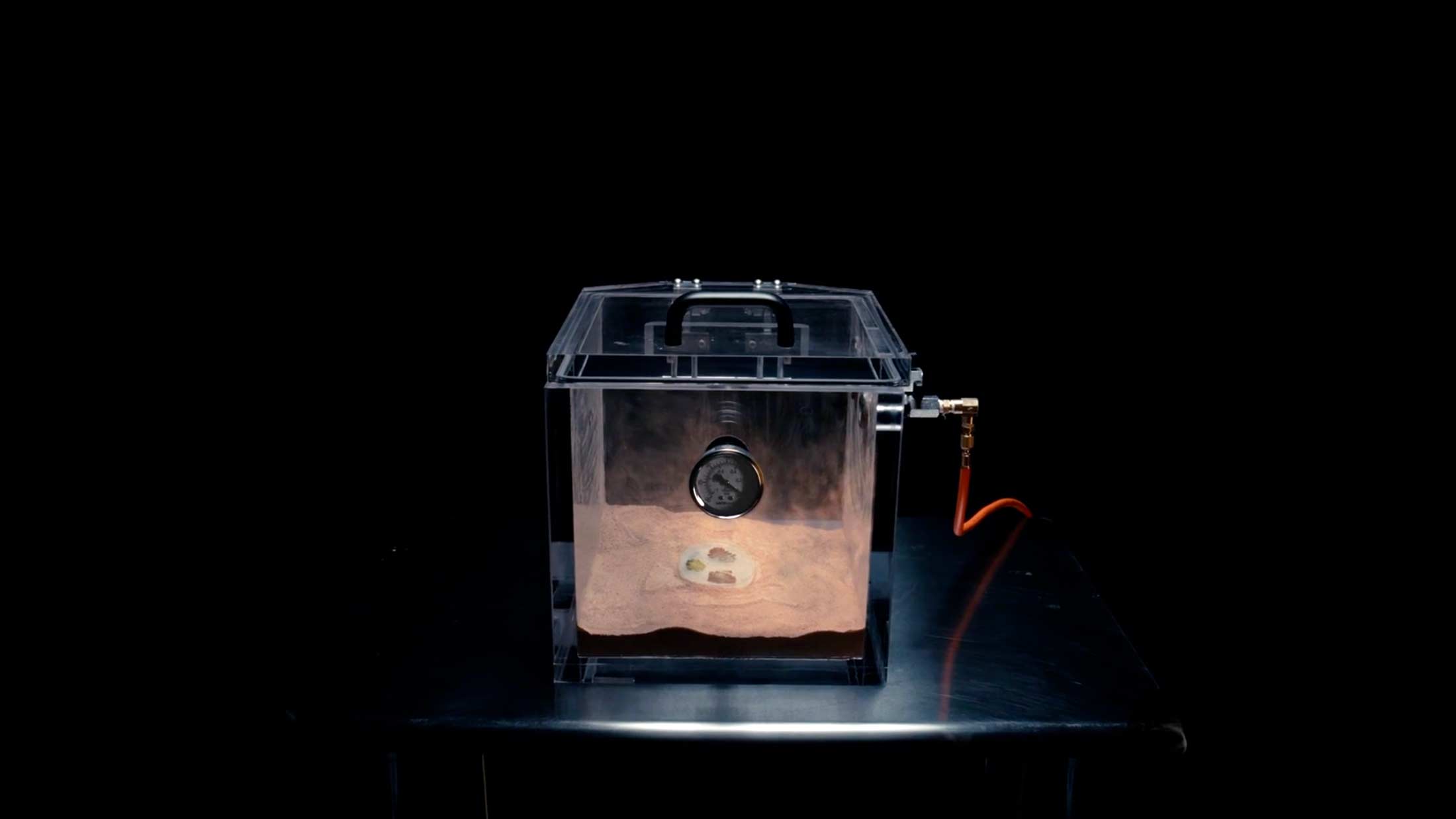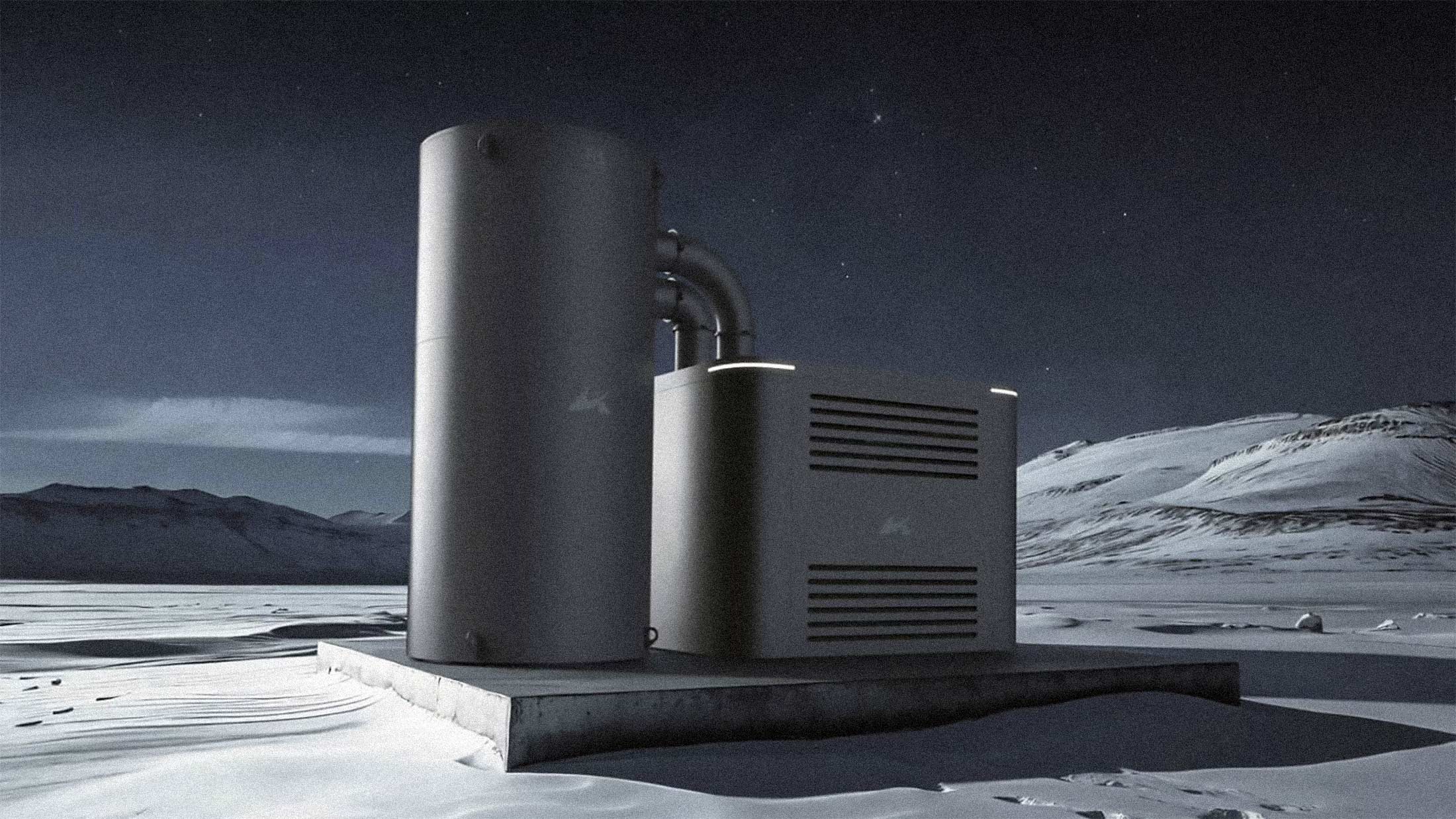
Antares Nuclear announced Thursday that its Mark-0 microreactor achieved initial criticality at Idaho National Laboratory under U.S. Department of Energy authorization. According to the company, the demonstration makes Antares the first private company to bring an advanced reactor to criticality under the DOE's Reactor Pilot Program.
The demonstration was conducted in partnership with DOE, Idaho National Laboratory, and BWX Technologies, with integration and observation support from the U.S. Army. For the California-based startup founded just three years ago, the achievement represents a validation of both its reactor physics and the aggressive federal timeline that made this possible.
What Criticality Means
Criticality occurs when a nuclear chain reaction becomes self-sustaining. The Mark-0 is a zero-power demonstration unit, meaning it lacks power conversion or heat removal systems. Its purpose is to validate reactor physics, neutronics models, and instrumentation. The same facility and fuel batch will support Antares's Mark-1 electricity-producing reactor in 2027.
The Mark-0 is a small, high-temperature heat pipe reactor using High-Assay Low-Enriched Uranium (HALEU) TRISO fuel fabricated by BWX Technologies. The reactor sits in Building 793 of INL's Materials and Fuels Complex. Decades ago, this same building housed ML-1, the U.S. Army's first mobile nuclear reactor. Antares has invested over $40 million in Idaho and repurposed the facility as an enduring testbed.
The Reactor Pilot Program
The milestone arrives under an accelerated federal pathway created by President Trump's May 2025 Executive Order 14301. The DOE's Reactor Pilot Program was established with an ambitious target: at least three advanced reactors reaching criticality by July 4, 2026. The program allows companies to proceed under DOE authorization rather than the traditional Nuclear Regulatory Commission licensing process for initial testing.
Eleven projects were selected, including Aalo Atomics, Radiant Industries, Oklo, and Valar Atomics. Antares became the first to cross the finish line. As Rian Bahran, the DOE's Deputy Assistant Secretary of Energy for Nuclear Reactors, stated upon earlier approvals: the agency remains committed to meeting the president's goal.
The program represents a significant departure from established nuclear licensing precedent. Companies bear their own costs but benefit from an expedited authorization process. The DOE has said that designs approved through this pathway can be fast-tracked for future NRC licensing.
Why This Matters Beyond the Milestone
The last commercial U.S. reactor to achieve initial criticality was Georgia Power's Vogtle Unit 3 in March 2023. Before that, the industry had waited since 1996 for a new reactor to come online. The gap between reactor approvals and actual criticality has stretched into decades for major projects, a pace incompatible with current energy demand growth.
Microreactors like the Mark-0 represent a different approach. Antares is building compact units designed for rapid deployment at remote military bases, industrial sites, and eventually deep space and underwater missions. The company has already been selected by the Defense Innovation Unit for the Advanced Nuclear Power for Installations program and holds over $13 million in active government contracts with the Pentagon and NASA.
The company has raised over $130 million in funding to date, including a $96 million Series B round in December 2025. Initial production deployments for defense and space customers are targeted for 2028. The commercial R1 design will generate between 100 kW and 1 MWe.
What Comes Next
Following the Mark-0 demonstration, Antares will use the same test facility for its Mark-1 reactor next year. The Mark-1 will attempt to generate electricity. If successful, the company plans to begin selling reactors to federal customers, particularly the Department of the Army and Department of the Air Force.
The DOE's broader ambition is 400 GW of nuclear power generation capacity by 2050, quadrupling current U.S. capacity. That goal requires not just microreactors but also small modular reactors and advanced designs from the other ten companies in the pilot program.
For Antares, the work now shifts from proving physics to proving production. The company's Torrance manufacturing facility is designed to produce up to 10 microreactor units per year. Whether a startup founded in 2023 can scale to meet defense procurement timelines remains to be demonstrated. But criticality is no longer theoretical. The reactor works.
Related coverage: Apollo Atomics Is Building Nuclear Reactors an Order of Magnitude Smaller Than Existing Plants and IBM Commits $10 Billion to Quantum Computing, Targets Fault-Tolerant Machine by 2029.