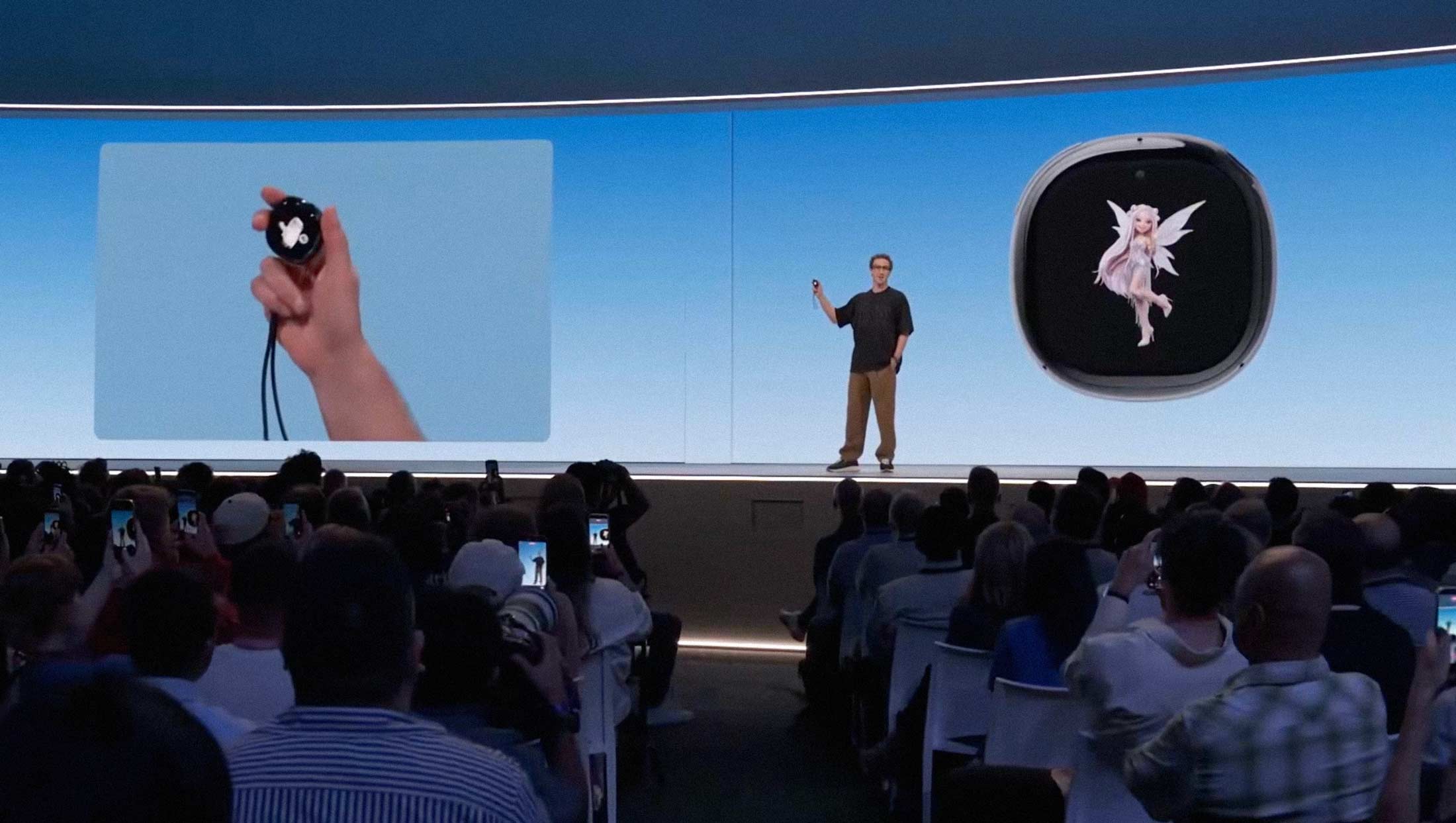
Apple's Surprise and Shine event kicked off Wednesday morning at Apple Park in Cupertino, and new CEO John Ternus wasted no time establishing his own presentation style. The keynote opened with a brief passing of the torch: Tim Cook, now serving as executive chairman, introduced Ternus to the assembled press before stepping offstage. Ternus greeted the crowd with a simple "Hello" instead of Cook's trademark "Good morning."
From there, Ternus launched into a speech that felt deliberately reminiscent of Steve Jobs' original iPhone unveiling. "Now, if you were designing the ideal version of this hub from scratch, how would you do it?" he asked. "Well, first, you would want something that is always with you, deeply personal, and able to bring intelligence to the moments when it matters most."
iPhone 18 Pro and Pro Max: Incremental, Except for the Bill
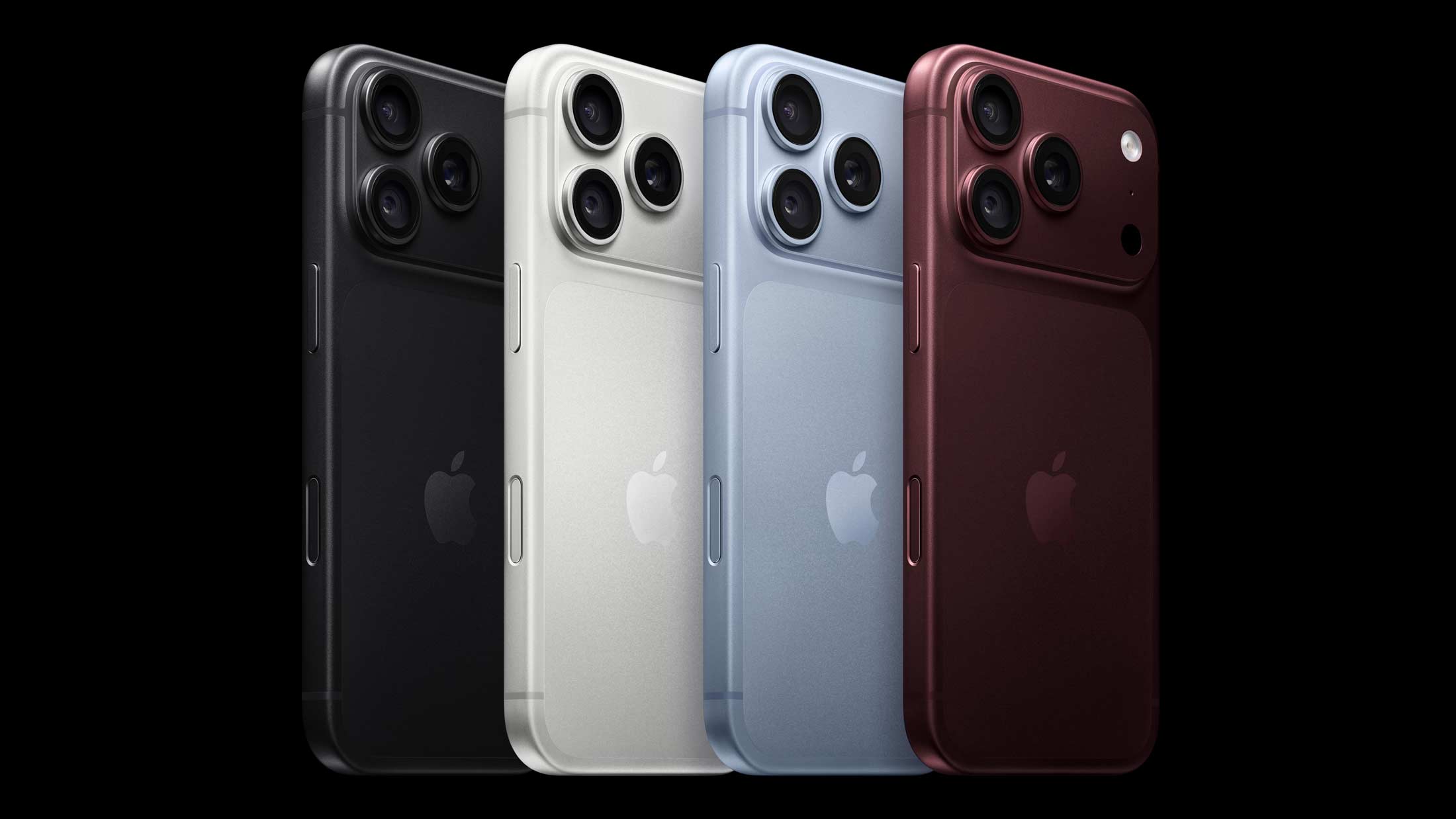
The iPhone 18 Pro and iPhone 18 Pro Max represent what analysts had predicted: a spec-bump year. The phones run on Apple's new A20 Pro chip, built on TSMC's 2nm process. Apple says the redesigned cores are "desktop class" and will make artificial intelligence workloads faster. Leaks prior to the event suggested an 18% performance improvement and 30% better power efficiency compared to the A19 Pro.
The bigger hardware story is the variable aperture lens on the 48MP main camera, which adjusts automatically based on lighting conditions. Apple says the wider aperture lets in roughly 50% more light in darker environments. Both Pro models also feature Apple's in-house C2 modem, replacing Qualcomm silicon in most markets.
But none of this comes cheap. The iPhone 18 Pro now starts at $1,199 and the Pro Max at $1,299, a $100 increase over the iPhone 17 series. Apple had already raised prices on Macs, iPads, and home devices back in June, citing a severe memory-chip shortage. At the time, iPhones were spared. That grace period is over.
Pre-orders begin Saturday. Phones ship the following Friday.
iPhone Duo: Apple's First Foldable Finally Arrives
The real headline is the foldable iPhone, which Apple is calling the iPhone Duo. The name emphasizes the device's dual-display design: a roughly 5.5-inch outer screen and a 7.8-inch inner OLED that opens in landscape orientation, more like an iPad mini than a traditional phone.
The Duo starts at $2,000 for 256GB of storage. Higher configurations reach approximately $3,000. Bloomberg's Mark Gurman reported that Apple "blew through its cost goals due to the recent memory shortage," forcing the company to absorb some production cost increases while passing others to buyers.
Notable specs include dual 48-megapixel rear cameras, a 12-megapixel front camera, the same A20 Pro chip found in the Pro models, Apple's C2 modem, and support for the Apple Pencil. The device relies on Touch ID rather than Face ID for biometric security, and it lacks a telephoto camera. Colors are limited to white and dark blue.
Availability is the catch. The iPhone Duo won't ship until October, likely due to production constraints. Initial supply is expected to be limited.
Everything Else: Watches, AirPods, and What's Missing
Apple Watch Series 12 and Apple Watch Ultra 4 both feature privacy-focused AI capabilities that can analyze your day and provide summaries, including conversations. The feature processes audio locally without recording or storing it. The Ultra 4 gets improved battery life; the Series 12 brings back a ceramic case option.
AirPods 5 arrive with substantially improved noise cancellation, available in two versions: with and without a wireless charging case. Apple had planned to introduce camera-equipped AirPods for environmental sensing at this event, but that product has been pushed to 2027.
The standard iPhone 18 is notably absent. Apple is splitting its 2026 iPhone launch for the first time. The base iPhone 18 and iPhone 18e will debut in spring 2027, meaning anyone who wants an iPhone this fall must pay Pro prices or higher.
What This Means for Ternus
Ternus joined Apple in 2001 and spent 15 years in hardware engineering before becoming CEO on September 1. His presentation leaned heavily on the iPhone as a personal AI hub. Whether that positioning resonates with buyers will determine how his tenure is judged.
Apple shares closed Tuesday at $316.22, down 1.17%. The stock has historically averaged a 0.3% decline on iPhone launch day, according to Benzinga.