The trade war with Canada is entering a new phase, and the people who will feel it most acutely are those planning to build homes. A 50% tariff on Canadian goods took effect last weekend after negotiations broke down, adding another layer to an already punishing tariff regime that has pushed the all-in cost of Canadian softwood lumber above 45%.
For prospective homeowners considering new construction, the math is becoming uncomfortable. Data from the National Association of Home Builders shows that builders now estimate a typical cost effect from recent tariff actions at $10,900 per home. More than 60% of builders surveyed have reported seeing higher costs due to tariffs. Lumber alone accounts for roughly $4,900 of that increase, according to Leading Builders of America.
These are not abstract numbers. Canada supplies approximately 85% of all U.S. softwood lumber imports and represents almost one-quarter of total domestic supply. The tariff rate on that lumber has climbed from 14.5% to an effective rate exceeding 45% when antidumping duties, countervailing duties, and Section 232 tariffs are stacked together. U.S. framing lumber surged 30% off December lows earlier this year as those duties took hold.
The Case for Front-Running the Tariffs
If you are planning to build a home in the next 12 to 24 months, there is a reasonable argument for locking in building materials now. Lumber futures have traded near $580 per thousand board feet recently, and the curve is in contango, meaning markets expect higher future prices. The situation is compounding: Canada's counter-tariffs, scheduled to take effect September 8, will raise taxes on 700 American products by as much as 50%, including construction essentials like steel, wood, and aluminum.
The uncertainty itself is a cost. As NAHB Chief Economist Robert Dietz put it, uncertainty has been the larger effect with respect to tariffs. Construction permits and housing starts were down significantly at the end of 2025 compared to a year before. This hesitation creates a feedback loop: fewer homes started means less work for contractors, which eventually means a smaller labor pool when building activity picks back up.
Second-Order Effects: Labor and Supply Chains
The construction workforce is already under severe pressure. Approximately 60,000 fewer home construction jobs exist now compared to December 2024, according to estimates from the Congressional Joint Economic Committee. The industry needs an estimated 349,000 to 500,000 net new workers in 2026 to meet projected demand. Instead, 82% of contractors report difficulty filling hourly craft positions.
Immigrant workers now make up roughly 25% of the residential construction workforce, a historic high. Tighter immigration enforcement is removing labor from exactly the trades that frame, roof, and finish houses. Wage pressure is outrunning inflation: non-supervisory pay for residential construction workers rose 9.2% year over year in mid-2025.
If tariffs cause enough builders to pause projects, the skilled labor force could contract further. That contraction would then make future construction more expensive and slower, pushing home prices higher even if tariff rates eventually moderate. The broader economic pressures on American households are already significant. Adding five-figure increases to new construction costs will not help.
Specialty Builders Face Unique Pressures
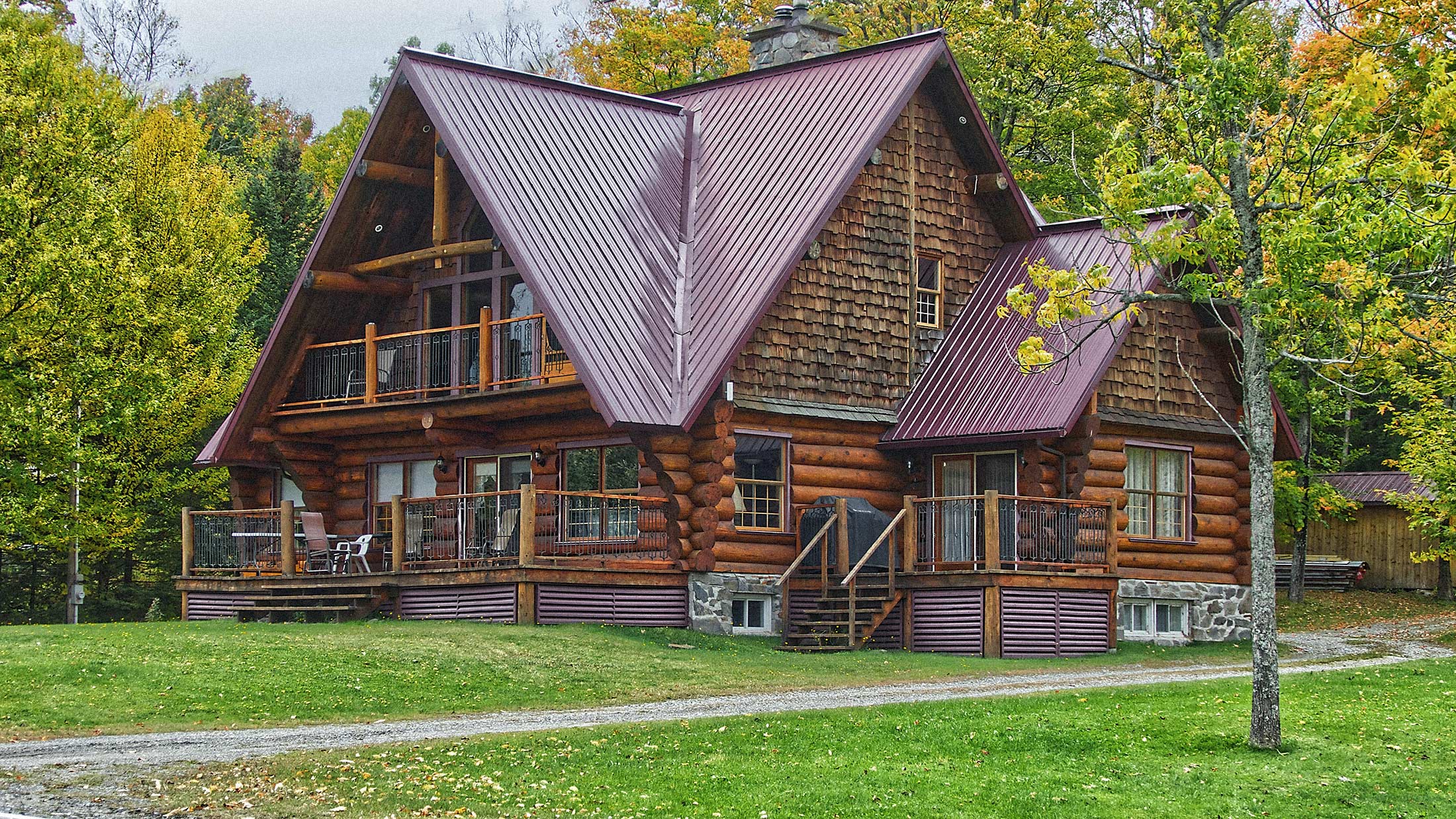
Log home manufacturers are one category of builders that may feel these dynamics particularly acutely. Log homes are wood-intensive by design, with lumber costs representing a higher proportion of the total build than conventional framing. Companies in this space depend on consistent access to quality pine, spruce, and fir.
Some log home builders that primarily source locally within the US may be able to thwart rising costs for the short term, but even they will be impacted if the situation persists. Merrimac Log Homes, a family-owned operation has been producing milled logs since the mid-1970s out of Eastern White Pine locally, sourcing from loggers within a 150 to 200 mile radius. Having a regional supply chain not fully dependent of Canadian imports, provides some buffer from tariff volatility. Working with a domestic-focused manufacturer could offer both cost predictability and a hedge against further trade disruptions.
What to Do Now
For those with concrete plans to build, the playbook is straightforward. Get quotes on materials now and consider locking in prices where contracts allow. Explore domestic alternatives: Southern Yellow Pine from U.S. mills avoids Canadian softwood tariffs entirely, though increased demand could drive those prices up as well. Ask builders about tariff-adjustment or escalation clauses in contracts, which are becoming more common as the market adjusts.
The NAHB has estimated that every $1,000 increase in the median price of a new home prices out roughly 106,000 potential buyers. At current trajectories, tariffs alone could eliminate over a million prospective buyers from the market. That math does not include the compounding effects of high mortgage rates, which remain near one-year highs, or the ongoing housing shortage that experts across the political spectrum cite as a primary driver of affordability problems.
The structural shifts reshaping multiple industries are hitting housing from several directions at once. Tariffs, labor shortages, regulatory costs that now add an estimated $94,000 per home, and the persistent undersupply of housing units are all converging. For those who can act, the window to lock in materials at current prices may be closing. For everyone else, the new economics of home building are something to watch closely in the months ahead.