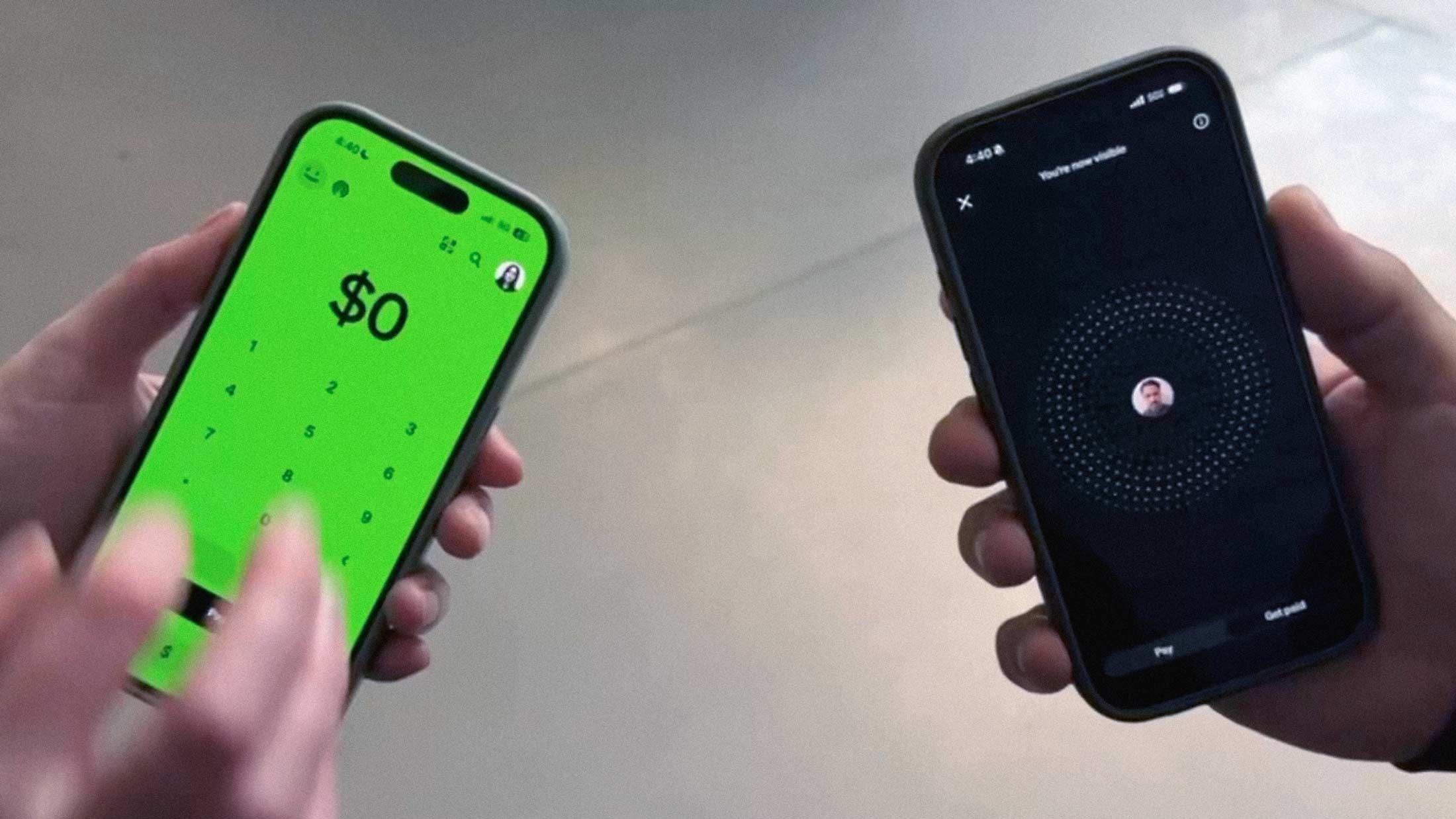
Cash App is piloting a feature called Nearby Payments that lets users send or receive money from people in close physical proximity using Bluetooth, eliminating the need for QR codes or contact details. The Block-owned fintech app teased the feature on X this week.
"Nearby payments. Rolling out a pilot this week. No QR codes. Just Bluetooth," the Cash App team wrote. "Great for getting paid by strangers. Or sorting a round at the bar."
The interface, according to posts shared by the team, appears polished and purpose-built for speed. The premise: two people standing near each other can complete a payment without exchanging phone numbers, usernames, or scanning anything. Bluetooth handles the discovery. Useful for splitting a check at dinner, tipping a street performer, or settling up in any situation where fumbling for a QR code adds unwanted friction.
A Return to Old Territory
This is actually familiar ground for Cash App. Back in October 2014, the app introduced a nearly identical feature using Bluetooth Low Energy on iOS 8. That version let users discover others within about 250 feet and send payments with a tap. The feature has since faded into obscurity, but the core concept persists: proximity should reduce payment friction, not add to it.
The renewed focus on Bluetooth-based payments comes as Block has continued investing in decentralized infrastructure. Jack Dorsey, Block's co-founder and CEO, has spent recent years building tools that work independently of centralized servers. Bitchat, his Bluetooth mesh messaging app released in July 2025, operates on a similar philosophy. That app routes encrypted messages through nearby devices without requiring an internet connection, using Bluetooth LE mesh to form ad-hoc peer-to-peer networks.
Bitchat saw significant real-world adoption during internet blackouts in Madagascar, Nepal, Uganda, and Iran. The underlying technology shares DNA with what Cash App is now piloting: local device discovery, minimal infrastructure dependency, and a bet that Bluetooth can bridge gaps that traditional connectivity cannot.
Why This Matters
Peer-to-peer payments have matured, but the last few feet remain awkward. Sending money to someone standing next to you still requires exchanging identifiers, whether that's a phone number, a username, or scanning a code. For small, informal transactions, that overhead often exceeds the value of the transaction itself.
Bluetooth discovery sidesteps this entirely. If both parties have the app open and are standing close enough, they show up in each other's interface. Tap a name, enter an amount, confirm. Done.
There are obvious security considerations. Bluetooth discoverability in public spaces introduces potential attack vectors. Cash App will need to explain how it handles visibility settings, authentication, and spoofing risks. The 2014 version allowed users to restrict visibility to contacts only. Whether the 2026 pilot includes similar safeguards remains to be seen.
The pilot is rolling out now to a limited group. Block has been aggressive about expanding Cash App's feature set recently, including payment links, deferred payments, and deeper Bitcoin integrations. Nearby Payments fits that pattern: small bets on reducing friction in everyday transactions.
No timeline has been announced for a broader rollout.