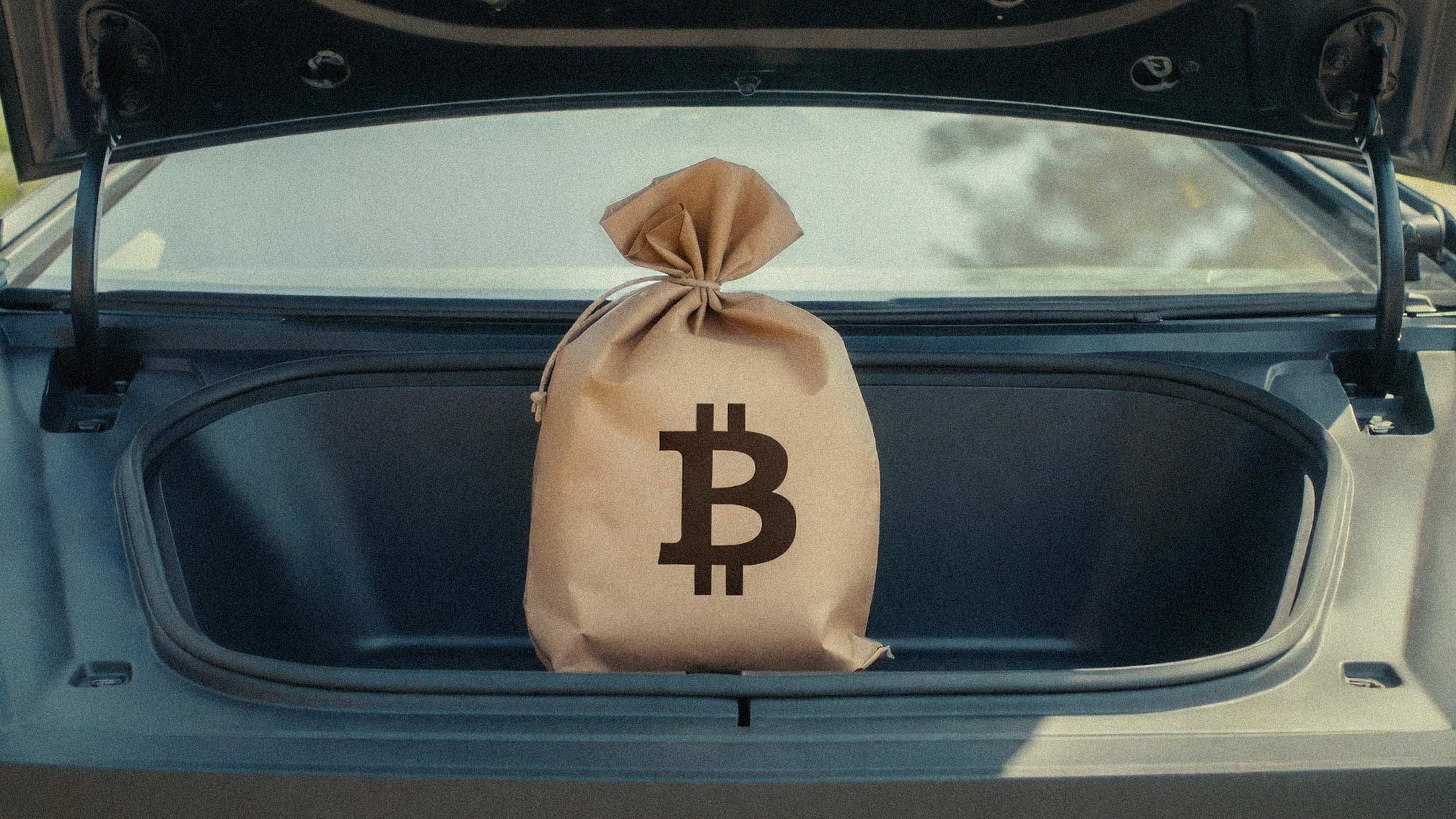
Tesla's first quarter 10-Q filing, released April 23, confirms the electric vehicle maker still holds exactly 11,509 Bitcoin on its balance sheet. The company acquired those coins for $386 million. At today's price of roughly $75,250 per Bitcoin, that stash is worth approximately $866 million, representing close to half a billion dollars in unrealized gains.
The disclosure is notable for what it reveals about Tesla's posture toward digital assets: inaction. The company hasn't bought or sold Bitcoin since January 2025, holding steady through a brutal Q1 that saw Bitcoin plunge 22% from around $90,000 to $68,000. Tesla booked a $173 million after-tax impairment loss on its crypto holdings during the quarter. But by late April, Bitcoin had recovered much of that decline, pushing Tesla's position back above $850 million.
A Quarter of Contradictions
Tesla beat Wall Street's earnings expectations with non-GAAP EPS of $0.41 versus the $0.37 consensus. Revenue came in at $22.39 billion, up 16% year-over-year but slightly below analyst estimates of $22.6 billion. Net income rose 17% to $477 million. Gross margin expanded to 21.1%, up sharply from 16.3% in Q1 2025.
But the headline numbers mask some unusual accounting activity. Tesla's own shareholder letter lists the primary driver of operating income growth as "one-time benefits related to warranty and tariffs." The company also stretched its days payable outstanding from 61 to 71 days quarter-over-quarter, effectively borrowing from suppliers to boost operating cash flow. Meanwhile, Tesla issued $4.3 billion in new debt during the quarter while sitting on $44.7 billion in cash.
Vehicle deliveries missed expectations at 358,023 units, while production exceeded 408,000. That 50,000-unit gap pushed global inventory to 27 days of supply, up from 15 days at the end of Q4. The signal seems to be that the core automotive business is not growing; it's sideways while management pivots toward AI and robotics.
$25 Billion Bet on the Future
The real news from the earnings call was the capex guidance. Tesla raised its 2026 capital expenditure forecast from $20 billion to over $25 billion. For context, the company spent $8.5 billion in 2025. This is nearly a threefold increase in a single year.
The money will fund six new production lines across vehicles, robots, energy storage, and battery manufacturing. A dedicated chip fabrication facility in Austin, built jointly with SpaceX and xAI, is excluded from that $25 billion figure. Tesla plans to more than double its AI compute capacity by June 2026, scaling from roughly 120,000 NVIDIA H100-equivalent GPUs to 280,000.
Optimus, Tesla's humanoid robot, is moving from prototype to production. The company is repurposing its Fremont factory for Optimus manufacturing after winding down Model S and Model X production entirely. A second-generation production line at Giga Texas is being designed for eventual annual capacity of 10 million robots. Cybercab, the purpose-built robotaxi, remains on schedule for volume production this year, though meaningful revenue is unlikely before 2027.
CFO Vaibhav Taneja described this as a "very big capital investment phase" that will extend over multiple years. Management warned of negative free cash flow in 2026 as the company builds out infrastructure ahead of anticipated future revenue streams.
What the Bitcoin Position Reveals
Tesla's decision to hold its Bitcoin treasury through a volatile quarter while simultaneously committing $25 billion to AI spending tells you where management's priorities lie. The crypto position is a rounding error next to the capex plan. At current prices, Tesla's entire Bitcoin stash equals roughly 3.5% of this year's planned capital expenditure.
The company ranks eleventh among public companies holding Bitcoin on their balance sheets, well behind MicroStrategy, which has made BTC accumulation its entire corporate identity. Tesla's approach is more passive: hold without adding, treat it as a balance-sheet asset rather than a strategic focus.
For investors tracking institutional crypto adoption, Tesla's steady position reinforces the narrative that major corporations view Bitcoin as a legitimate treasury asset. But the company's attention is clearly elsewhere. The $2 billion SpaceX equity investment during the quarter illustrates where Musk sees opportunity: aerospace, AI infrastructure, and the Musk industrial complex, not digital assets.
What This Means for the Rest of 2026
Tesla is entering a capital-intensive transformation that will define whether the company becomes an AI and robotics leader or simply an aging EV maker with ambitious side projects. The $25 billion spending plan is a statement of intent, but execution risk is substantial. Regulatory approval for unsupervised autonomous driving remains pending in most markets. Meaningful robotaxi revenue is at least a year away. Optimus is years from commercial scale.
The financials show a company generating positive free cash flow of $1.44 billion while simultaneously warning that free cash flow will turn negative for the year. Tesla is borrowing to maintain its cash position, stretching supplier payments, and relying on one-time accounting benefits to dress up quarterly results. The AI infrastructure buildout is real, but so are the risks.
The Bitcoin position will continue to fluctuate with crypto markets. At current prices, Tesla is sitting on roughly $500 million in unrealized profit from its original $386 million investment. Whether that matters to a company planning to spend $25 billion this year is another question entirely.