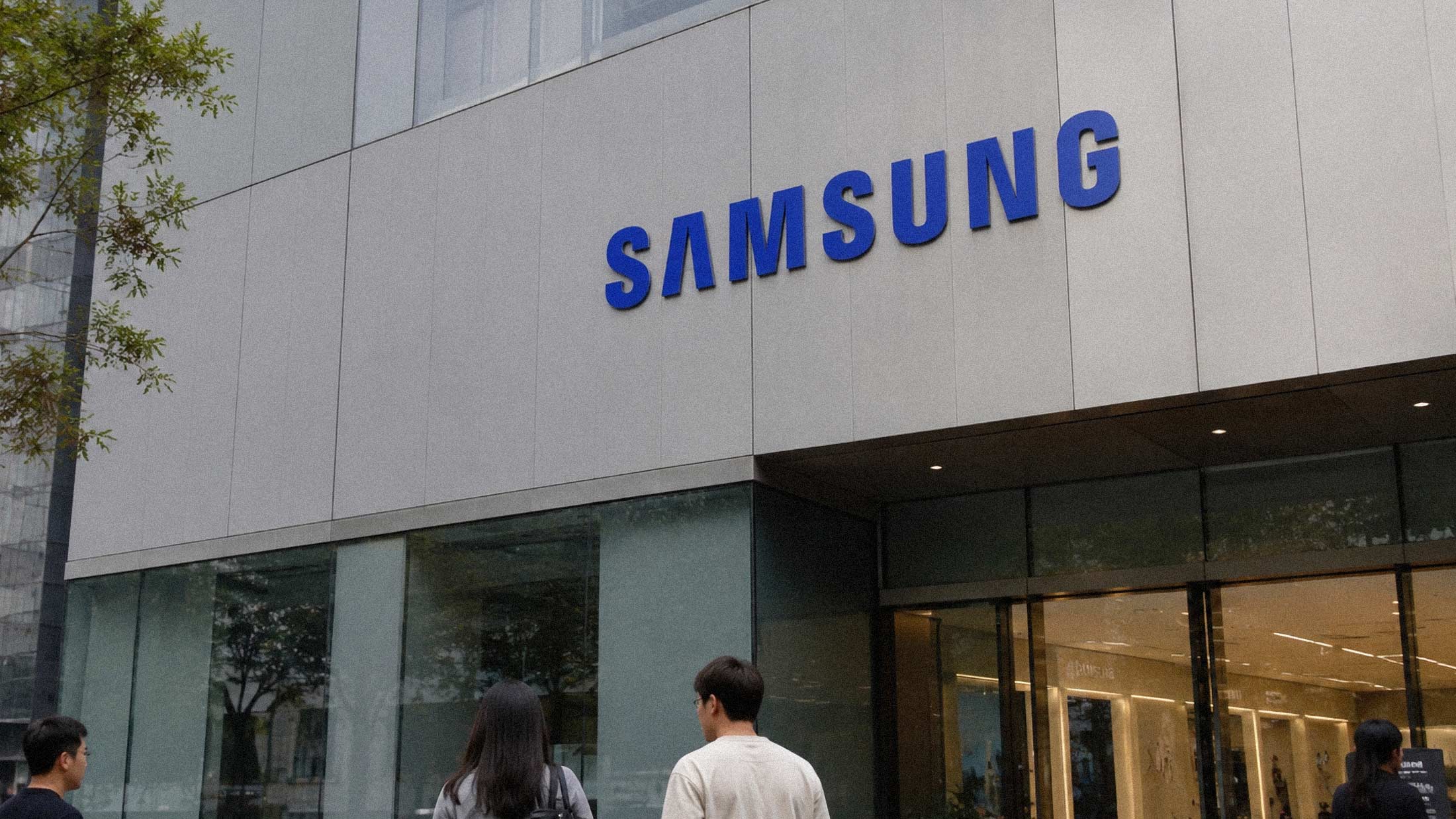
Three days from now, Samsung Electronics could become the site of the largest work stoppage in the history of the semiconductor industry. More than 47,000 workers are poised to walk off the job on May 21, with the strike scheduled to run through June 7. Government-mediated talks are underway as of this writing, but positions remain far apart.
The core dispute is straightforward: Samsung's workers want a bigger share of the AI-driven memory boom. The union is demanding that 15% of Samsung's annual operating profit go to performance bonuses, that the company remove a cap limiting those bonuses to 50% of base salary, and that these terms be formalized in employment contracts. Samsung has countered with a 10% profit allocation and a one-time $340,000 payout. The union rejected it.
The SK Hynix Problem
What makes the Samsung dispute especially combustible is the comparison with SK Hynix, the company's primary rival in high-bandwidth memory. Last September, SK Hynix settled with its own union to allocate 10% of operating profit to employee bonuses for the next decade, with no cap. Based on 2026 profit forecasts, that formula translates to average payouts of roughly $460,000 to $477,000 per worker this year. Macquarie's projections for 2027 put the figure closer to $900,000.
Samsung workers, watching colleagues defect to SK Hynix at a rate of about 200 over the past four months according to union chairman Choi Seung-ho, see the disparity as untenable. In 2024, Samsung paid no performance bonuses at all after its chip unit posted operating losses during the memory downturn. The turnaround since then has been dramatic. Q1 2026 operating profit jumped nearly eightfold to a record, but the workers received none of that upside.
A Test Strike Already Showed the Damage
An April one-day walkout at Samsung's Pyeongtaek campus offered a preview of what an extended strike could do. Memory fabrication output dropped 18% on the affected night shift. Foundry output fell 58%. Samsung has begun "warm-down" procedures, scaling back wafer inputs ahead of the strike, because halting chip fabrication mid-process means scrapping wafers that cost $20,000 each.
JPMorgan estimates that an 18-day walkout at full participation could reduce Samsung's annual operating profit by $14 billion to $20.8 billion. The South Korean Prime Minister has estimated direct losses could reach 1 trillion won ($665 million), with broader economic damage potentially climbing to 100 trillion won ($66.7 billion) if semiconductor wafers already in production are scrapped.
The AI Supply Chain Implications
Samsung makes roughly one-third of the world's DRAM. Together with SK Hynix, South Korean companies control about two-thirds of the global DRAM market and an even larger share of HBM, the specialized memory that AI accelerators cannot function without. HBM is now a chokepoint in the AI infrastructure buildout.
Samsung had struggled to pass Nvidia's HBM3E qualification standards through much of 2025, falling to third place in the HBM market with just 17% share behind SK Hynix at 62% and Micron at 21%. The company finally secured Nvidia qualification in late September 2025 and has since begun mass-producing HBM4. A strike now would slow that comeback at exactly the moment Samsung has started shipping to major AI accelerator customers.
Nvidia's Blackwell Ultra and next-generation accelerators are ramping production in Q3 and Q4 2026. An 18-day production gap at Samsung lands squarely on that timeline. SK Hynix is already running at near-capacity and cannot rapidly absorb Samsung's share. This is a net supply reduction for the global HBM market, not a transfer between suppliers.
Government Intervention and Court Action
The South Korean government has made its position clear. Finance Minister Koo Yun-cheol said "strikes must never happen under any circumstances." Prime Minister Kim Min-seok convened an emergency ministerial meeting after talks collapsed last week and warned that the government would consider "emergency arbitration" powers if the strike threatens significant economic damage. Under South Korean law, an emergency adjustment order can suspend industrial action for 30 days while mediation continues.
On Monday, the Suwon District Court partially granted Samsung's request for an injunction, ordering the union to ensure that any strike does not disrupt production. The ruling bars union members from occupying or locking facilities, or from preventing workers from entering. Staffing for safety and product quality must remain at normal levels. The union said it respects the court's decision but will proceed with the strike as planned if no deal is reached.
Market Reaction
Samsung shares fell as much as 8.6% after the initial negotiation breakdown, then recovered as government officials stepped in. On Monday, after the court injunction and resumption of talks, shares rose as much as 6.7%. The volatility reflects investor uncertainty about whether a last-minute deal can be reached.
The American Chamber of Commerce in Korea warned that labor uncertainty could affect confidence in Korea's reputation as a dependable partner in global supply chains. Samsung executives have reportedly told the union that some customers, including Nvidia, have indicated they might temporarily stop accepting shipments during a strike because they cannot guarantee product quality.
The Internal Divide
One complicating factor is Samsung's corporate structure. Unlike SK Hynix, which is a standalone fab, Samsung's semiconductor operation sits within the larger Samsung Electronics, which is part of Samsung Group. Other divisions of the company are struggling with higher costs driven by the same memory shortage that is generating record profits in semiconductors.
Samsung has offered to pay its 27,000 memory chip employees at least six times more than the 23,000 workers in its logic chip and foundry businesses. The union argues that foundry workers, who often work in the same buildings and make AI chips for customers like Nvidia and Tesla, should not be left behind just because the foundry business has posted losses in recent years. A smaller union representing workers from Samsung's smartphone, TV, and home appliances lines has reportedly pulled out of the planned joint strike.
If Samsung meets the semiconductor union's full demands, the math becomes uncomfortable for the rest of the company. Apply a 15% profit-sharing formula to consensus operating profit estimates and the bonus pool for the Device Solutions division alone would exceed $20 billion. The AI boom has created winners, but it has also exposed fault lines within the organizations riding it.
What Happens Next
Monday's talks at the National Labor Relations Commission represent what Prime Minister Kim called the "final opportunity" to avert the strike. If no deal is reached, the walkout begins Thursday and runs through June 7. The union has said it is "no longer considering additional negotiations" until after the strike, though it would consider a new offer if Samsung presents one.
Samsung says it "regrets" the breakdown and will continue seeking dialogue. The company has said that a failure to deliver to customers during a strike would result in "a complete loss of trust." For AI hyperscalers, memory supply is already tight. A three-week stoppage at the world's largest memory chipmaker would not just delay shipments. It would force every company building AI infrastructure to reconsider how fragile their supply chains actually are.