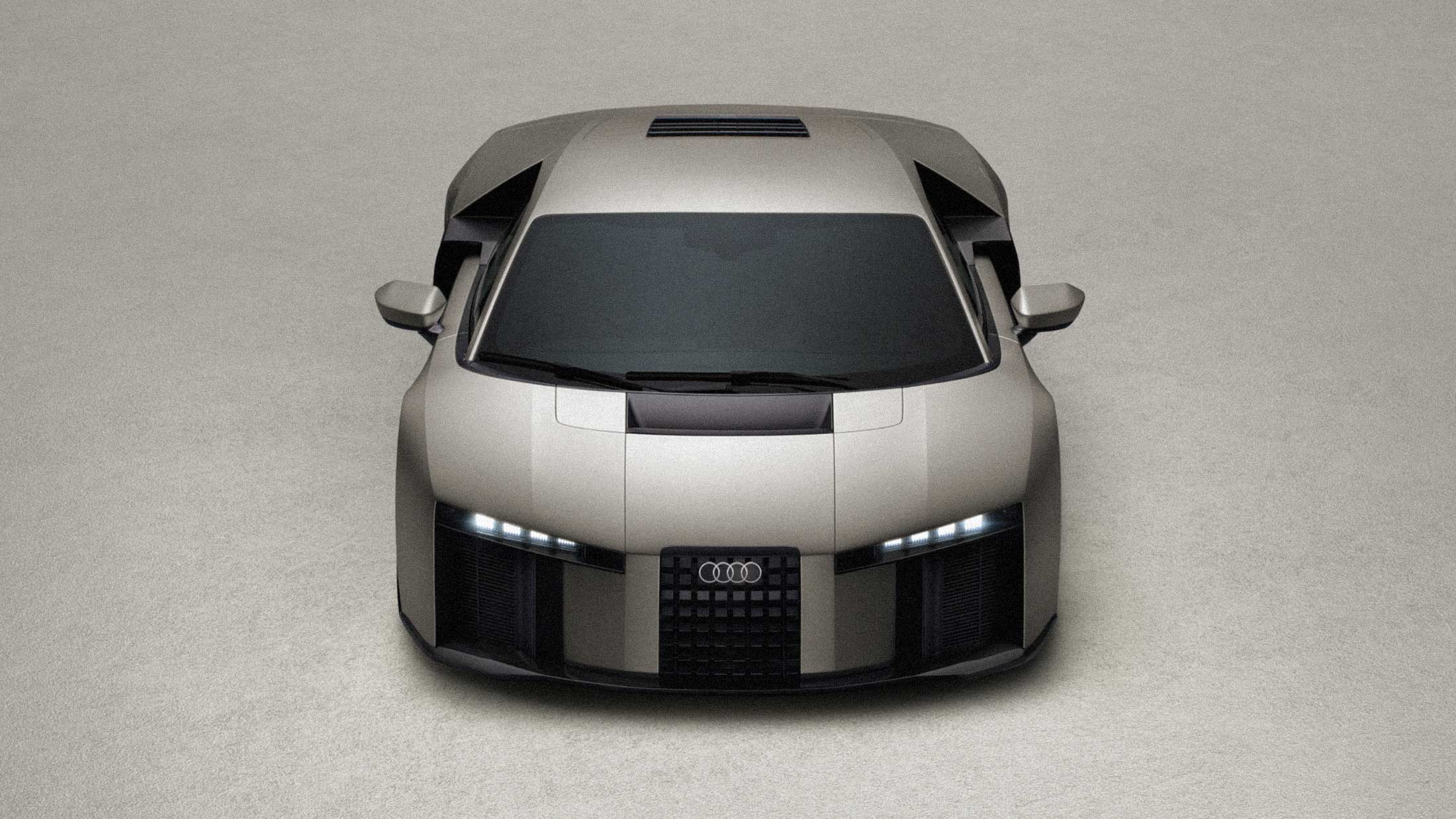
Audi kept a secret. That alone is remarkable in an industry where spy shots and leaks define the news cycle. But on the eve of the Monaco Grand Prix, the company unveiled the Nuvolari, a 1,001 PS hybrid supercar that will become the fastest and most powerful production vehicle in the brand's history.
The timing is deliberate. Audi has returned to Formula 1 for the first time since the 1930s, and the Nuvolari name carries weight. Tazio Nuvolari was a legend of that prewar era, piloting the supercharged V12 Auto Union machines that helped forge the four-ring brand's motorsport identity. Ferdinand Porsche once called him "the greatest driver of the past, the present, and the future." Now his name sits on a $700,000, 499-unit limited production run that will reach customers in the first half of 2027.
The Design Argument
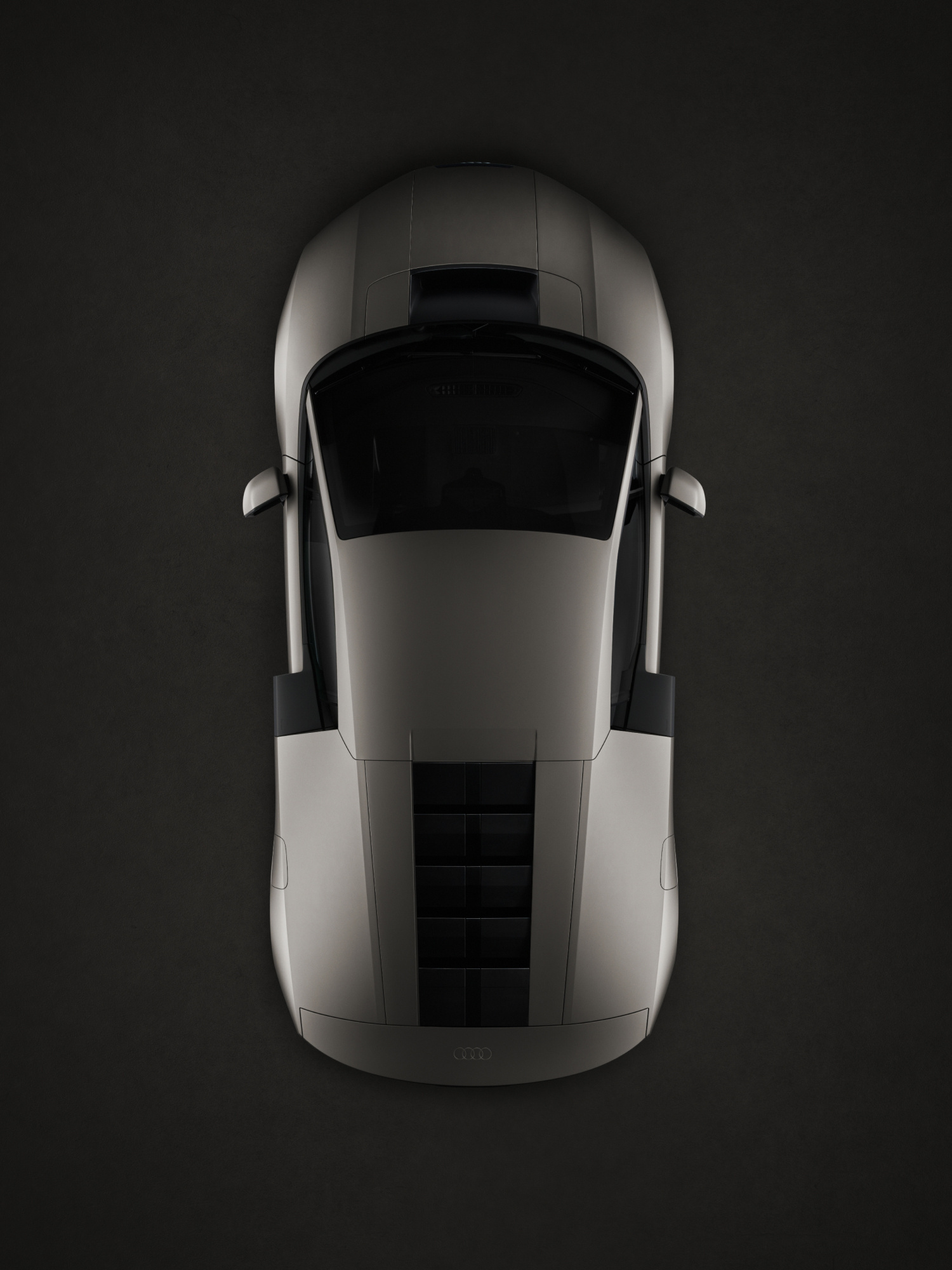
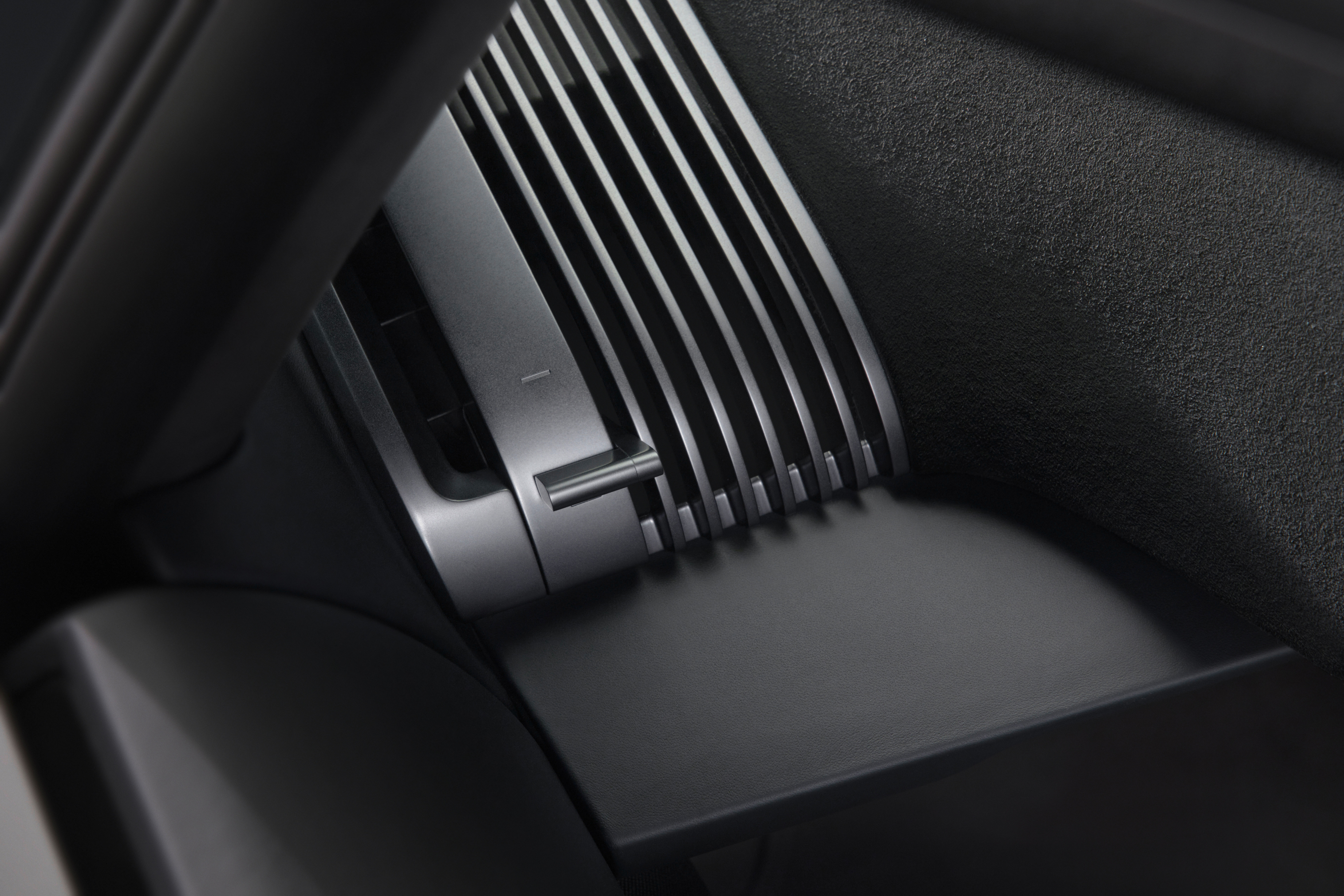
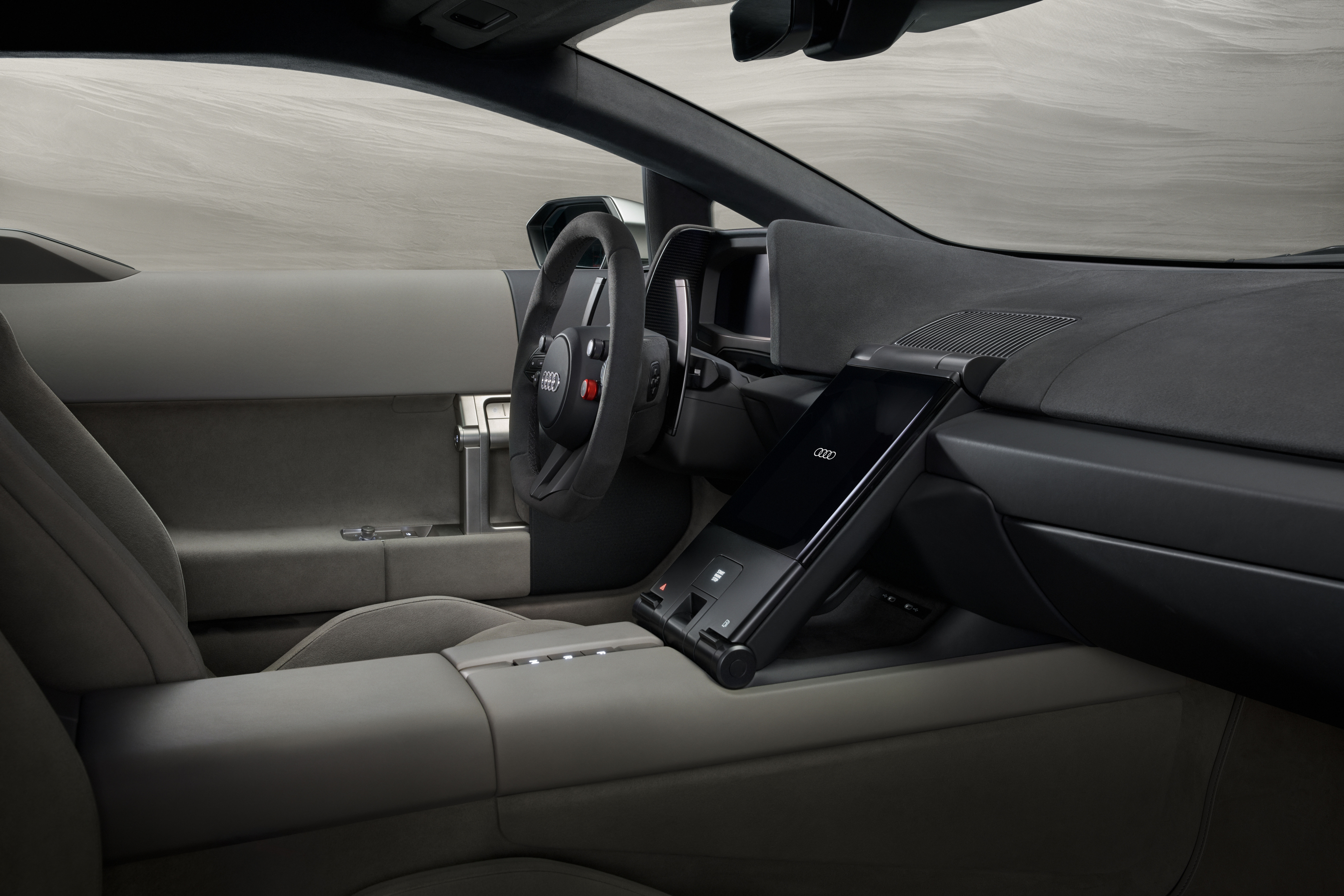
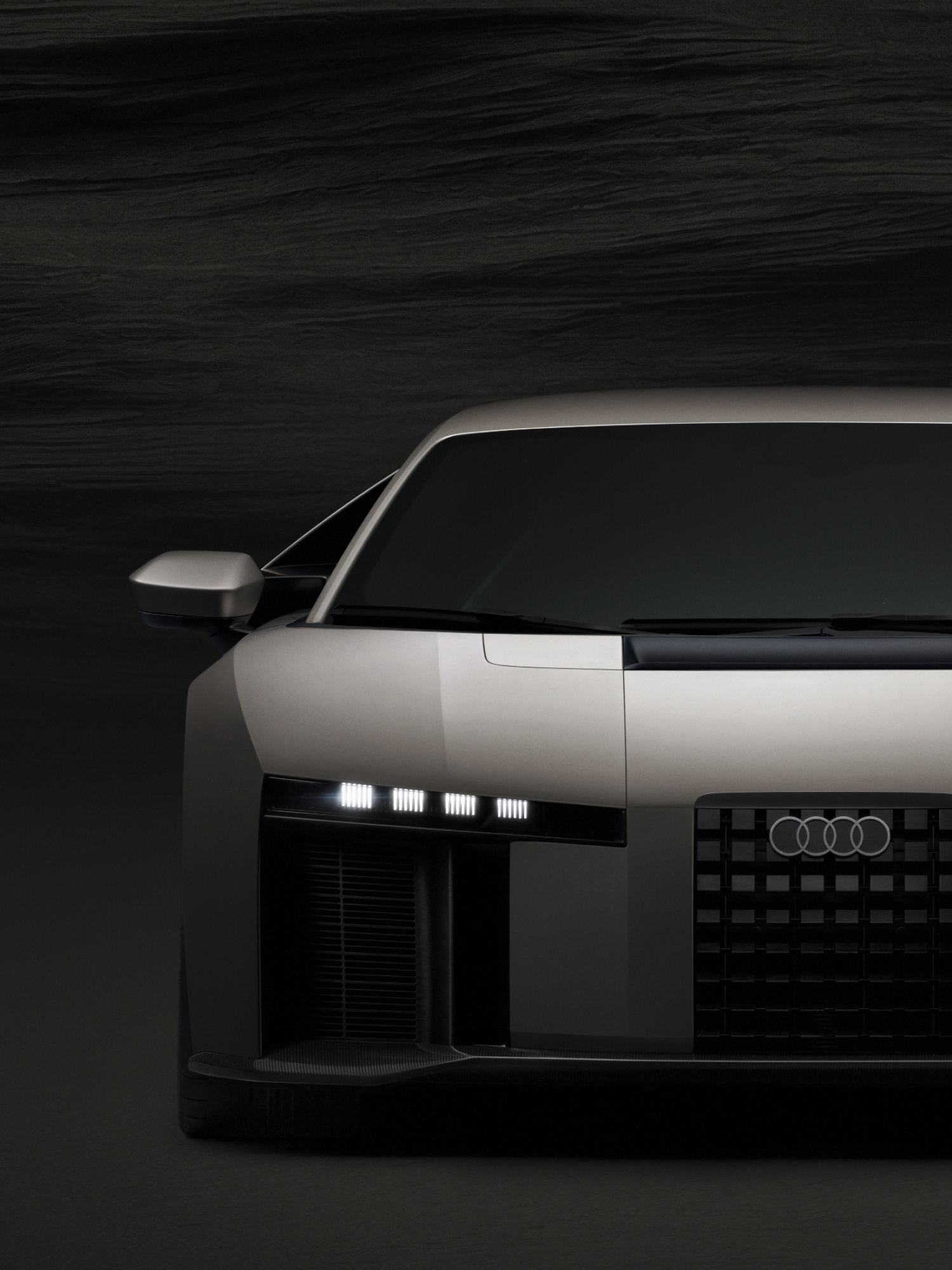
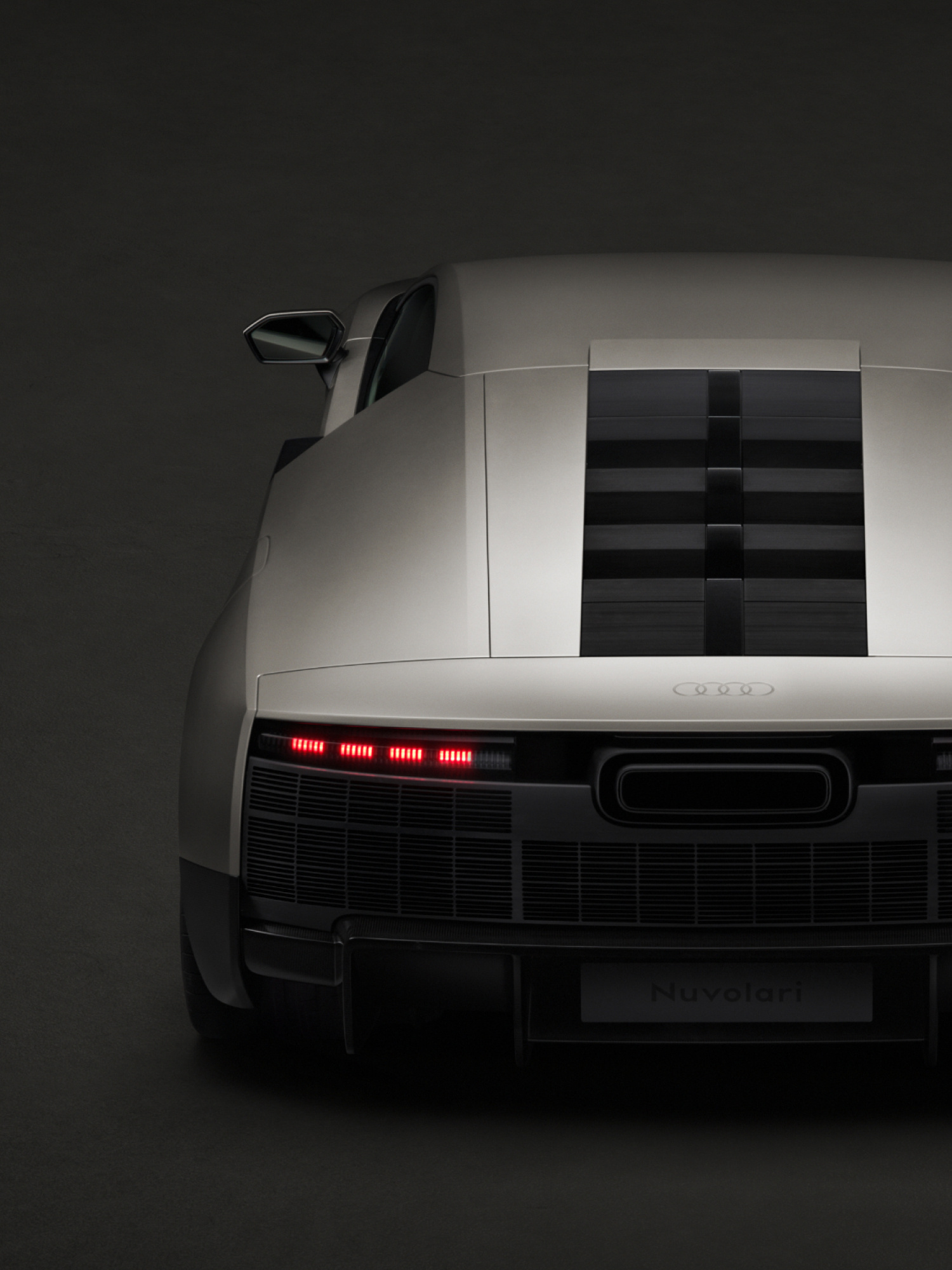
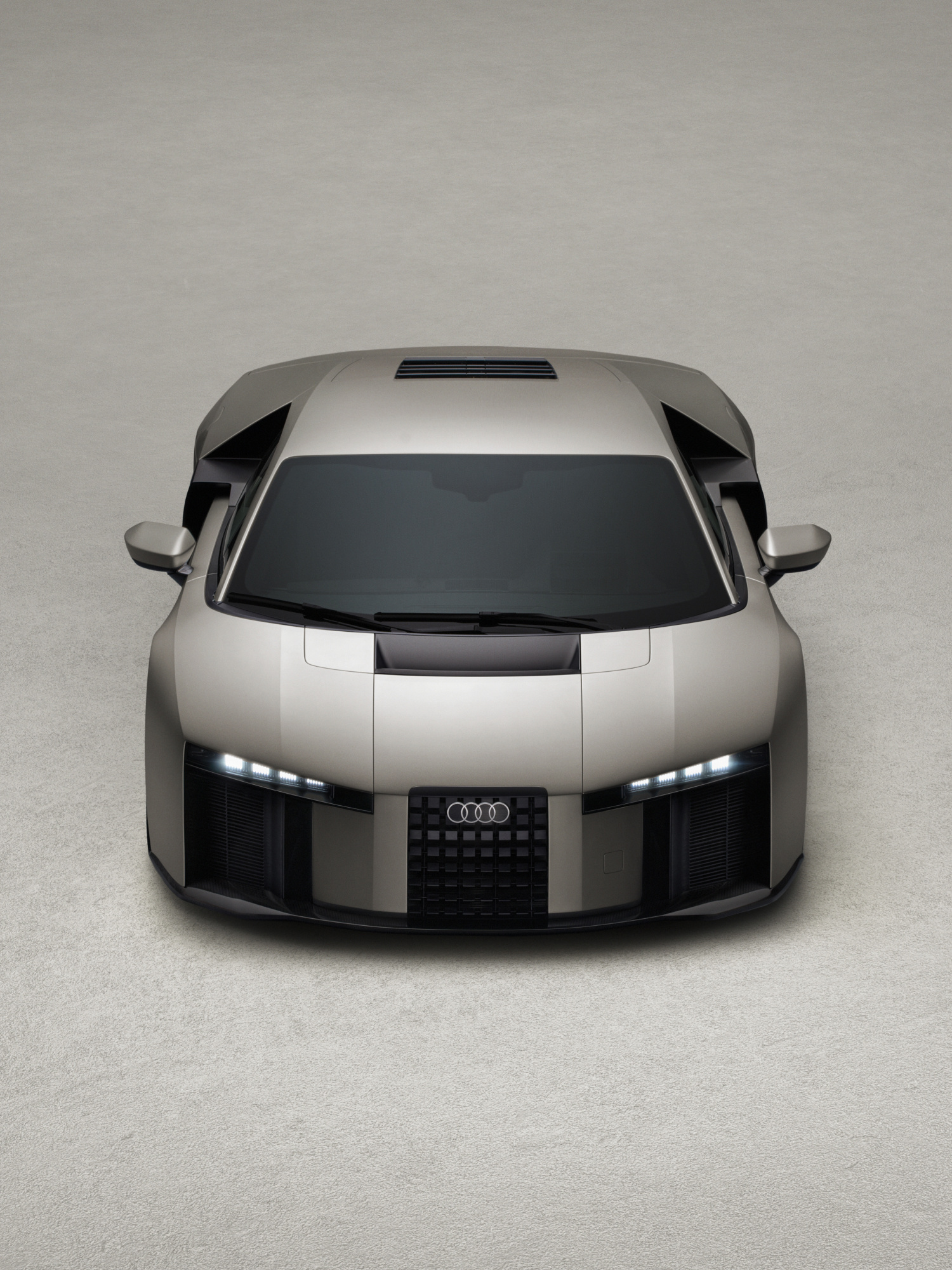
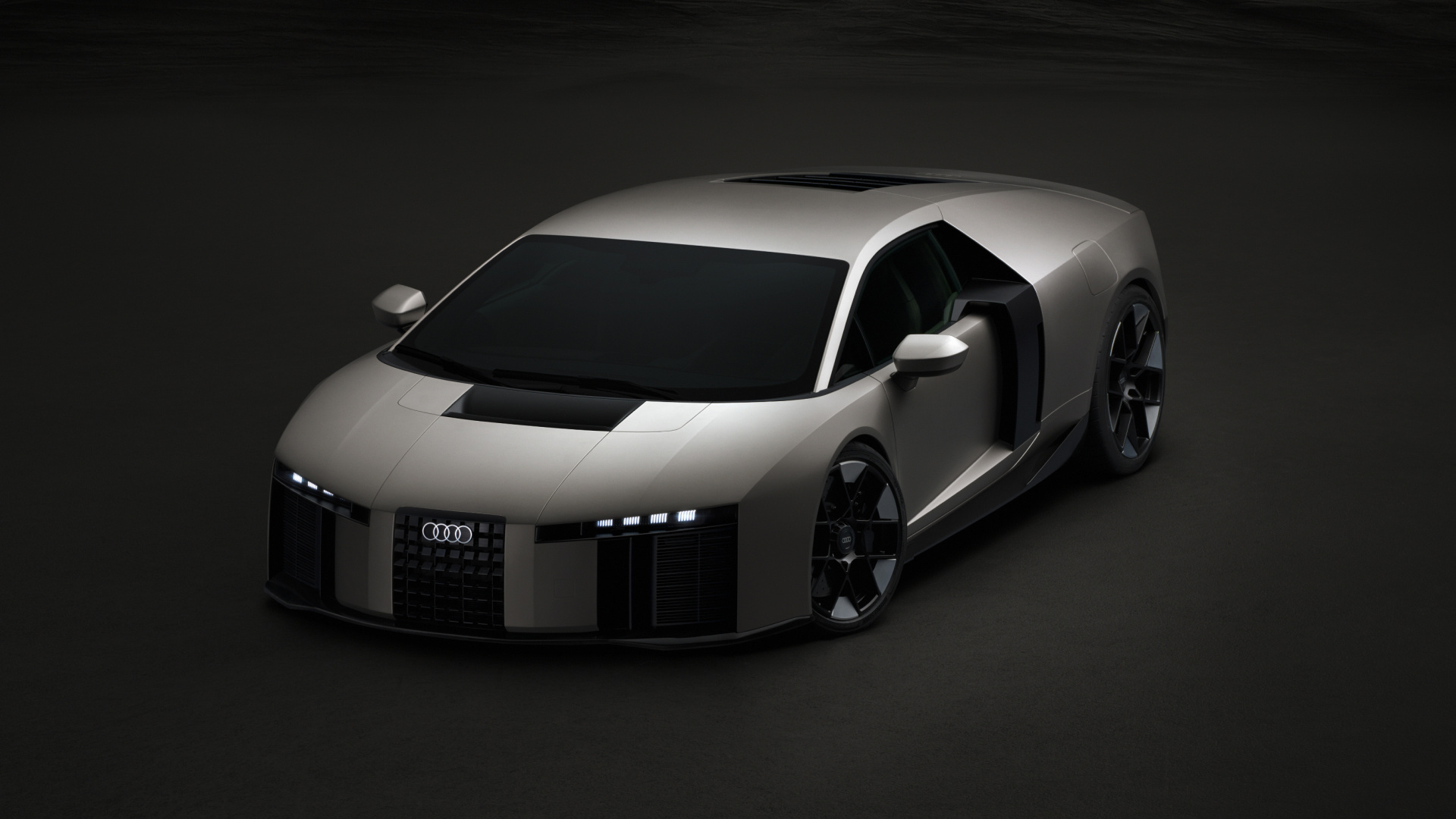
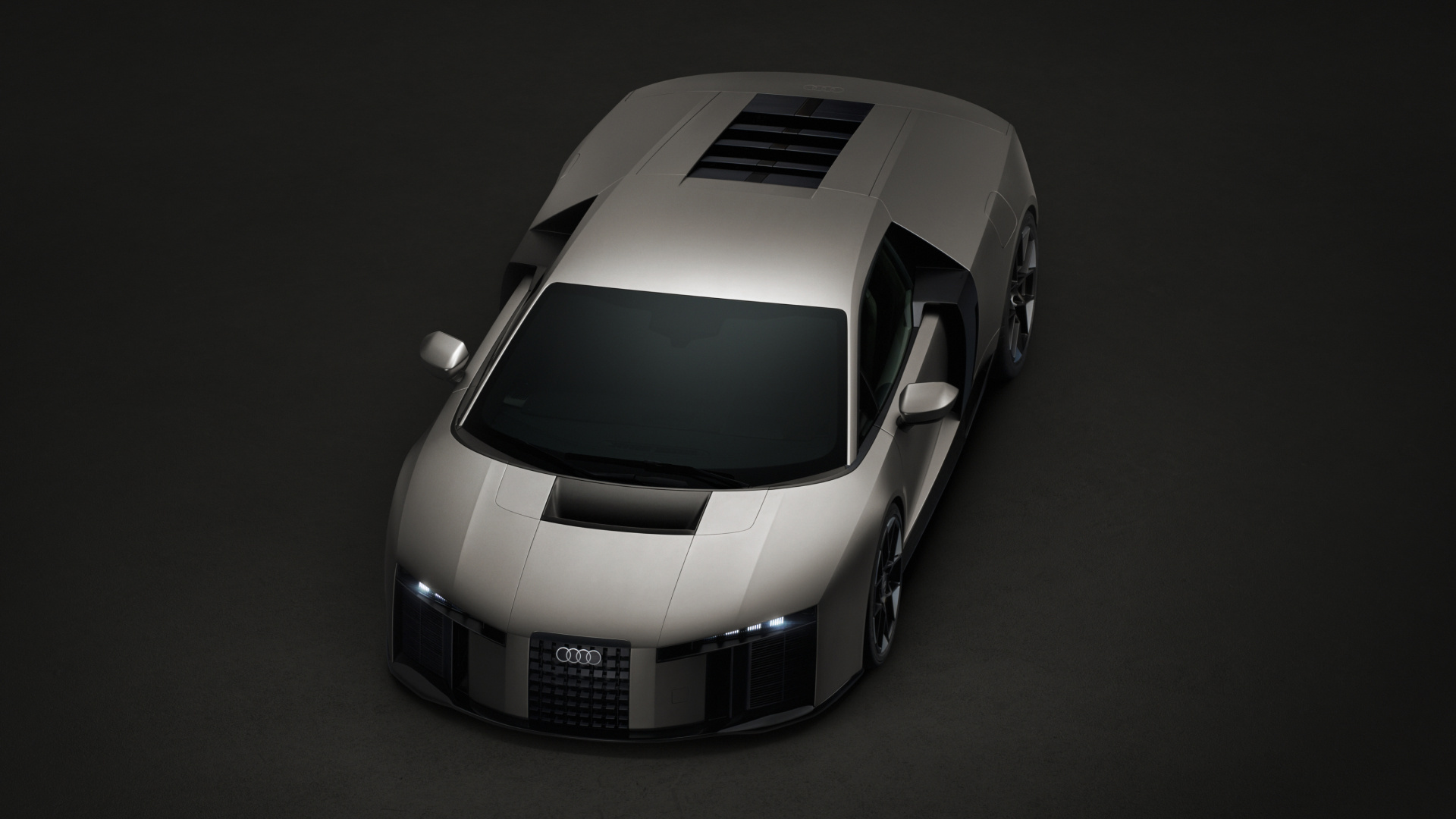
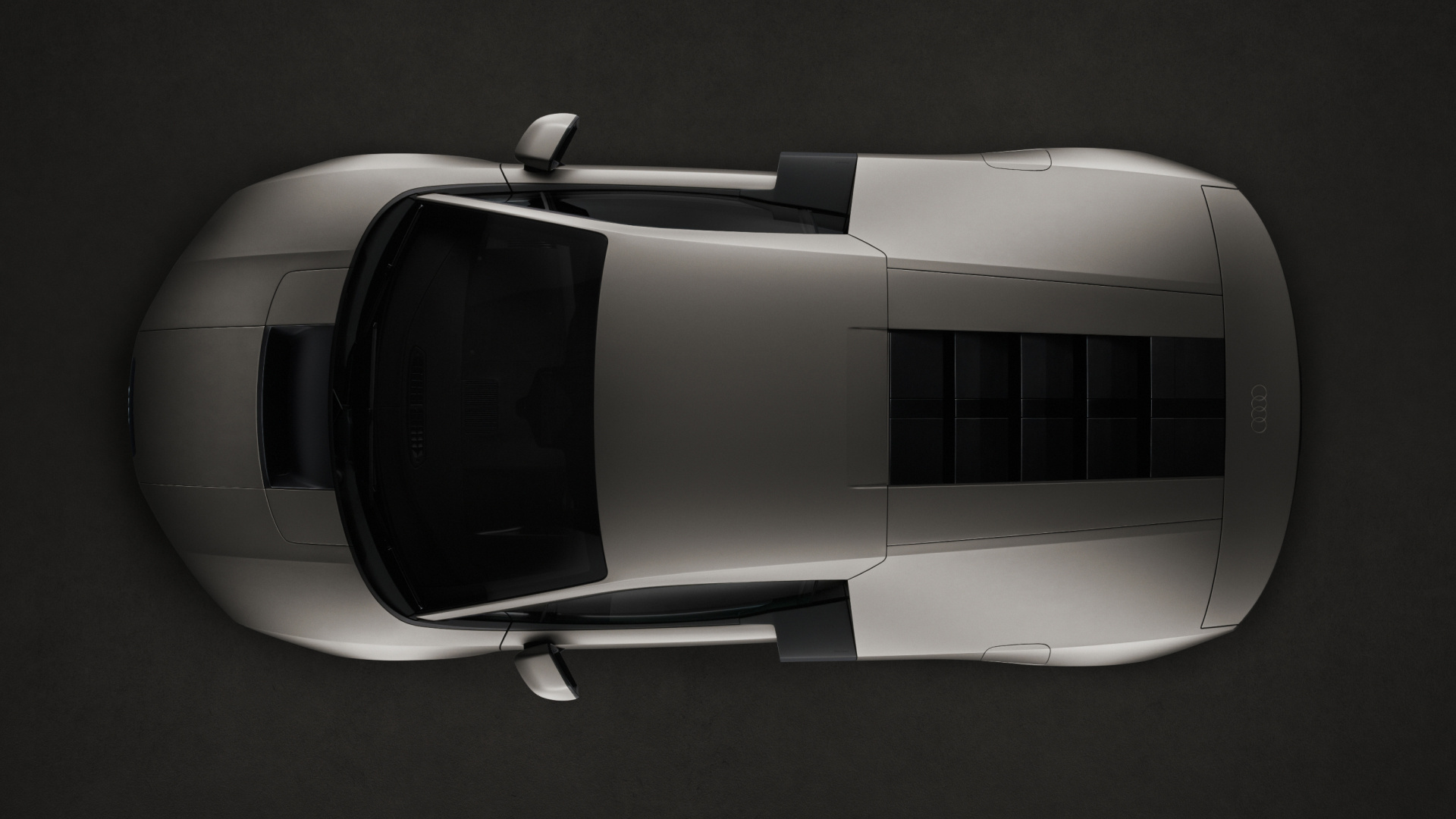
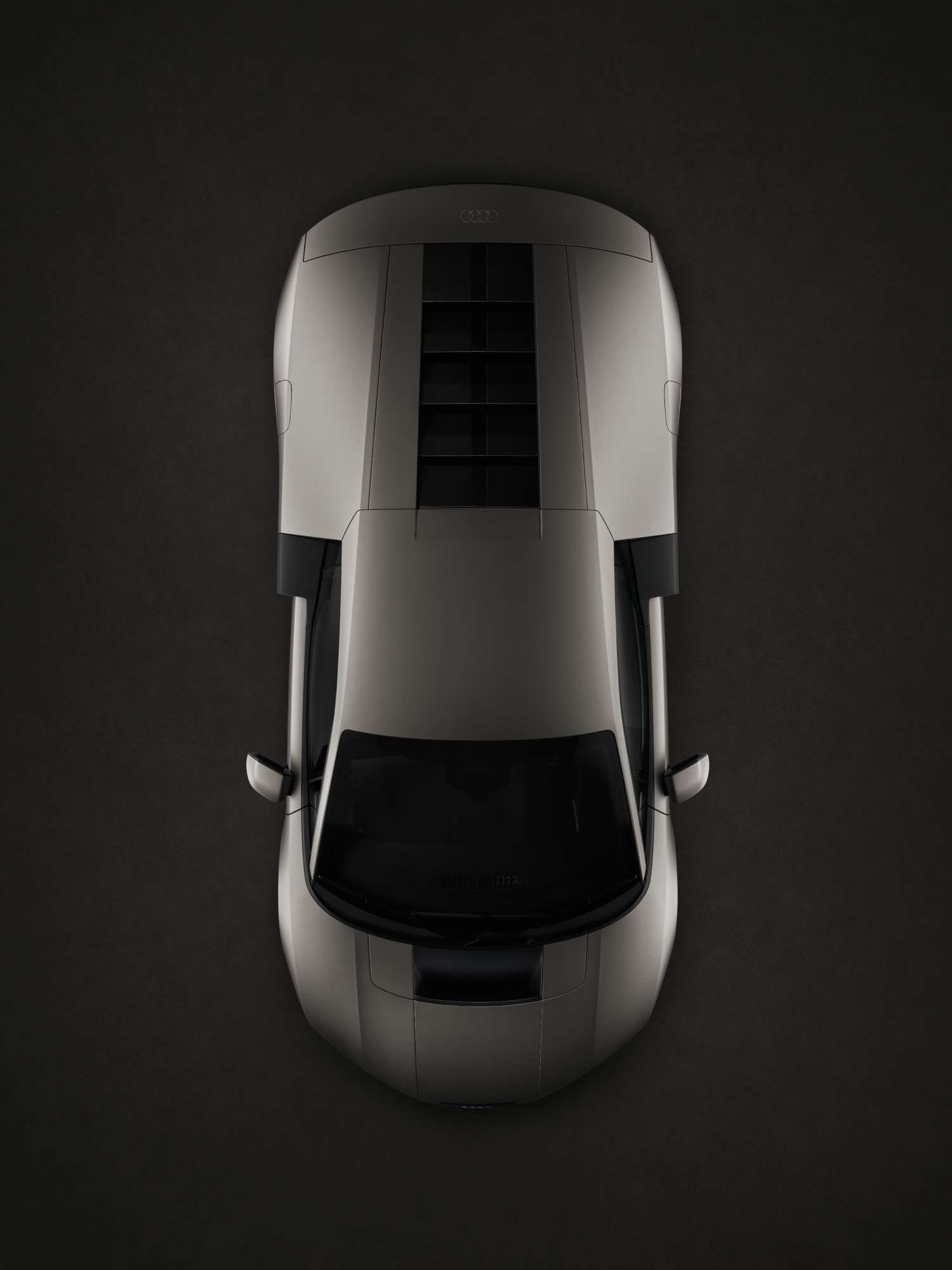
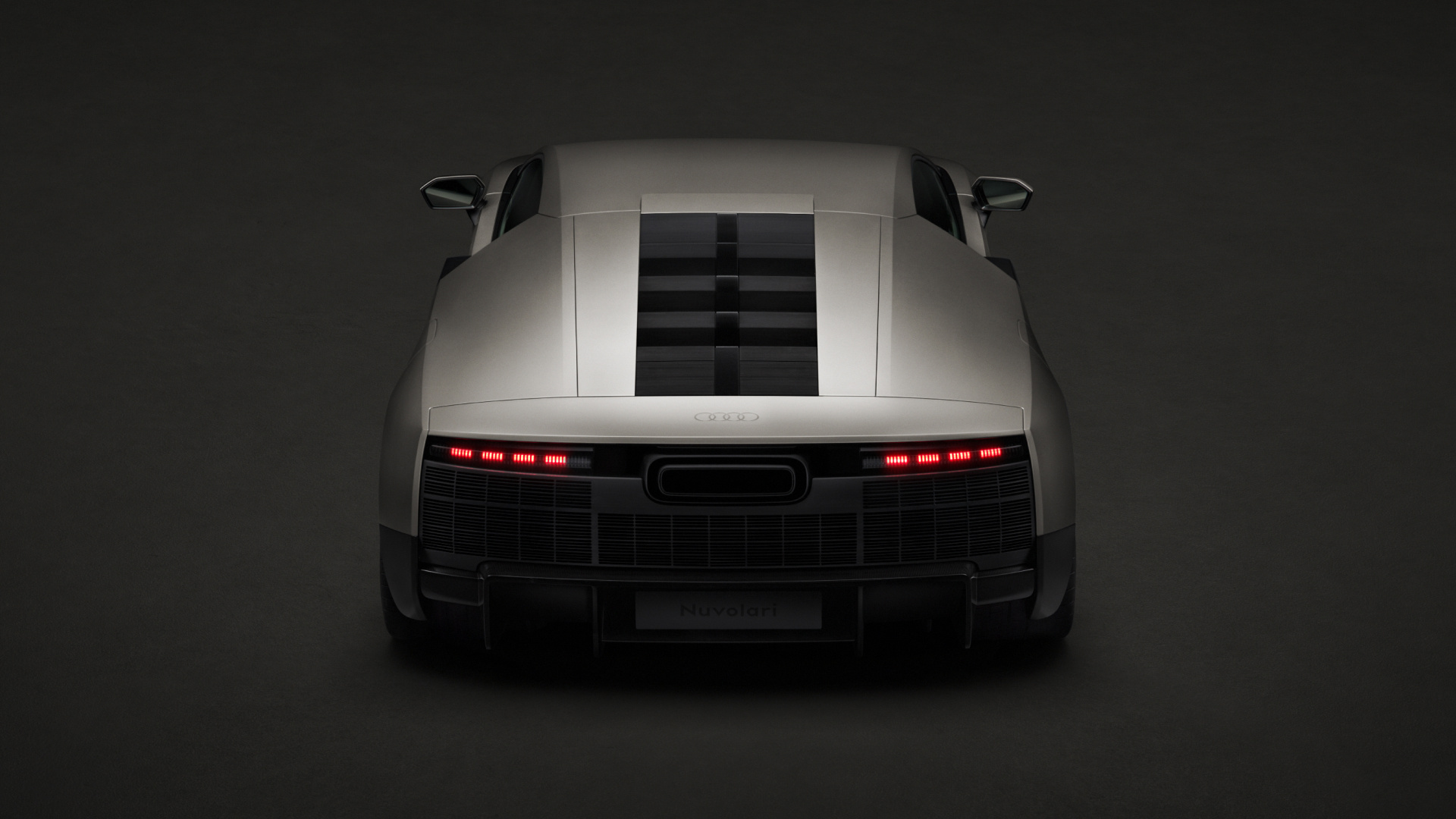
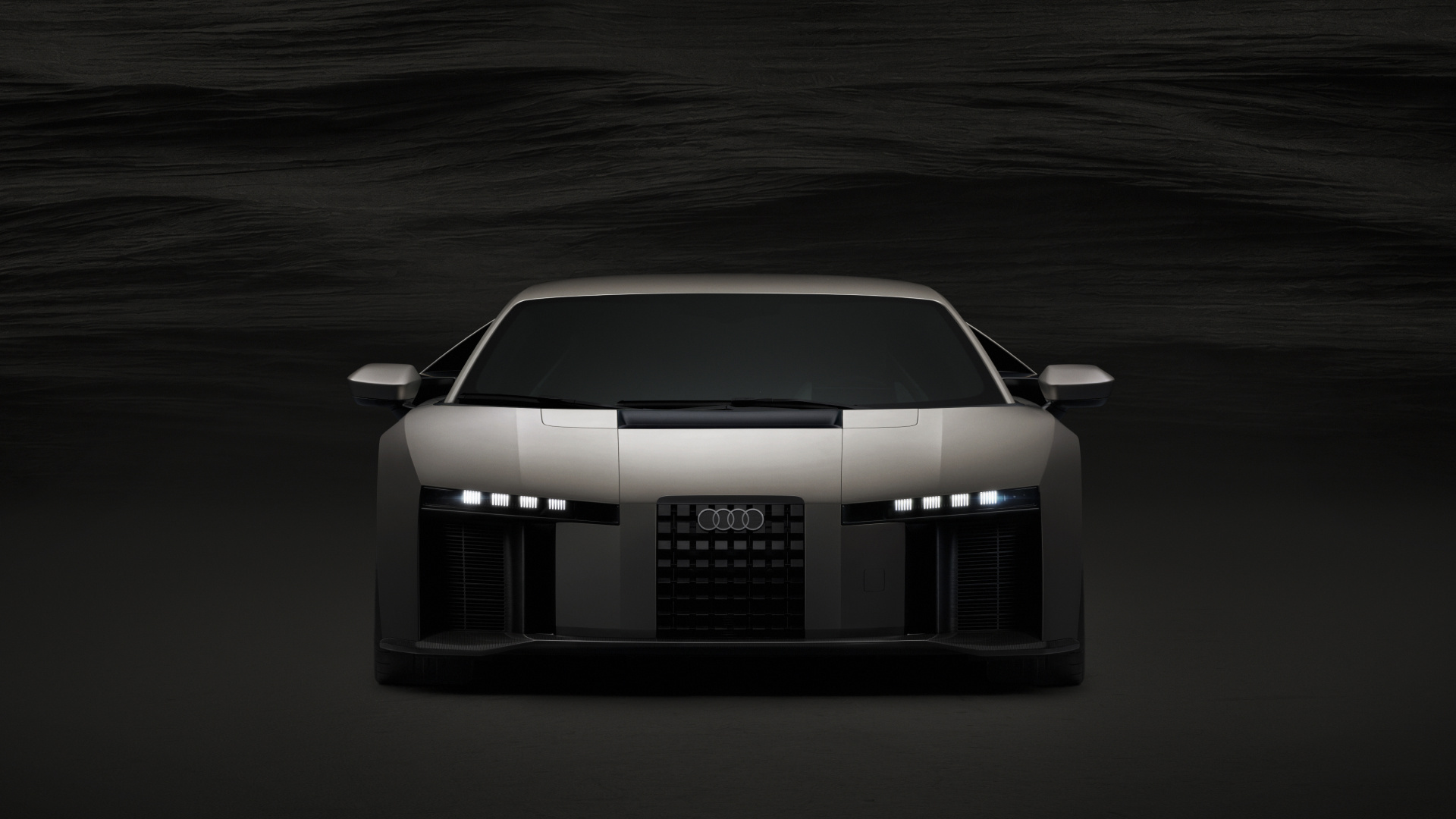
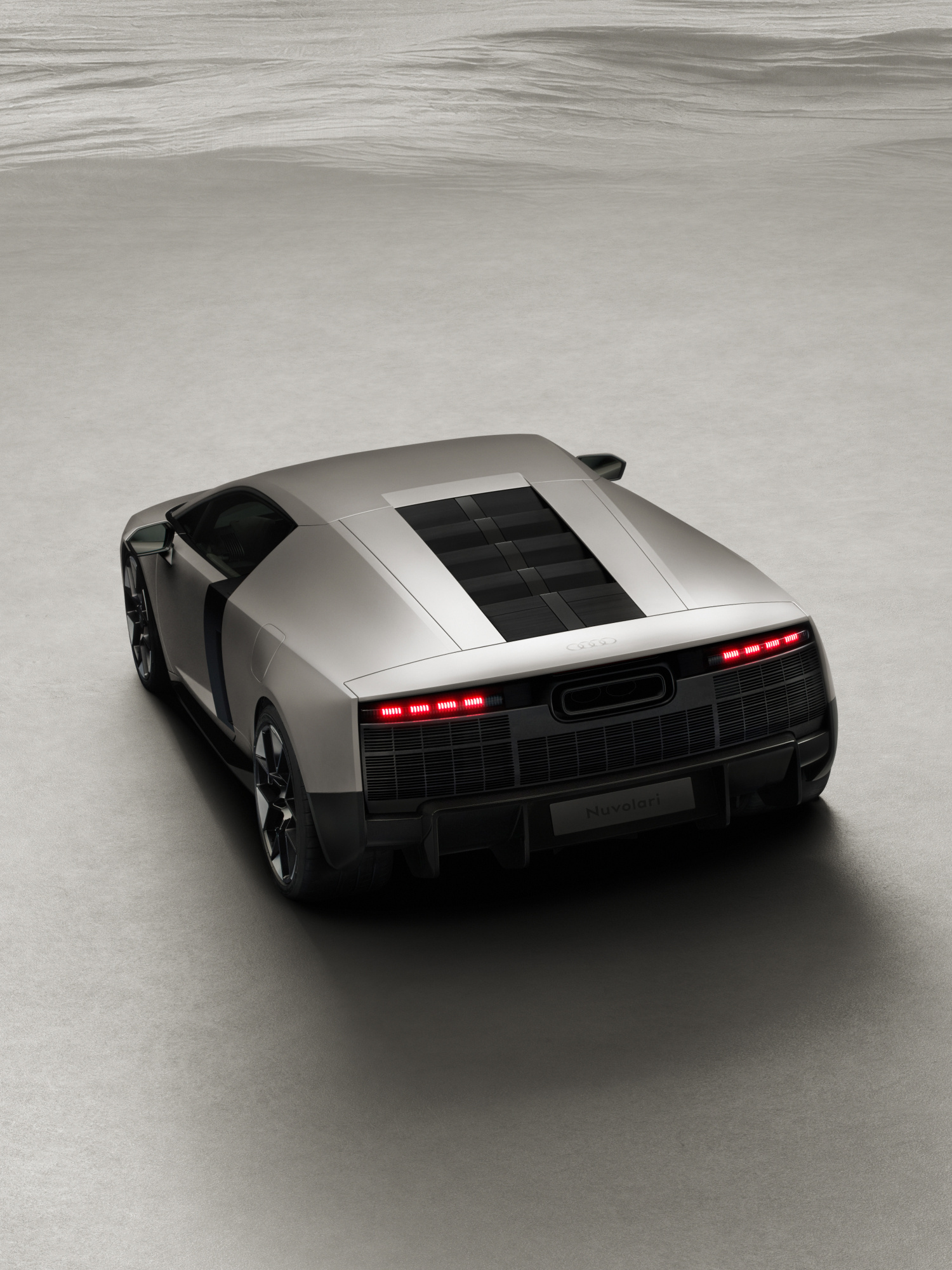
Chief Creative Officer Massimo Frascella, who joined Audi in June 2024, did not delegate this project. The Nuvolari is the first production vehicle to carry his new design language, beating even the well-received Concept C to market. What Frascella has created is striking: a monolithic form defined by uninterrupted surfaces and clean edges. Where most supercars resort to aggressive voids, blade-like wings, and complex aerodynamic appendages, the Nuvolari achieves better downforce figures than its Lamborghini Temerario cousin through restraint.
"There is no decoration," Frascella has stated. "Everything on this car has to have a purpose." The black contrast panel in the door channels air back over the body and into the engine bay while hiding the door handle. It also nods to the original R8's sideblade, launched 20 years ago. The reimagined sideblades were carved by computational fluid dynamics and play a vital aerodynamic role. According to Frascella, "It's not about looking back to be retrospective. It's about looking back to understand where you're coming from, where you belong."
The comparison to the Ferrari Luce is inevitable. Both represent radical departures from their respective brands. Both feature clean surfaces and a move away from visual aggression. But where the Luce has drawn widespread criticism for what many see as a disconnection from Ferrari's emotional heritage, the Nuvolari manages something different. It is reductive without being anonymous. The monolithic presence, the sophisticated panel integration, the purposeful sense of reduction all read as distinctly Audi.
The Ferrari Contrast
The Luce, designed by Jony Ive and Marc Newson's LoveFrom collective, has faced significant backlash since its May debut. Critics argue the exterior lacks the tension and sense of speed that define the marque. Ferrari's stock dropped as much as 8% on the day of the reveal. Even a former Ferrari chairman publicly questioned whether it undermines the brand's heritage.
The issue is not that the Luce looks bad in isolation. As one analyst put it, under a different badge or at a lower price, it might reset expectations for EV design overnight. The problem is that Ferrari built its identity on emotional overload and irrational desire. The Luce asks to be understood before it is desired. Admired before it is loved.
The Nuvolari avoids this trap. Audi's design legacy is different from Ferrari's. It has always been about technical clarity, about function expressed through form. The original Quattro revolutionized rally racing and brought permanent all-wheel drive to performance cars. The R8 proved Audi could build a credible supercar by sharing bones with Lamborghini while retaining its own personality. The brand with the four rings has earned its reputation through engineering excellence, not theatrical drama. A monolithic, reductive supercar is a natural extension of that identity rather than a betrayal of it.
Under the Skin
The Nuvolari combines a 4.0-liter twin-turbo V8 producing 800 horsepower with three axial flux electric motors, each delivering 110 kW. The V8 revs to 10,000 rpm, and total system output matches the once-unimaginable figure of the Bugatti Veyron: 1,001 PS. It accelerates from 0-100 km/h in 2.6 seconds and reaches 200 km/h in 6.8 seconds, with a top speed exceeding 350 km/h.
The technical underpinnings come from the Lamborghini Temerario, but Audi has gone further. The Nuvolari introduces quattro predictive ride, a system using a new generation of 3D sensors that can read road conditions and driver input faster and more accurately than its Italian cousin. Unlike the Lamborghini, the Nuvolari uses passive dampers, which CTO Rouven Mohr claims deliver a more consistent ride and smoother wheel travel. Mohr himself came over from Lamborghini, where he held the same role.
An aluminum space frame sits beneath a fully carbon fiber body developed using F1 expertise. The panels use prepreg autoclave technology, shaped and cured under high pressure for maximum structural performance with minimal weight. Audi's F1 drivers, including Nico Hülkenberg and Gabriel Bortoleto, were involved in signing off the dynamics.
A Skunkworks Success
The Nuvolari went from a half-formed idea to a finished production car in 405 days. Half a dozen engineers and designers hijacked a meeting with CEO Gernot Döllner in March of last year. A month later, the exterior design was largely finalized. The team was seldom more than 30 people, operating as a skunkworks unknown to the rest of the company. F1 engineers were embedded in the project.
Döllner says Audi is transforming as a company, speeding its processes and sharpening its focus. The Nuvolari serves as evidence. There was another motivation for the tight timeline: the car needed to be homologated before EU7 emission rules take effect.
Only 499 units will be built, priced around $700,000 in the United States and £500,000 in the UK. Some build slots remain, but wealthy buyers have already seen and ordered the car under non-disclosure agreements. The project is intended to be profitable, but that is secondary to the statement it makes. Audi intends the Nuvolari to establish a new design language from the top down and to rebuild enthusiast trust in a brand that has spent too many recent years looking indistinguishable from other premium sedans.
Whether the car succeeds on those terms will depend on what follows. The production version of the Concept C, an electric sports car, is expected after the Nuvolari reaches customers. For now, Audi has delivered something the supercar world rarely sees: a surprise worth waiting for.