The U.S. Department of Agriculture confirmed Wednesday that New World screwworm has been detected in a three-week-old calf in Zavala County, Texas. It is the first confirmed case on mainland American soil since 1966. The larvae were found in the animal's umbilical area. No additional cases have been detected.
The screwworm is a parasitic fly whose larvae burrow into the living flesh of warm-blooded animals. Females lay eggs in wounds or body openings; the maggots then feed on tissue, causing severe damage and often death. Infections can affect livestock, pets, wildlife, and occasionally humans.
Federal and state officials have established a 20-kilometer quarantine zone around the detection site. USDA and the Texas Animal Health Commission are implementing movement controls, enhanced surveillance, and accelerated release of sterile male flies. That sterile insect technique worked once before: the U.S. originally eradicated the parasite through a decades-long campaign that pushed the screwworm south to the Panama-Colombia border.
Now the pest is moving north again. Cases have surged across Mexico and Central America since 2023. The USDA shut down the southern border to live cattle imports in May 2025, cutting off a supply line that historically brought more than 1.2 million head of feeder cattle into Texas feedlots annually. That closure has already tightened the domestic beef supply.
The Cattle Herd Problem
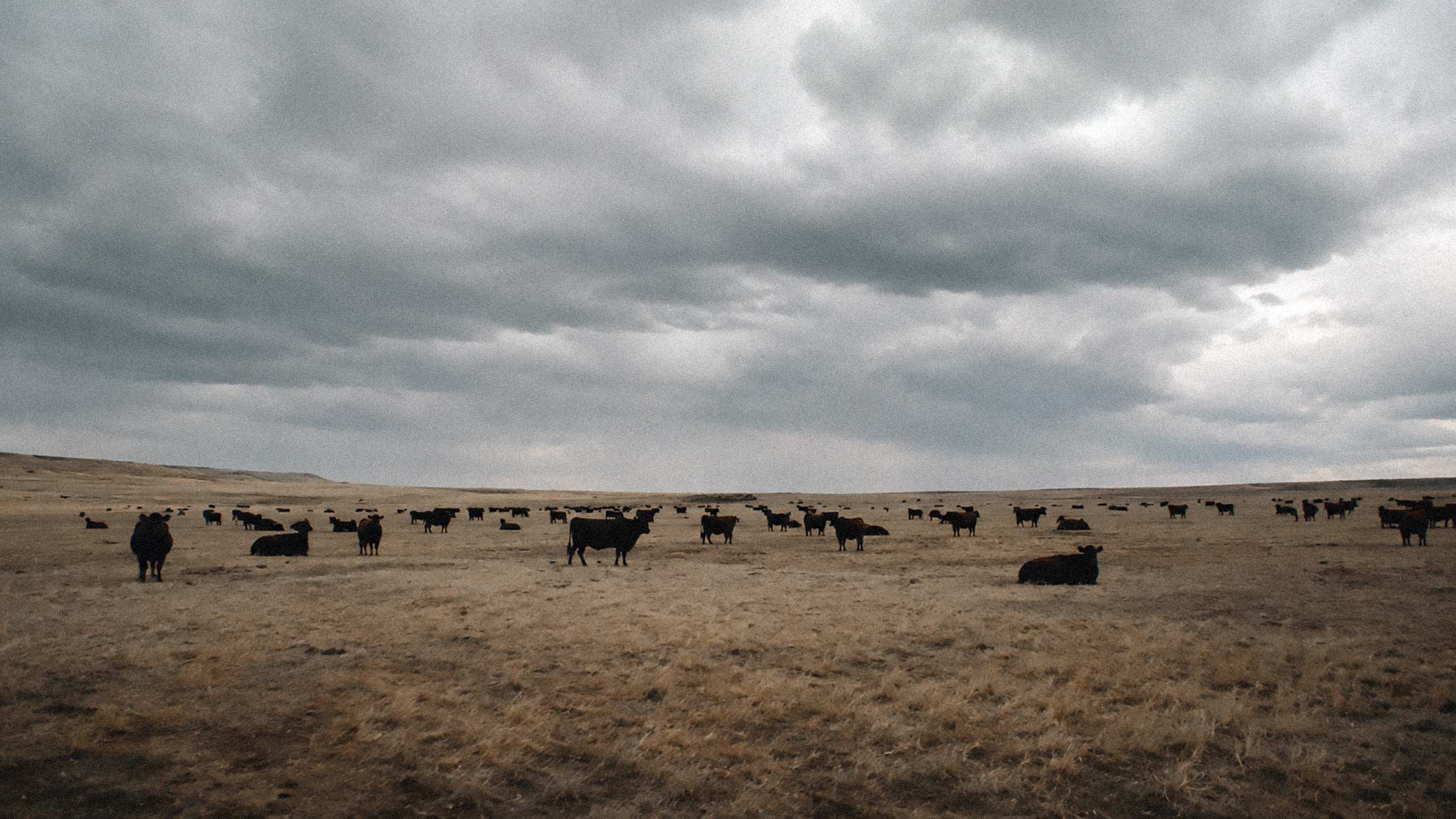
The timing could hardly be worse. The U.S. cattle herd stood at 86.2 million head as of January 1, 2026, according to USDA data. That is the lowest number in 75 years, dating back to 1951. Persistent drought, rising costs, high interest rates, and consolidation in the industry have combined to discourage ranchers from rebuilding.
R-CALF USA CEO Bill Bullard has warned that the herd has been shrinking "at an alarming rate for the past several decades." Meanwhile, consumer demand for beef remains strong. The result is a classic supply-demand squeeze. Ground beef averaged $6.90 per pound in April, roughly 19% higher than the same month last year. Beef and veal prices overall were up 14.8% year over year. USDA forecasts project beef prices will climb between 10% and 18% in 2026.
A major screwworm outbreak would amplify these pressures. According to the Federal Reserve Bank of Dallas, an outbreak on the scale of the 1972 event, which saw an estimated 90,000 cases, could cost the Southwest more than $3 billion. The stakes are particularly high for Texas, home to the nation's largest cattle industry and a sector state officials value at $15 billion.
The Energy and Fertilizer Overlay
American ranchers and farmers are already reeling from the broader energy crisis. Shipping through the Strait of Hormuz has collapsed, disrupting global flows of oil, natural gas, and fertilizer. About one-third of global seaborne fertilizer passes through that chokepoint.
The World Bank projects fertilizer prices will rise 31% in 2026, led by a 60% jump in urea. A survey by the American Farm Bureau Federation found that 70% of farmers cannot afford the fertilizer they need this season. Higher diesel costs are already pushing cattle transportation prices up by $400 to $600 per truckload.
The USDA's most recent food price forecast projects overall food prices will rise 3.6% this year. But the pain is unevenly distributed. Fresh vegetables were up 11.5% in April; beef continues to outpace nearly every other protein. The combination of constrained energy supply, fertilizer shocks, and the screwworm threat creates a scenario where beef prices could climb well beyond current projections if containment fails.
What Comes Next
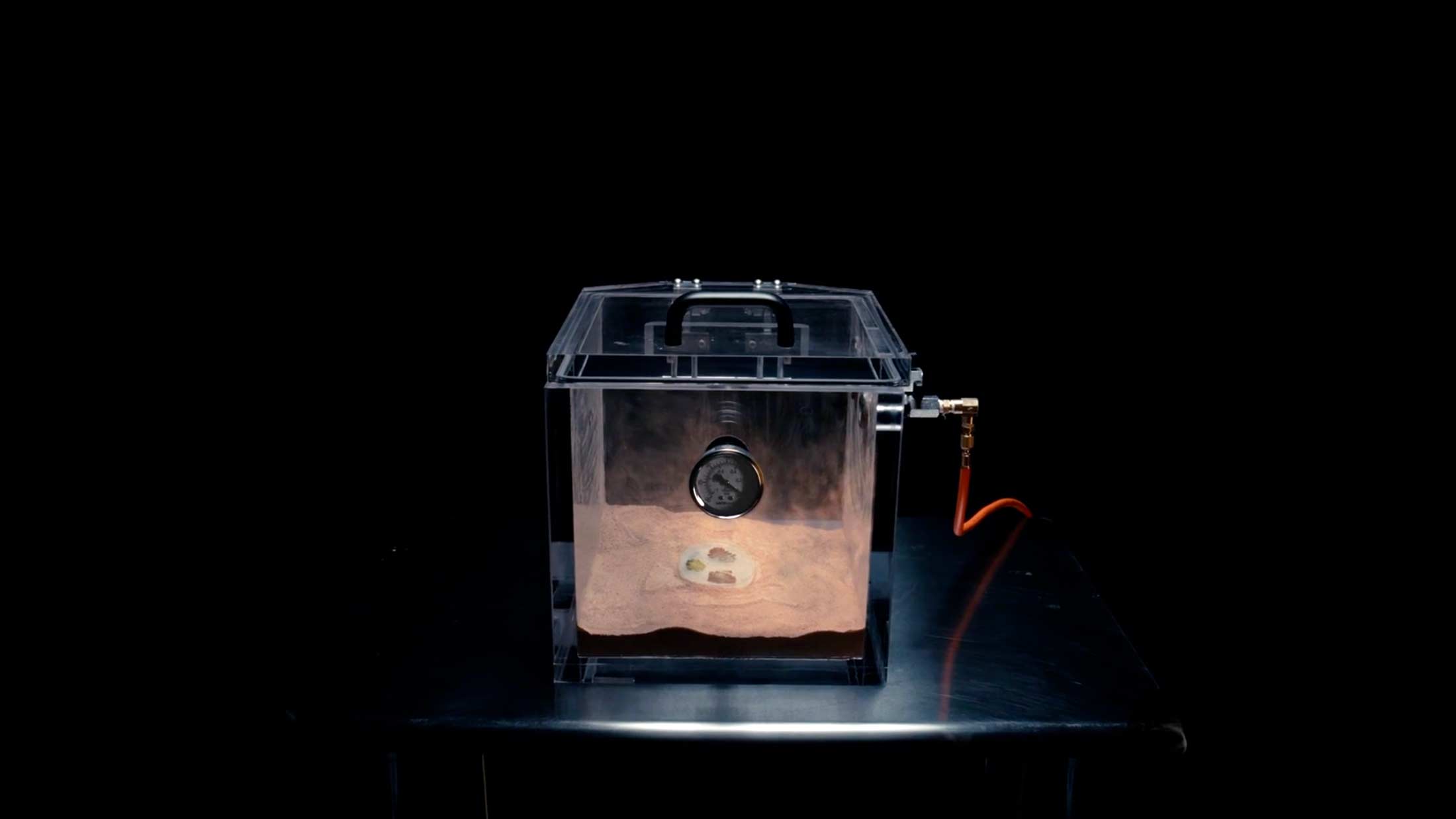
USDA says it is dispersing 100 million sterile screwworm flies per week in Mexico and along the border. The U.S. has also committed $750 million to build a sterile fly production facility in Texas, expected to open in 2027. Ground-release chambers are being deployed to the quarantine zone immediately.
Whether these measures can contain the outbreak before it spreads depends on early detection. USDA is urging livestock owners in the region to inspect animals for draining wounds, larvae around the nose, ears, and genitalia, and signs of distress. The agency maintains that the U.S. food supply remains safe; screwworms do not infest meat or other food products. But the broader biosecurity implications are significant.
Ranchers have already been squeezed by drought, inflation, and trade disruptions. A persistent screwworm outbreak would add veterinary treatment costs, quarantine-driven movement restrictions, and potential livestock losses. Herd rebuilding, already proceeding slowly, could stall indefinitely. Any contraction in cattle supply ripples forward through feedlots, slaughterhouses, and grocery aisles.
The USDA statement emphasized that the agency had bought time for preparation over the past year. Whether that time was enough will become clearer in the weeks ahead.