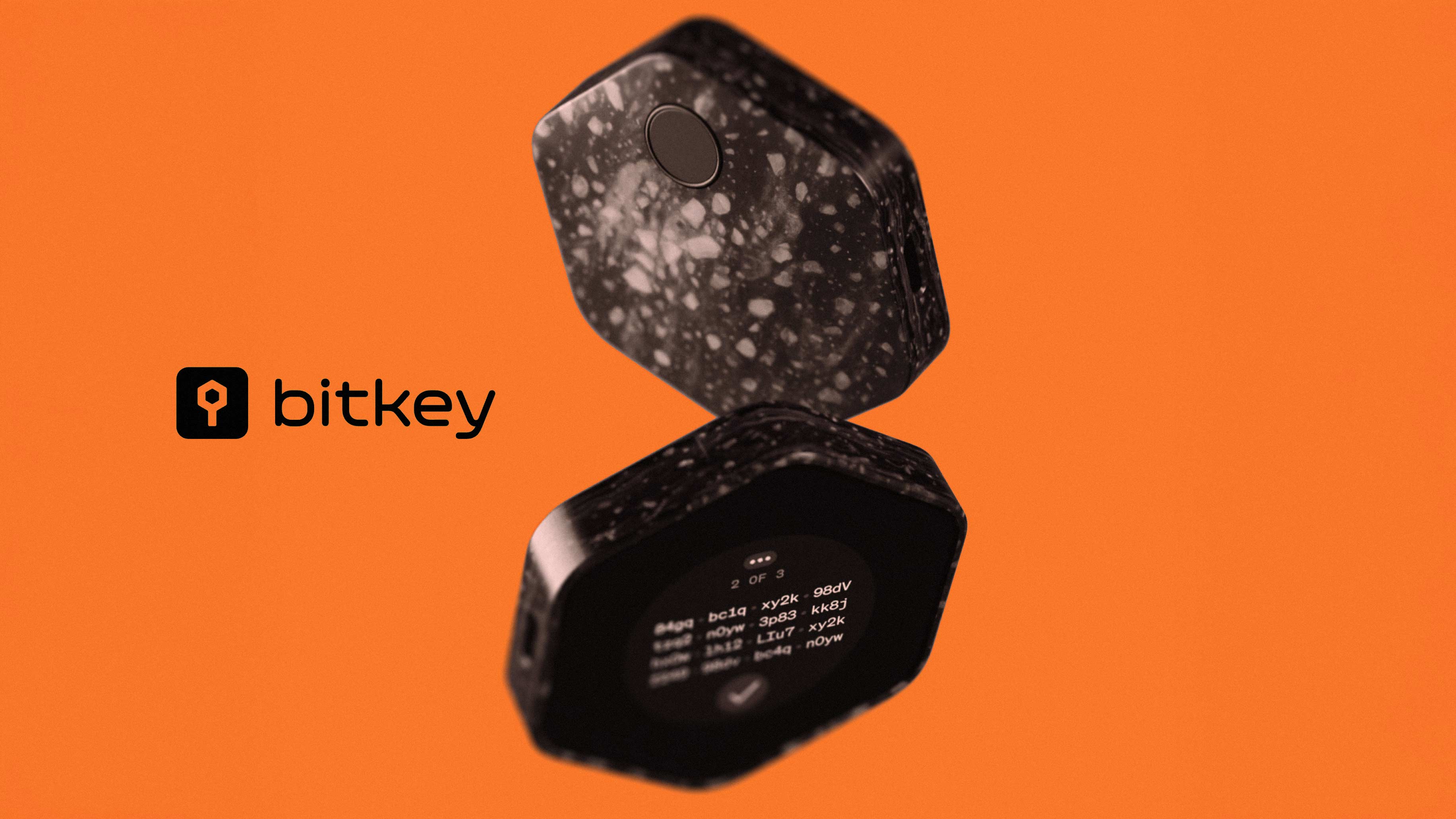
Block has unveiled a new version of its Bitkey Bitcoin hardware wallet, and the headline change is significant: it now includes an on-device screen for transaction verification. The original Bitkey, which began shipping in March 2024, was routinely criticized for requiring users to blindly trust their smartphone app when approving transactions. That design choice, while meant to simplify the user experience, left security-conscious Bitcoiners uneasy.
The new hardware addresses this directly. According to Block, the updated Bitkey screen lets users verify exactly what they're approving before signing, right on the device itself.
Why the Screen Matters
Hardware wallet displays exist for a reason. Clipboard malware and other attacks can manipulate transaction data before it reaches your phone screen. Without a dedicated display on the signing device, users had no way to independently verify that the address and amount they were about to approve matched their intentions. Block previously argued that cryptographic verification between the hardware, app, and its servers compensated for the lack of a screen. Critics disagreed. Now the company has relented.
The rest of the Bitkey architecture remains intact. It still uses a 2-of-3 multisignature setup: one key lives on your phone, one on the hardware device, and one on Block's servers. Any two keys are needed to sign a transaction, which means you can recover your funds if you lose your phone or the device. Block cannot move your bitcoin without your involvement.
Bitkey Specifications
| Feature | Specification |
|---|---|
| Security Model | 2-of-3 multisig (hardware + app + server) |
| Display | Yes (new version) |
| Biometrics | Fingerprint sensor |
| Connectivity | NFC (tap to confirm) |
| Charging | USB-C |
| Battery Life | Up to 1 year on a single charge |
| Dimensions | 56mm x 62mm x 13mm |
| Weight | 65 grams |
| Materials | Corian Solid Surface top, stainless steel back |
| Seed Phrase | Not required |
| Supported Assets | Bitcoin only |
| Platform | iOS 15.2+, Android Nougat+ |
Who Is This For
Bitkey remains a Bitcoin-only device. If you hold ETH, stablecoins, or anything else, look elsewhere. It does not support the Lightning Network or dApps. But for people who want simple, reasonably secure self-custody of their bitcoin without managing seed phrases, this is the pitch. The inheritance feature lets you designate a beneficiary who can claim your funds after a six-month waiting period. Exchange integrations with Coinbase, Cash App, Robinhood, and MoonPay make buying and transferring bitcoin straightforward.
The original Bitkey launched at $150 and is available in over 95 countries. Time named it one of the best inventions of 2024. Pricing details for the new screened version were not publicly disclosed at the time of publication. Those interested can check the official product page for availability.
With the screen addition, Block has answered the most persistent criticism of its hardware. The philosophical debate over whether multisig with a corporate key-holder truly qualifies as "self-custody" will continue. But for mainstream users who wanted a hardware wallet that didn't require them to memorize 24 words or squint at tiny screens, Bitkey now offers both simplicity and verification. For deeper context on how Bitcoin's security landscape is evolving, including quantum threats and privacy challenges, the timing of this upgrade is notable.