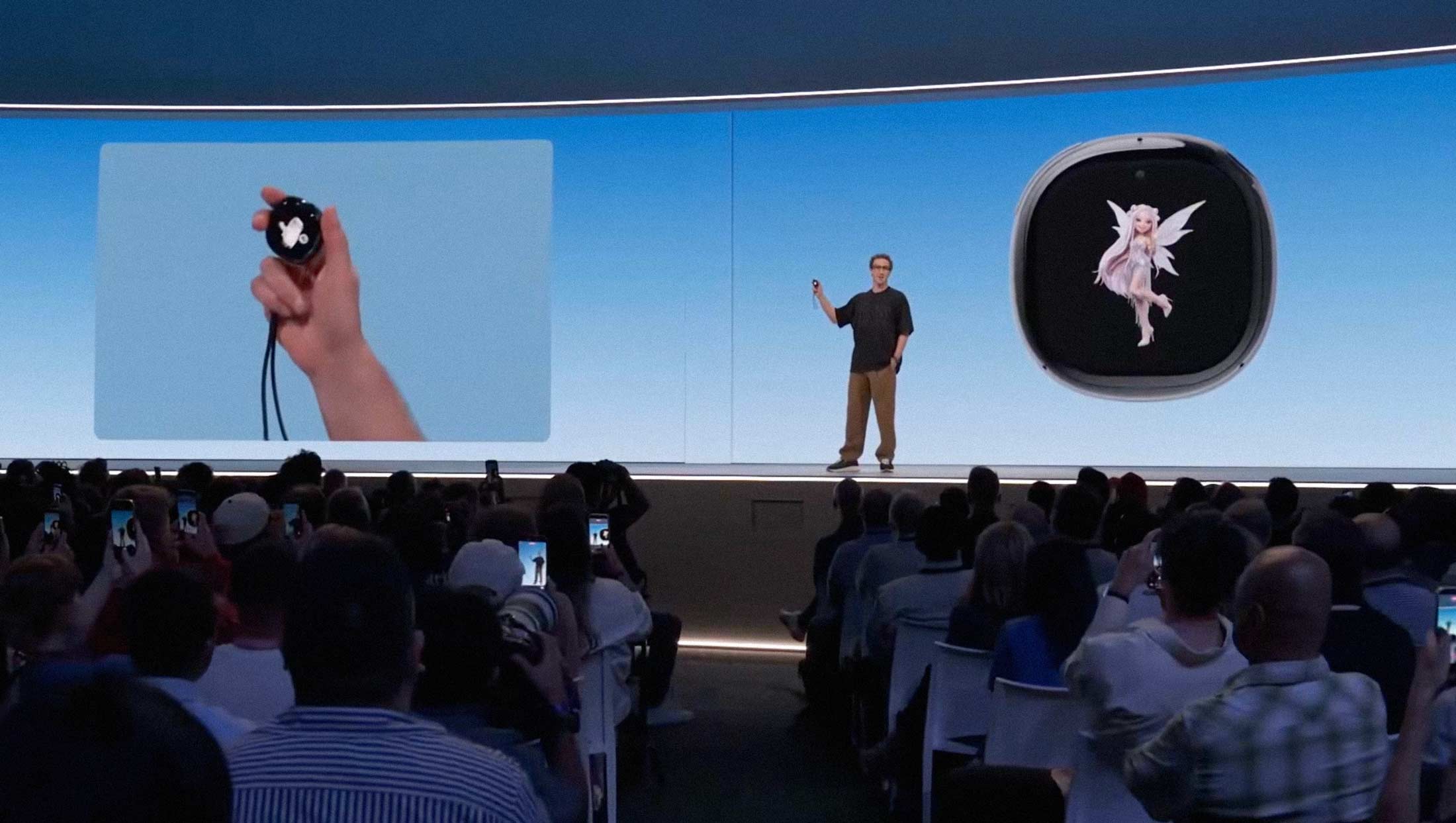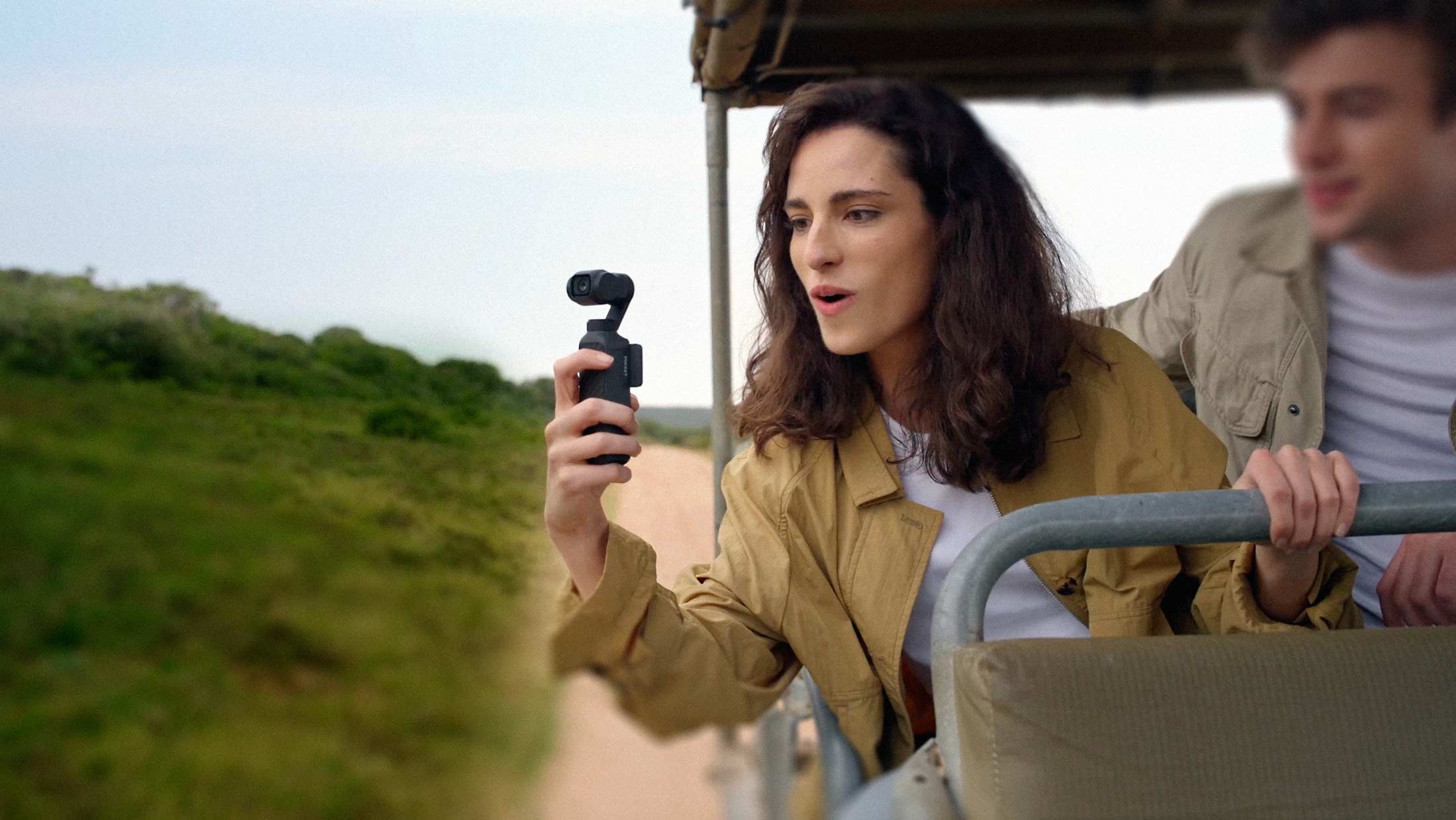
In a surprising move, a DJI official X account posted the official launch of the highly anticipated Osmo Pocket 4, revealing a pocket gimbal that looks less like an incremental update and more like a fundamental rethink of what these devices can do. At the time of publishing, no publications or official website showcased the product, indicating this was likely an unintentional premature reveal of the product.
The headline spec is a 1-inch CMOS sensor. For context, that's the same sensor size you'll find in Sony's high-end RX100 compact cameras and some of DJI's own professional drones. Cramming that into a device designed to slip into a jacket pocket represents genuine engineering achievement.
The Specs That Matter
The leaked materials show 14 stops of dynamic range, which puts this tiny gimbal in conversation with cameras costing several times more. That number translates directly to better highlight and shadow retention. You'll actually be able to shoot a sunset without choosing between a blown-out sky and a silhouetted subject.
| Specification | Osmo Pocket 4 |
|---|---|
| Sensor | 1-inch CMOS |
| Dynamic Range | 14 stops |
| Video Resolution | 4K at 240fps |
| Color Profile | 10-bit D-Log |
| Stabilization | 3-axis mechanical gimbal |
| Zoom | 2× lossless |
| Storage | 107GB built-in |
| Transfer Speed | 800MB/s |
| Tracking | ActiveTrack 7.0 |
| Audio | OsmoAudio 4-channel output |
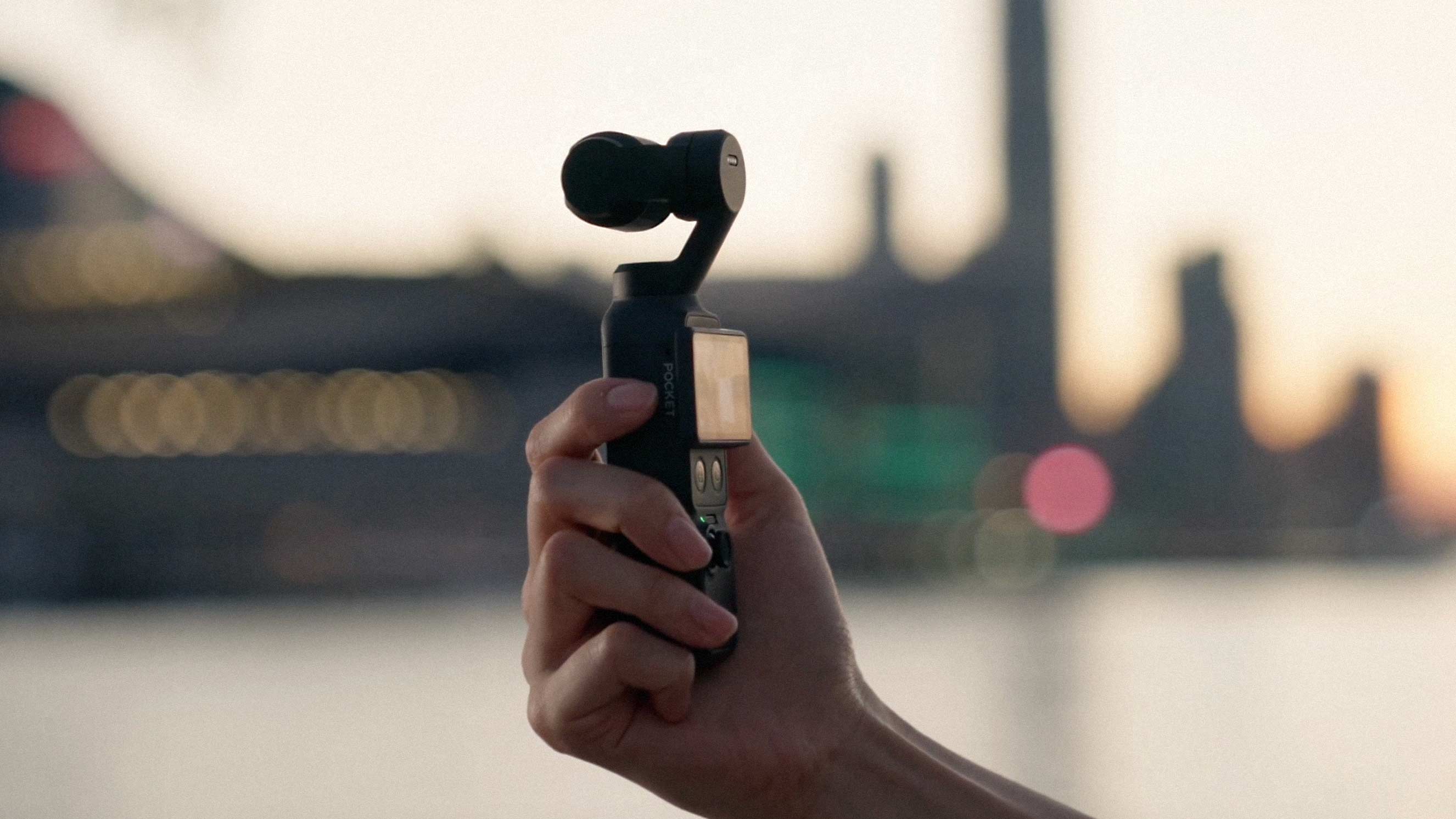
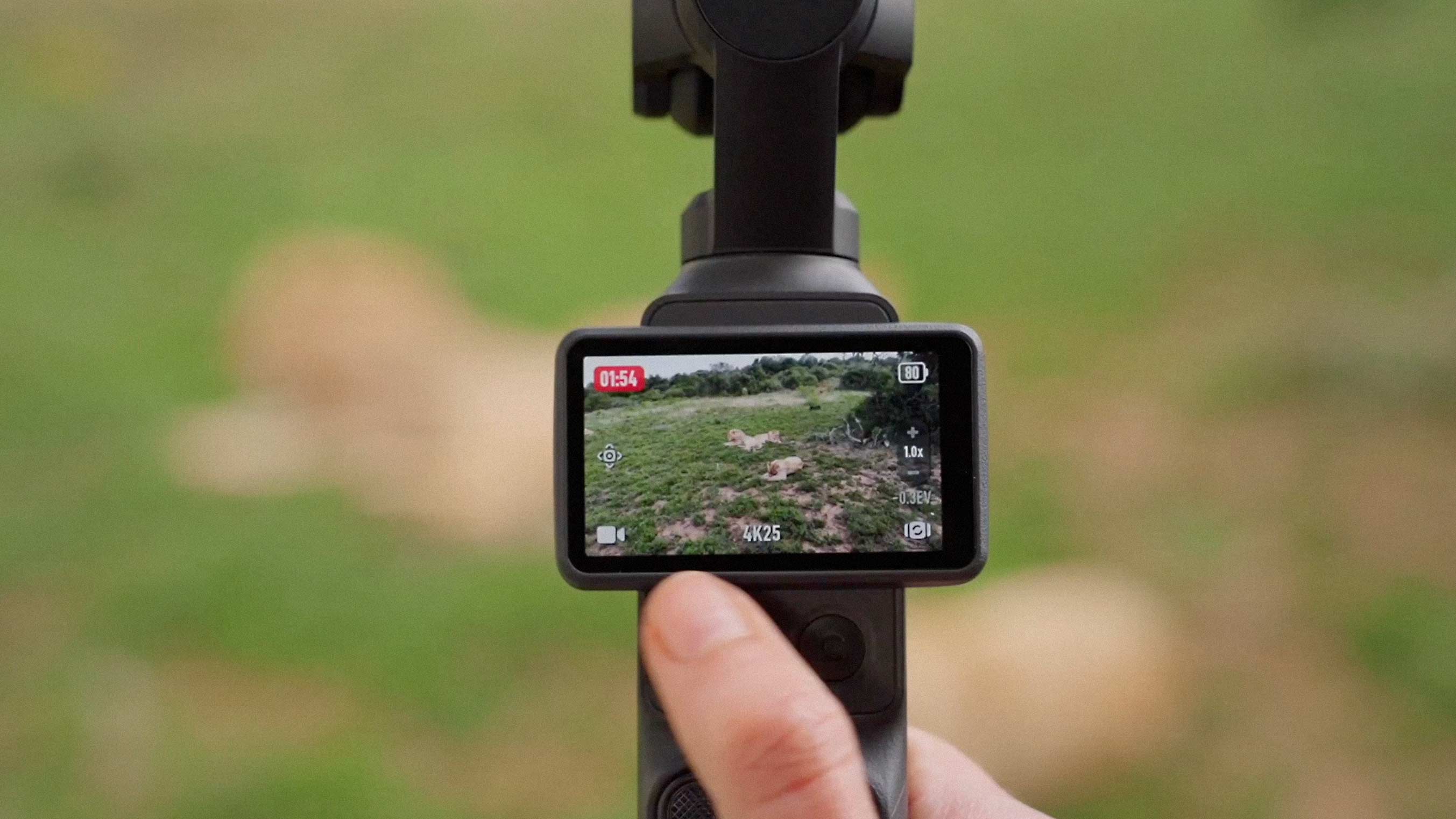
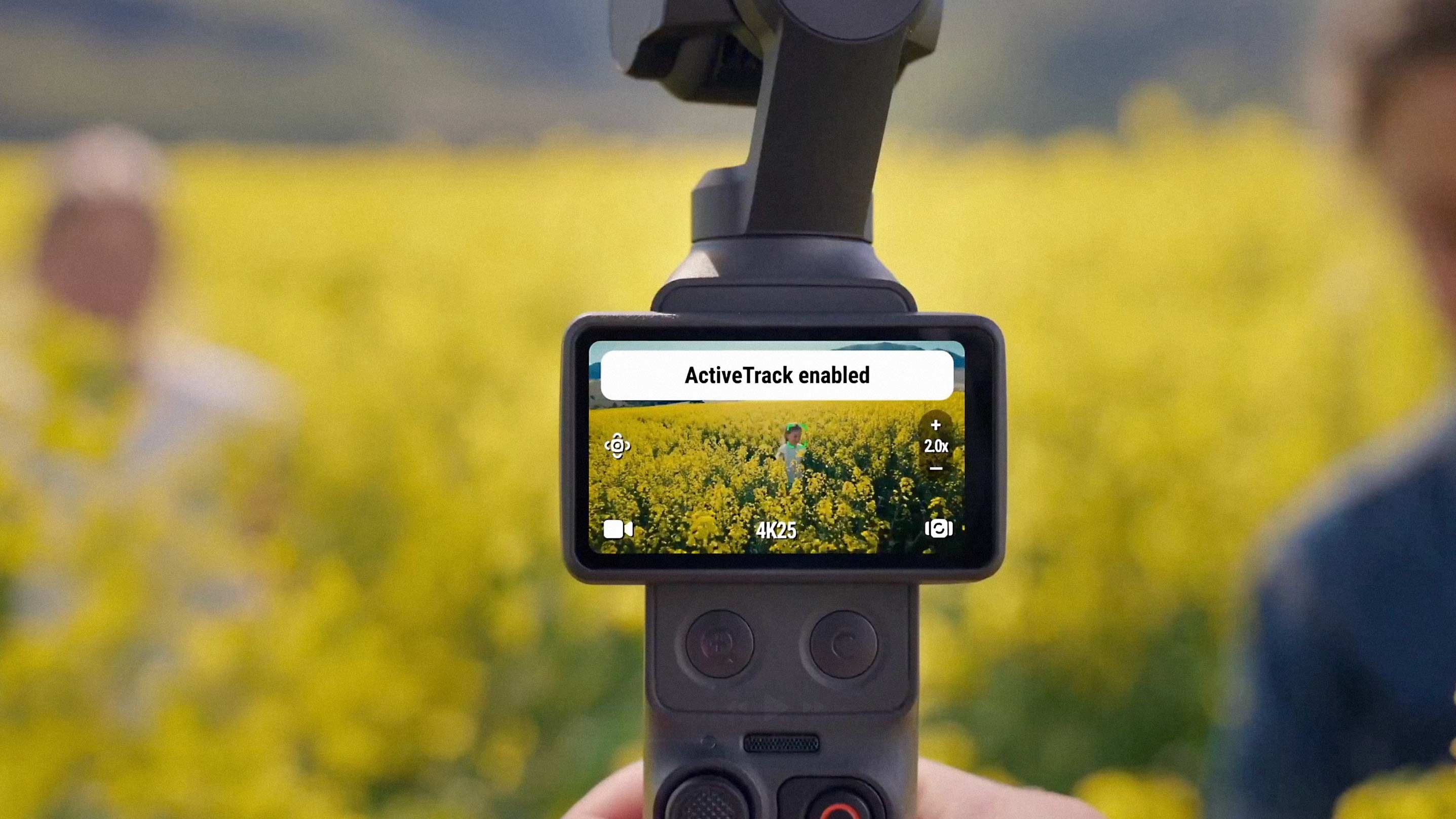
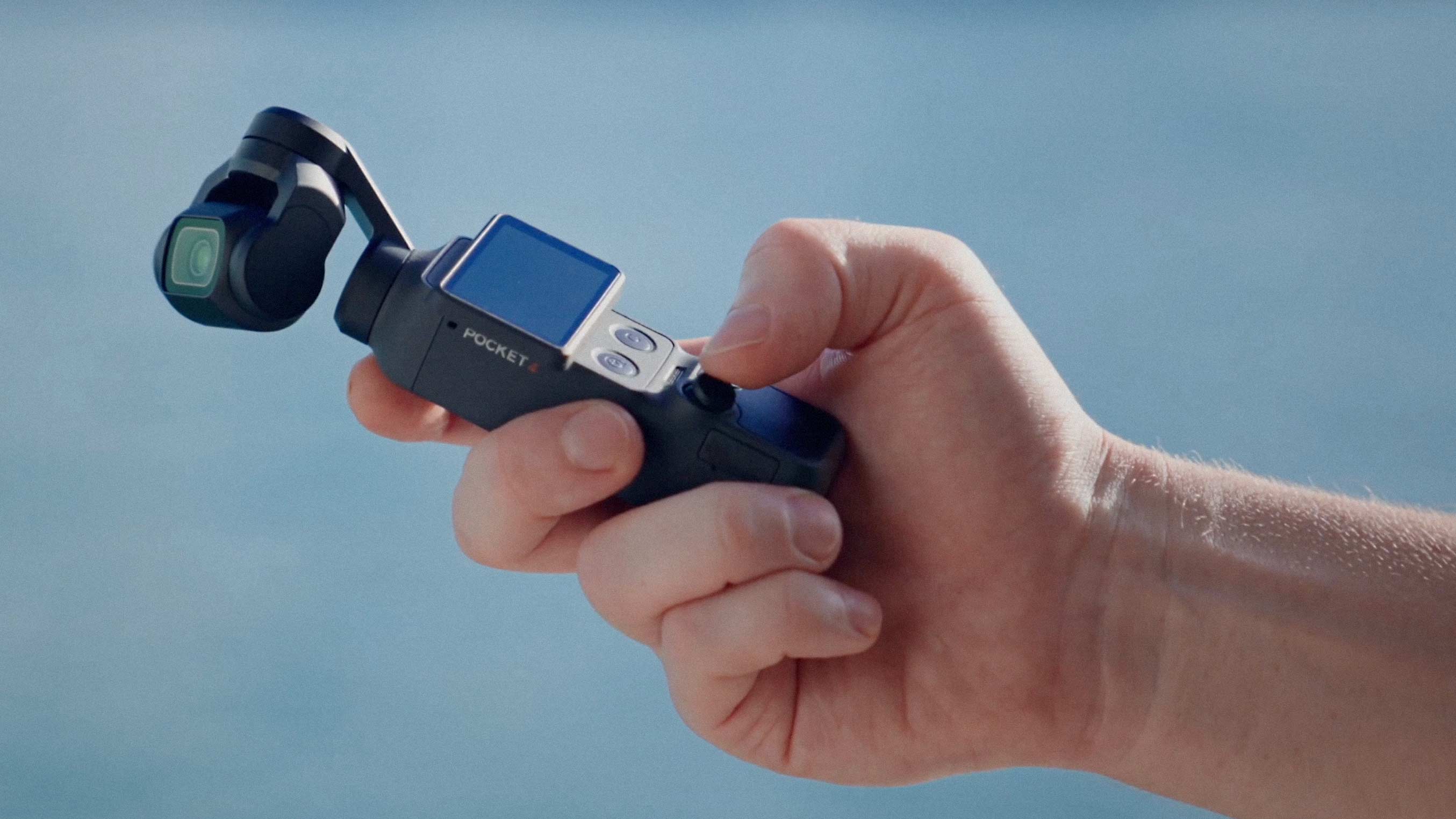
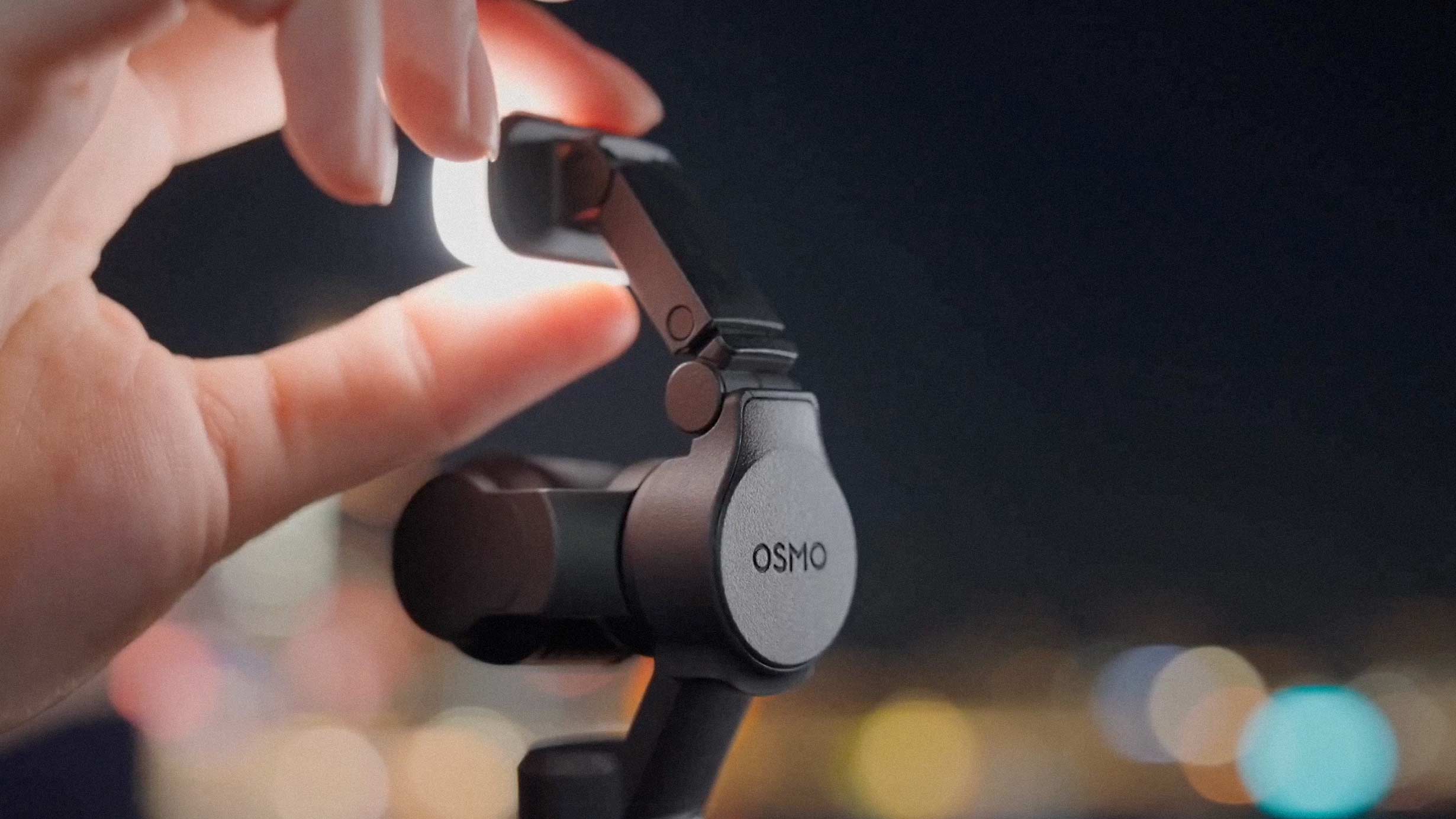
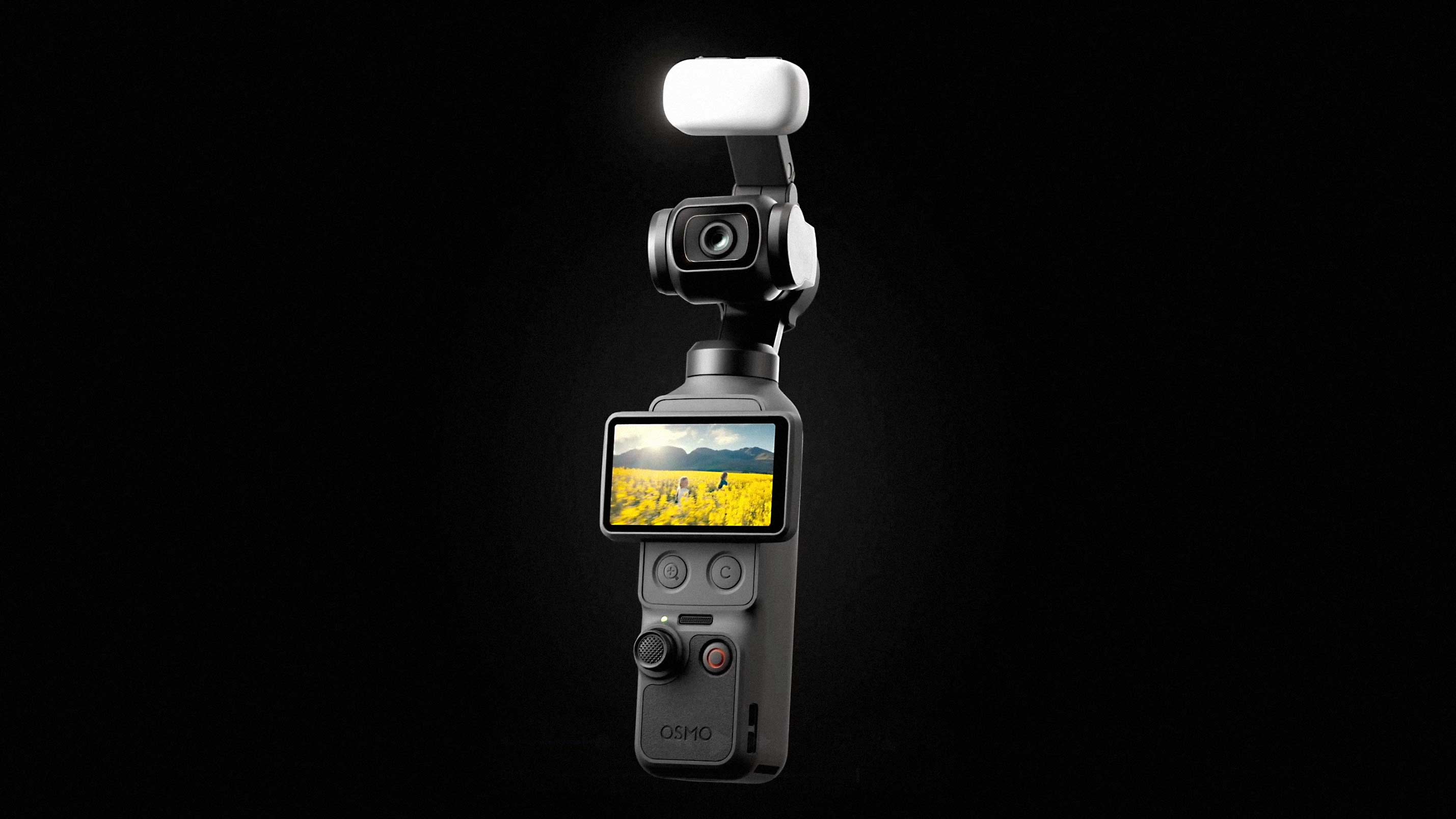
The 4K/240fps recording capability stands out for slow-motion work that previously required much larger rigs. Combined with 10-bit D-Log color, this gives editors serious latitude in post-production. The 2× lossless zoom suggests computational photography techniques similar to what we've seen in recent smartphone advances.
Storage and Transfer Finally Catch Up
DJI appears to have addressed one of the persistent frustrations with high-resolution pocket cameras: getting footage off the device. The 107GB of built-in storage paired with 800MB/s transfer speeds means you won't spend your evening watching a progress bar crawl after a day of shooting.
ActiveTrack 7.0 and what DJI calls "Intelligent Focusing" suggest continued refinement of the subject-tracking algorithms that have made previous Pocket models popular with solo creators. The rotatable touchscreen and 3-axis stabilization carry forward from earlier generations.
What This Signals
The pocket gimbal category has felt somewhat stagnant recently, with manufacturers reaching apparent physical limits on sensor size and video capabilities. DJI's move to a 1-inch sensor suggests those limits were more about engineering will than physics.
For travel videographers and content creators who've been torn between pocketability and image quality, this looks like a meaningful step toward having both. The gimbal stabilization addresses the main weakness of smartphone video, while the sensor size closes much of the gap with dedicated cameras.
Pricing and availability weren't included in the leak. Given the spec sheet, expect a premium over the Pocket 3's launch price. DJI hasn't commented on the leak, though an official announcement likely isn't far behind. These things rarely surface by accident this close to a planned reveal.