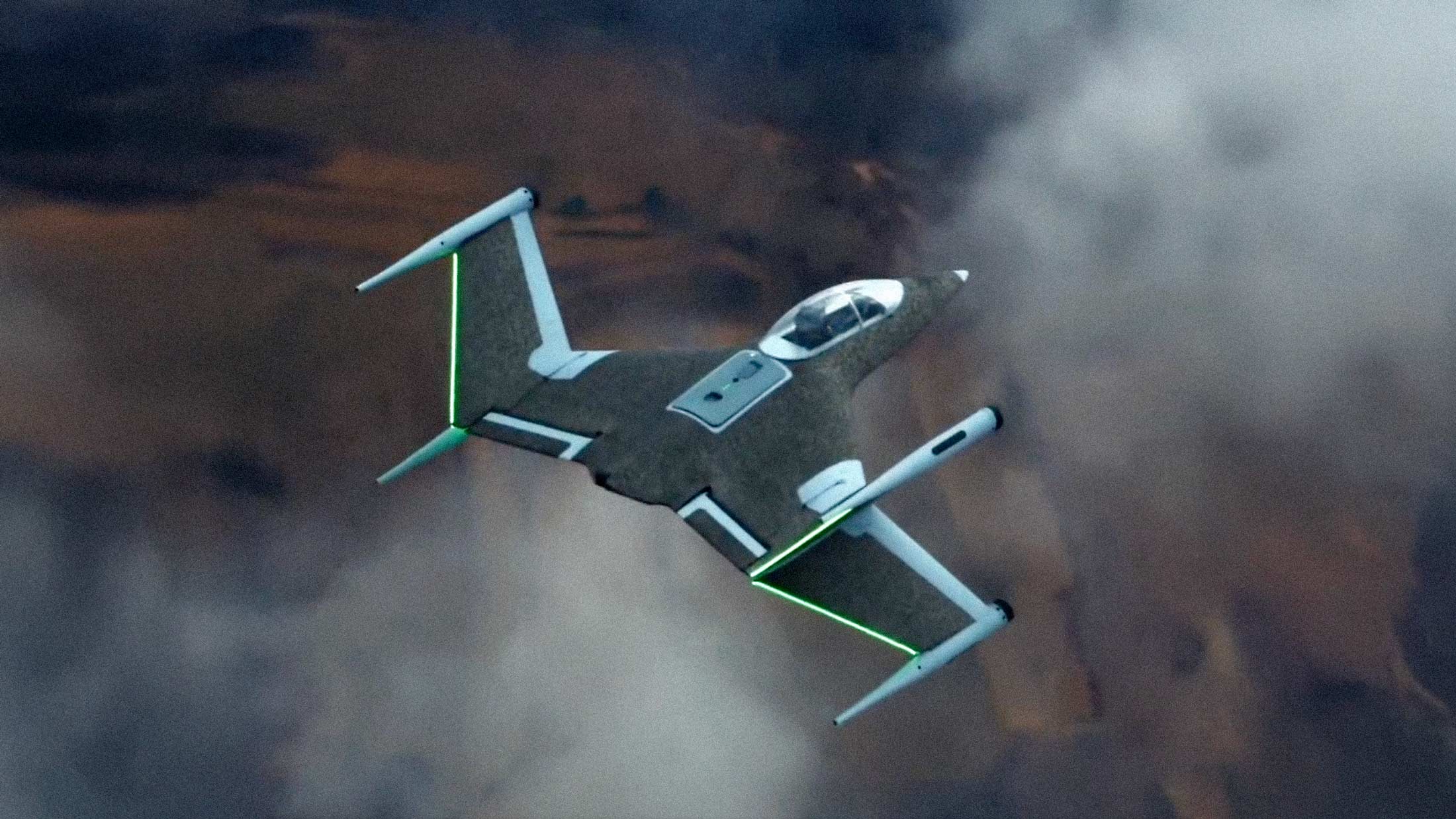
Flywing Aero Technology, the company behind GPS-stabilized scale replicas of the UH-1 Huey and Bell 206, unveiled the X-Wing Fighter at CES 2026. The craft marks a significant departure from the company's helicopter roots. Where those machines emphasized realism and stability, the X-Wing is built around immersion. Put on the VR goggles and you're looking out from a virtual cockpit, not watching a drone from below.
The X-Wing Fighter combines vertical takeoff and landing with fixed-wing flight. Four propellers mounted at the wingtips lift the aircraft straight up; a button press transitions it into forward cruise. Flywing claims speeds between 60 and 120 km/h (roughly 35 to 75 mph) and up to 60 minutes of flight time from a 23.1V, 6,920mAh LiPo battery rated at 159.85Wh. That endurance figure, according to the company, assumes a constant 60 km/h cruise in windless conditions.
DJI Transmission, Onboard Radar
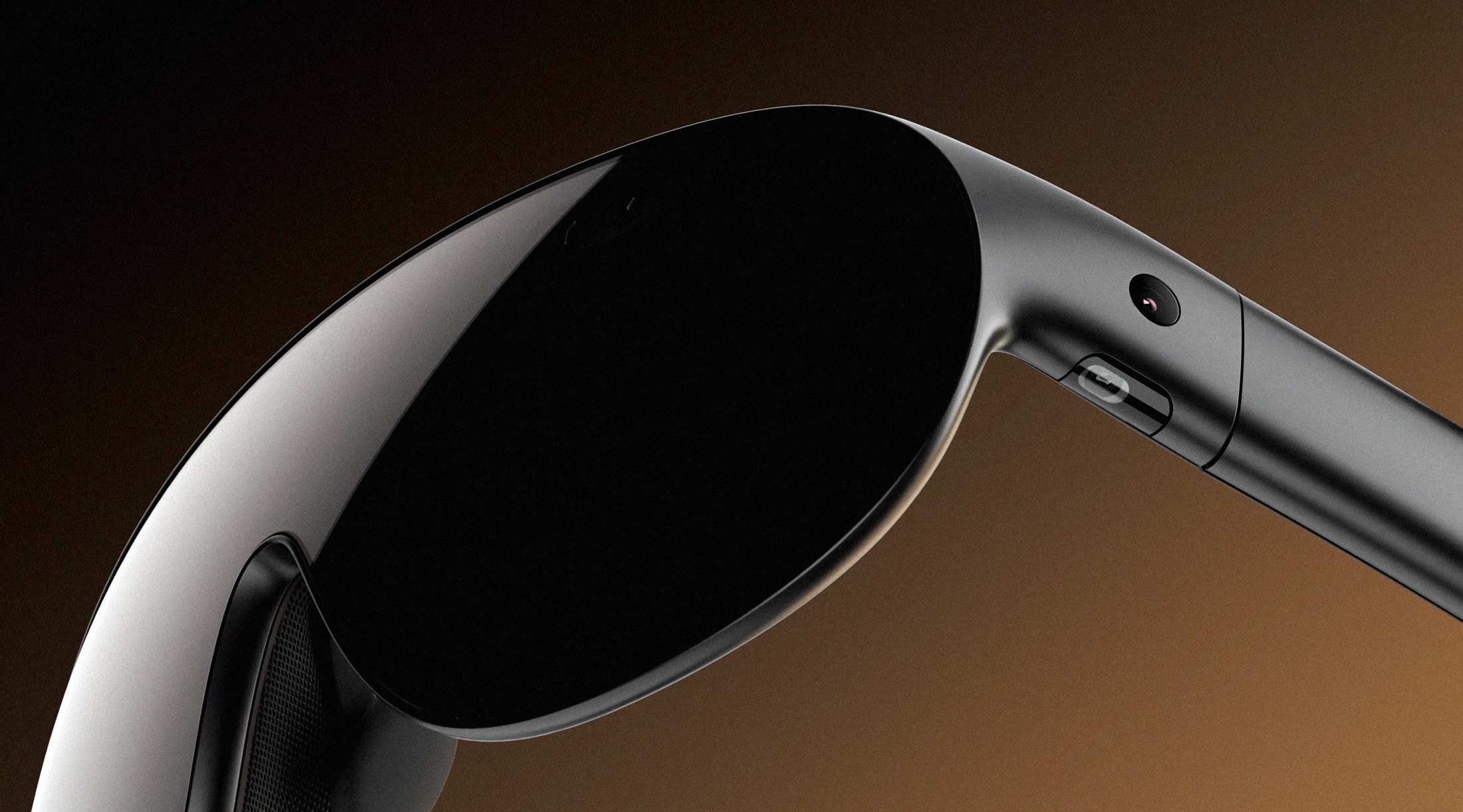
Video comes via the DJI O4 Air transmission system: 1080p at 100 frames per second with 24ms latency and a maximum range of 10 kilometers in FCC mode. A 4K camera records at 60fps through a 117.6-degree ultra-wide lens, with RockSteady 3.0+ electronic stabilization handling vibration in lieu of a gimbal. The VR goggles support head-tracking, so the onboard camera follows where you look.
The more unusual feature is a LoRa-based radar system. It detects other X-Wing units up to 350 meters away and tracks up to six aircraft simultaneously. The pitch here isn't collision avoidance but cooperative flying: formation flights, pursuit games, and simulated air combat with HUD-style overlays and on-screen scoring. It's multiplayer, not cinema.
Flight Modes and Physical Specs
Flywing's self-developed flight controller offers two modes. Cruise mode provides stability assist for less experienced pilots. Acro mode opens up full manual control for aerobatics including rolls, somersaults, and inverted flight. The company describes the airframe as foam construction with a foldable design. Wingspan runs 1,000mm and length is 800mm. Takeoff weight sits at roughly 2 kilograms.
Controls stay familiar. Pilots use a standard RC transmitter rather than a proprietary controller. The ready-to-fly package includes VR goggles, transmitter, battery, and charger.
Availability
Availability and purchasing information will be available on Flywing's official website when officially announced.
The X-Wing Fighter sits in an interesting gap. Most FPV fixed-wings are purpose-built for racing or long-range exploration. Most camera drones are quadcopters optimized for smooth footage. This thing wants to be neither. It's closer to a flight sim made physical, with the radar and scoring mechanics aiming at RC clubs and formation hobbyists who want something more interactive than solo runs. Whether Flywing can deliver a polished product at this price point remains to be seen. DJI's recent entry-level VTOLs and competing foam-wing designs from smaller manufacturers have set expectations high.
Backers should ask the usual crowdfunding questions: What's the actual all-up weight once everything is installed? How durable are the folding hinges after repeated crashes? And does the 60-minute flight time hold up under anything other than ideal test conditions?