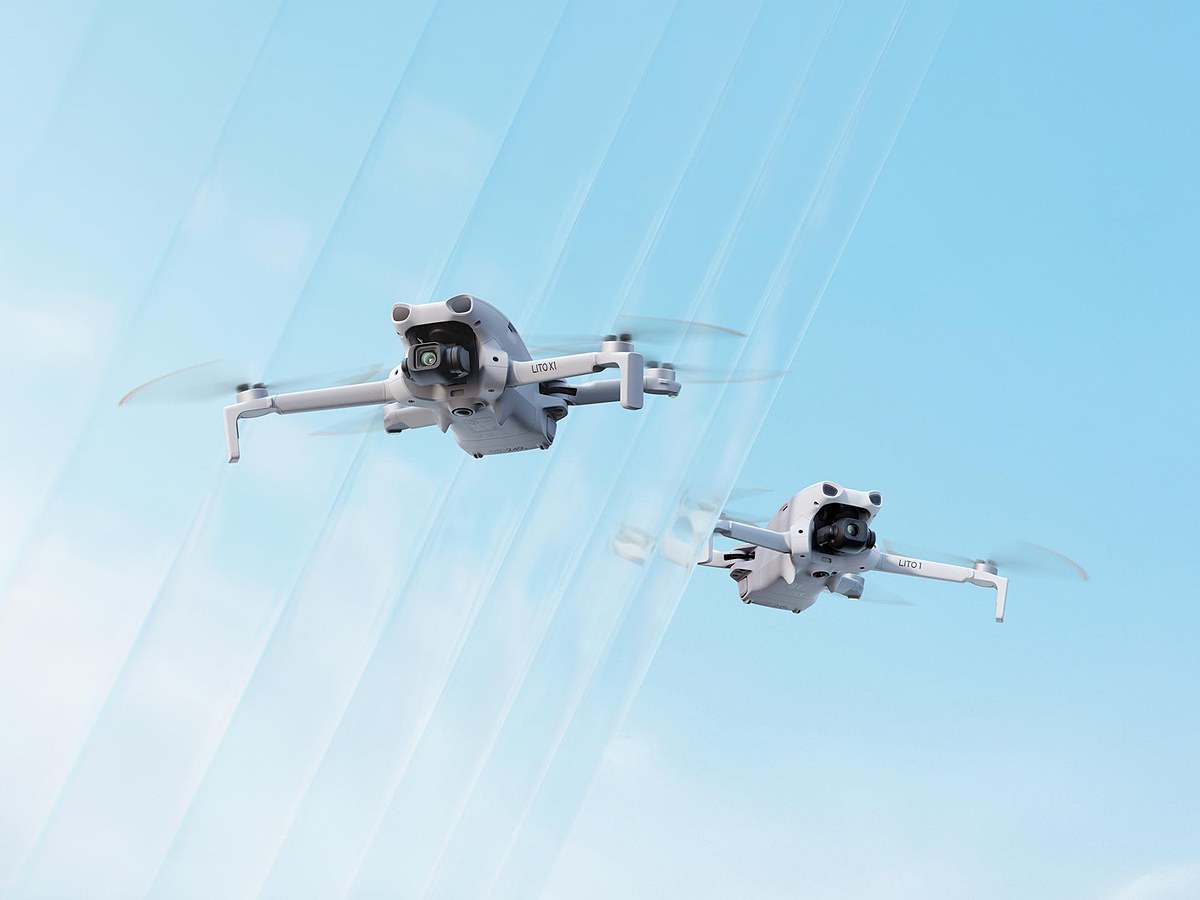
DJI has officially launched the Lito series, a two-model lineup designed to split the difference between the company's budget-friendly Mini 4K and its premium Mini 5 Pro. The Lito X1 and Lito 1 officially went on sale today across Europe, the UK, and Australia. They will not be available in the United States.
That last part stings. Both drones weigh under 249 grams, which means no FAA registration for recreational flyers. Both feature omnidirectional obstacle sensing, 4K video, 48MP stills, ActiveTrack, and up to 36 minutes of flight time on a standard battery. These are the specs that would have made them bestsellers at every Best Buy in the country. Instead, they join the Osmo Pocket 4 on the growing list of 2026 DJI hardware locked out of the American market.
What the Lito Series Delivers
The entry-level Lito 1 packs a 1/2-inch CMOS sensor with an f/1.8 aperture. It records 4K at 60 frames per second and captures 8K photos. A three-axis gimbal keeps footage stable. The 26.2mm equivalent lens offers a 79-degree field of view, and the camera includes digital zoom. Flight range tops out at 20 kilometers with the standard battery. There is no internal storage; you will need a microSD card.
The Lito X1 pushes things further. Its 1/1.3-inch sensor with 48 megapixels and an f/1.7 aperture pulls more light and more detail. That sensor size matches DJI's Osmo Pocket 4 gimbal camera. The X1 adds HDR video with 14 stops of dynamic range and 10-bit D-Log M, giving editors real latitude in post. Forward-facing LiDAR joins the omnidirectional vision system for more confident obstacle avoidance. Internal storage is 42GB. With the Battery Plus option, flight time stretches to 52 minutes and range extends to 32 kilometers.
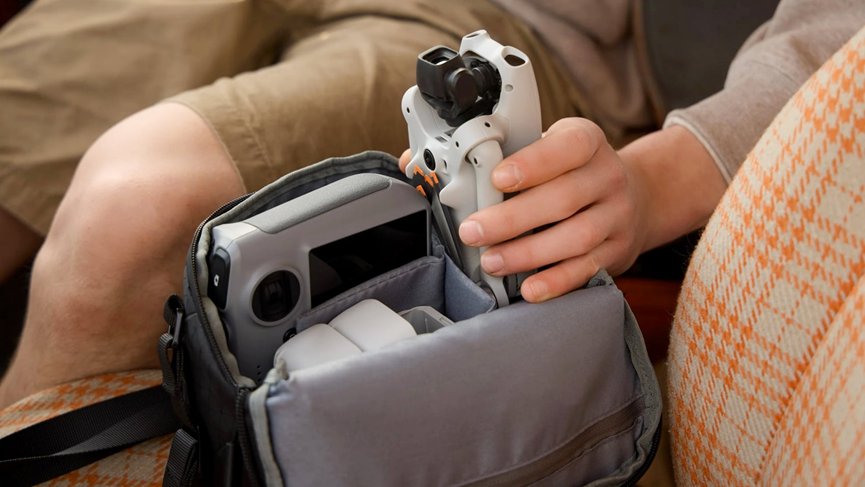
Both drones use O4 transmission with video feeds up to 1080p at 60 frames per second. Maximum transmission distance is 15 kilometers with the RC 2 controller. Wind resistance hits 10.7 m/s. The X1 can fly in temperatures as low as -10°C; the Lito 1 is limited to 5°C and up. Neither is IP-rated, so keep them dry.
Early reviews note that the digital zoom quality degrades quickly at higher magnifications, and the X1 tends to overexpose by default. Neither gimbal rotates for true vertical video, which means cropping if you want portrait-orientation content. Those are real trade-offs, but they come at prices that make them easier to accept.
Specs Comparison
| Spec | Lito 1 | Lito X1 |
|---|---|---|
| Sensor | 1/2-inch CMOS | 1/1.3-inch CMOS |
| Resolution | 48MP (8K photos) | 48MP (8K photos) |
| Aperture | f/1.8 | f/1.7 |
| Video | 4K/60fps, 4K/100fps slow-mo | 4K/60fps HDR, 4K/100fps slow-mo, 10-bit D-Log M |
| Dynamic Range | Standard profiles | Up to 14 stops (HDR) |
| Flight Time (Standard) | Up to 36 min | Up to 36 min |
| Flight Time (Battery Plus) | Not supported | Up to 52 min |
| Transmission | O4, 15km max | O4, 15km max |
| Internal Storage | None | 42GB |
| Obstacle Sensing | Omnidirectional vision | Omnidirectional vision + forward LiDAR |
| Weight | Under 249g | Under 249g |
| Price (EU, base) | €339 (~$400) | €419 (~$500) |
Pricing and Availability
In Europe, the Lito 1 starts at €339 for the base kit with DJI's RC-N3 controller. The Fly More Combo runs €479. The Lito X1 opens at €419, rising to €579 for the Fly More Combo with the RC 2 controller. UK pricing starts at £299 for the Lito 1 and £369 for the X1. Australian pricing begins at AU$539 and AU$619, respectively.
For US buyers, there is no official path to purchase. DJI's FCC authorization remains stalled following the December 2025 Covered List decision. Grey market imports through Canadian or European dealers will likely emerge, but those carry premiums and warranty complications. This is now the new normal for DJI launches in 2026.
Where the Lito Sits in DJI's Lineup
DJI has carved a clear slot for the Lito series. It sits above the toy-grade Mini 4K and below the Mini 5 Pro, which retains advantages with its larger 1-inch sensor, 225-degree rotating gimbal, and O4 Plus transmission. The Lito X1 shares the Mini 5 Pro's weight class, flight time, and onboard storage, but at roughly half the cost.
For vloggers and content creators shooting vertical content for social platforms, the camera quality here is more than sufficient. The 1/1.3-inch sensor on the X1 handles low light well and leaves room for color grading. The Lito 1 produces clean footage in good conditions but loses ground when the sun goes down.
The combination of portability, battery life, and image quality in a sub-250g package makes the Lito series a compelling entry point. Whether that matters depends on where you live.