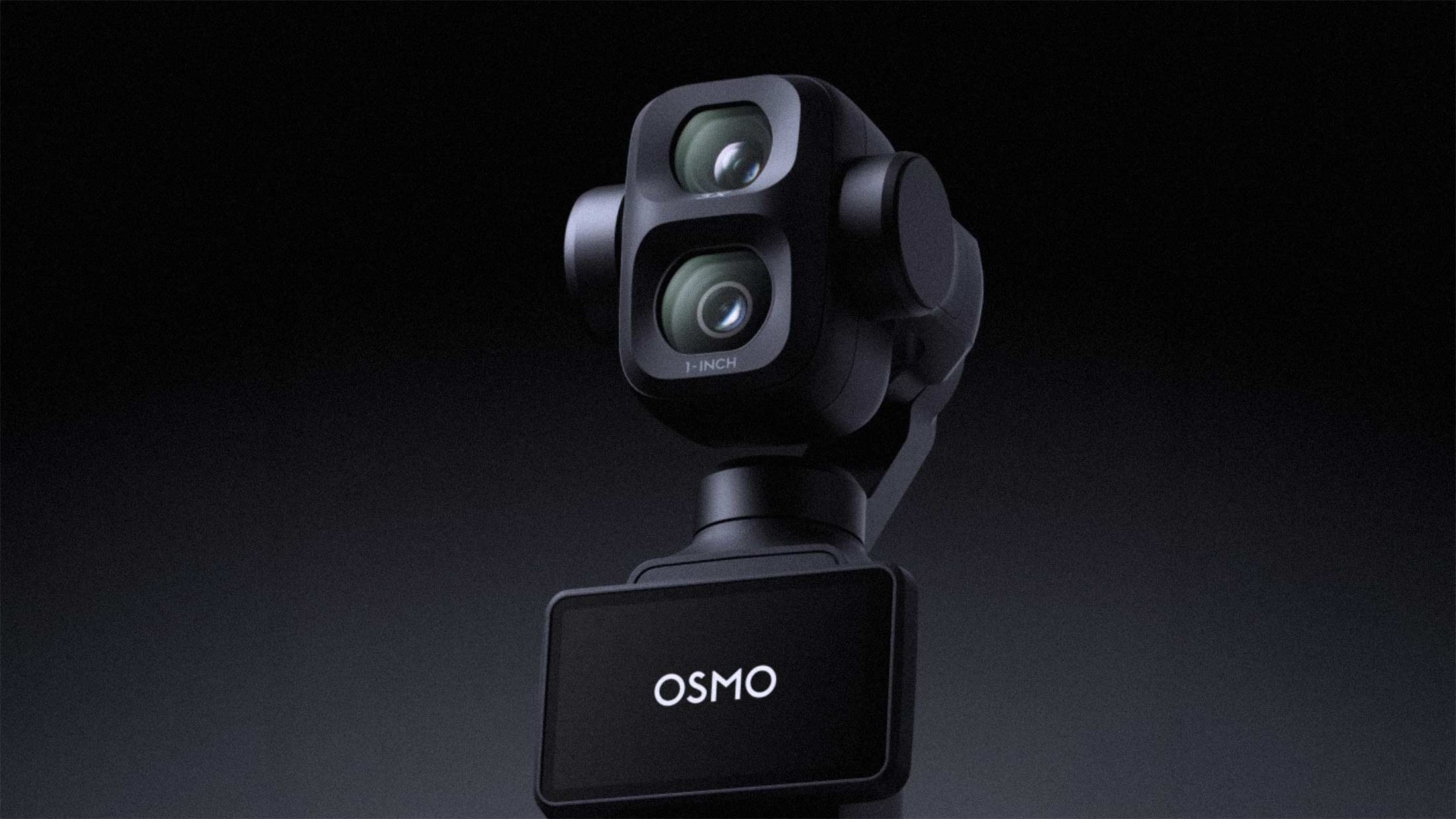
DJI officially launched the Osmo Pocket 4 this week, and by most accounts it's exactly what creators have been asking for. A 1-inch sensor crammed into a pocketable gimbal. Improved low-light performance. A rotating screen that finally lets you frame vertical shots without contorting yourself. The kind of iterative upgrade that makes the previous generation feel immediately obsolete.
There's just one problem. If you're in the United States, you can't buy it.
The FCC Paper Trail That Vanished
The Osmo Pocket 4 did, at one point, receive FCC certification. That's the standard regulatory approval any wireless device needs before it can legally be sold in America. The documentation existed. The device was cleared.
Then the certification disappeared from FCC records.
DJI hasn't offered a public explanation for the removal, but the timing aligns with the broader crackdown on the company's products in the US. The American Security Drone Act, signed into law last year, effectively banned federal agencies from purchasing DJI drones. More recent legislative efforts have sought to expand those restrictions to consumer sales entirely, citing concerns about data security and the company's ties to the Chinese government.
A gimbal camera isn't a drone. It doesn't fly. It doesn't map infrastructure or hover over sensitive locations. But the regulatory and political apparatus doesn't always make fine distinctions. When a company gets flagged, everything it makes becomes suspect.
A Technological Cold War With Consumer Casualties
The Osmo Pocket 4 situation is a preview of what a prolonged US-China tech decoupling looks like in practice. Not sweeping bans that happen overnight, but a slow erosion of product availability that leaves consumers with fewer choices and higher prices.
DJI dominates the consumer drone and gimbal market for a reason. The company has spent years refining stabilization technology, miniaturizing sensors, and building software that actually works. Competitors exist, but they're playing catch-up. When early leaks revealed the Pocket 4's specs, the reaction from creators was predictable: finally, a proper 1-inch sensor in this form factor.
Now American vloggers, filmmakers, and content creators have to watch from the sidelines while the rest of the world gets access to hardware that would meaningfully improve their work.
This isn't unique to cameras. The same dynamics are playing out across semiconductors, AI chips, and telecommunications equipment. TSMC's manufacturing dominance has become a geopolitical flashpoint. Export controls on advanced chips to China have triggered retaliatory restrictions on rare earth minerals. Each escalation narrows the range of products that can flow freely across borders.
The Question Nobody Wants to Answer
Is the Osmo Pocket 4 actually a security risk? Almost certainly not. It's a camera on a stick. The data it generates is video files that stay on a memory card unless you actively upload them somewhere.
But that's not really the point. The point is leverage. Trade restrictions are bargaining chips in a larger negotiation that has nothing to do with whether your vlog footage might end up on a server in Shenzhen.
The practical outcome is that American consumers will increasingly find themselves locked out of products that are freely available in Europe, Asia, and everywhere else. Some will find workarounds. Gray market imports, VPNs, and creative shipping arrangements have always existed. But the mainstream market will simply have fewer options.
DJI could, in theory, establish a US subsidiary with domestic data handling to satisfy regulators. The company has floated similar proposals before. Whether that's politically viable in the current environment is another question entirely.
For now, the Osmo Pocket 4 joins a growing list of hardware that exists, works well, and isn't available to a significant chunk of the world's consumers because of decisions made in rooms very far from any film set.