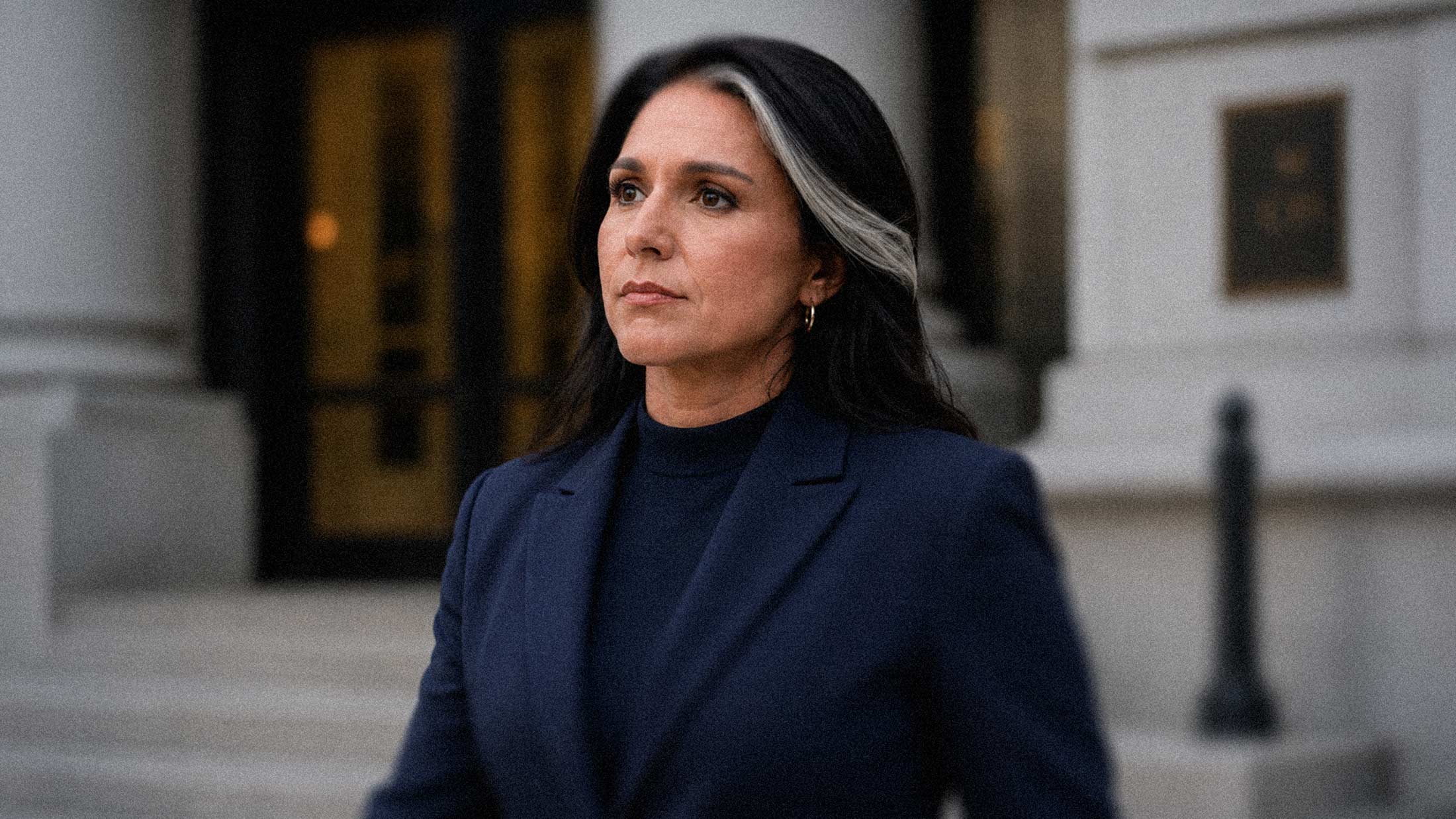
Director of National Intelligence Tulsi Gabbard resigned Friday, announcing her departure in a letter to President Donald Trump. Her stated reason: her husband Abraham Williams has been diagnosed with a rare and aggressive form of bone cancer.
"I cannot in good conscience ask him to face this fight alone while I continue in this demanding and time-consuming position," Gabbard wrote in her resignation letter, which she posted to X after meeting with Trump in the Oval Office. Her last day is June 30.
Gabbard is the fourth Cabinet member to leave the Trump administration this year. Homeland Security Secretary Kristi Noem was fired in late March amid criticism over immigration enforcement and disaster response. Attorney General Pam Bondi was ousted in April over the handling of files related to Jeffrey Epstein. Labor Secretary Lori Chavez-DeRemer resigned the same month following misconduct investigations.
A Turbulent Tenure
Gabbard's 16-month run as the nation's top intelligence official was defined by internal conflict as much as by reform. She came into the job with strong anti-interventionist credentials, forged during four terms in the House as a Hawaii Democrat. By 2022 she had renounced her party affiliation. In 2024, she endorsed Trump.
Once in office, she launched what she called "ODNI 2.0," a restructuring plan that slashed her office's workforce by more than 40 percent. She estimated annual savings of $700 million. Critics, including former ODNI principal deputy Sue Gordon, warned the cuts risked damaging America's intelligence foundation.
Gabbard also created a Director's Initiative Group to investigate what she called the "weaponization" of intelligence under previous administrations. That initiative collapsed in January 2026, according to testimony from a CIA officer who had been assigned to the group. The officer, James Erdman, alleged the CIA had obstructed ODNI's efforts to uncover information about the JFK files, COVID-19 origins, and Havana Syndrome. The CIA disputed those claims.
Gabbard's most visible test came with the war in Iran. Her longtime aide Joe Kent, who led the National Counterterrorism Center, resigned in March 2026, declaring he could not support the conflict. Kent wrote that Iran posed no imminent threat and accused Israeli officials of misleading the president. Gabbard declined to publicly oppose the war; she deferred to Trump, stating that only the commander-in-chief could determine what constituted an imminent threat.
Her careful positioning satisfied no one. Trump publicly contradicted her testimony on Iran's nuclear program last summer. Laura Loomer, a Trump confidante, was a persistent critic. And when Gabbard appeared before the Senate Intelligence Committee in March, her measured comments were notable for what they did not say.
An Acting Replacement
Principal Deputy Director of National Intelligence Aaron Lukas will assume the role in an acting capacity. Lukas spent more than 20 years at the CIA as an analyst and clandestine operations officer. During Trump's first term, he served as chief of staff at ODNI and as deputy senior director for Europe and Russia at the National Security Council. He also has a background as a speechwriter at the Office of the U.S. Trade Representative and as a policy analyst at the Cato Institute.
"Tulsi has done an incredible job, and we will miss her," Trump wrote on Truth Social. There is no indication of when a permanent replacement will be nominated.
The War That Never Fit
The timing of Gabbard's exit matters. When the U.S. joined Israel in striking Iran on February 28, her anti-interventionist past collided with the administration's wartime posture. She was conspicuously absent from both public messaging on the conflict and, reportedly, from behind-the-scenes deliberations.
Gabbard's defenders will point to her husband's illness as the sole reason for her departure. Her critics will note the months of friction that preceded it. Both can be true. She built her political identity on opposition to foreign wars, then found herself overseeing intelligence for an administration waging one. That is a difficult contradiction to sustain.
The intelligence community she leaves behind has been trimmed, reorganized, and accused of betraying Trump. It now operates in a wartime environment, overseen by an acting director with decades of experience inside the CIA. Whether that represents continuity or a break from Gabbard's tenure depends on what Lukas does next.
Gabbard has said she is committed to a smooth transition by June 30. Her husband's prognosis remains private. The administration has not released further details about Williams's diagnosis or treatment.