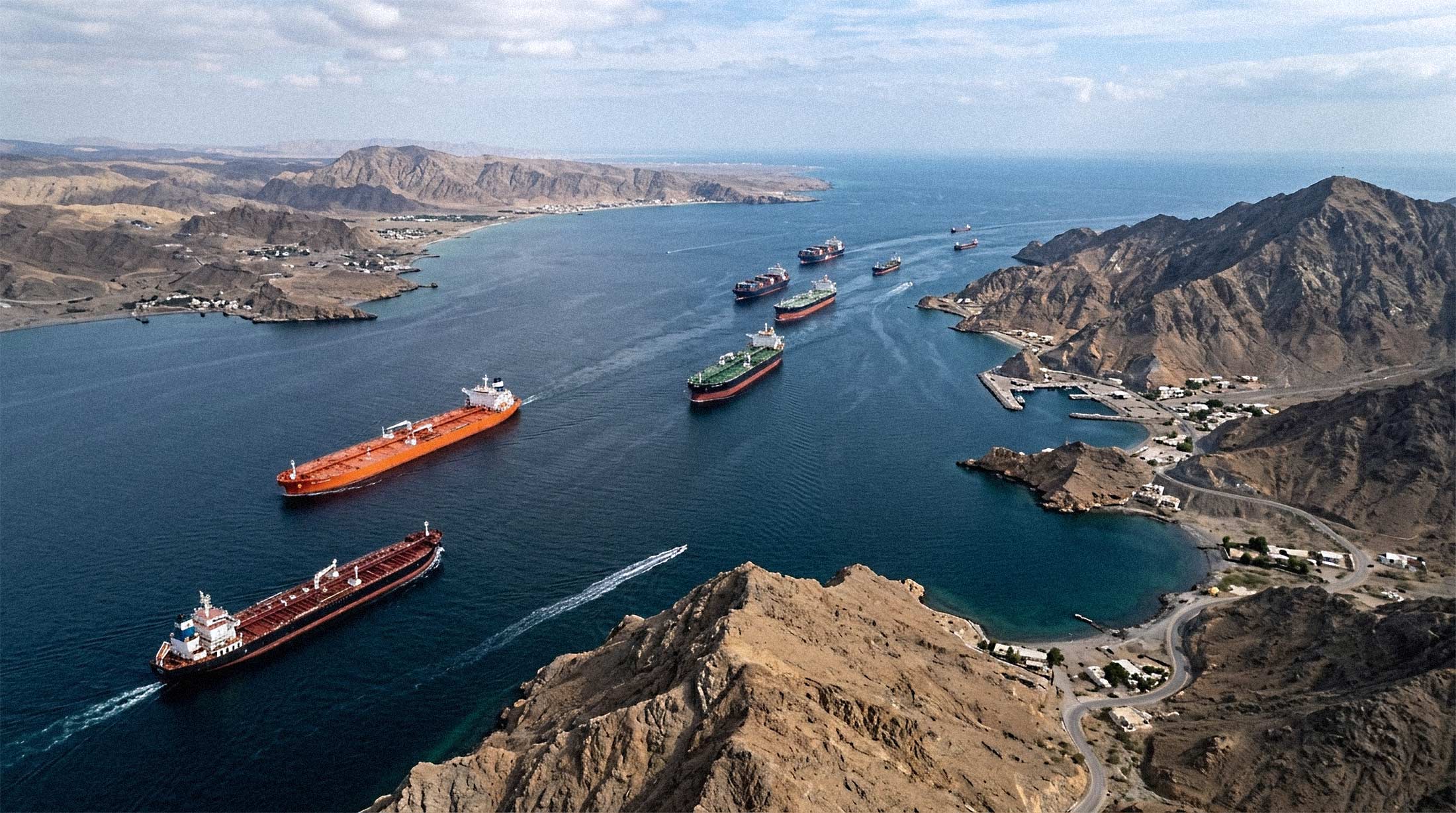
Iran has officially reopened the Strait of Hormuz to all commercial vessels for the duration of the Lebanon ceasefire. The announcement came with characteristic formality: "In line with the ceasefire in Lebanon, the passage for all commercial vessels through Strait of Hormuz is declared completely open for the remaining period of ceasefire, on the coordinated route as already announced by Ports and Maritime Organization of the Islamic Rep. of Iran."
That's diplomatic language for a geopolitical shift that will ripple through every corner of the global economy.
Why the Strait Matters More Than Almost Anything Else
Roughly 21 million barrels of oil pass through the Strait of Hormuz every day. That's about 21% of global petroleum consumption flowing through a waterway just 21 miles wide at its narrowest point. When tensions flare in the region, shipping insurance rates spike, tankers reroute around the Cape of Good Hope, and the entire energy supply chain groans under the added cost and delay.
The reopening removes immediate friction from that system. But the conditional nature of the statement matters enormously. This isn't a permanent policy change. It's tied to the Lebanon ceasefire, which means the situation could reverse the moment that agreement collapses.
The Immediate Market Impact
Oil futures responded within hours. Brent crude dropped on the news, shedding some of the risk premium that had been baked into prices for months. The logic is straightforward: open shipping lanes mean lower transport costs, fewer insurance surcharges, and more predictable supply.
But energy markets are only the first domino. Global supply chains have been operating in a state of perpetual hedging since the pandemic exposed their fragility. Companies that locked in expensive long-term shipping contracts or built up excess inventory as a buffer against disruption now face a different calculation.
The shipping industry itself stands to benefit significantly. Container rates through the Persian Gulf had elevated substantially, and tanker companies were charging premiums for Hormuz transits. Those economics shift overnight when the threat level drops.
Agriculture and the Inflation Connection
Here's where the story gets less obvious. Oil prices don't just affect what you pay at the pump. They're embedded in the cost of everything that moves, grows, or gets manufactured.
Modern agriculture runs on diesel. Tractors, harvesters, and transport trucks all burn fuel. Fertilizer production is energy-intensive. When oil prices fall, the cost of growing and shipping food falls with them. According to the Food and Agriculture Organization, energy costs represent roughly 30% of total agricultural production expenses in developed economies.
Central bankers watching inflation metrics will be paying close attention. Energy prices have been a persistent driver of headline inflation figures, and any sustained decline in oil costs could accelerate the disinflationary trends that have been slowly materializing. The Federal Reserve and European Central Bank have both cited energy volatility as a complicating factor in their rate decisions.
The Caveat That Hangs Over Everything
The phrase "for the remaining period of ceasefire" should be read carefully. Regional geopolitics remain volatile. The Lebanon ceasefire is holding for now, but the underlying tensions between Iran, Israel, and various proxy forces haven't disappeared. They've been temporarily suspended.
Markets hate uncertainty, but they've learned to price conditional stability. What we're likely to see is a risk premium that diminishes but doesn't vanish. Traders will continue watching diplomatic developments in the region with the same intensity they watch earnings reports.
The broader implication is that energy security remains fundamentally tied to political outcomes in the Middle East. No amount of renewable investment or domestic production has changed that reality yet.
What Comes Next
For now, the reopening provides breathing room. Shipping companies can plan routes without factoring in the possibility of sudden closure. Refiners can source crude without paying hazard premiums. Food producers can model costs with slightly more confidence.
But the conditional nature of Iran's statement means this is a pause in uncertainty, not its resolution. The global economy gets a reprieve. Whether it becomes something more permanent depends on factors that remain outside anyone's control in trading rooms or corporate boardrooms.