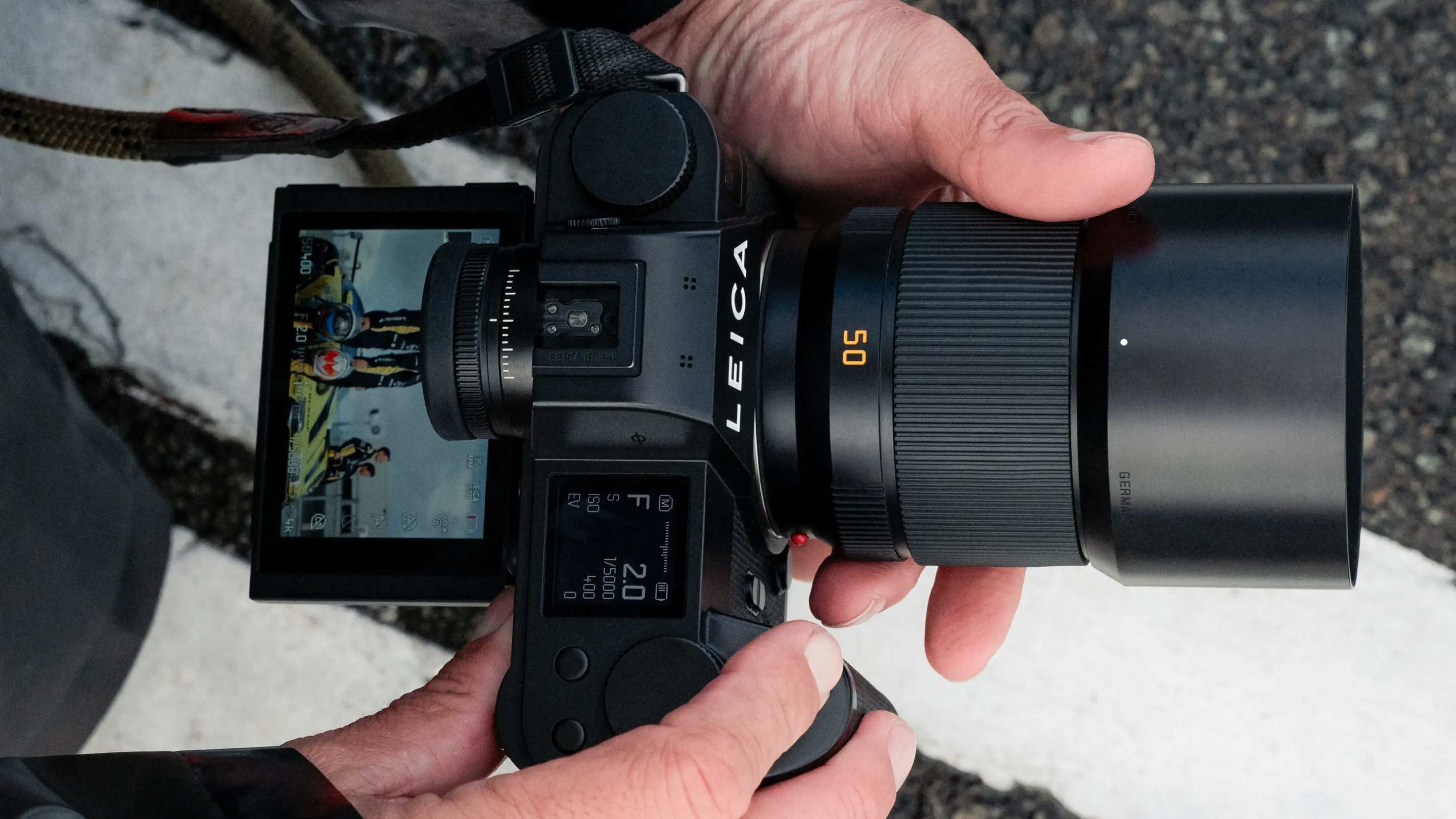
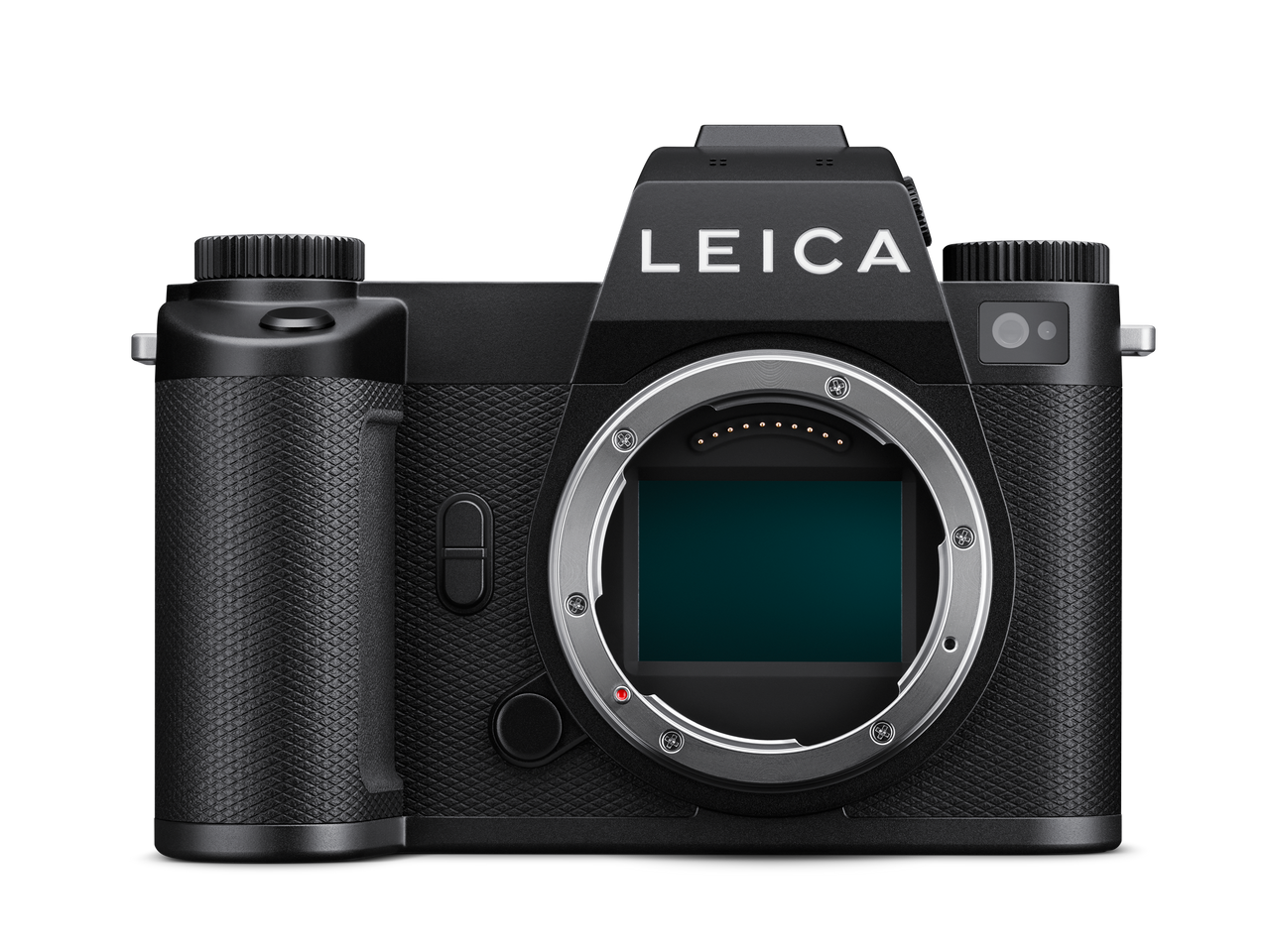
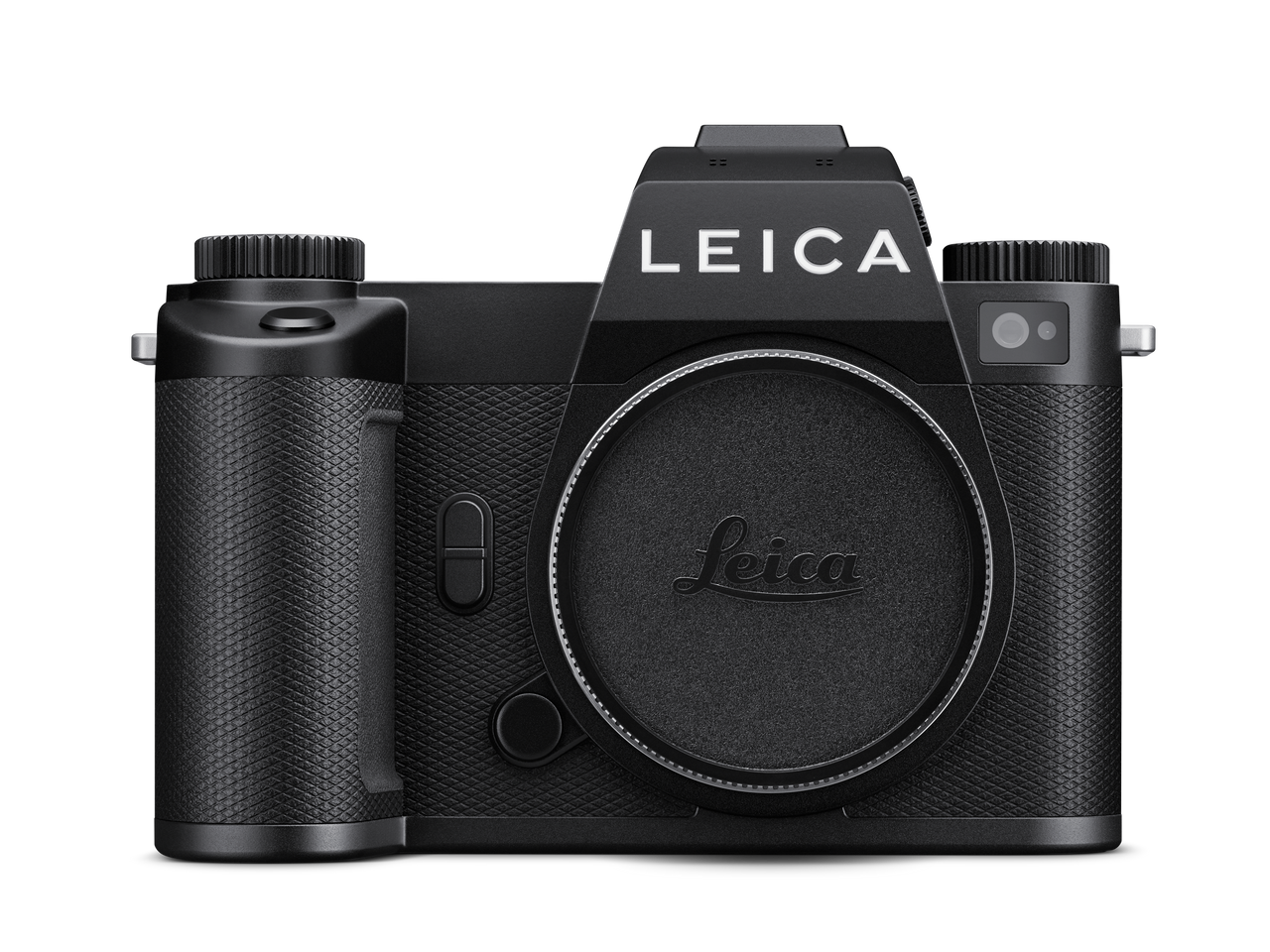
Leica has announced the SL3-P, a full-frame mirrorless camera that the company describes as the most comprehensive camera in its SL-System to date. Available starting June 25, 2026, the camera carries a body-only price of $6,690 in the United States and €5,990 in Europe.
The SL3-P is built around a 44-megapixel backside-illuminated full-frame sensor that slots between Leica's existing SL3 (60MP) and SL2-S (24MP). The sensor delivers up to 14 stops of dynamic range and an ISO range spanning 50 to 200,000. For situations demanding extreme resolution, a Multishot mode produces composite images up to 176 megapixels by combining multiple precisely aligned exposures.
Speed and Autofocus
Where previous high-resolution SL models prioritized image quality over continuous shooting speed, the SL3-P attempts to deliver both. Leica has introduced a new hybrid autofocus system that combines phase detection, contrast detection, and object detection into a single architecture. The camera's 819 autofocus points, supported by machine-learning algorithms for subject recognition, enable continuous shooting at up to 40 frames per second with full autofocus tracking. Using the mechanical shutter, that drops to 7 fps.
The sensor readout runs roughly 156 percent faster than previous SL cameras, according to Leica's specifications. This reduces rolling shutter distortion during electronic shutter use and improves overall responsiveness.
Video Capabilities
The SL3-P brings video performance that Leica has never offered before. The camera records 8.1K Open Gate footage in 3:2 format at up to 30 fps, with HDMI RAW output available at 8K. For slow-motion work, 4K recording is available at 120 fps. Internal recording uses Apple's ProRes codec at up to 5.8K resolution.
Two new in-camera LUTs, called Leica Pure and Leica Cine, work with the L-Log color space for post-production flexibility. The camera also supports direct cloud uploads through Adobe Frame.io integration and includes professional tethering for Lightroom Classic and Capture One.
Design and Build
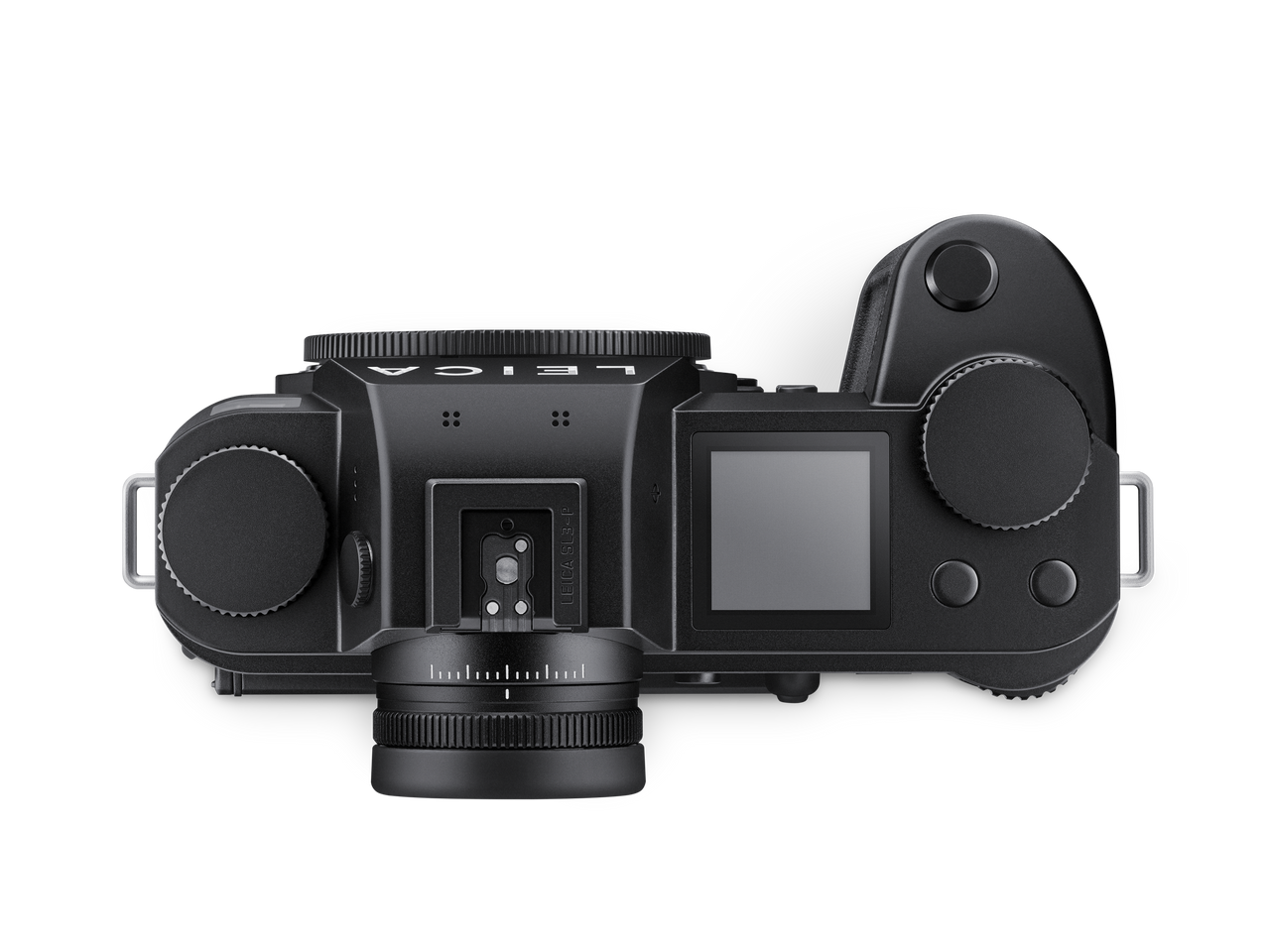
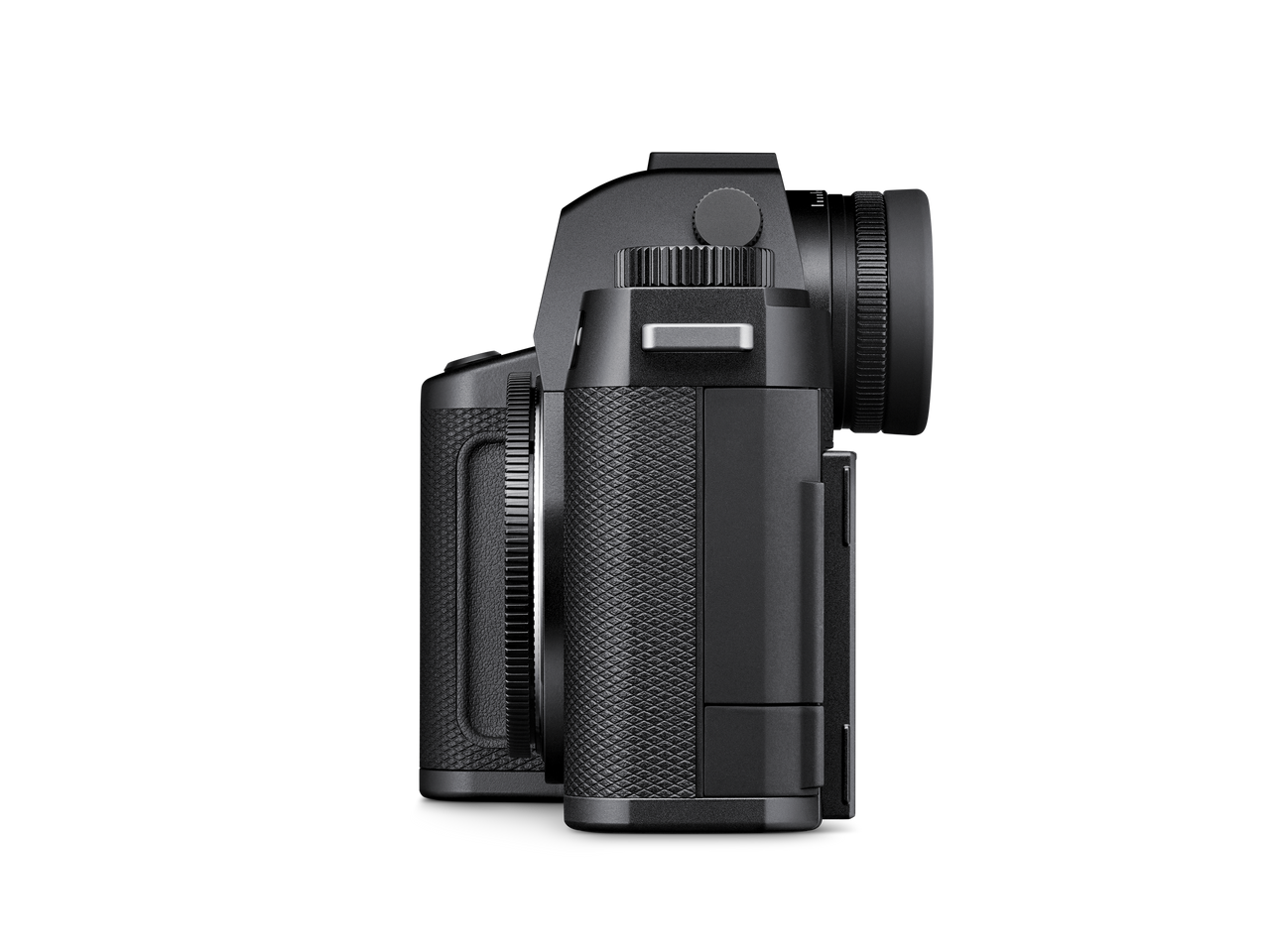
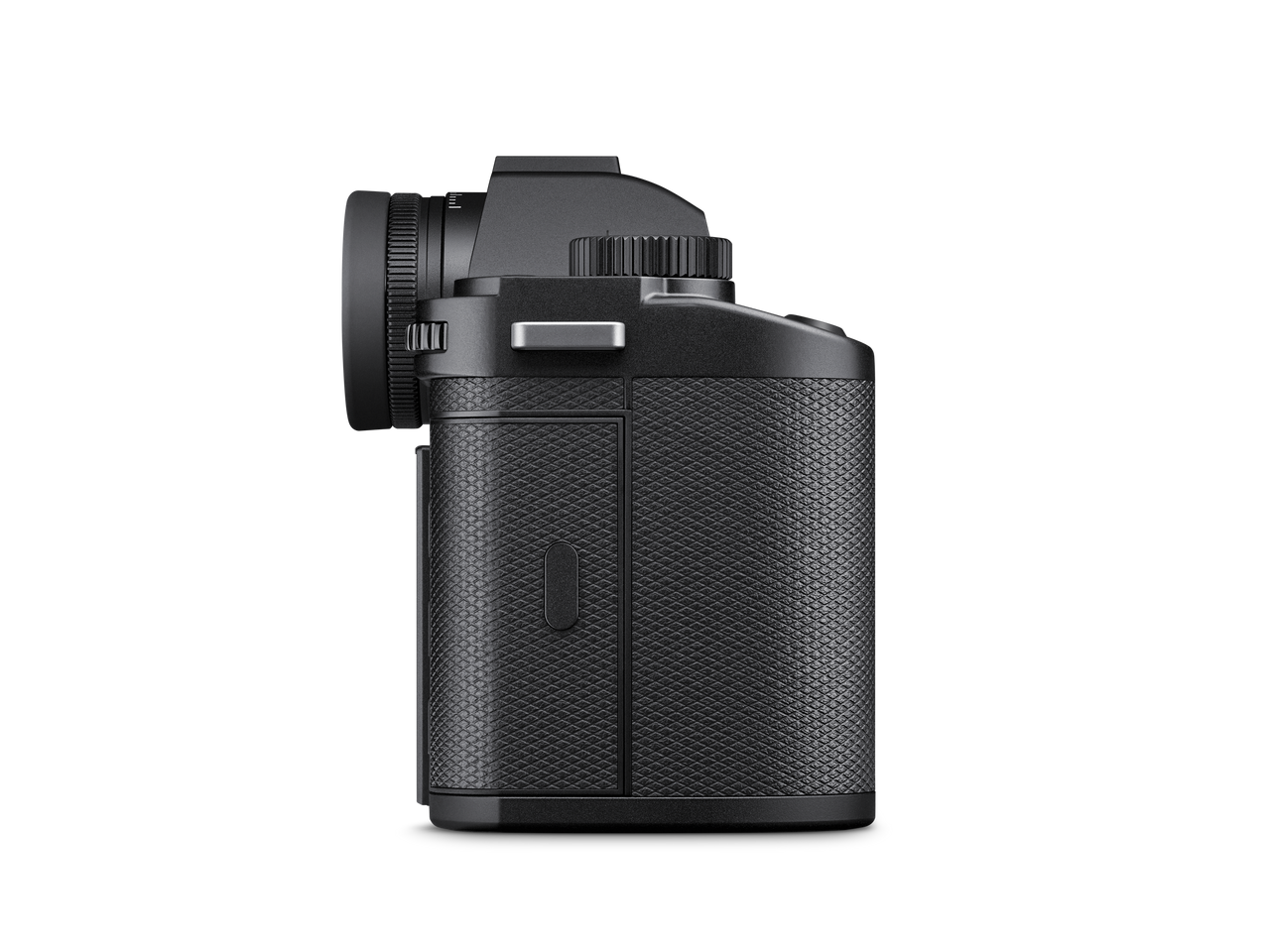
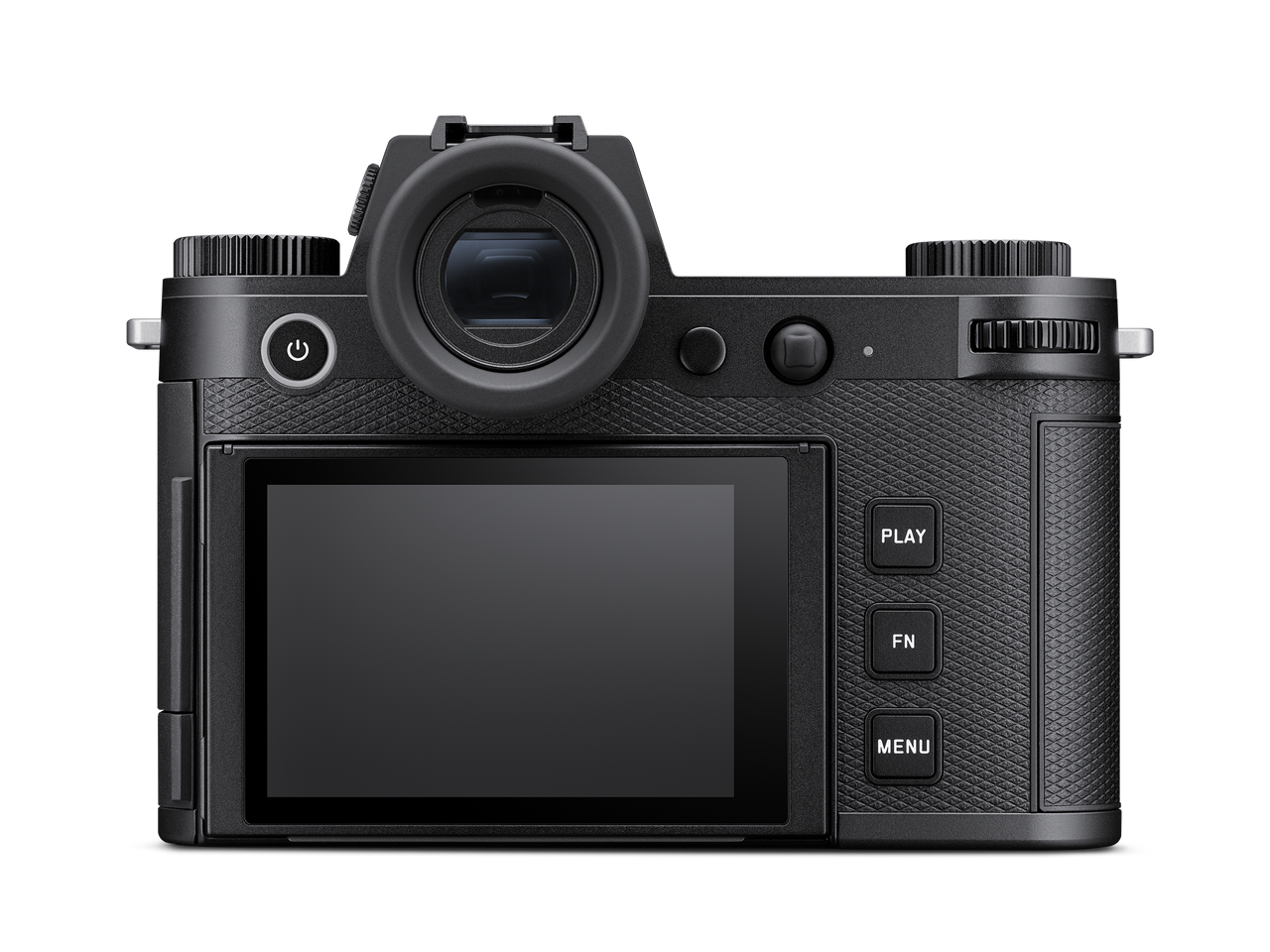
The SL3-P follows Leica's P-Series design philosophy: the familiar red dot logo is absent, replaced by an all-black aesthetic intended for documentary and photojournalistic work where discretion matters. The full-metal body measures approximately 151.4 × 108.5 × 84.6 mm and weighs 768 grams without battery. IP54 certification provides dust and splash resistance.
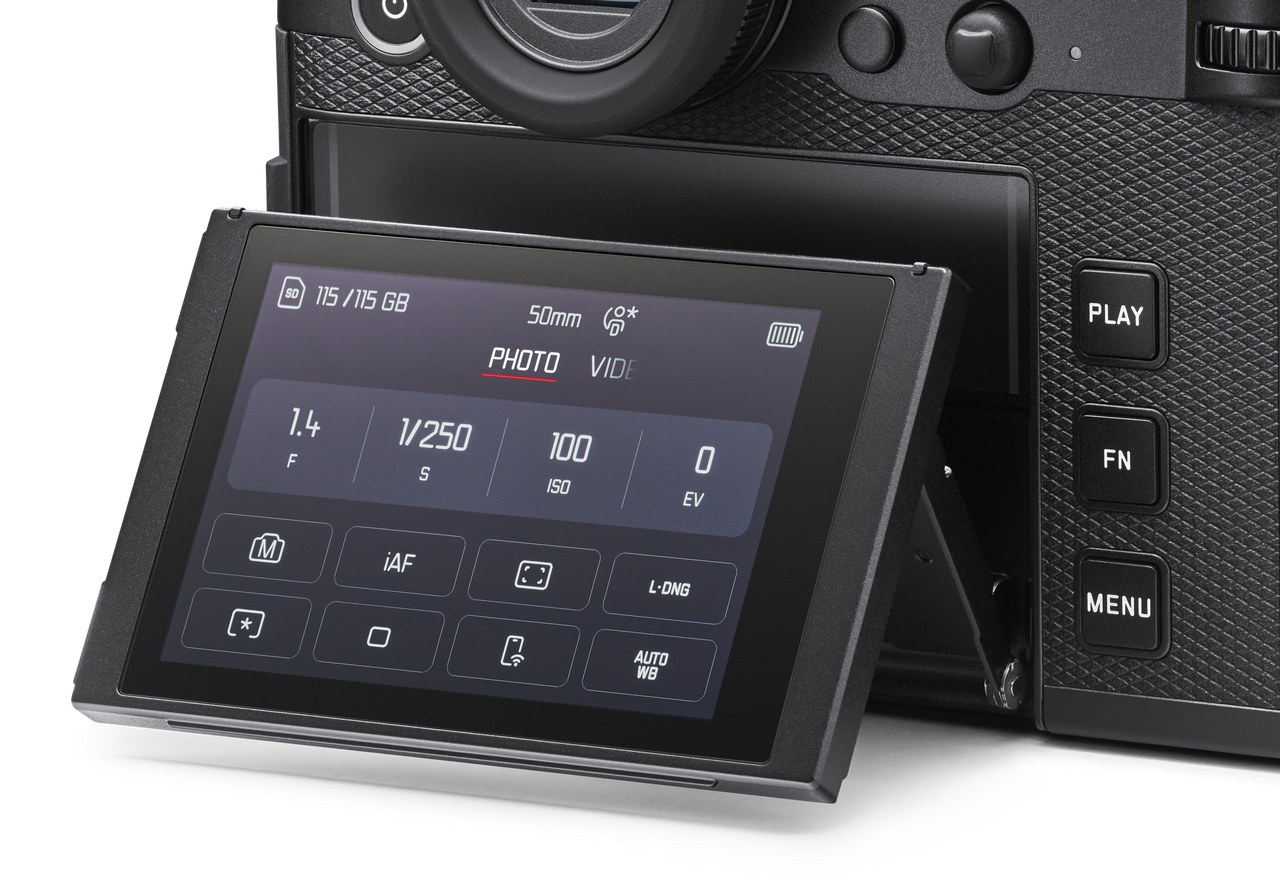
The camera includes both CFexpress Type B and SD UHS-II card slots, along with HDMI 2.1 Type A, USB-C 3.1 Gen2, and timecode/sync connections. A 5.76 million-dot OLED electronic viewfinder operates at either 60 or 120 fps, complemented by a 3.2-inch tilting touchscreen with 2.33 million dots.
In keeping with Leica's stated commitment to image authenticity, the SL3-P includes Content Credentials technology, allowing images to be cryptographically signed to verify their provenance and confirm they are genuine photographs rather than AI-generated content.
The Panasonic Connection
The SL3-P shares its sensor platform with the Panasonic Lumix S1RII, which launched earlier and carries a considerably lower price of $3,299. This kind of component sharing between Leica and Panasonic is well-established through their L-Mount Alliance partnership. The Panasonic S1RII uses the same 44.3MP sensor and offers similar core capabilities, making the price differential a persistent question for buyers.
What Leica argues you get for the premium: German manufacturing, a different menu system and user experience, and the minimalist design language that has defined the company's products for decades. Whether that justifies paying nearly twice as much depends entirely on what you value.
New Lenses
Alongside the SL3-P, Leica announced two new L-Mount lenses arriving later this year. The Summilux-SL 50mm f/1.4 ASPH., priced at $4,950, is claimed to be the world's most compact autofocus lens at this focal length and aperture. It measures 74mm in diameter and 75.5mm in length, weighing 584 grams. The APO-Macro-Elmarit-SL 100mm f/2.8, at $2,700, is a 1:1 macro lens designed as a modern successor to Leica's classic R-mount 100mm macro from 1987.
Leica is also offering three kit bundles at launch. The SL3-P 28–70 Vario Kit runs $7,790, the 24–70 Vario Kit is $8,390, and a dual-zoom kit with 24–70mm and 70–200mm lenses costs $10,995.
The SL3-P competes against cameras like the Canon EOS R5 Mark II and Nikon Z8, both of which offer similar all-rounder ambitions at lower prices. Leica has never competed on value. The SL3-P is the company's clearest statement yet that it can build a camera that matches modern performance expectations while maintaining its particular identity.