There is a company in Alameda, California, developing a 10-kilometer-long cannon to fire satellites into orbit at Mach 29. The founder came up with the idea during COVID lockdowns. The technology is loosely based on Nazi superweapons. And somehow, OpenAI CEO Sam Altman is an investor.
Longshot Space Technologies is either the most audacious aerospace startup in a generation or an elaborate physics experiment that will eventually hit a wall. The company is betting everything on the former.
The Physics of Getting Cheaper
The core argument is economic. SpaceX's Falcon 9 costs roughly $3,000 per kilogram to reach low Earth orbit. Elon Musk claims Starship will eventually hit $500 per kilogram. Longshot CEO Mike Grace says his system can reach $10. Per kilogram.
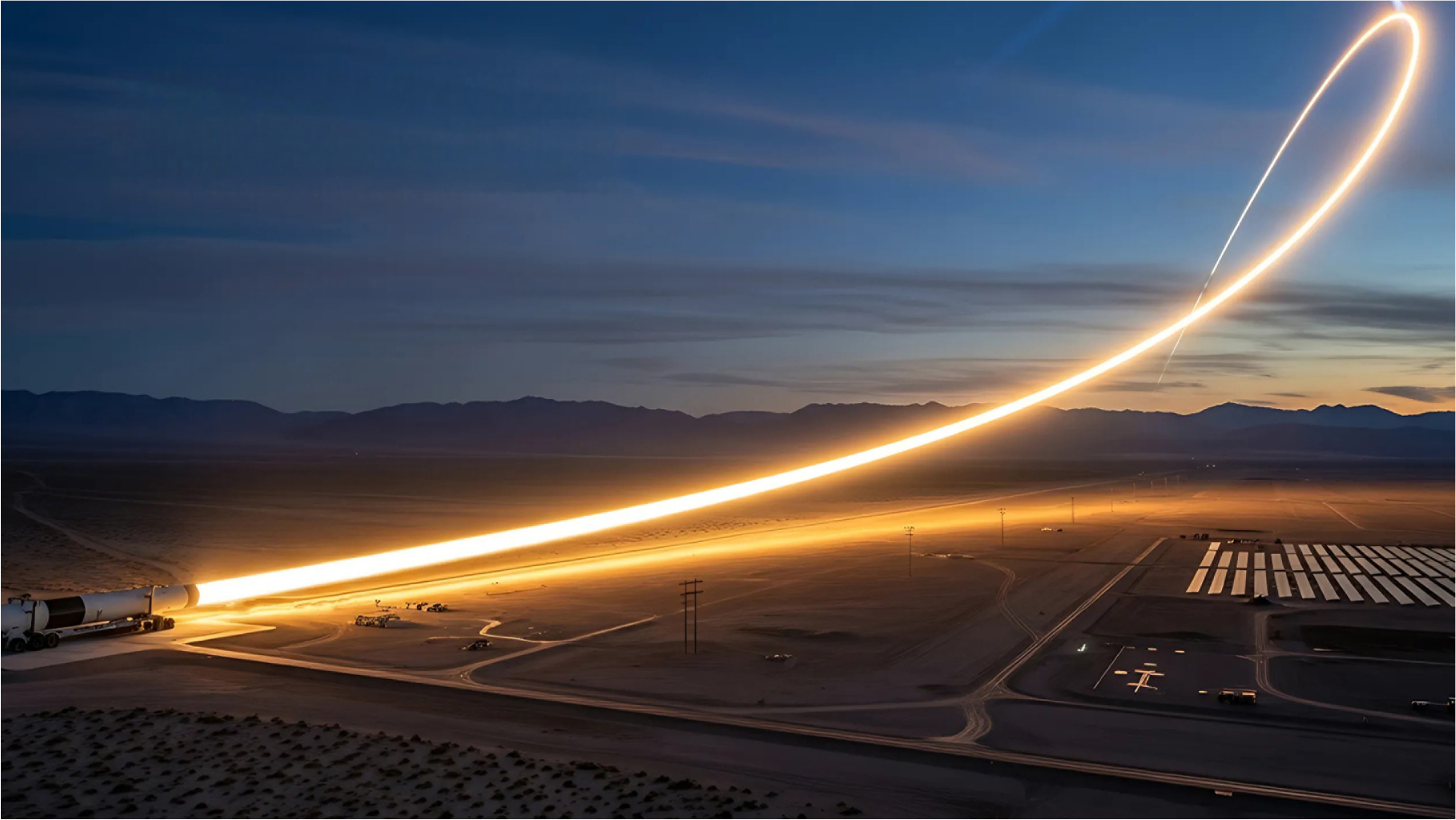
How? By ditching rockets entirely. Longshot's multi-injection accelerator uses compressed gas to push payloads through a long tube, adding velocity at each injection stage. The concept traces back to Nazi Germany's V-3 cannon, a 130-meter weapon designed to shell London from 165 kilometers away. That weapon never worked. But the physics did.
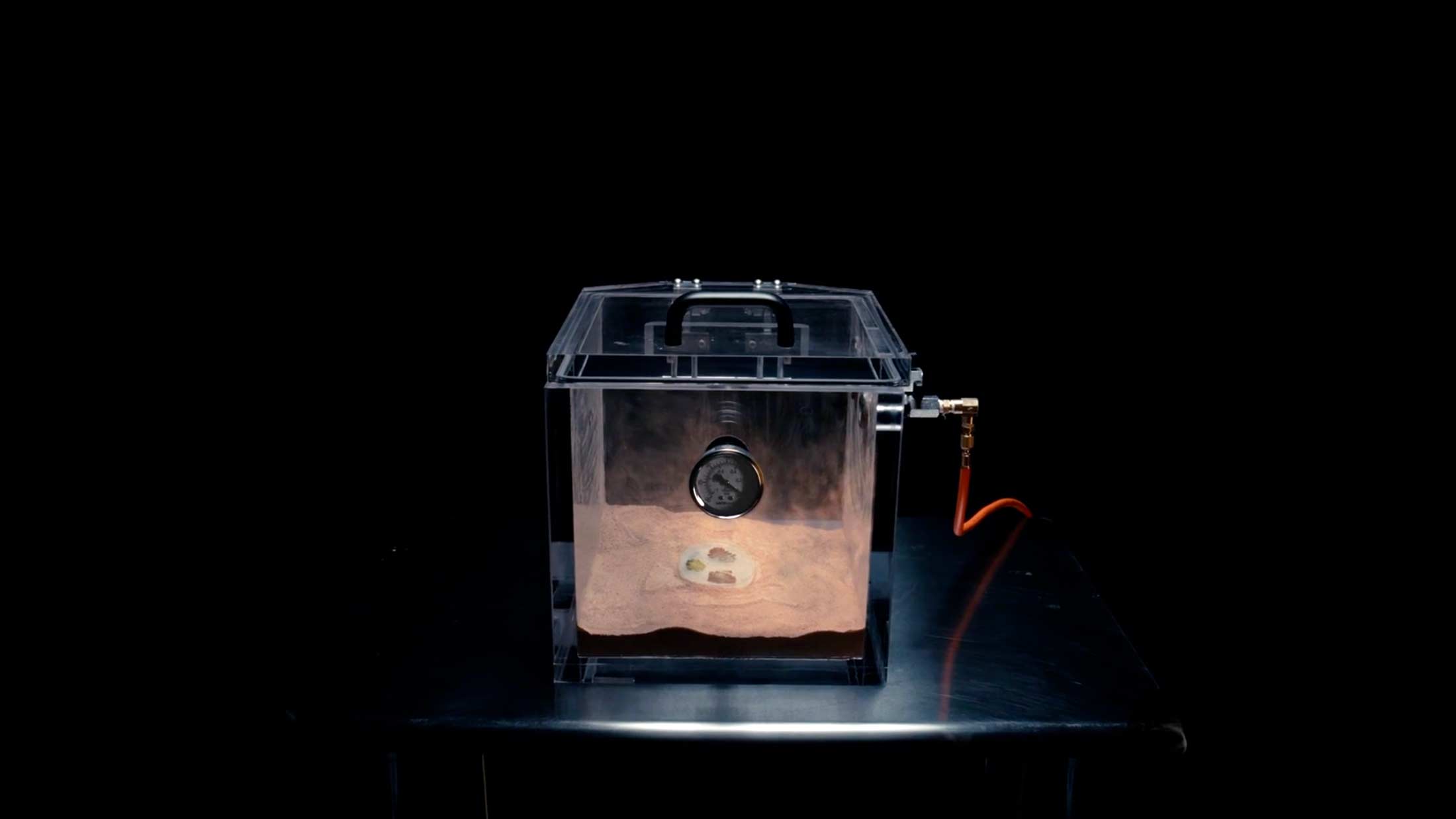
The company's current prototype sits in a former Navy cannon testing facility at Alameda Point. The system features a 30-inch diameter barrel stretching 120 feet, designed to push 100-kilogram payloads to Mach 5 speeds. The company has conducted over 100 launches and achieved speeds exceeding Mach 4. Getting to orbit requires Mach 25. The gap is vast.
Glowrider and the Defense Pivot
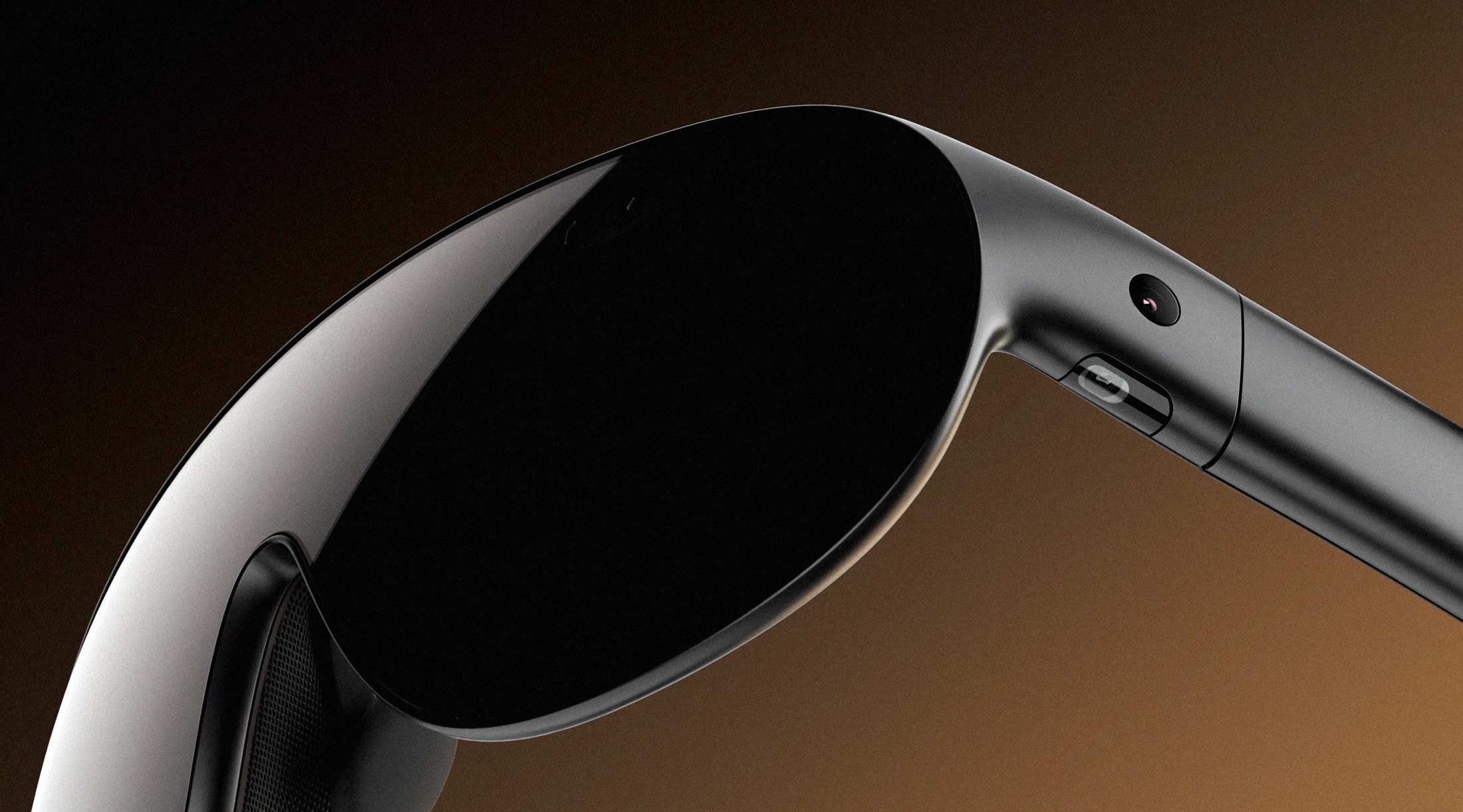
To bridge that gap, Longshot is building Glowrider, a hypersonic glide vehicle demonstrator designed to launch from the company's accelerator. The vehicle uses boost-glide architecture where the boost comes from the ground-based cannon rather than an onboard rocket. As Grace describes it, the projectile travels through a vacuum inside the tube, hits the atmosphere, and skips up like a stone.
The company calls it a hypersonic lifting body. The design trades momentum for lift to reach altitude and speed, becoming what aerospace engineers call a wave rider. Grace insists these vehicles must be built with mass to survive transit through the lower atmosphere. Some will be made of concrete.
This pivot toward hypersonic testing is strategic. Building a 10-kilometer space cannon requires proving the technology at smaller scales first. Hypersonic weapons testing offers a nearer-term market. The U.S. military currently spends between $6 million and $8 million per hypersonic test. Grace claims Longshot can do it for $150,000 to $250,000.
The Money and the Mission
Longshot has raised approximately $8 million in combined venture capital and government funding. Investors include Starship Ventures, Draper Associates, and Sam Altman. The U.S. Air Force has contributed through both SBIR grants and its Tactical Funding Increase program, which matches venture investments in defense-relevant startups.
In December 2025, the company joined a team led by Mettle Ops that was awarded a position on the Missile Defense Agency's SHIELD indefinite delivery/indefinite quantity contract. SHIELD is a 10-year program with a $151 billion ceiling supporting the Golden Dome missile defense strategy. Longshot won't see anywhere near that sum. The contract vehicle includes over 1,000 qualifying offerors competing for individual task orders. But inclusion signals that the Pentagon is paying attention.
The company's defense lead, Mark Bigham, said the award gives Longshot a platform to compete for consequential missile defense work. The near-term roadmap involves building a half-kilometer accelerator in Tonopah, Nevada, with test firings planned by the end of 2026. Grace has outlined a three-year trajectory: year one brings a large tube to the desert, year two scales to Mach 15 speeds, and year three produces a vehicle going to altitude with downrange effects.
Why This Matters Beyond the Spectacle
The fascinating thing about Longshot isn't the spectacle, though the spectacle is significant. A company whose CEO describes his technology as "stealing Nazi stuff where the physics questions have already been answered" is not playing by traditional aerospace rules.
The interesting question is whether rockets will remain the dominant architecture for space access indefinitely. Grace, an economist and former NASA molecular biologist, argues they will not. SpaceX has driven down costs substantially, but rockets still require expensive propellants, high-tolerance components, and cannot be fired in rapid succession. A ground-based accelerator made from steel pipe and concrete is, in theory, civil infrastructure rather than aerospace hardware.
Longshot envisions a launch site with multiple cannons arrayed like spokes around a shared fuel farm and integration facility, firing repeatedly throughout the day. The full orbital system would require moving somewhere remote, possibly northern Australia, and scaling to a 10 to 15 kilometer barrel. At that scale, the company claims it could launch 3,000-kilogram projectiles carrying 500 kilograms of payload to orbit.
The limitations are real. Kinetic launch imposes high g-forces, ruling out human passengers and fragile electronics without hardening. The tube diameter constrains payload geometry. Satellite manufacturers would need to design specifically for the platform. And the engineering challenges of building a 10-kilometer precision accelerator remain formidable.
A Company Built for the Long Game
Grace founded Longshot in 2020 alongside CTO Nathan Saichek. The two met at the Rainbow Mansion, a Mountain View co-living space that previously housed founders of Planet Labs and Astra. Grace started the company on $30,000 and lived off that money for nearly a year. He describes ranking his startup ideas by difficulty and excitement level; Longshot scored 10 out of 10 on both.
The hypersonic testing market offers a viable near-term business model while the company builds toward its larger ambitions. Defense spending on hypersonics is significant, and the U.S. lags peer adversaries in certain testing capabilities. If Longshot can deliver cheaper, faster hypersonic tests, it will have revenue and credibility to pursue orbital launch.
The company expects to fully occupy its Alameda facility in the first half of 2026. The Nevada site in Tonopah will enable longer barrels and higher speeds. Grace believes the U.S. government will pour money into hypersonics for the next three years to counter China. That window gives Longshot time to prove the technology and attract larger contracts.
None of this is guaranteed to work. The company's name acknowledges as much. But in an aerospace industry that has consolidated around a single dominant architecture for seven decades, alternatives deserve serious attention. A company firing refrigerators at Mach 20 from a concrete tube is either a very expensive failure or the beginning of something important.