We may earn a commission if you buy through links on this page. It never affects our coverage. Prices are as reported at publication and may have changed. As an Amazon Associate we earn from qualifying purchases.
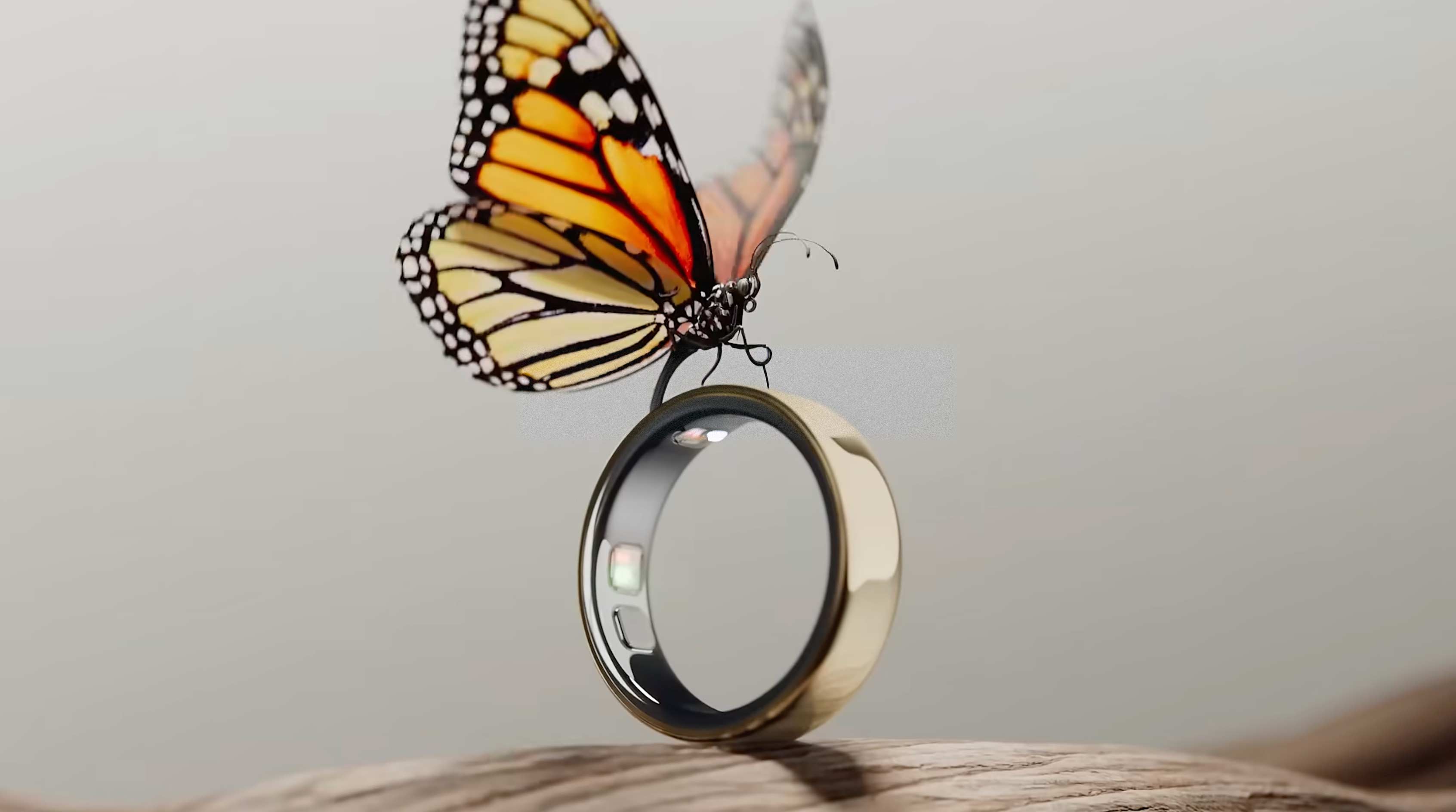
Oura has unveiled the Ring 5, which the company claims is the world's smallest smart ring. The fifth-generation device arrives just 18 months after the Ring 4 and represents a dramatic physical redesign: the Ring 5 measures 6.09mm wide and 2.28mm thick, down from 7.90mm and 2.88mm on its predecessor. Weight starts at 2 grams for smaller sizes and maxes out at 2.69 grams for the largest.
The shrink didn't come at the expense of battery life. Oura says the Ring 5 delivers six to nine days between charges, actually exceeding the Ring 4's five to eight day rating despite the 40% reduction in volume. The company achieved this by completely re-engineering the mechanical, electrical, optical, and battery architectures.
Hardware Gets Quieter, Software Gets Louder
Inside the slimmer titanium shell are 12 upgraded signal pathways and more powerful LEDs, which Oura says improve accuracy across a wider range of finger types and skin tones. The company worked with over 40 in-house physicians and scientists to refine its sensing approach, and the new low-profile sensor domes are partly responsible for the smaller form factor.
The bigger story is what Oura is doing on the software side. Health Radar, launching alongside the Ring 5, expands on the older Symptom Radar feature by continuously monitoring biometric signals in the background. Its two debut capabilities are Blood Pressure Signals, which tracks overnight cardiovascular patterns to catch shifts that might indicate strain, and Nighttime Breathing, which surfaces a 30-day rolling view of sleep-related respiratory disturbances.
Oura is also pushing into direct clinical integration. Through a partnership with Counsel Health, members in 43 U.S. states can now ask health questions inside the app and receive AI-enabled guidance before optionally connecting with a licensed physician. A new Health Records feature lets users import clinical data from eligible healthcare providers, including medications, lab results, and diagnosed conditions.
GLP-1 Tracking and the Platform Play
Perhaps most telling of where Oura sees its future: GLP-1 Insights. The feature gives users managing weight-loss medications like Ozempic or Mounjaro a unified view of dosing schedules, side effects, weight trends, and the biometric data the ring already captures. It's a nod to the millions of Americans now on these drugs and their need for longitudinal self-tracking.
The Ring 5 starts at $399 for silver and black finishes, a $50 increase from the Ring 4. Premium colors including a redesigned gold, brushed silver, stealth, and a new deep rose run $499. All variants require an Oura membership at $5.99 per month. A portable charging case with a physical action button and multi-ring software support is available separately for $99. Shipping begins June 4.
The timing is notable. Oura confidentially filed for an IPO last week and says it's on track to surpass five million paid members this quarter. The company has sold over 5.5 million rings to date and faces intensifying competition from subscription-free rivals like RingConn and Ultrahuman. Making a ring small enough to look like jewelry while layering on clinical features is the clearest signal yet that Oura sees health platform ambitions, not gadget sales, as its path to public markets.