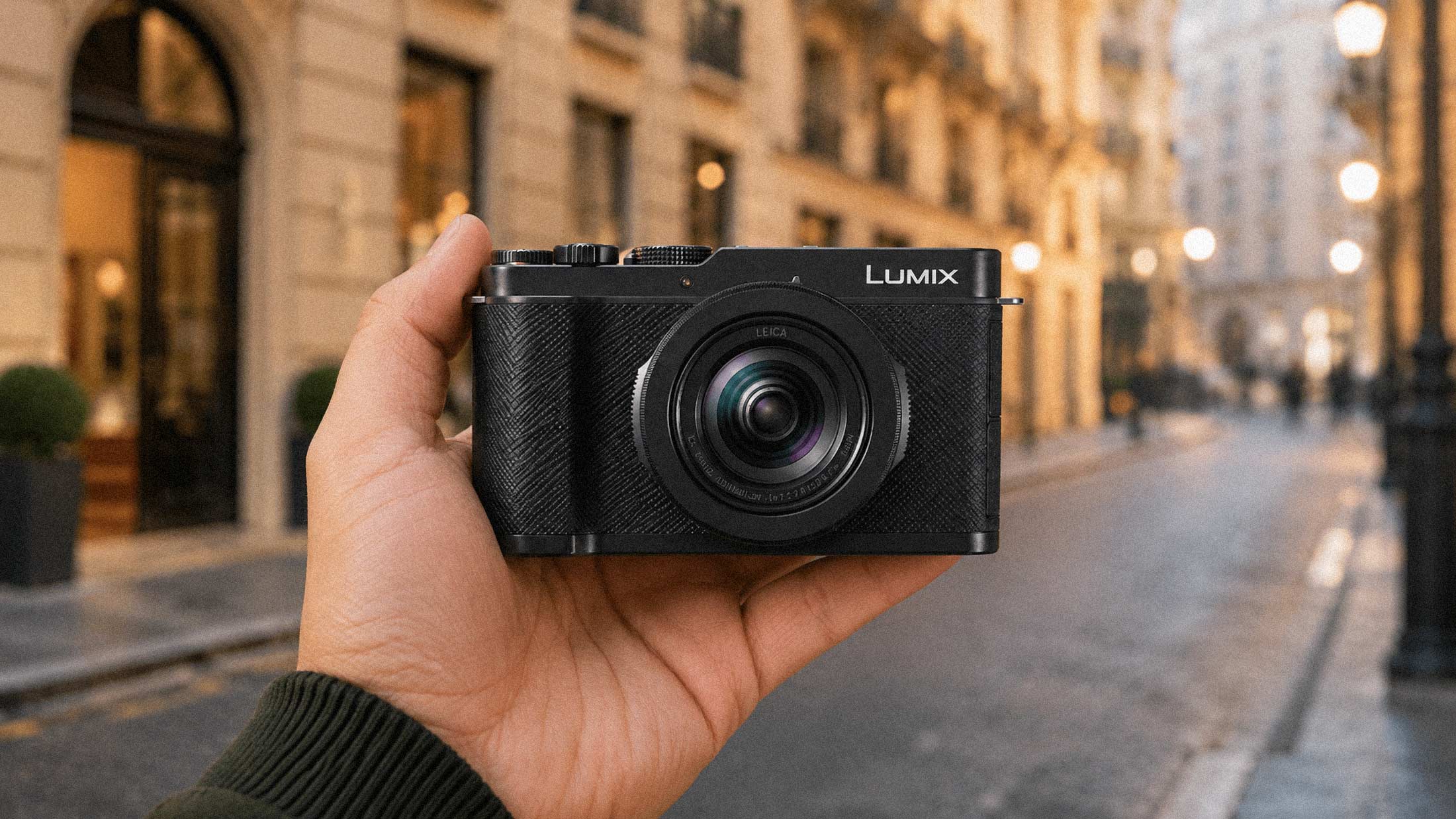
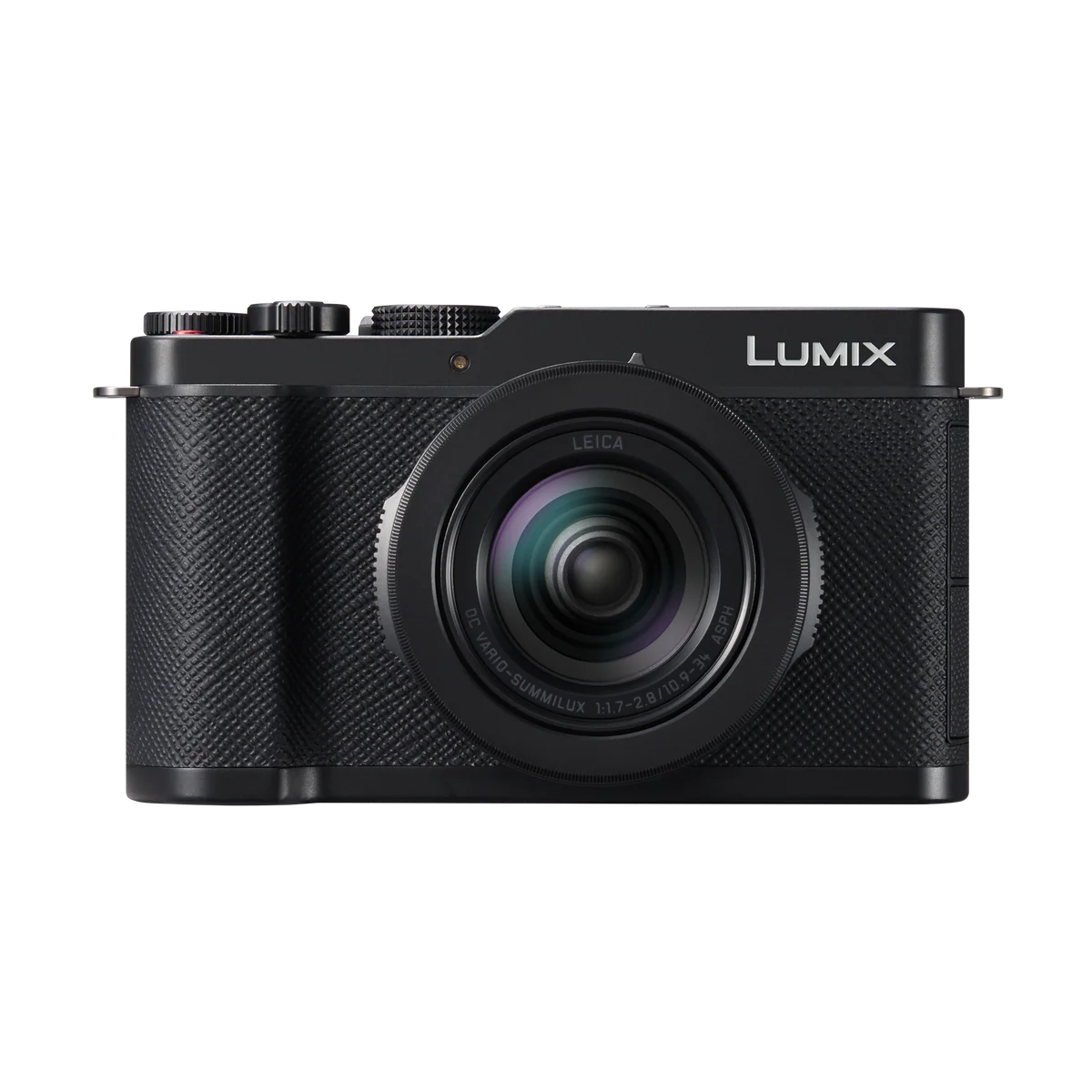
Panasonic has announced the Lumix L10, a premium fixed-lens compact camera positioned as the spiritual successor to the LX100 series that went quiet after 2018. Priced at $1,499 in black or silver, the L10 arrives in June to commemorate 25 years of the Lumix brand.
The formula will look familiar to anyone who followed Panasonic's compact line through the mid-2010s. A 20.4-megapixel backside-illuminated Four Thirds sensor sits behind a Leica DC Vario-Summilux 24-75mm (full-frame equivalent) lens with an f/1.7-2.8 aperture. The sensor is borrowed directly from the Lumix GH7, Panasonic's flagship video-oriented Micro Four Thirds body, and pairs with the company's latest image processing engine. At 508 grams with battery and card, the body falls somewhere between a true pocket camera and a small mirrorless rig.
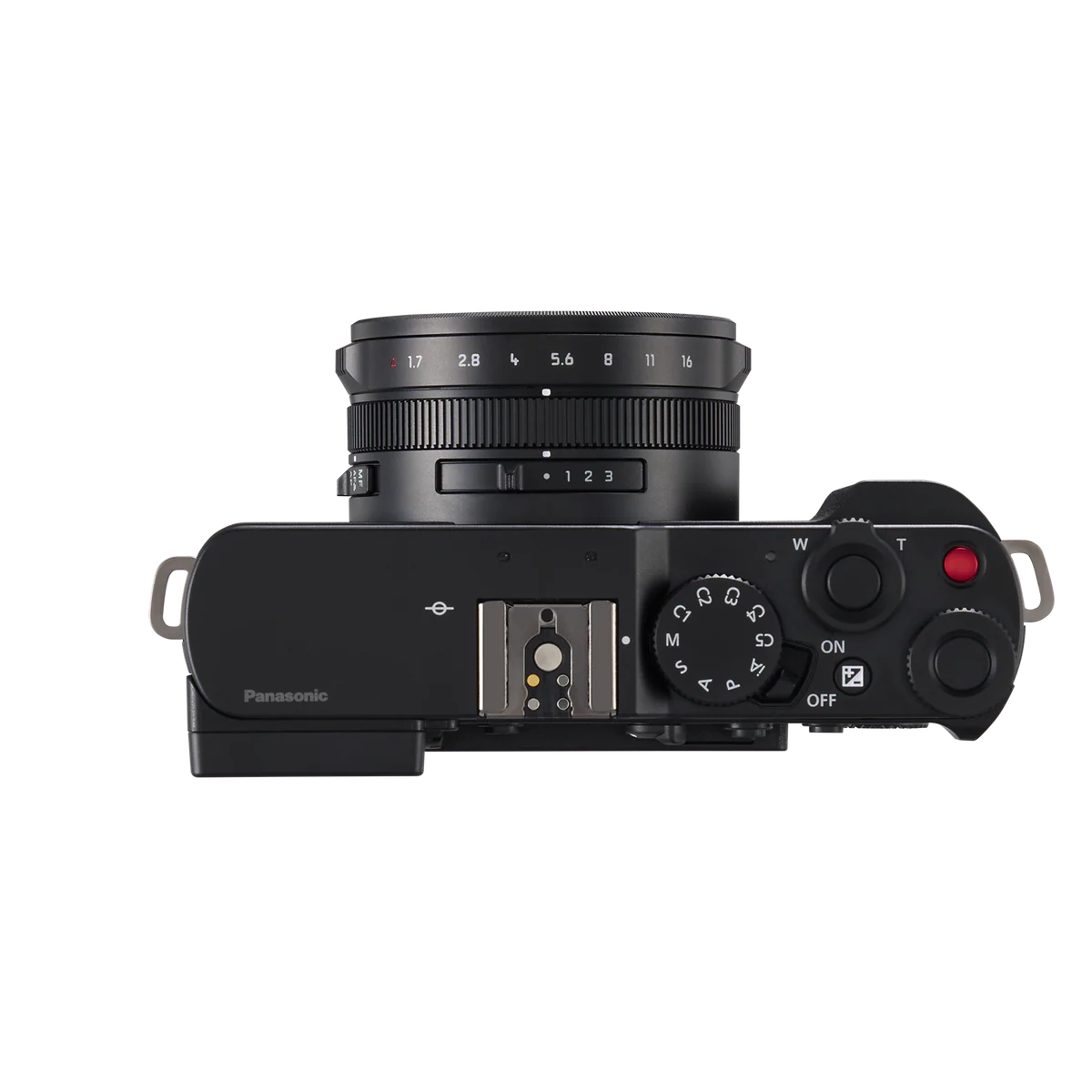
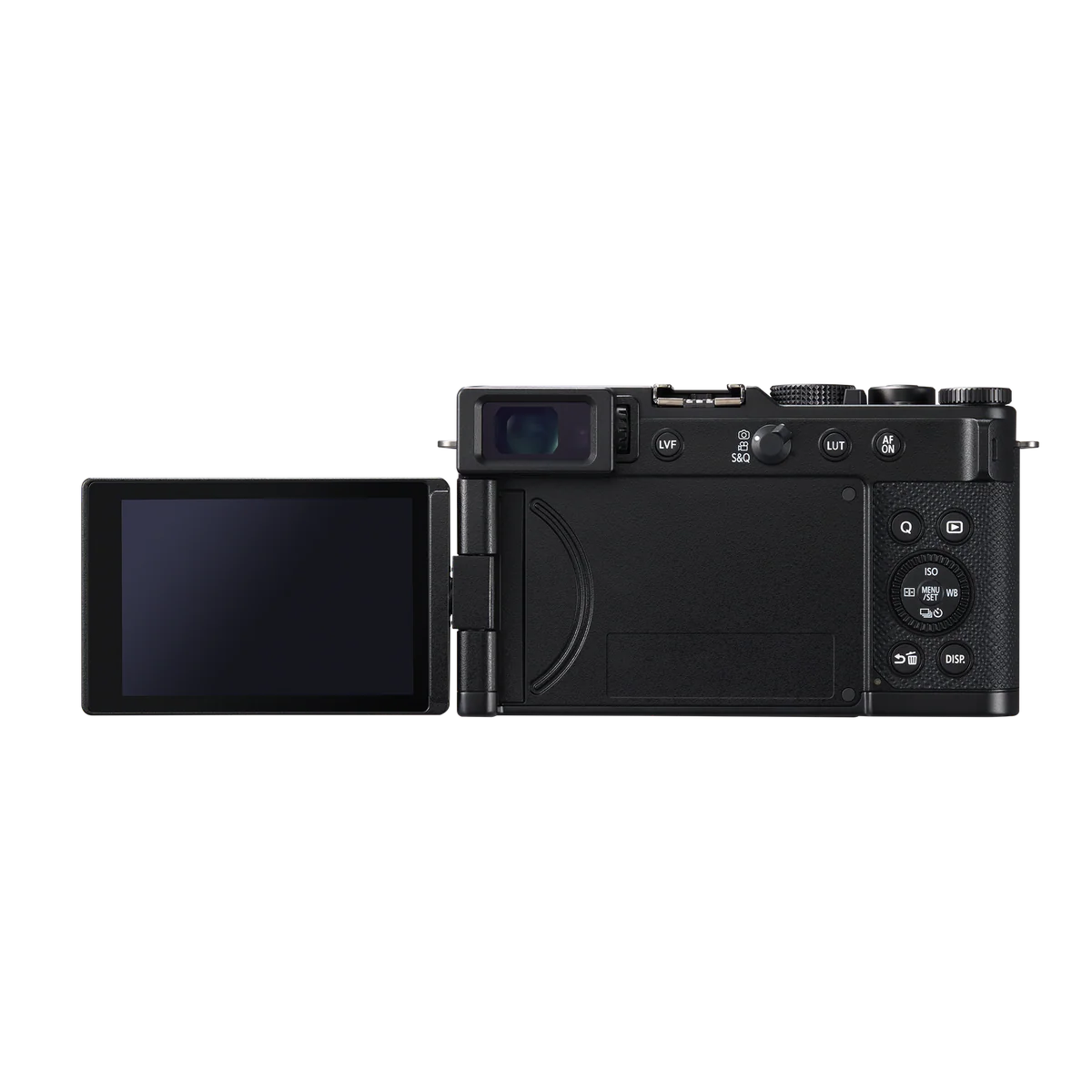
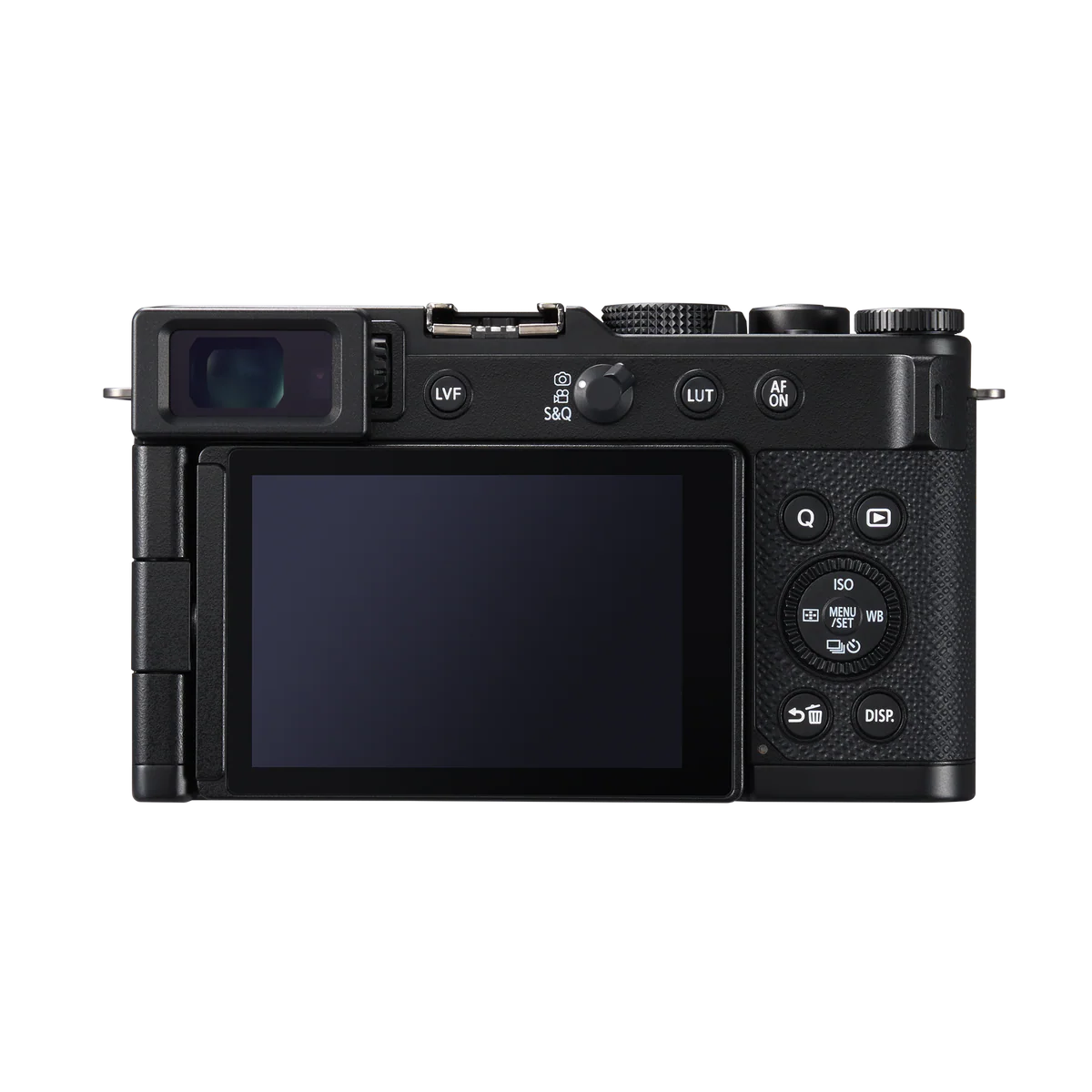
Core Specifications
- Sensor: 20.4MP effective (26.5MP total) BSI CMOS, Four Thirds format, multi-aspect design
- Lens: Leica DC Vario-Summilux 10.9-34mm f/1.7-2.8 (24-75mm full-frame equivalent), manual aperture ring
- Autofocus: Phase Hybrid AF with 779 focus points, AI subject detection for eyes, faces, bodies, animals, vehicles
- Burst rate: 30 fps electronic shutter, 11 fps mechanical shutter
- Video: 5.6K at up to 60p, DCI 4K at up to 120p (4:2:0 10-bit), V-Log support
- Viewfinder: 2.36-million-dot OLED EVF
- Display: 3-inch 1.84-million-dot free-angle touchscreen LCD
- Stabilization: Power O.I.S. (optical)
- Macro: 3cm minimum focus distance at wide end
- Battery life: Approximately 420 shots (LCD), 410 shots (EVF)
- Weight: 508g with battery, card, and hot shoe cover
- Connectivity: Wi-Fi, Bluetooth, USB-C (charging, data, UVC streaming)
- Card slot: Single SD
- Price: $1,499 (black/silver), $1,599 (Titanium Gold Special Edition)
What the L10 Gets Right
The most significant upgrade over the LX100 II is the autofocus system. The old camera relied on contrast detection with 49 focus points. The L10 jumps to a phase-hybrid system with 779 points and Panasonic's current AI-based subject tracking. That should eliminate one of the LX100 II's genuine weaknesses in real-world shooting.
The multi-aspect sensor design returns, allowing photographers to switch between 4:3, 3:2, and 16:9 without cropping or changing the angle of view. A dedicated aspect ratio dial surrounds the lens barrel. Panasonic has also added a free-angle rear screen and a vertically optimized user interface for shooting in portrait orientation.
Color tools lean into the same direction Panasonic has pushed since the S9 announcement. Real Time LUT support lets users load custom look-up tables and preview the final color grade while shooting. Two new film-inspired Photo Styles, L.Classic and L.ClassicGold, join the existing Leica Monochrome preset. The Lumix Lab app has also been updated to version 3.0, adding RAW editing, LUT creation with parameters like grain and sharpness, and firmware updates directly through the phone.
How the L10 Fits the Lumix Lineup
The L10 fills a gap Panasonic left open for nearly eight years. The LX100 II launched in 2018 with a 17-megapixel sensor, 49 autofocus points, a fixed rear screen, and a non-OLED viewfinder. It was an excellent camera at the time but grew dated against newer rivals from Sony, Fujifilm, and Canon. The L10 modernizes every component the LX100 II got wrong while keeping the tactile, analog-forward handling that made the original series popular with street and travel photographers.
At $1,499, the L10 slots below Panasonic's full-frame S9 with kit lens ($1,399 at retail) but above most of the compact competition. The Leica D-Lux 8, which uses the same lens formula but with older internals, runs about $416 more. The Fujifilm X100VI, the current darling of the premium compact market, uses a larger APS-C sensor but offers only a fixed 35mm-equivalent lens rather than a zoom.
Video capability is present but secondary. The L10 records 5.6K at up to 60p and DCI 4K at up to 120p, supports V-Log, and outputs 10-bit color in multiple formats. It has a microphone jack but no headphone jack and no HDMI port. Panasonic seems to be positioning the camera as a photography-first tool with b-roll capability rather than a true hybrid.
The Anniversary Edition
A Titanium Gold Special Edition will follow in July at $1,599, available primarily through the Panasonic Store. The kit includes a matching automatic lens cap, a leather strap, a gold-themed menu interface, and rear branding placed where only the shooter can see it. Panasonic is calling it the 255th model in the Lumix lineup.
Whether the L10 succeeds depends on how well it addresses the LX100 II's legacy issues in practice. The autofocus, viewfinder, and articulating screen improvements look substantial on paper. The body will need to prove itself in handling and long-term reliability. Pre-orders are open now at major retailers.