A dish of 200,000 neurons is now influencing how an artificial intelligence selects its next word. That sentence would have read as science fiction three years ago. Today it's an open-source project on GitHub.
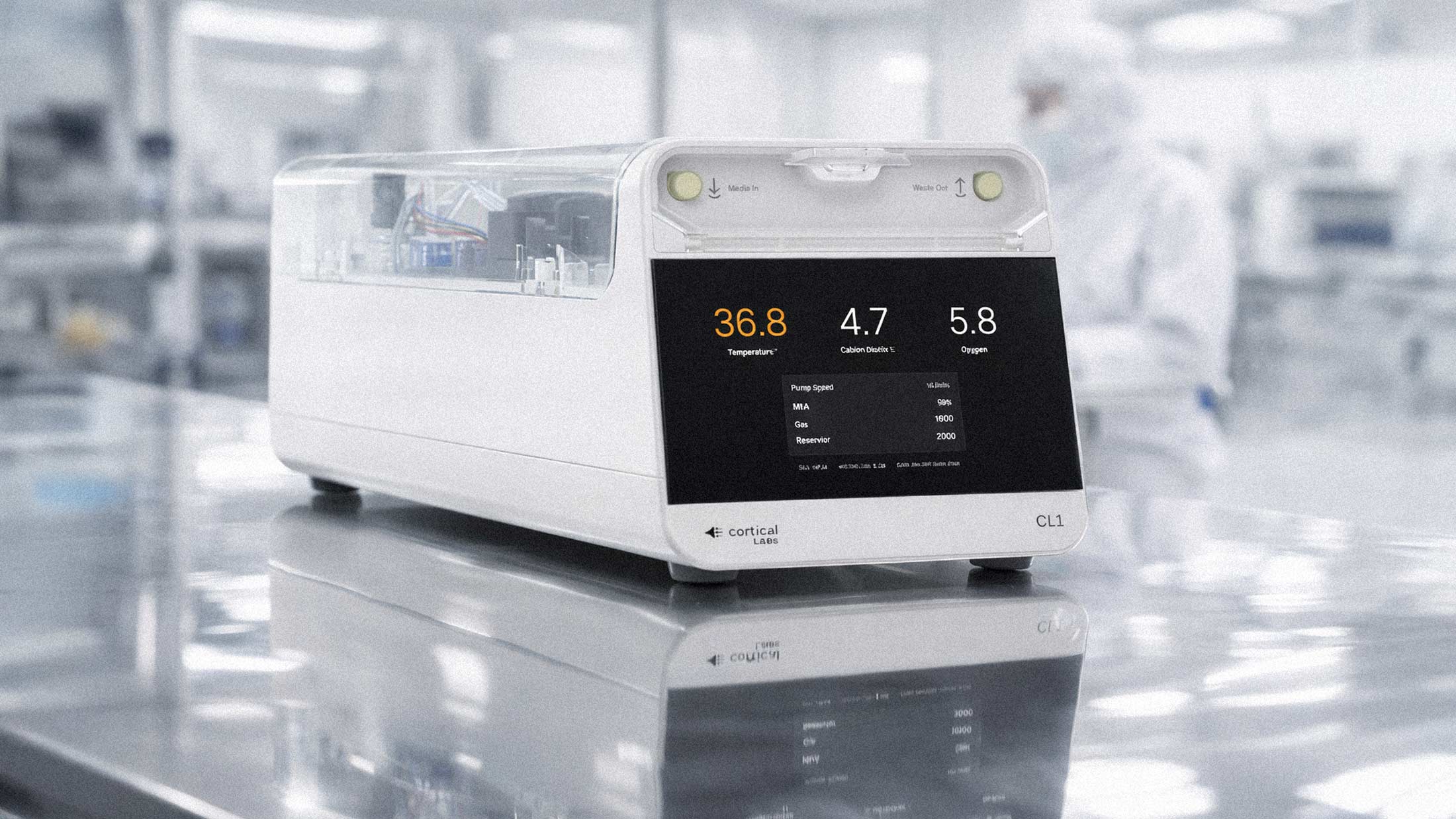
Cortical Labs, an Australian biocomputing startup, has spent years developing what it calls CL1: a biological processing unit built from actual human and mouse neurons grown on a multi-electrode array. The cells form networks, fire signals, and respond to electrical stimulation. They learn. And in one memorable demonstration, they learned to play Doom.
Neurons Playing Video Games
The Doom experiment wasn't a gimmick. It was a proof of concept. By mapping game state to electrical inputs and interpreting neural firing patterns as control signals, Cortical Labs demonstrated that biological tissue could process information, receive feedback, and adapt its behavior over time. The neurons got better at the game. They weren't just reacting. They were learning.
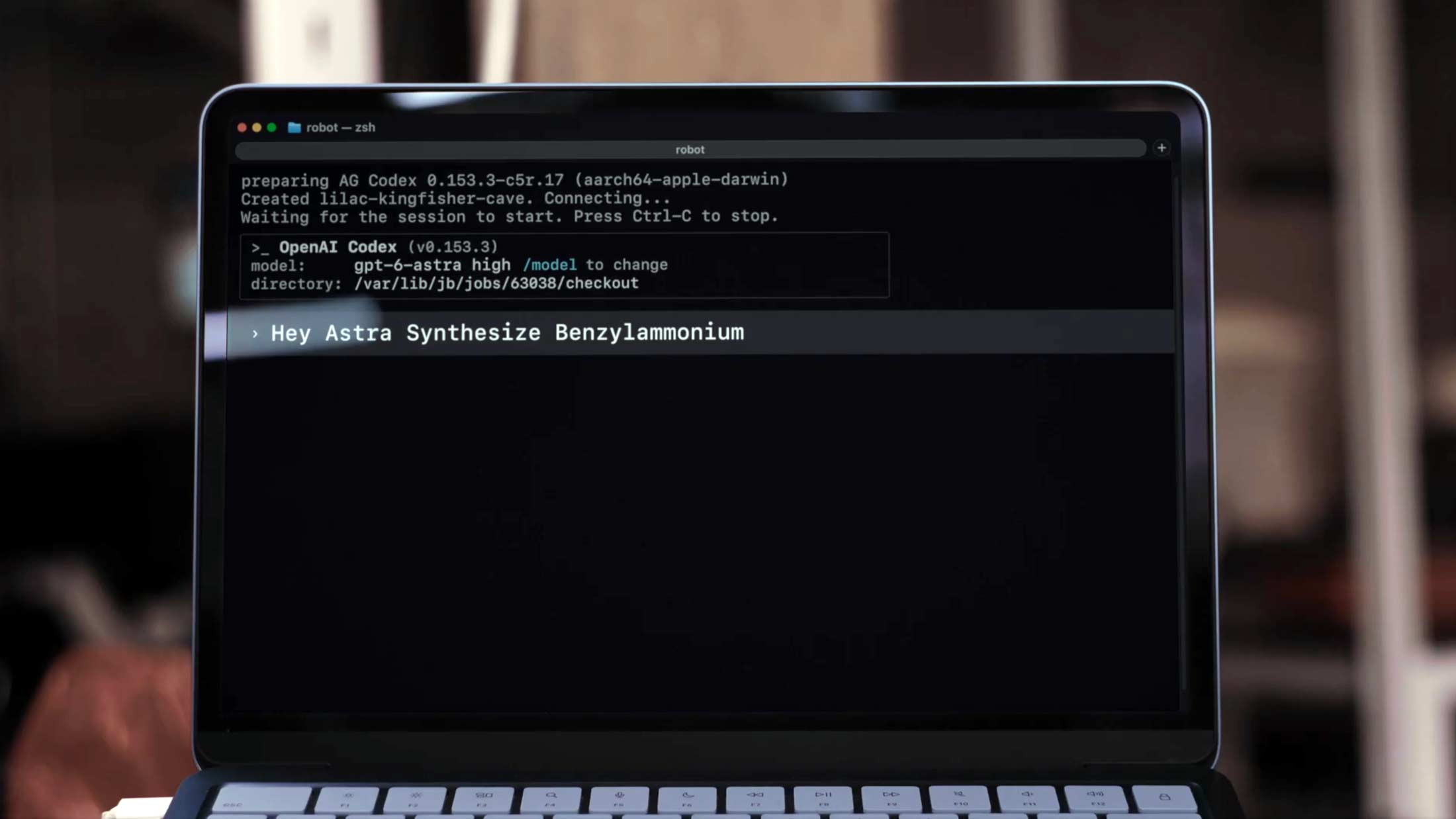
That research caught the attention of developers interested in hybrid intelligence systems. One project, CL1_LLM_Encoder, now connects Cortical Labs' biological processing unit to the token-selection layer of a large language model. The neurons receive encoded representations of the model's current state and output signals that influence which word comes next.
This is not neurons replacing silicon. It's neurons augmenting it. The biological layer adds a processing step that's fundamentally different from anything a GPU can do. Neural tissue doesn't compute in the same way transistors do. It's messier, more parallel, more adaptive. Whether that messiness is a feature or a bug depends on what you're building.
Why Biology Might Matter for Computation
Silicon has limits. Power consumption is one. The human brain runs on roughly 20 watts. Training GPT-4 required enough electricity to power a small town for months. Biological systems evolved under severe energy constraints, and the architecture reflects that. Neurons are extraordinarily efficient at pattern recognition, temporal processing, and learning from sparse data.
Cortical Labs isn't trying to replace data centers with petri dishes. The pitch is more targeted: certain computational tasks might benefit from biological substrates. Robotics, for instance, where real-time sensory integration matters. Or embodied AI systems that need to navigate unpredictable environments. Or language models that could use a little more adaptability in how they weight competing outputs.
The CL1 hardware itself is a remarkable piece of engineering. Neurons are cultured on a high-density electrode array that can both stimulate and record from thousands of individual cells. The interface translates digital signals into electrical pulses the neurons can interpret, and vice versa. It's a two-way bridge between carbon and silicon.
The Implications Are Genuinely Strange
If this technology matures, computation stops being purely a physics problem and becomes a biology problem too. That opens doors nobody has fully mapped yet. Could we grow specialized neural circuits for specific tasks? Could biological co-processors become standard components in future systems?
There are ethical questions that haven't been answered. The neurons are alive. They respond to stimuli. At what point does a neural network on a chip warrant moral consideration? Cortical Labs uses cells that don't form anything resembling consciousness, but the technology points toward a threshold that will eventually need to be defined.
For now, the CL1_LLM_Encoder project is more demonstration than product. The code is rough. The documentation is sparse. But the concept is sound, and the fact that it works at all suggests that hybrid biological-digital systems aren't a distant theoretical possibility. They're already being prototyped by hobbyists with access to biocomputing hardware and an internet connection.
The brain took evolution hundreds of millions of years to optimize. We've had transistors for less than a century. The interesting question isn't whether biological computation can match silicon. It's whether the two can be combined into something neither could achieve alone.