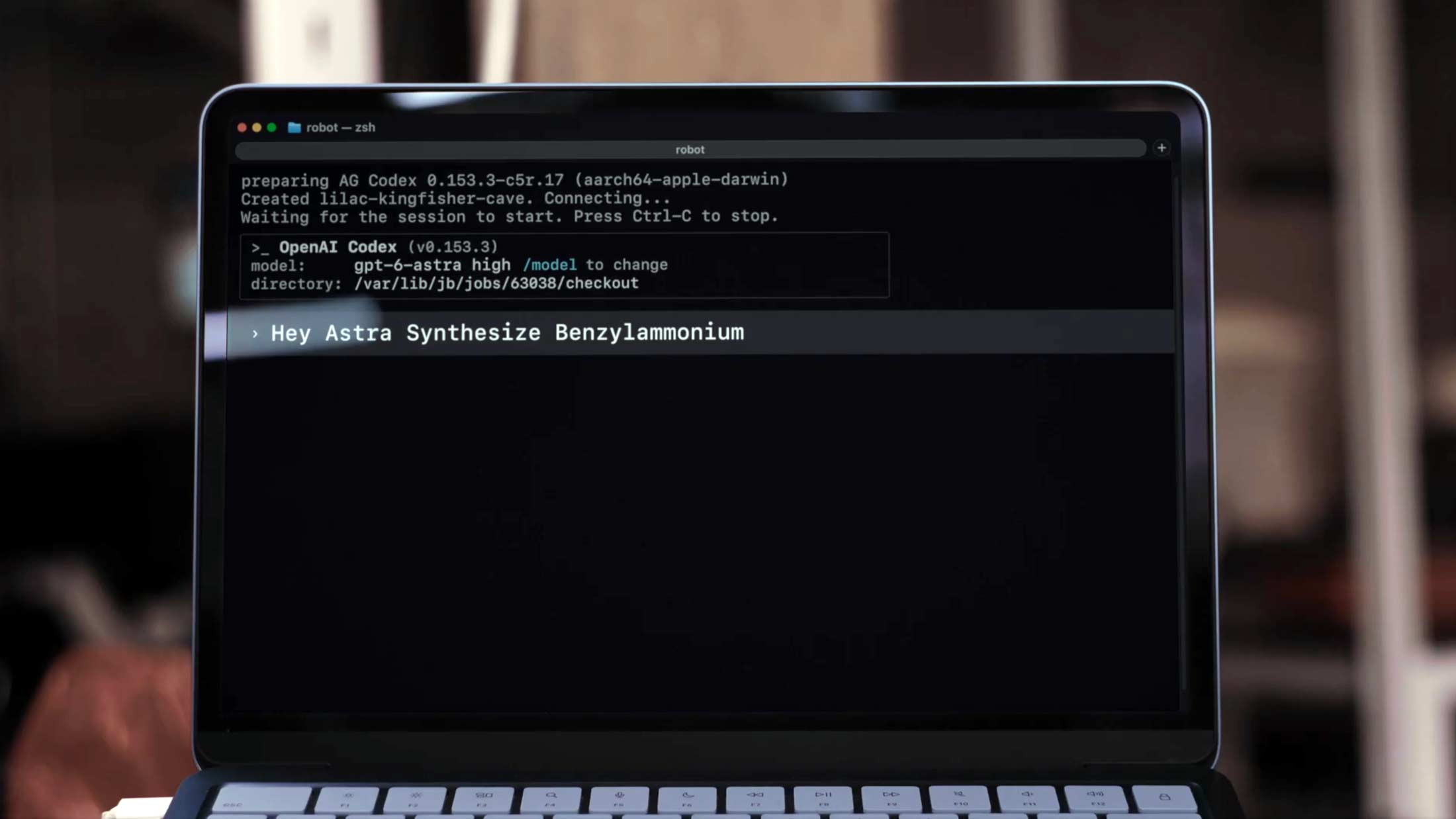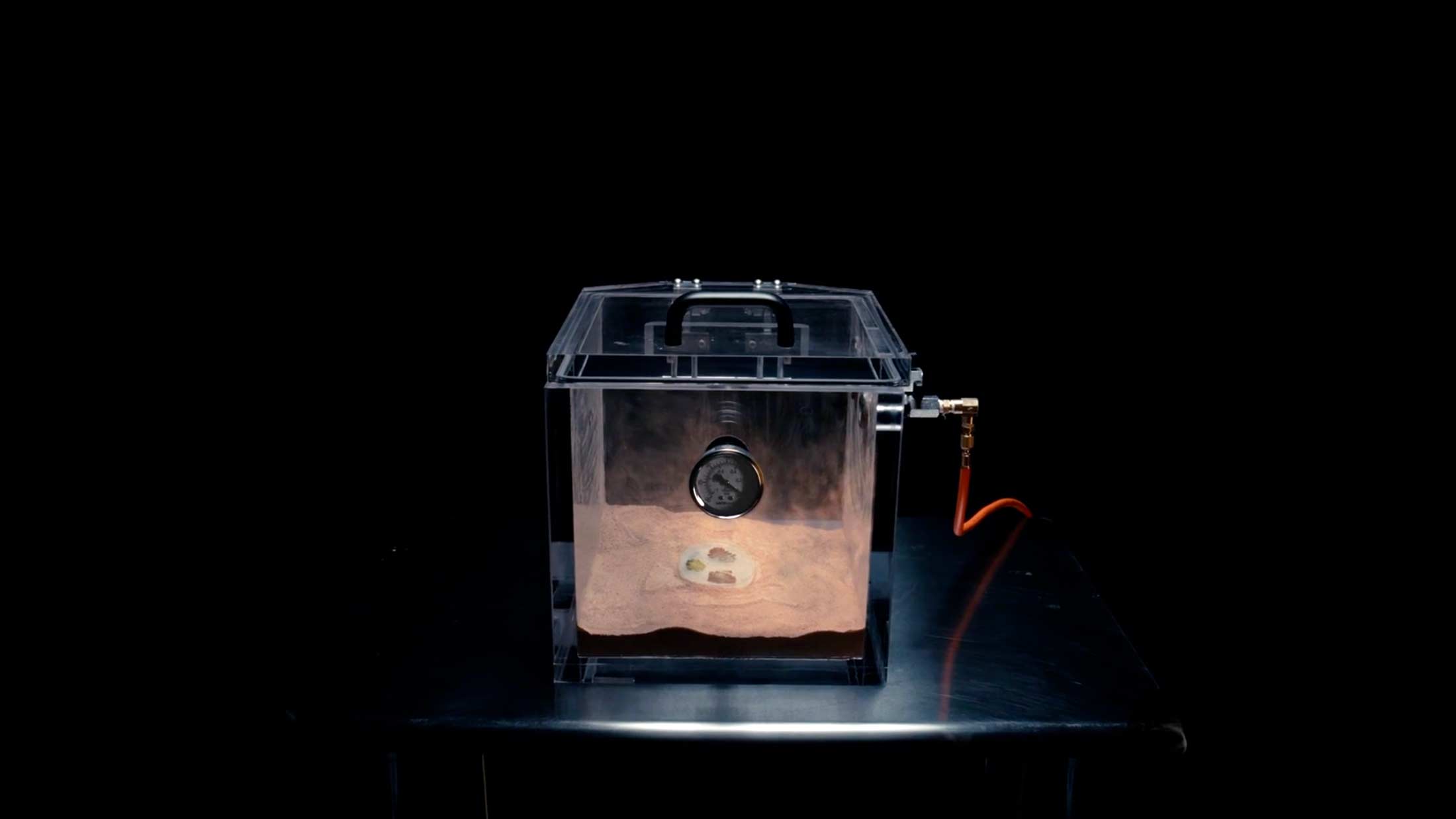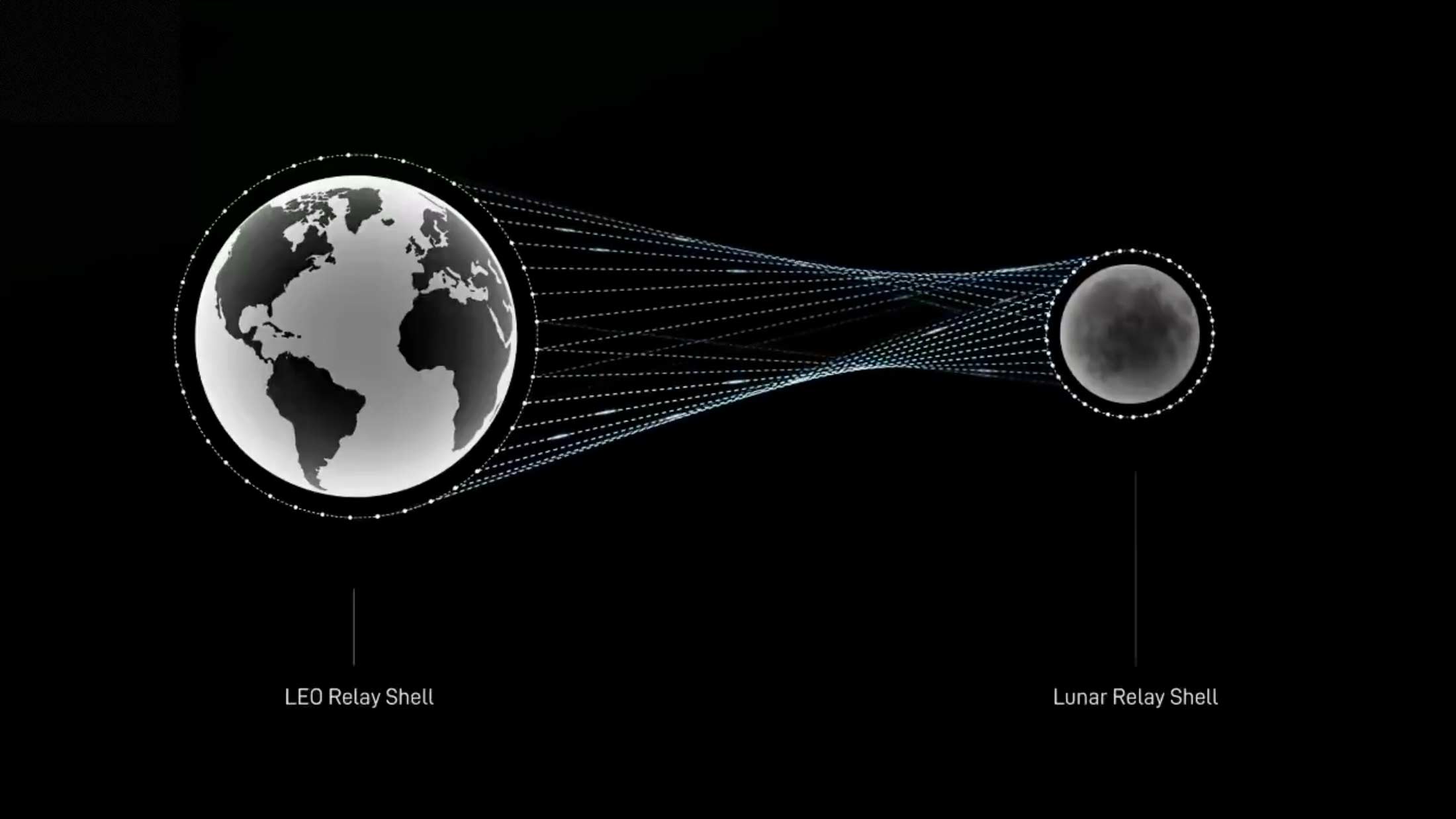
SpaceX's Starlink team is actively exploring laser-based communications around the Moon, according to recent reports. The company aims to extend its optical intersatellite link technology from low Earth orbit to cislunar distances. If successful, the approach could deliver gigabit-class bandwidth to the lunar surface, a capability that would transform everything from scientific data return to live broadcasts.
Awesome, SpaceX has begun exploring using Starlink to enable high-bandwidth around the Moon!
— Nic Cruz Patane (@niccruzpatane) May 21, 2026
Traditionally, deep space coms has relied on radio frequencies.
This will enable gigabit connectivity anywhere on the Lunar Surface. Imagine watching livestreams. It’s gonna happen. pic.twitter.com/y5XoFgdbtz
The Problem With Radio
Deep space communications have relied on radio frequency systems since the dawn of spaceflight. NASA's Deep Space Network, the largest and most sensitive telecommunications system in the world, has been the backbone of every planetary mission. But radio has hard limits. Voyager 1, now drifting beyond the solar system, transmits data at roughly 100 bits per second. Even missions closer to home struggle. Traditional RF systems face bandwidth limitations that worsen as data volumes grow.
The Apollo missions illustrated this constraint dramatically. When Neil Armstrong stepped onto the lunar surface in 1969, the television signal came through at just 10 frames per second with 320 lines of resolution. NASA had only about 700 kHz of bandwidth available after allocating spectrum to voice and telemetry. The grainy footage that 600 million people watched required slow-scan compression and ground-station conversion to broadcast standards. It worked, barely, but it was never going to scale.
What Starlink Already Does
SpaceX's optical communications infrastructure has matured significantly. Each current Starlink satellite carries three optical intersatellite links capable of sustaining 100 Gbps per link, with peak transmissions reaching 200 Gbps in some cases. As of early 2024, roughly 9,000 of these lasers were operating in orbit, collectively transmitting more than 42 petabytes of data every day with link uptime exceeding 99 percent.
The system operates on near-infrared wavelengths around 1,550 nm. SpaceX has already begun selling miniature versions of these terminals to other satellite operators. Muon Space recently announced that Starlink mini laser terminals will provide its Halo satellites with 25 Gbps connectivity at distances up to 4,000 km.
The Lunar Leap
Extending this infrastructure to lunar distances presents a fundamentally different engineering challenge. The Moon sits roughly 384,000 km from Earth, compared to the few hundred kilometers separating Starlink satellites in LEO. Maintaining a coherent laser link across that gap requires accounting for orbital mechanics, pointing precision measured in microradians, and atmospheric interference on the Earth-side terminal.
SpaceX has not disclosed a timeline or deployment architecture. The project reportedly remains in an exploration phase. But the ambition fits within SpaceX's broader lunar commitments. NASA's Artemis program has contracted SpaceX's Starship as a Human Landing System for missions currently planned for 2027 and beyond. Reliable high-bandwidth communications will be essential for sustained lunar surface operations.
If Starlink's laser mesh can be adapted for cislunar space, it could provide NASA and commercial operators a data pipeline far more capable than anything the Deep Space Network currently offers. The implications extend beyond scientific data. A gigabit connection to the lunar surface would enable live 4K broadcasts from moonwalks, real-time remote operation of equipment, and the kind of media coverage that sustained lunar presence will likely demand.
NASA is already soliciting commercial bids for high-speed communications systems on Artemis III. Whether SpaceX's internal exploration translates into hardware on orbit remains to be seen, but the company has a track record of building exactly what it needs.