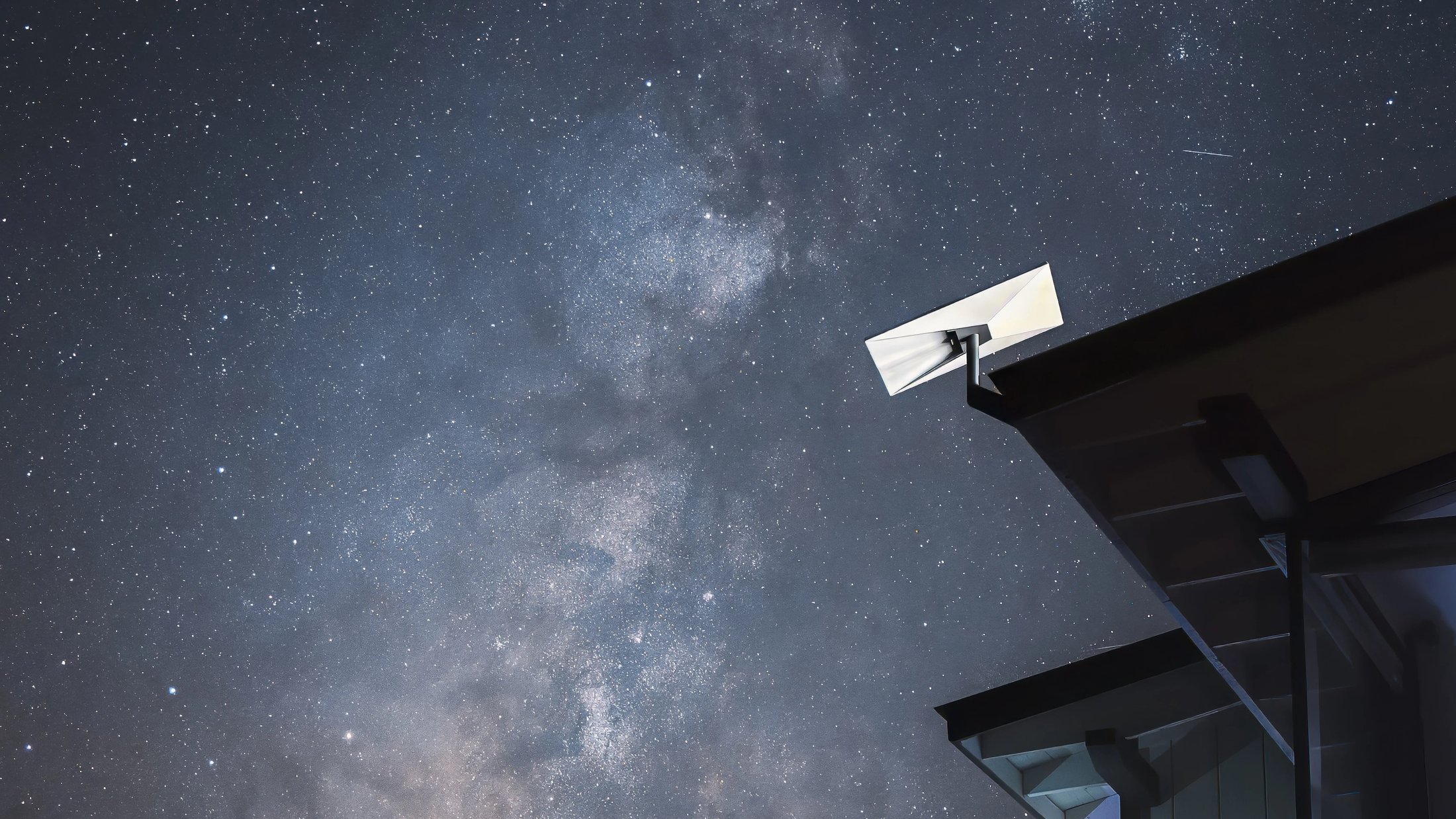
Pricing for SpaceX's unannounced Starlink Mini 2 has appeared in hidden product data on the company's website, according to reports from Starlink enthusiast site Dishy Tech. The second-generation portable satellite dish is listed at $249, with a removable 71Wh battery accessory priced at $50.
SpaceX has made no formal announcement. The company's public product page still lists only the original Starlink Mini, which currently sells for $149 in the United States after a series of price cuts from its $599 launch price in June 2024.
What the leaks show
Hardware researcher Oleg Kutkov first revealed the Mini 2's existence in July 2026 through firmware analysis. The terminal carries the internal hardware revision mini2_prod1, indicating production-ready hardware rather than a prototype.
According to Kutkov's findings, the Mini 2 includes a built-in four-cell lithium battery managed by a BQ40Z-series battery management system. The battery charges via USB-C Power Delivery with an input range of 11 to 24 volts. The device's antenna panel measures 225 × 273 mm, slightly smaller than the original Mini's 236 × 276 mm.
The firmware also reveals a significant tradeoff. The transmit duty cycle drops from 75 percent on the original Mini to just 11 percent on the Mini 2. Kutkov attributed this limitation to the terminal's power budget, and the change will result in noticeably slower upload speeds.
"This limitation is most likely driven by the terminal's power budget," Kutkov wrote in his July 19 analysis on X.
Introducing Mini 2, the next-generation portable Starlink. Get up to 4.5 hours of connectivity on a single charge with the quick-swap battery, or plug in with USB-C. With built-in Wi-Fi, all you need is a clear view of the sky to get online in 60 seconds. Preorders are now open by invitation in the US. Be the first to know when it's available → https://t.co/t2pSI1buaW
— Starlink (@Starlink) November 10, 2026
Thermal changes and motion support
SpaceX appears to have redesigned the Mini 2 for harsher conditions. The MAC thermal throttling thresholds rise to 95°C and 99°C, up from 79°C and 83°C on the first-generation model. The battery itself is configured to shut down at 80°C as a safety precaution.
The terminal retains GPS and is explicitly configured for in-motion use, making it compatible with rooftop vehicle installations. The underlying system-on-chip remains the same "Catapult" processor used in the original Mini.
A price drop that preceded the discovery
SpaceX cut the original Mini's price to $149 in early October 2026, its lowest point ever. Notebookcheck and other outlets speculated the reduction was inventory clearance ahead of a Mini 2 launch. That theory now looks more plausible.
The original Starlink Mini launched in June 2024 at $599, dropped to $299 by late 2025, hit $199 in early 2026, and then fell to its current $149 this fall. The Mini 2's $249 base price, if accurate, would position it between the original Mini's current sale price and its former list price.
Elon Musk mentioned a rugged Mini with a built-in battery and USB-C charging in June 2026, though SpaceX never published specifications or a release timeline for that product. It remains unclear whether the rugged Mini and the Mini 2 are the same device.
No official availability
Social media posts on November 10 claimed SpaceX had opened US preorders for the Mini 2. Glitchwire could not independently verify these claims through SpaceX's official channels. The Starlink Mini product page continues to show only the original Mini as of publication.
Dishy Tech reported the pricing details on November 9, noting they were discovered in hidden website data that had not previously been reported. A YouTube video from the same outlet, published today, walks through the findings.
The $50 battery accessory suggests SpaceX will sell the Mini 2 base unit without a battery for the $249 price, with the removable power pack as an add-on. That would give buyers flexibility but also means the headline price does not include off-grid capability out of the box.
For comparison, third-party battery solutions for the current Mini, like the Ravion clip-on packs, cost between $189 and $329 depending on capacity. A first-party $50 battery would significantly undercut that market.
SpaceX has historically launched Starlink hardware with little advance notice. The original Mini appeared as an invite-only product before wider availability. The same pattern may apply here, with pricing surfacing before any formal rollout.