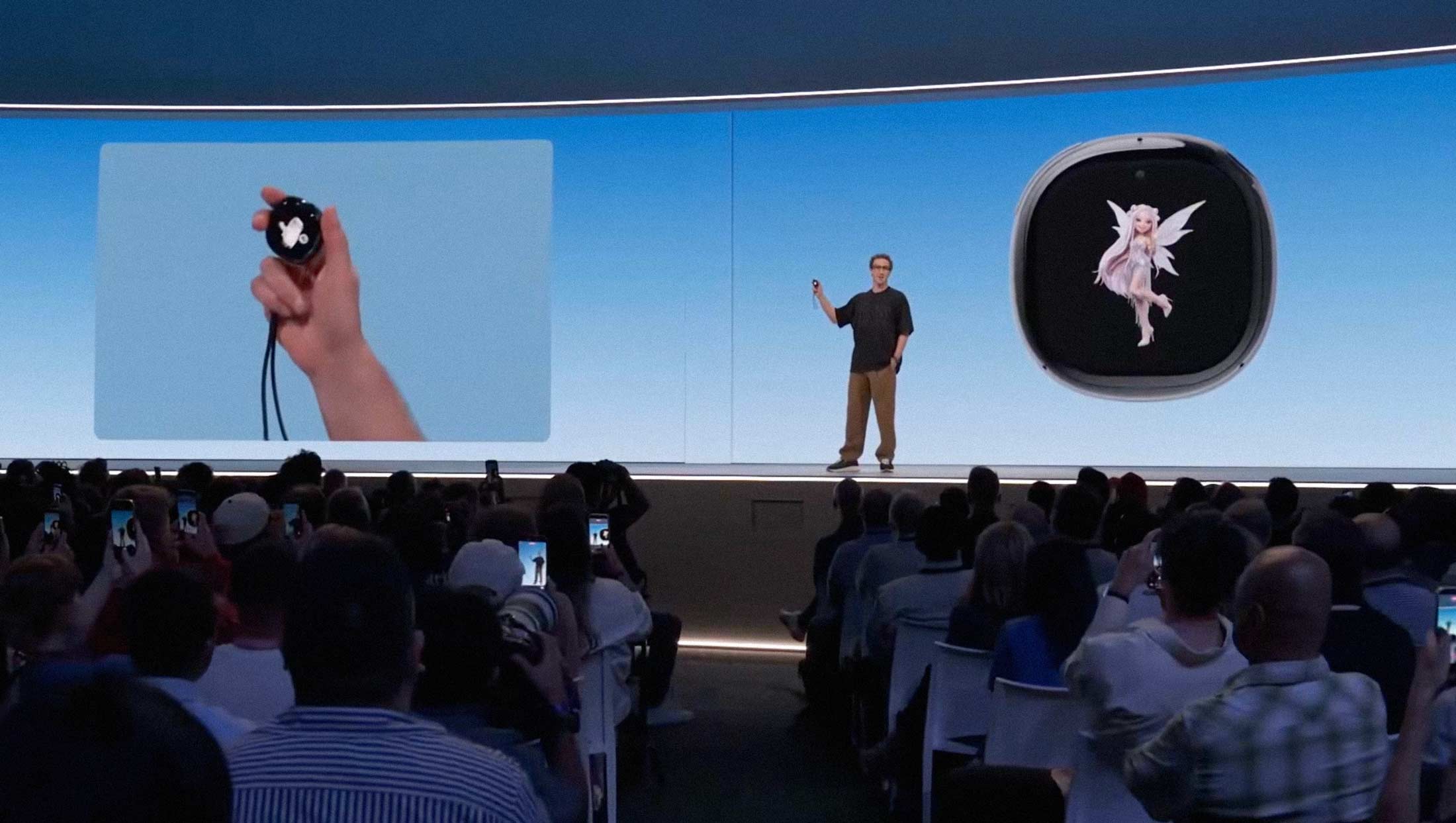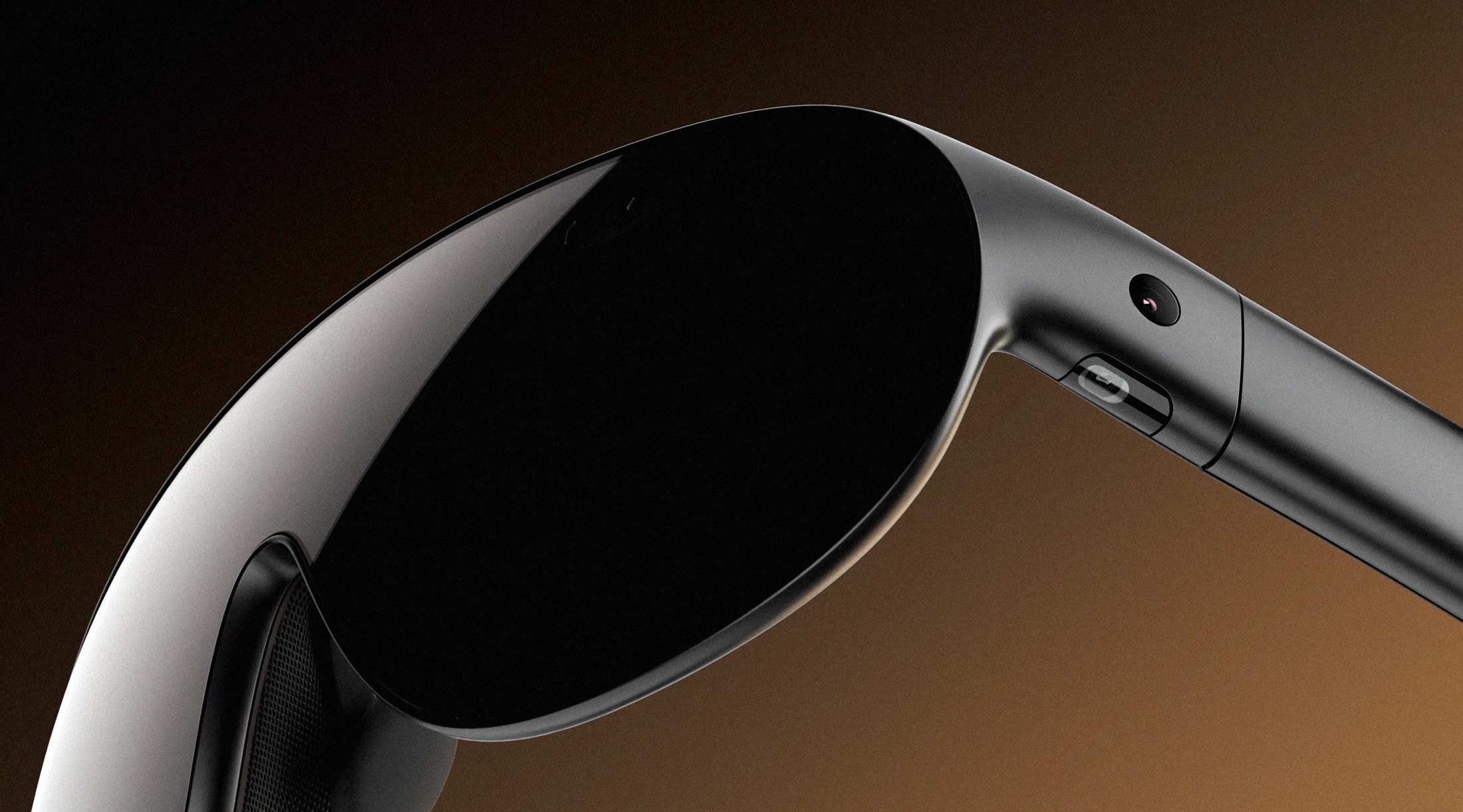
Midjourney announced its new Medical division on June 18, 2026, and the hardware itself is remarkable: a full-body ultrasonic scanner that uses sound waves and water to image your entire body in about 60 seconds, with no radiation and no magnets. But the scanner is not the interesting part. The interesting part is where they plan to put it.
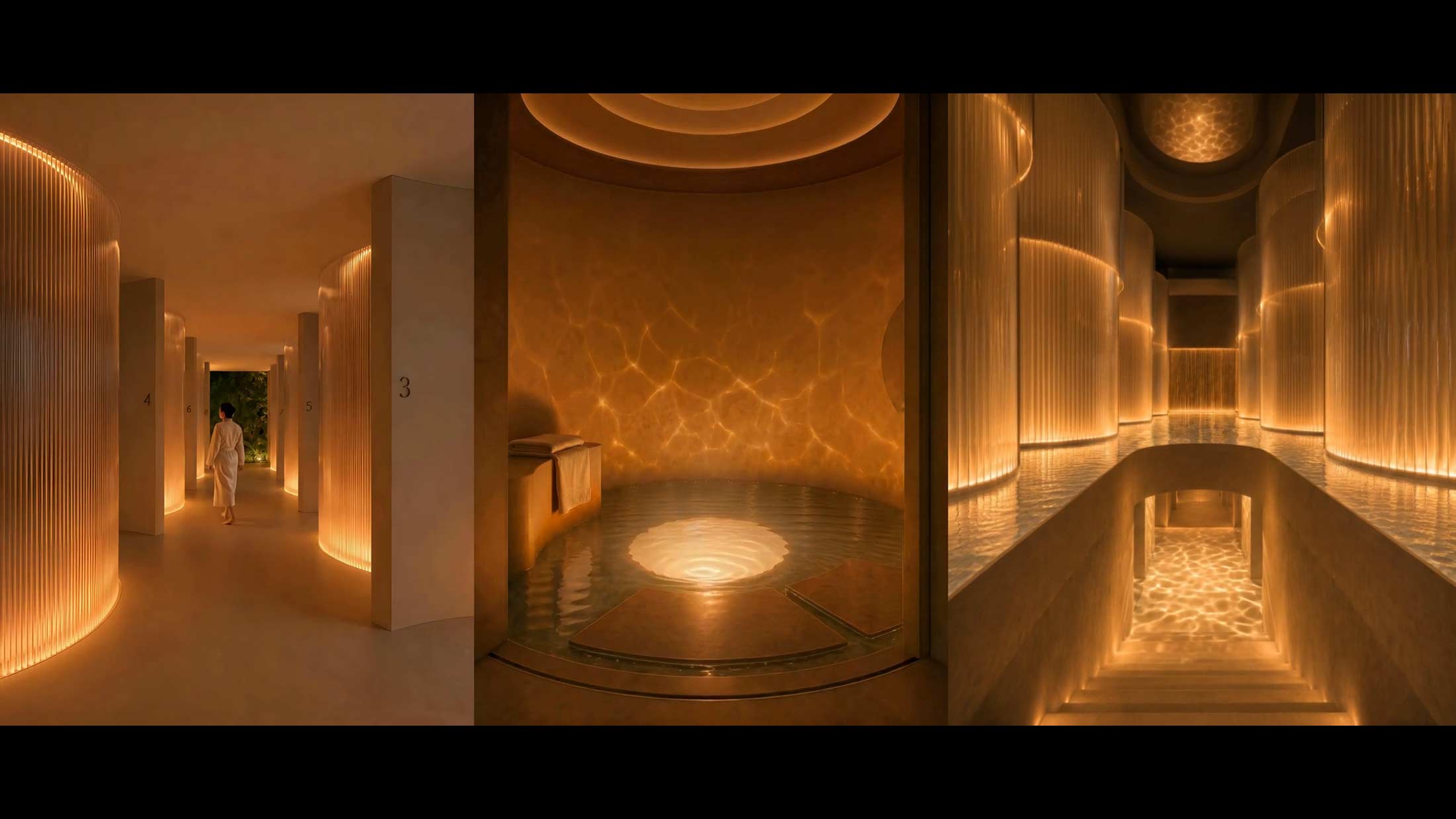
The company's first deployment will be a wellness facility in San Francisco called the Midjourney Spa, opening at the end of 2027. It will feature hot tubs, saunas, cold plunges, and 10 of these scanning devices housed in rooms with pools of golden light. As the company put it in its announcement: "a place you'd want to be even if there was no scanner."
That framing is the entire strategic insight. Midjourney is not building a medical device company. It is building a relaxation business that happens to capture medical data.
The Data Acquisition Problem
Early detection works. This is well established in medical literature. The problem has never been whether catching disease earlier improves outcomes. The problem has been getting people scanned frequently enough to catch things early. Traditional imaging carries friction: scheduling appointments, sitting in waiting rooms designed to remind you that you are sick or might be, enduring scans that take 30 to 60 minutes, and paying substantial sums for the privilege.
Midjourney's bet is that you can invert the experience. Instead of making people feel like patients, you make them feel like they're at a spa. The scan becomes incidental. You go to relax. You come out with a library of body data you barely thought about acquiring.
The company claims it can process a scan in about 60 seconds. If that holds, it means the scanning is not the main event of your visit. It's a thing that happens on your way to the sauna.
The Hardware Foundation
The technology behind the scanner comes from a partnership with Butterfly Network, a company that has spent years developing semiconductor-based ultrasound technology. Midjourney signed a five-year exclusive licensing deal in November 2025, paying $15 million upfront plus $10 million in annual licensing fees, with additional milestone payments possible. The scanner uses 40 Butterfly Ultrasound-on-Chip imaging modules arranged in a ring through which users descend while submerged in water.
The scanner captures terabytes of data per session. Midjourney describes the data volume in striking terms: if you converted it to HD video, you would need to watch 500 hours of footage for every second of scan data. All of that gets processed by large-scale computation to reconstruct a three-dimensional image of your internal structures.
Regulatory Positioning
Midjourney is threading carefully here. The company is not launching with diagnostic claims. It will start by offering body composition maps, which describe what is there without making clinical assertions about disease. Body composition sits in a lower regulatory tier than diagnosis. The company says it will submit regular test results to the FDA to expand capabilities over time.
This approach mirrors the broader pattern of wellness companies operating in regulatory gray zones. Prenuvo and Ezra offer whole-body MRI scans under similar framings. The difference is Midjourney's stated ambition: 50,000 scanners and a billion scans per month by 2031.
Why the Spa Model Matters
Hospitals move slowly. Sales cycles take years. Insurance codes and FDA classifications create friction at every step. By building spas instead of clinics, Midjourney bypasses that entire infrastructure. People pay to generate the data while relaxing. The company gets scanning volume. Patients get health information without feeling like patients.
The company frames the long-term vision boldly, suggesting that enough early imaging could avoid 30% of all deaths and 50% of healthcare costs. That is a vision statement, not a clinical claim. But the underlying logic is sound: longitudinal data collected frequently enough, in a format people actually use, enables detection of changes before symptoms appear.
Skeptics have raised legitimate concerns about overdiagnosis, false positives, and whether routine screening of healthy populations actually helps. Those questions matter. They have persisted for decades across every screening modality. Midjourney is not solving them by building a faster scanner.
What the company may be solving is the adoption problem. If wearables like Oura have shown anything, it's that people will generate health data if the experience is pleasant and the friction is low. Midjourney is applying that insight to imaging: make the process enjoyable, and the data becomes a side effect.
The first San Francisco spa will test whether people actually show up. If they do, Midjourney will have something no hospital system has ever had: a path to longitudinal body imaging at consumer scale, captured while customers soak in hot tubs.