The electric aircraft industry has spent the better part of a decade pitching visions of flying taxis and autonomous cargo drones. The FAA's new eVTOL Integration Pilot Program, announced in March 2026, is the first federal mechanism designed to turn those pitches into operational reality.
The program selected eight multi-state projects spanning 26 states to test electric vertical takeoff and landing aircraft and other advanced air mobility concepts. The approach is notable for what it permits: supervised commercial-style operations in live U.S. airspace before aircraft receive full FAA type certification. Rather than waiting for regulations to be finalized through the traditional multi-year rulemaking process, the eIPP generates operational data that will inform the rules being written.
Operations could begin as early as summer 2026, according to the Department of Transportation. The projects cover urban air taxis, regional passenger flights, cargo logistics, emergency medical response, and autonomous operations.
The Wisk Bet on Autonomy
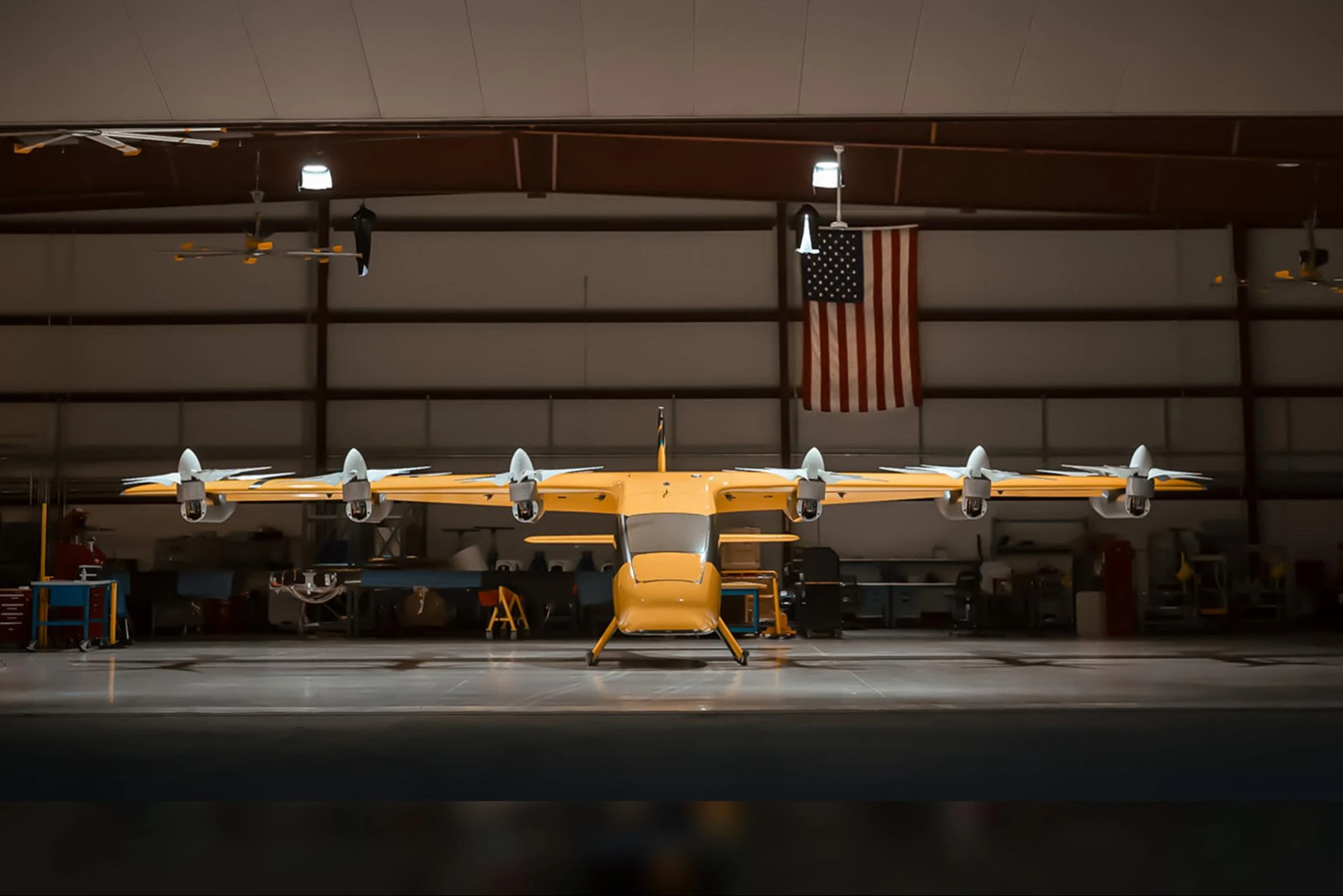
Wisk Aero, the Boeing-backed autonomous eVTOL developer, represents the most technically ambitious approach in the program. Its Generation 6 aircraft has no cockpit controls. No joystick, no yoke. A ground-based operator supervises up to three aircraft simultaneously using the company's Multi-Vehicle Supervisor system.
On May 4, 2026, Wisk flew its second Gen 6 prototype at its Hollister, California test facility, bringing its active certification test fleet to two aircraft. The inaugural sortie covered vertical takeoff, hover, and frequency-sweep inputs to map aircraft response across dynamic conditions. The Gen 6 is designed to carry four passengers at speeds up to 138 mph with a range of 90 miles.
Wisk was selected as the primary private-sector eVTOL partner for the Texas Department of Transportation's eIPP project, though the company has said it will deploy conventional piloted aircraft on initial routes while collecting autonomy system data. That phased approach reflects the harder regulatory argument Wisk faces: asking the FAA to certify an aircraft where the autonomy stack, not a human pilot, forms the core of the safety case.
Joby's Certification Lead
Joby Aviation holds the strongest regulatory position among U.S. eVTOL manufacturers. In late March 2026, the FAA confirmed Joby had completed Stage 4 of its five-stage type certification process. The stage involves validating that physical hardware matches the approved design, with propulsion system reliability and fly-by-wire redundancy among the key elements confirmed.
Joby's S4 aircraft uses six tilting rotors on a five-seat airframe, with a claimed cruise speed of 200 mph and range of approximately 150 miles. The company completed more than 850 flights in 2025 across its test fleet, accumulating over 50,000 miles. Joby is targeting late 2026 for commercial launch in partnership with Delta Air Lines, with initial service planned for New York City and Los Angeles airport connections.
Joby was selected for five of the eight eIPP projects, covering New York/New Jersey, Texas, Florida, North Carolina, and Utah. That geographic footprint signals how seriously the FAA is treating near-term urban air mobility operations.
Archer and Beta Round Out the Field
Archer Aviation announced its Midnight aircraft has closed Phase 3 of the FAA's four-phase type certification process, moving toward formal compliance testing. The company claims to be the first eVTOL developer to complete Phase 3. Midnight carries four passengers at speeds up to 150 mph with a range of approximately 60 miles using current battery technologies.
Archer's partners in Texas, Florida, and New York were selected for the eIPP, and the company is targeting initial operations as early as the second half of 2026. The UAE has also placed Midnight into a Restricted Type Certificate program, creating a parallel international pathway to limited commercial service with Abu Dhabi Aviation.
Beta Technologies was selected for seven of the eight eIPP projects, according to Aviation Week. The Vermont-based company has flown its ALIA aircraft family more than 135,000 nautical miles, including cross-country trips. In March 2026, Beta and Loganair conducted demonstration flights in Scotland, and Surf Air Mobility placed a firm order for 25 ALIA aircraft with options for 75 more. Beta's approach differs from pure air taxi plays: the company is deploying a network of over 100 charging infrastructure sites to support broader electric aviation adoption.
The Regulatory Reality
The eIPP's structure matters as much as its participant list. Aircraft involved generally weigh more than 1,320 pounds and will fly piloted, optionally piloted, or fully autonomous depending on the project. Participants sign Other Transaction Agreements directly with the FAA that define operational boundaries, with operations potentially beginning within 90 days of signing.
Cargo projects may prove more consequential than air taxis in the near term. Three of the eight projects will likely log revenue freight flights before any passenger eVTOL carries a paying customer in U.S. airspace. Reliable Robotics, Elroy Air, and Beta's medical logistics operations are not constrained by passenger certification timelines. Piloted urban air taxi service remains two to three years away at minimum, according to industry analysts.
The eIPP flows from an executive order titled "Unleashing American Drone Dominance," signed in June 2025. FAA Deputy Administrator Chris Rocheleau described the program as generating "operational experience that will inform the standards needed to enable safe Advanced Air Mobility operations." That framing is important. This is a data-gathering exercise designed to write regulations, not a signal that the regulations are already resolved. The eight projects together form one of the largest real-world testing environments for next-generation aircraft globally. Whether the aircraft themselves perform as advertised will determine whether the regulatory clarity follows.