The UK government confirmed today that de-identified health and genetic data belonging to all 500,000 UK Biobank volunteers was found listed for sale on Alibaba's e-commerce platforms in China. Technology Minister Ian Murray addressed the House of Commons with the news, calling it an "unacceptable abuse" of the charity's data and participant trust.
The UK government was informed about the data breach on Monday, April 20, 2026. Murray told MPs that three separate listings appeared to sell Biobank participation data, with at least one dataset containing records from all 500,000 volunteers.
What Was Exposed
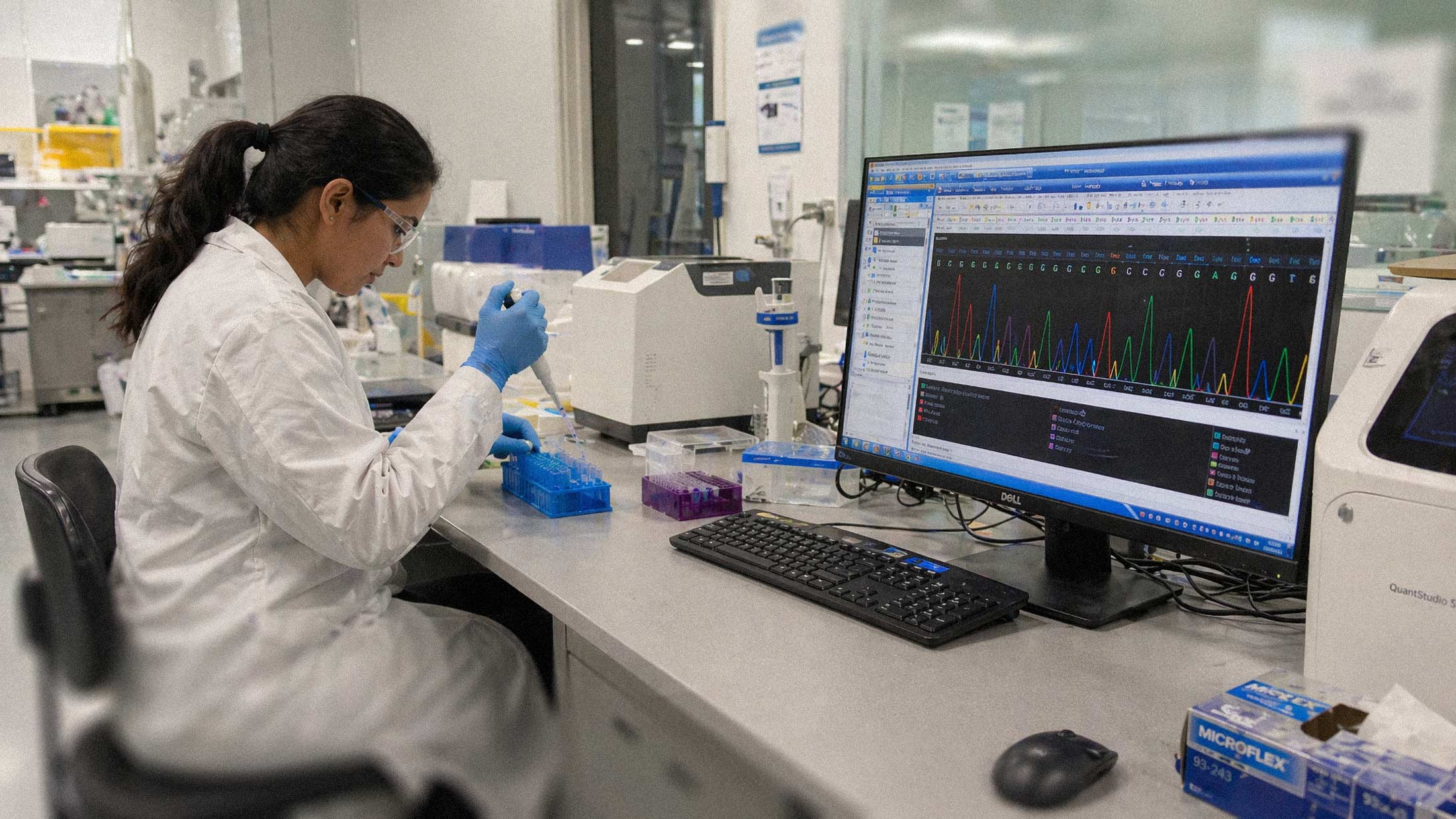
UK Biobank removes personal identifying information such as names, addresses, dates of birth, and NHS numbers before sharing data with researchers. However, Murray confirmed the exposed data could include gender, age, month and year of birth, socioeconomic status, lifestyle habits, and measures from biological samples.
UK Biobank stores a vast database containing genetic, biological, and health data from half a million Britons. The biomedical resource, established in 2006, is considered the world's most comprehensive dataset of its kind, having been cited in more than 18,000 peer-reviewed scientific papers on conditions ranging from cancer to dementia.
The organization confirmed the data was anonymized but could not guarantee it would be impossible to identify individuals if it fell into the wrong hands.
Not a Hack, But a Breach of Trust
The data did not leak through a cyberattack in the traditional sense. Murray clarified that this was not a leak. It was a legitimate download by a legitimately accredited organization. That is the problem.
The data had been made available to researchers at three academic institutions. With support from both the UK and Chinese governments, Alibaba removed the listings before any sales were made. The institutions and individuals involved have had their access suspended.
The government has asked UK Biobank to pause all data access until technical solutions are in place to prevent bulk downloads in the future. That pause is now active.
The Broader Problem With Centralized Health Data
This incident arrives at a particularly sensitive moment. Just last month, UK Biobank was already grappling with data leaks. Between July and December 2025, it issued 80 legal notices to GitHub for accidental researcher uploads. Much of that data remains accessible.
The pattern is becoming familiar. The 23andMe data breach began in April 2023 through a credential stuffing attack, affecting approximately 7 million customers, 6.4 million of whom were in the United States. The company filed for Chapter 11 bankruptcy in March 2025 and was purchased for $305 million by a nonprofit in July 2025.
A genetic data breach can expose information that is biologically unique and difficult, often impossible, to change. The consequences can ripple to family members who share segments of your DNA.
This is the fundamental issue with centralized genetic databases. Human genetic data contains a wealth of sensitive information. It can be used to identify an individual and predict their physical characteristics. The identifiability of genetic information is a critical challenge leading to growing consumer privacy concerns.
The Decentralized Alternative
As trust in centralized databases erodes, alternative approaches are emerging. The rise of DIY genomics, explored in our recent coverage of Vibe Genomics, points toward a future where individuals might retain control of their own genetic data rather than entrusting it to third-party custodians.
The Federal Trade Commission can take enforcement action against companies that fail to protect individuals' information. But importantly, if an individual chooses to download their genetic information from one service or upload it to another, the company that originally collected the data is no longer responsible for any breach that may occur.
The UK Biobank breach demonstrates that even well-intentioned research institutions with rigorous vetting processes cannot fully control how approved parties handle sensitive data once it leaves the platform. Privacy experts argue that the biobank's approach is at odds with the reality that many people reasonably share some health information online, and in the age of AI, this can be easily identified and cross-referenced.
The government has spoken to Alibaba and believes no purchases were made before the listings were removed. UK Biobank remains the world's most comprehensive dataset of biological, health, and lifestyle information. Whether it can maintain that status while rebuilding participant trust is now an open question.
UK Biobank has referred itself to the Information Commissioner's Office.