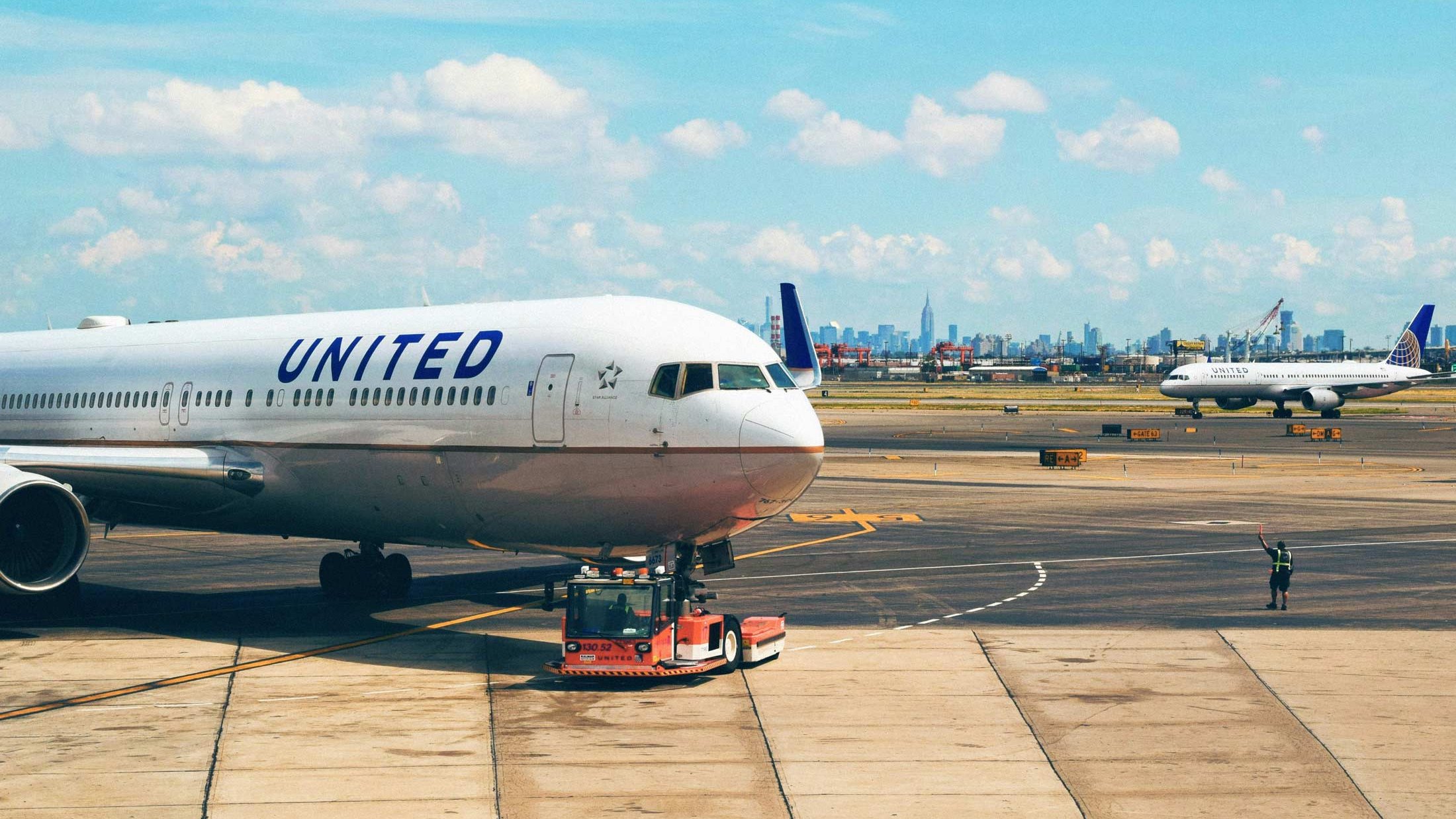
Around 4 p.m. Eastern on Monday, the crew of United flight 2787 in Denver told air traffic control it couldn't get its final takeoff weights. Within minutes, similar reports came in from gates across the country.
"We are having an extreme system-wide outage… which is preventing us from closing out flights, which is affecting pretty much all of our mainline departures at this point," an O'Hare ramp controller said in ATC audio captured by the ATC app.
United Airlines, the world's largest carrier by mainline fleet with roughly 1,150 aircraft, confirmed the outage in a statement to NBC Chicago. "We are troubleshooting a technology issue affecting departing flights," the company said. "There is no impact on flights in progress, or on United Express flights."
A spokesperson told CBS News there was no indication the problem was connected to a cybersecurity incident.
The Union Memo
An internal communication from the Air Line Pilots Association, seen by Reuters, offered more specificity than United's public statements. The memo said a company-wide web-based outage had affected multiple pilot applications, including crew communications. "The Company cannot provide outbound flights with final weights," it read, advising pilots to follow airport station guidance on whether to leave their gates.
Weight and balance calculations determine an aircraft's center of gravity and confirm it falls within certified limits. Without that data, crews cannot legally depart. Passengers reported planes holding at gates and on the tarmac; at Newark, a ramp controller said the outage was also disrupting how ground crews received gate changes.
No restoration timeline had been announced as of early evening. Social media posts from passengers and a recording of a Houston pilot requesting permission to hold at the gate both indicated crews were told the problem was distinct from Friday's FAA-caused disruption.
The Second Failure in Four Days
Friday's incident was federal, not corporate. Around midday on November 13, the FAA ordered a nationwide ground stop after a newly installed router at a radio facility in El Dorado, Arkansas, began flooding the agency's legacy network with connection attempts. According to the FAA, the data arrived at a rate of 1,000 connection attempts every four to five seconds, overwhelming systems that feed radar and other data to controllers. The agency said the surge created "instability" at 17 of its 22 Air Route Traffic Control Centers.
Transportation Secretary Sean Duffy blamed the router and said the offending hardware, supplied by L3Harris Technologies, was under analysis at a company lab in Florida. L3Harris confirmed it was supporting the investigation but offered no technical details. The ground stop lasted more than four hours and canceled over 9,000 flights.
Duffy used the episode to press Congress for $50 billion in infrastructure funding, warning that more stops would follow if the agency's aging network isn't replaced. The FAA is in the process of migrating from copper lines to fiber optics; the Arkansas router was part of that project.
Monday's United outage, by contrast, appears limited to the carrier's own dispatch systems. Other airlines were not reporting similar issues. Whether the two failures share any technical cause remains unclear. United has not said what triggered the problem or provided an estimated time to resolution.