Apple finally entered the foldable smartphone market today with the iPhone Duo, a book-style device that unfolds into a 7.8-inch display and starts at $2,000. The announcement came during the company's "Surprise and Shine" event in Cupertino, the first major product launch under new CEO John Ternus, who took over from Tim Cook on September 1.
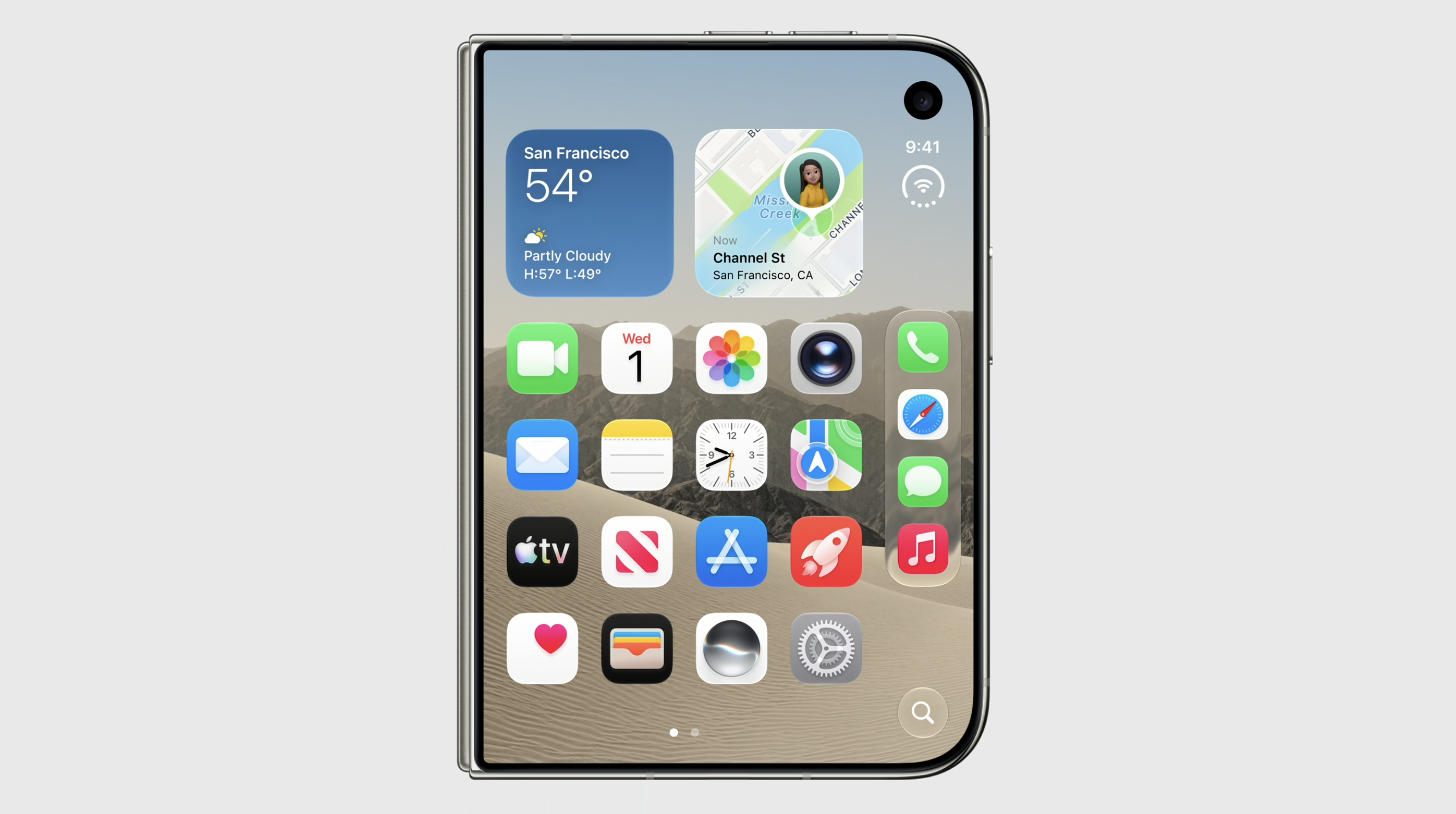
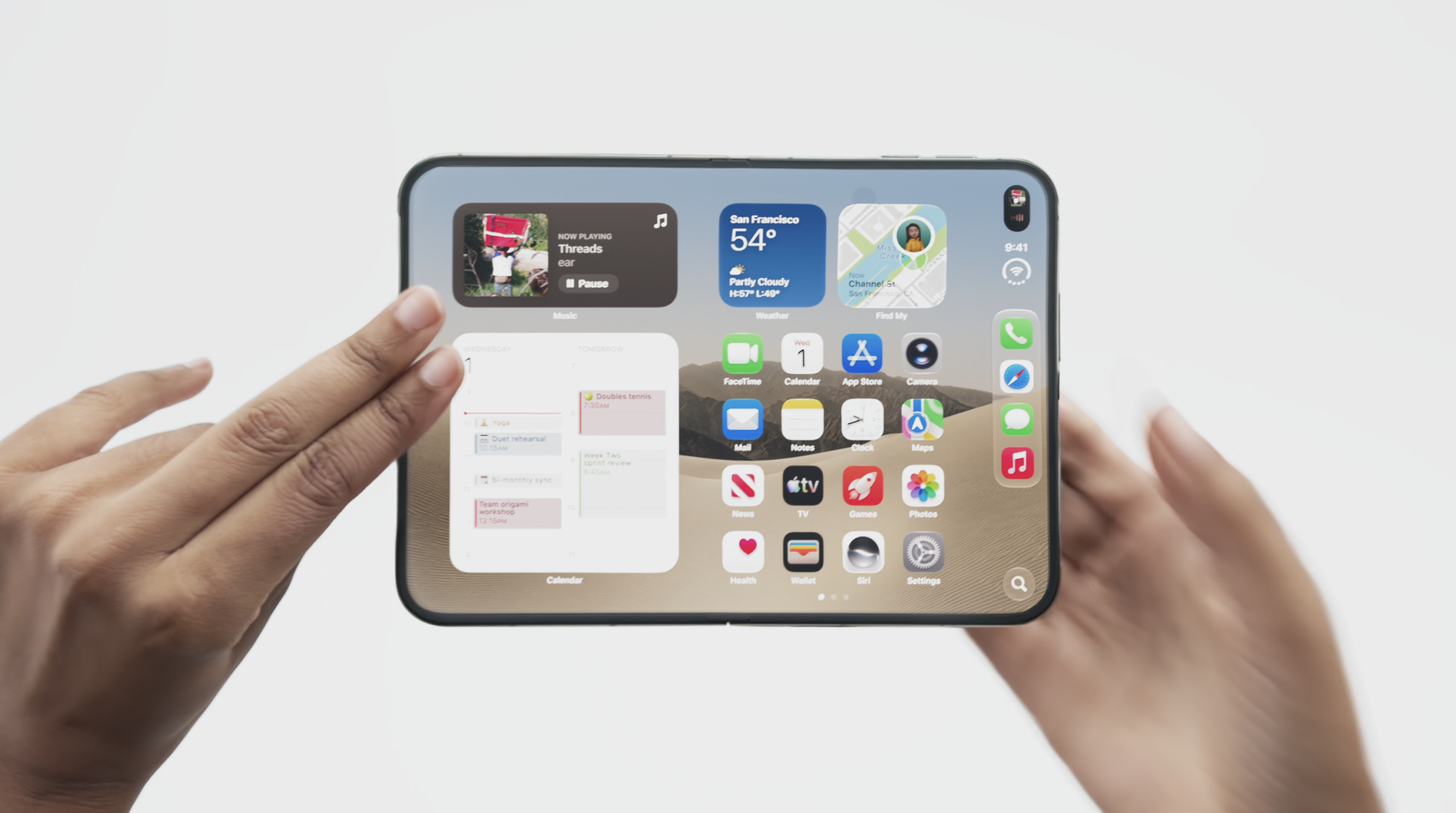
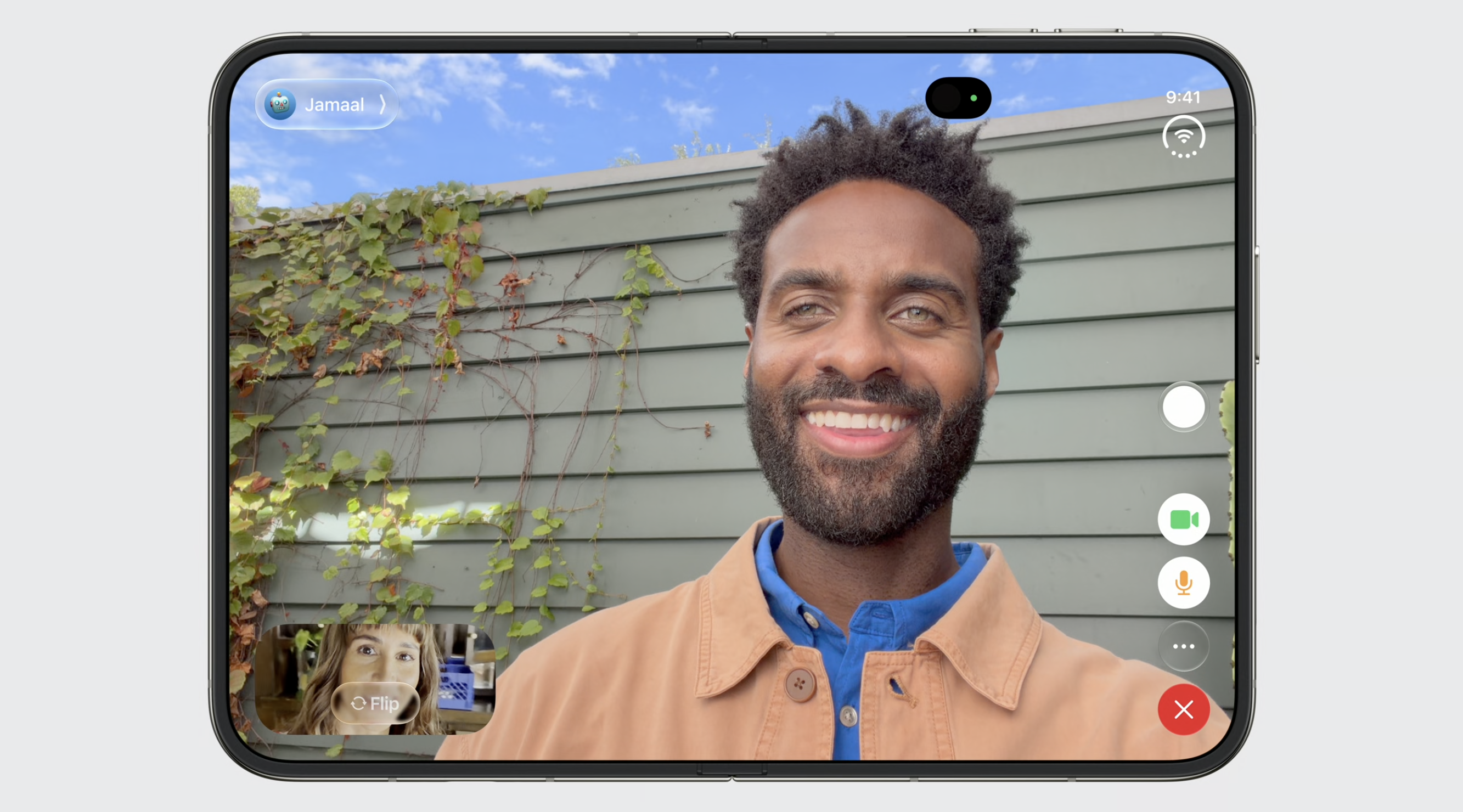
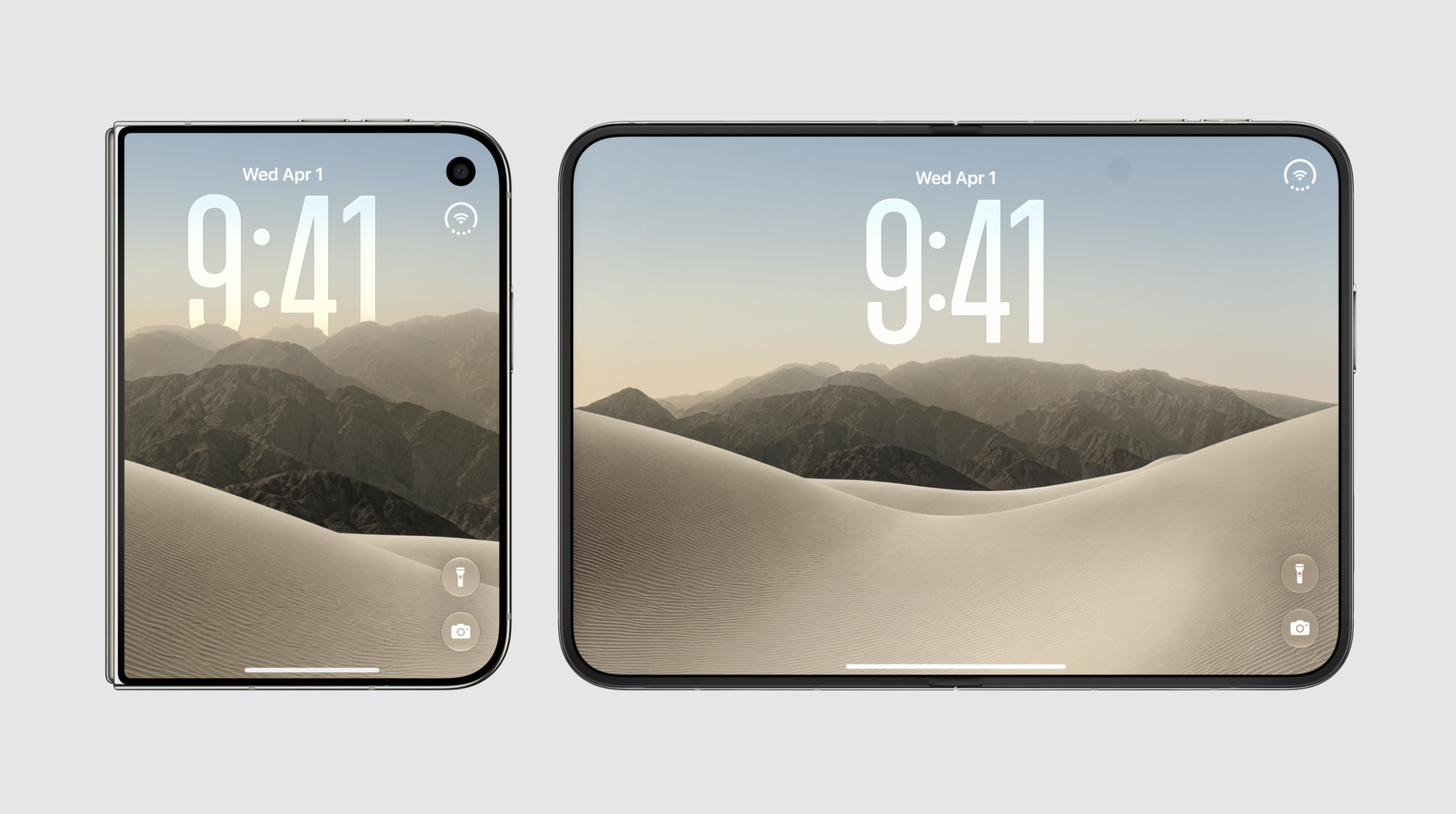
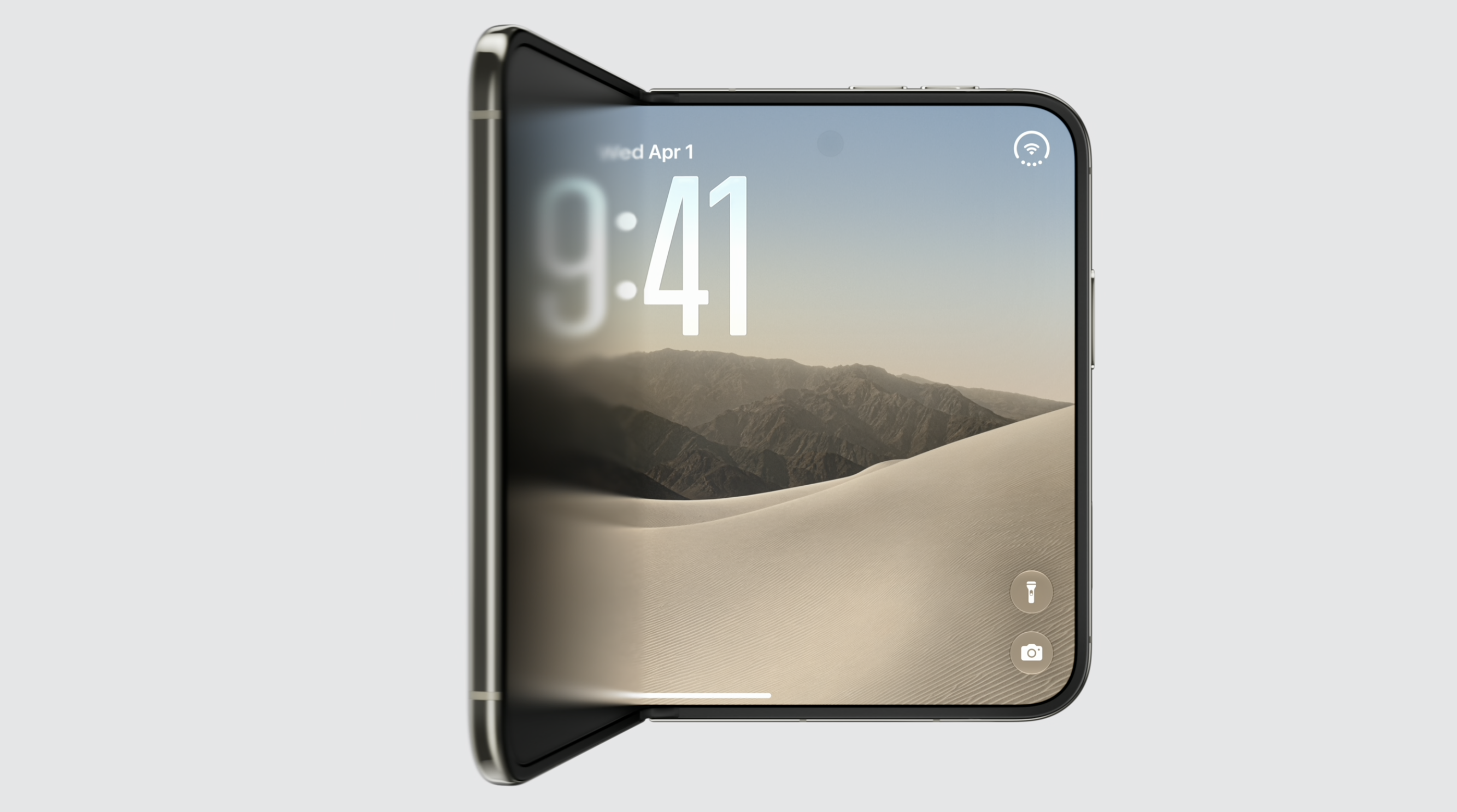
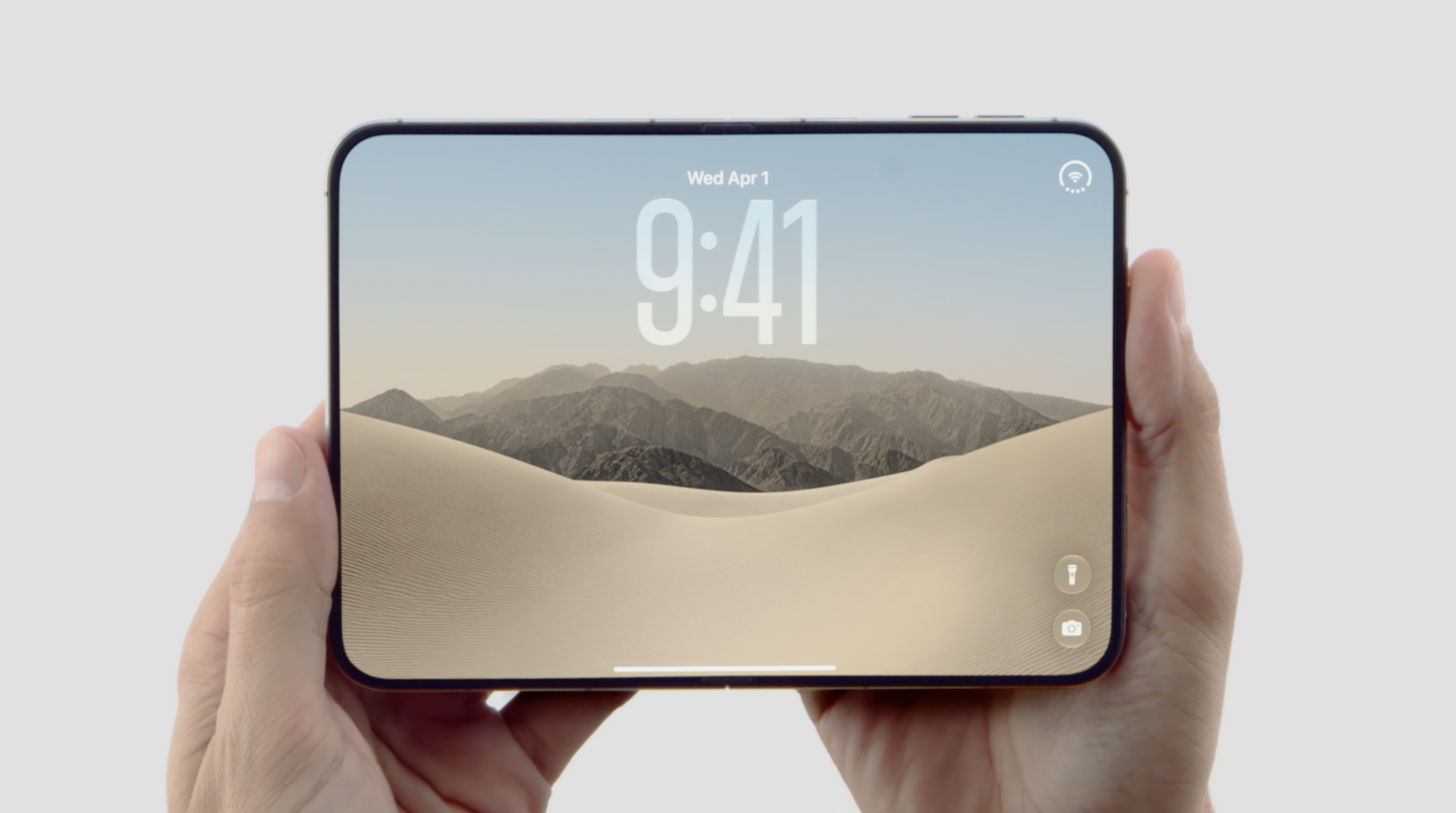
The iPhone Duo is not a refinement. It is a deliberate attempt to merge the iPhone and iPad into a single object. Folded, the device resembles a passport, shorter and wider than a conventional smartphone. Unfolded, the internal screen approaches the size of an iPad mini, with a 4:3 aspect ratio designed for multitasking and media consumption rather than the taller, narrower displays found on competing foldables from Samsung and Huawei.
Hardware Built Around Thinness
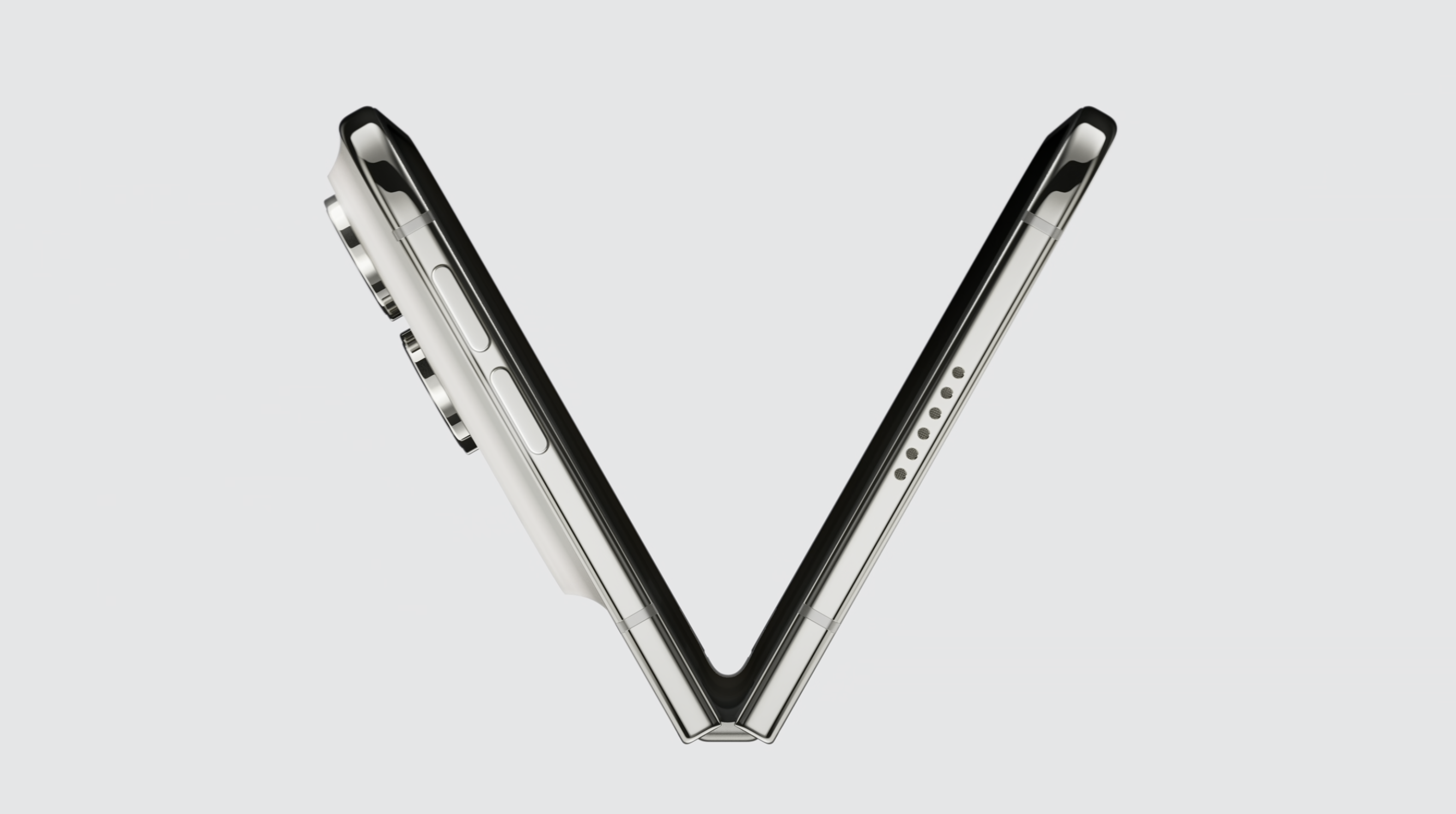
At approximately 4.5mm when fully open, the iPhone Duo would become Apple's thinnest device, beating even the 5.1mm iPad Pro. Folded, the device measures around 9 to 9.5mm thick. That extreme slimness comes with tradeoffs: Apple has opted for Touch ID embedded in the power button rather than Face ID, a decision that saves internal space while allowing authentication whether the phone is open or closed.
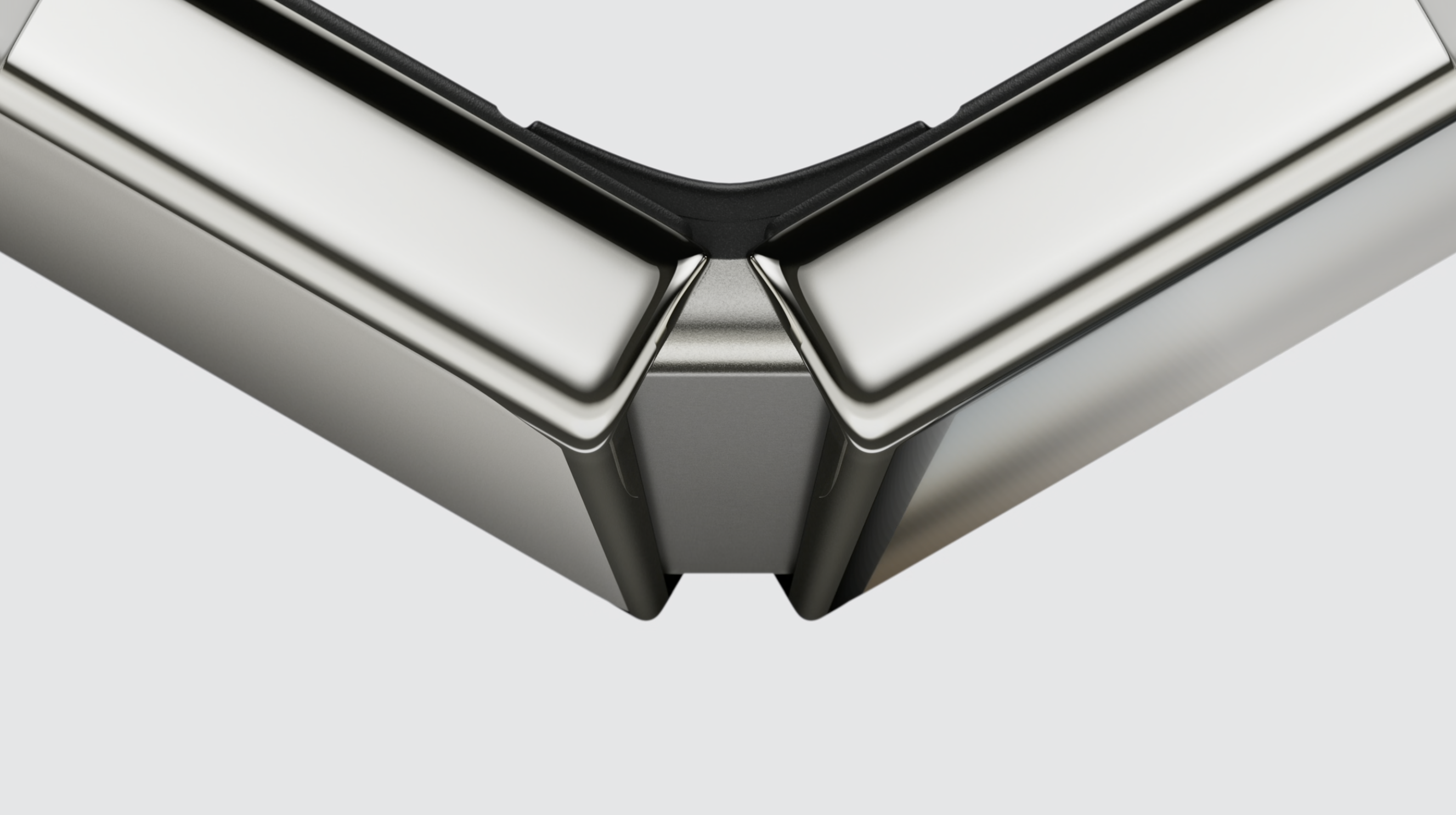
The hinge is constructed from liquid metal alloy combined with titanium and stainless steel. Apple has reportedly focused heavily on minimizing the display crease, a persistent weakness on Android foldables. Supply chain reports claim the crease depth sits below 0.15mm with an angle under 2.5 degrees. Whether that holds up after thousands of open-close cycles remains to be seen.
Powering the device is Apple's new A20 Pro chip, manufactured on TSMC's 2nm process, the same silicon found in the iPhone 18 Pro. The chip features two performance "super cores" alongside four efficiency cores with integrated neural accelerators, delivering roughly 20 percent faster CPU speeds and 40 percent faster GPU performance compared to last year's A19 Pro. A 32-core Neural Engine doubles the AI processing capacity. Apple is also using its own C2 cellular modem, replacing Qualcomm components and adding mmWave 5G support.
iPad Thinking on iPhone Hardware
The software story may matter more than the hardware. Apple has adapted iOS to support iPad-style multitasking on the larger internal display, including side-by-side apps and a menu bar. The company has also confirmed Apple Pencil support, a first for any iPhone. These features suggest Apple views the Duo less as a phone that unfolds and more as a small tablet that folds.
The iPhone 18 Pro lineup, announced alongside the Duo, received the same A20 Pro chip but follows a more familiar design evolution. The Duo is the riskier bet, aimed at buyers willing to pay laptop prices for a converged device.
Pricing and Availability
The iPhone Duo starts at $2,000 for 256GB of storage, according to Bloomberg's Mark Gurman, with configurations reaching 2TB and prices approaching $3,000 at the high end. The device will ship in white and dark blue, with availability expected in October rather than alongside the iPhone 18 Pro in mid-September. Apple reportedly adjusted its profit margins to hit the $2,000 starting price, absorbing some of the memory cost increases that have hit the industry.
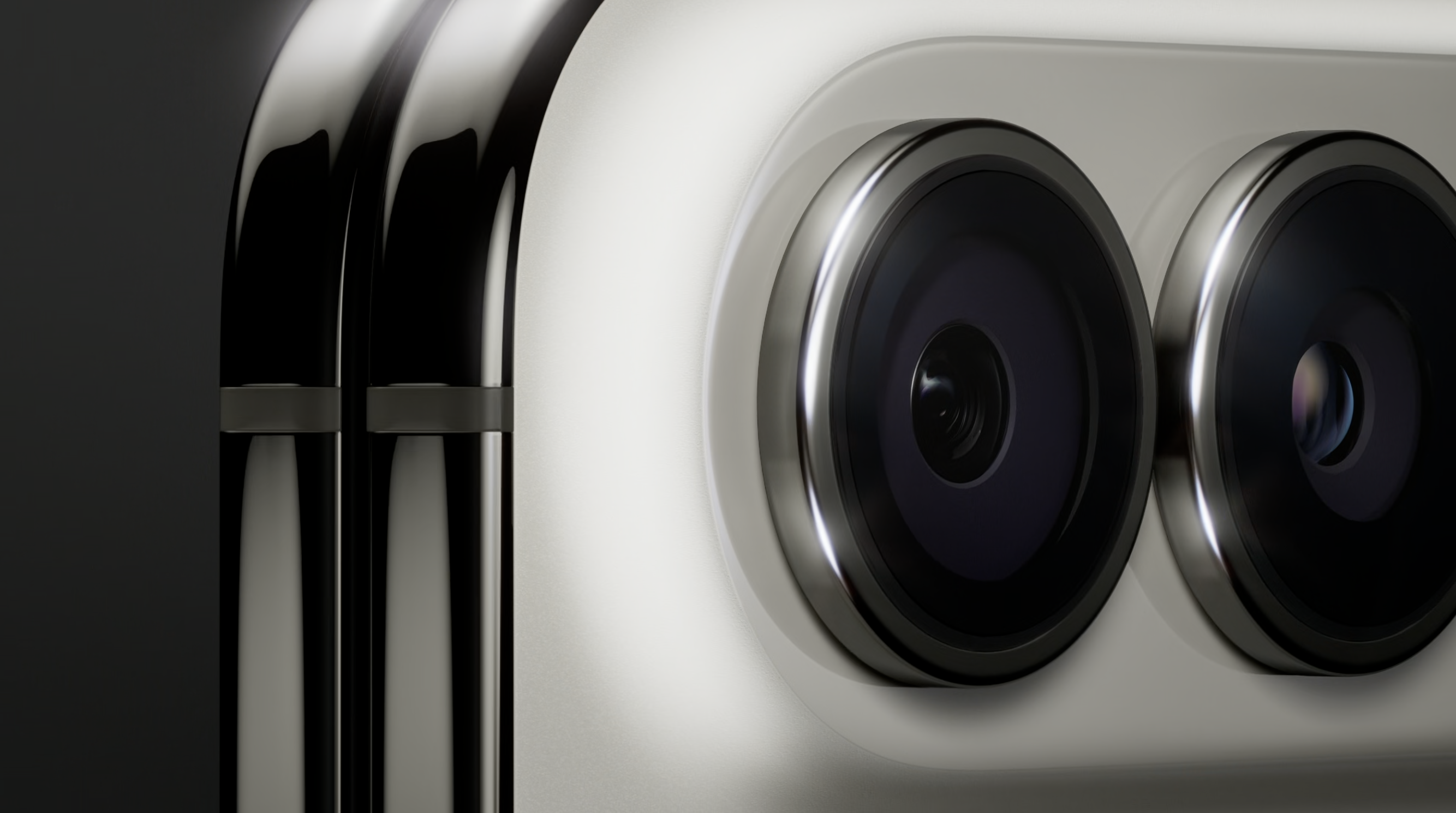
The rear camera array includes dual 48-megapixel sensors, while the front-facing camera comes in at 12 megapixels. MagSafe charging support is included. Storage options span 256GB to 2TB.
The Stakes
Foldable smartphones remain a niche category, but they are the only segment projected to grow in 2026, according to IDC. Apple's entry is expected to boost foldable sales by 13 percent this year, reaching 22.9 million units globally. Whether the iPhone Duo can convert skeptics depends on execution: how well the crease holds up, how intuitive the multitasking feels, and whether $2,000 represents a value proposition or an early-adopter tax.
For Ternus, the stakes are both personal and strategic. The iPhone Duo is not a Tim Cook product. It is the opening statement of a new administration, a signal that Apple under Ternus is willing to chase categories it previously ceded to competitors. Samsung has been iterating on foldables for half a decade. Apple is betting that showing up late with a more polished product will matter more than showing up first.
Whether that bet pays off will depend on what buyers encounter when they actually hold the thing. The hardware specifications look competitive. The software promises sound ambitious. But foldable displays remain fragile in ways that conventional glass is not, and the $2,000 starting price leaves little room for disappointment.