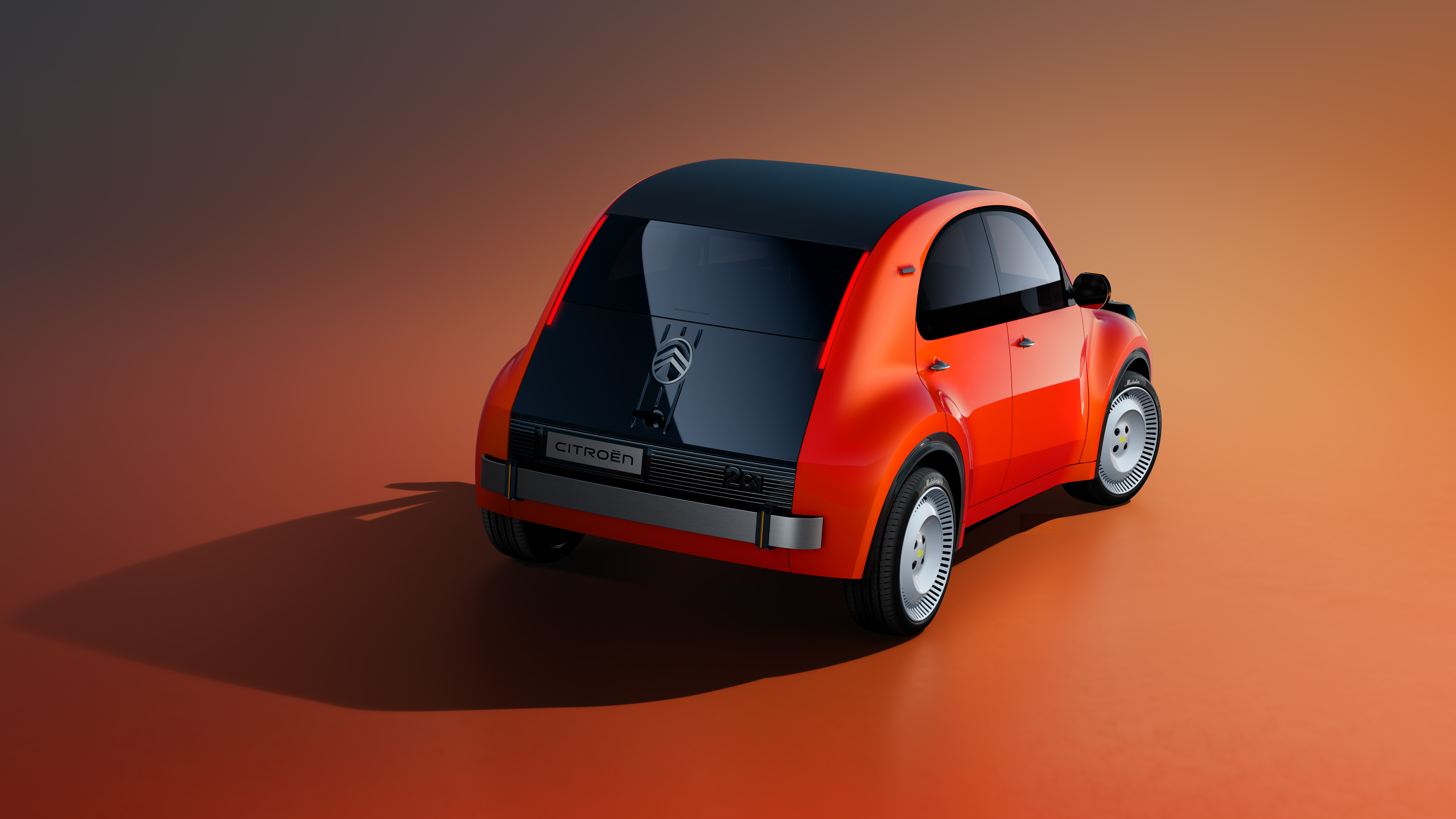
The Citroën 2CV is coming back. At the 2026 Paris Motor Show on October 11, the French automaker unveiled the 2 CV Concept, an all-electric reinterpretation of its postwar icon, and confirmed that a production version will arrive in 2028. That's 80 years after the original rolled out of the factory.
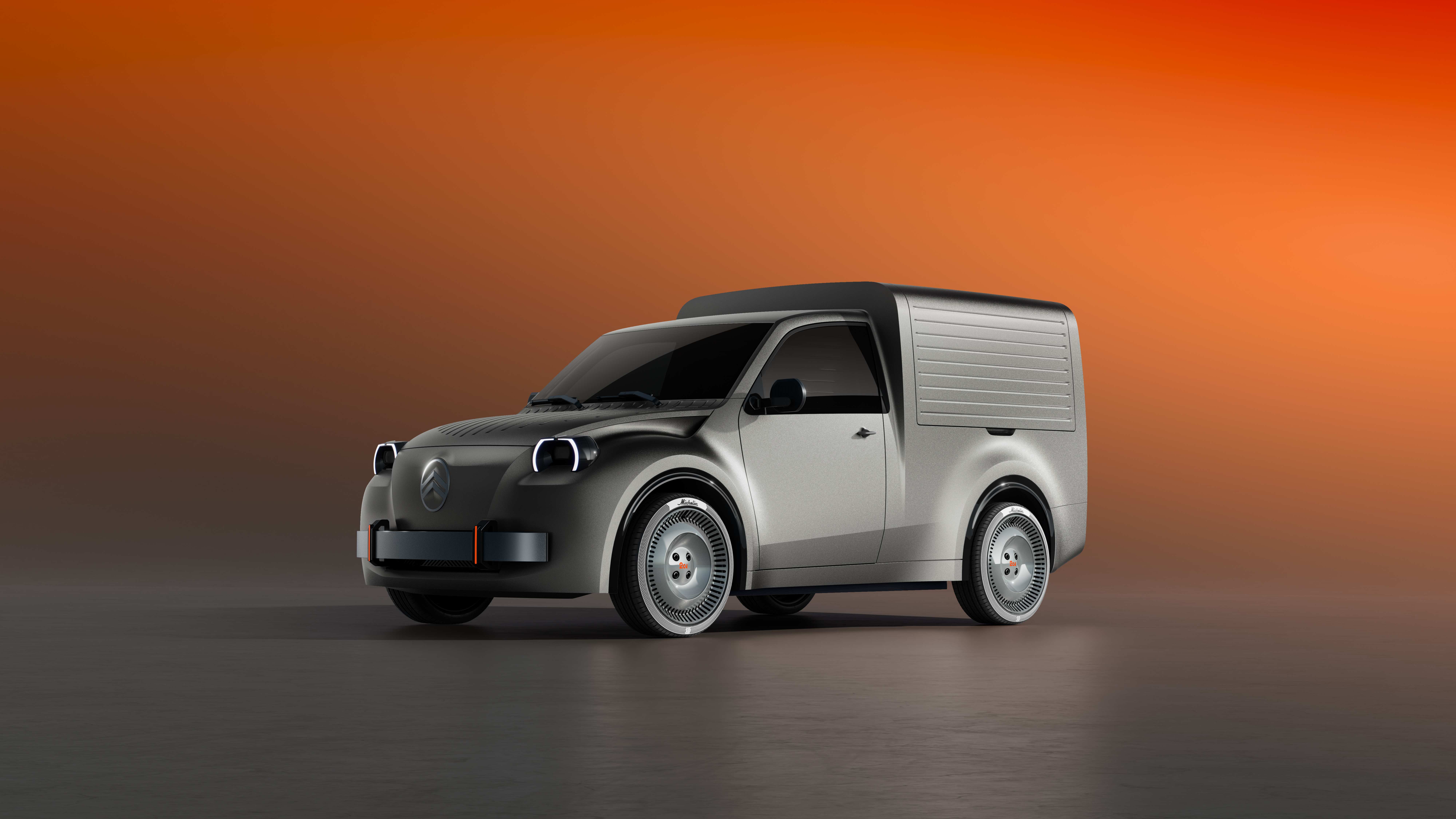
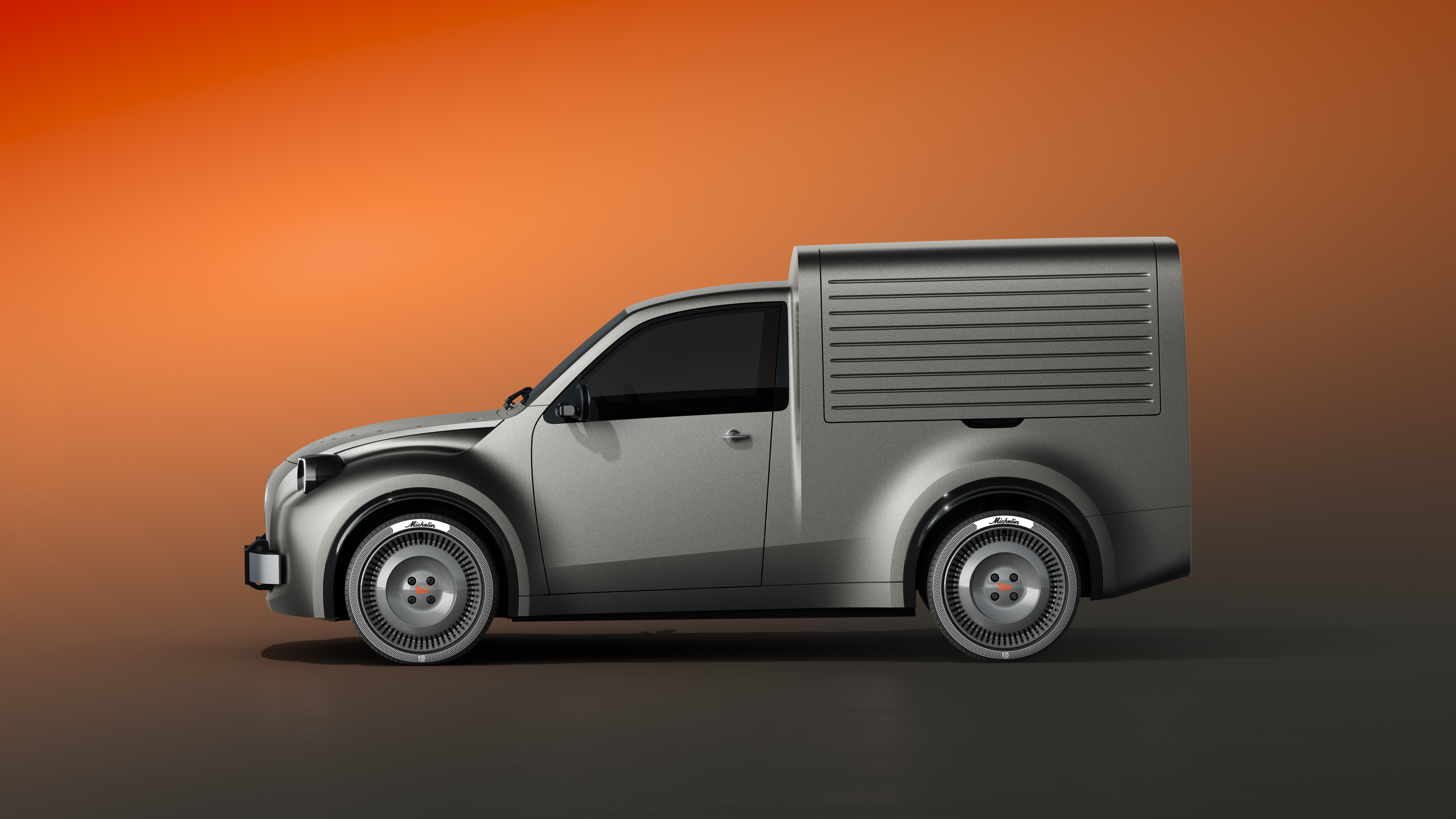
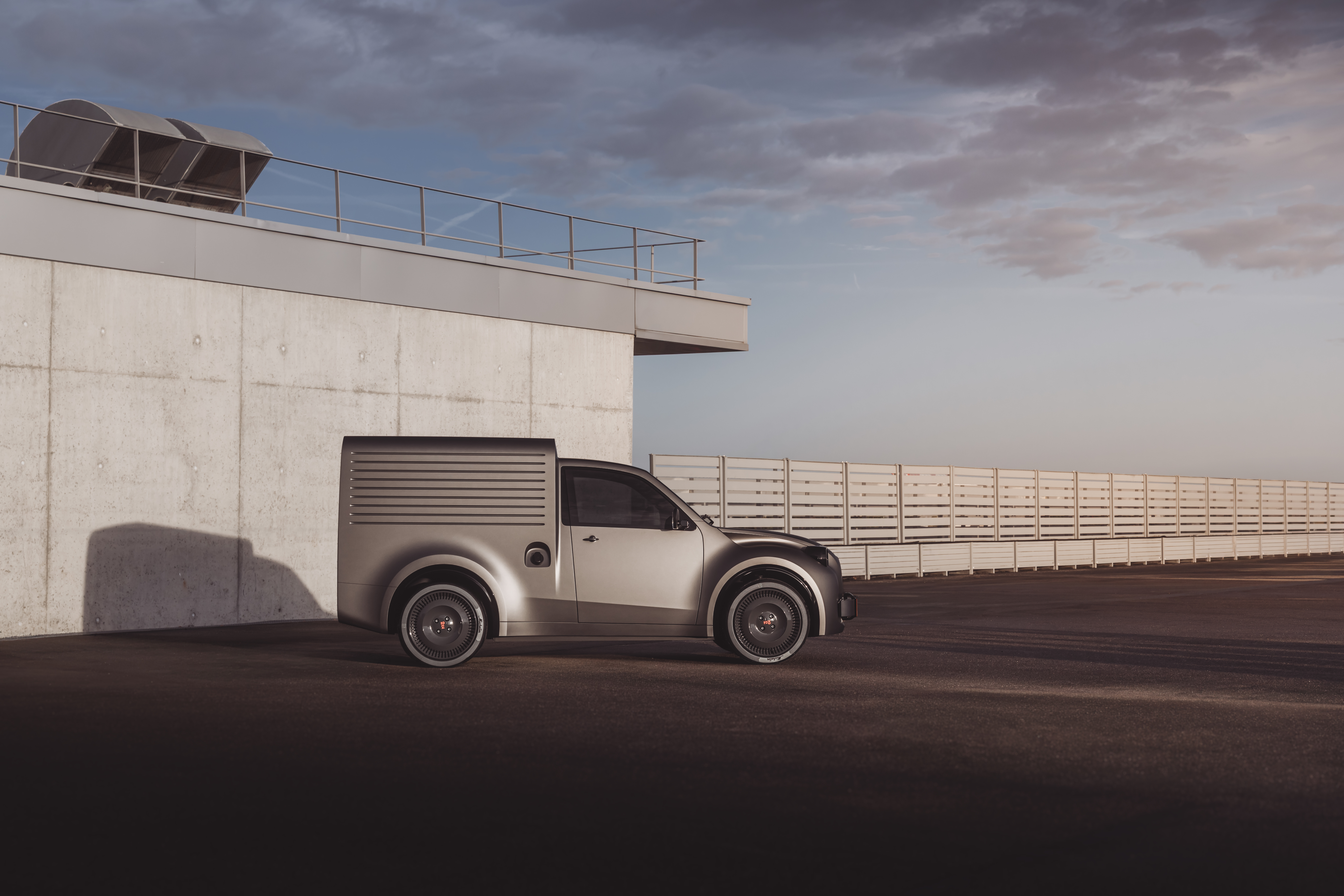
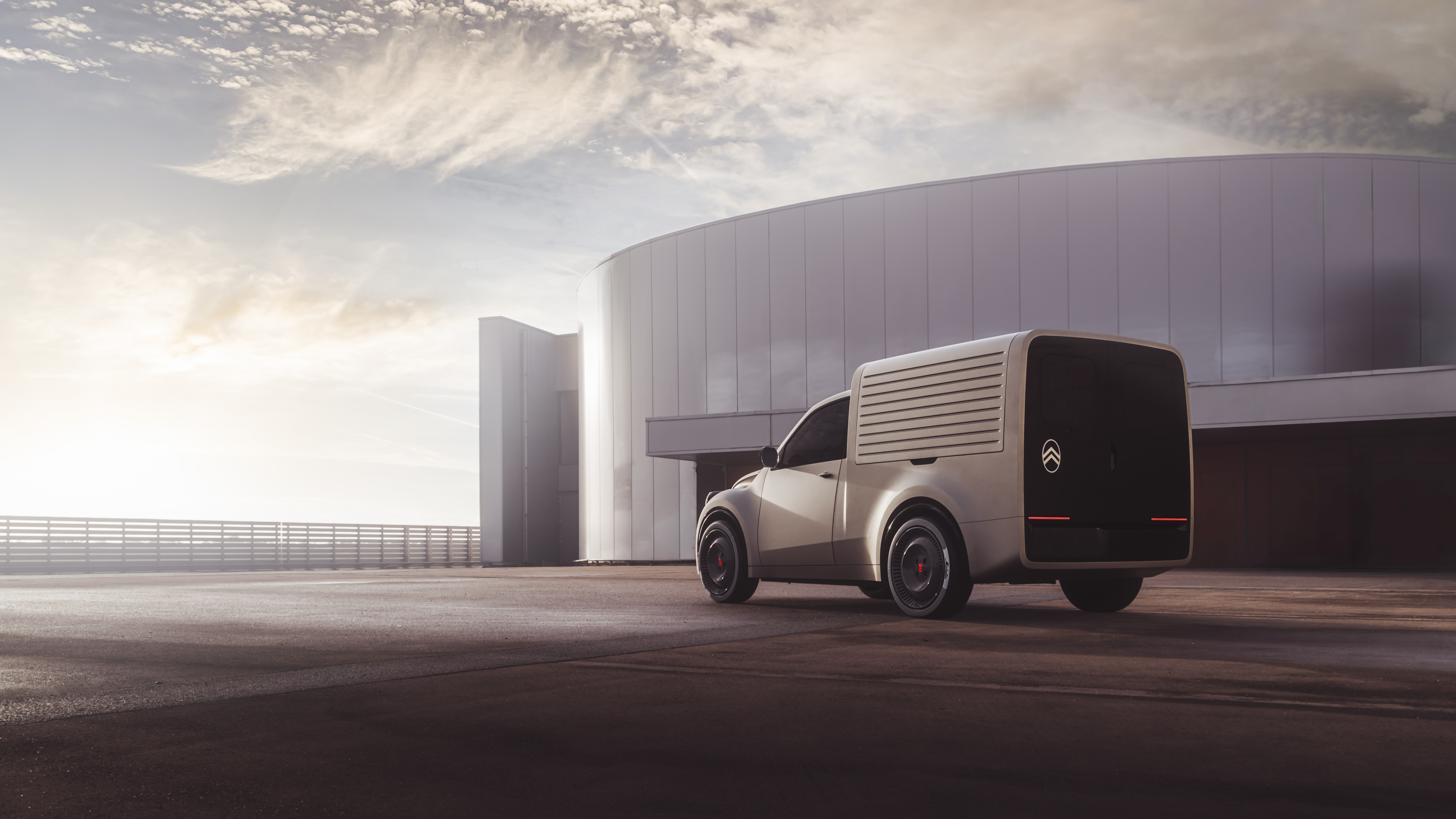
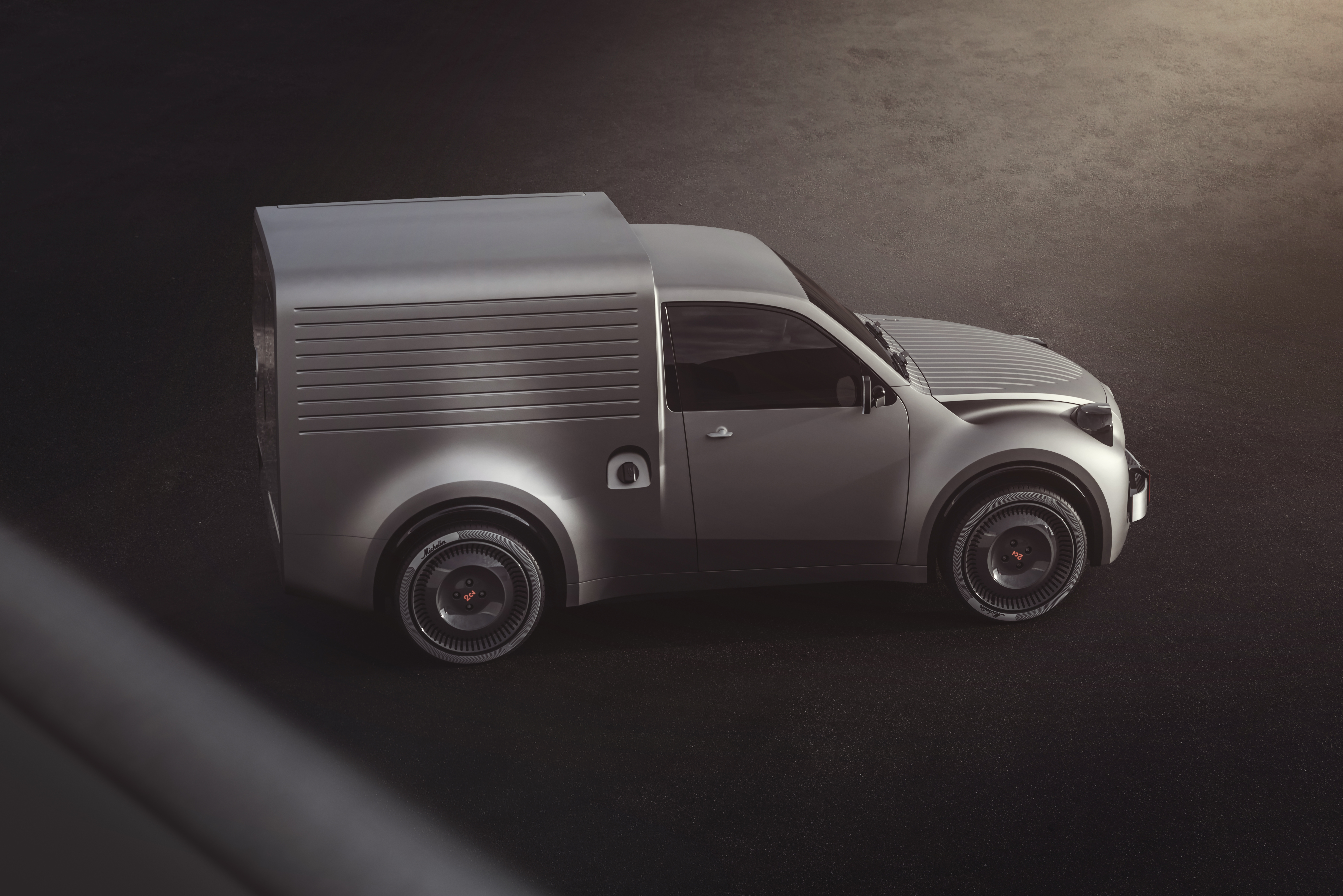
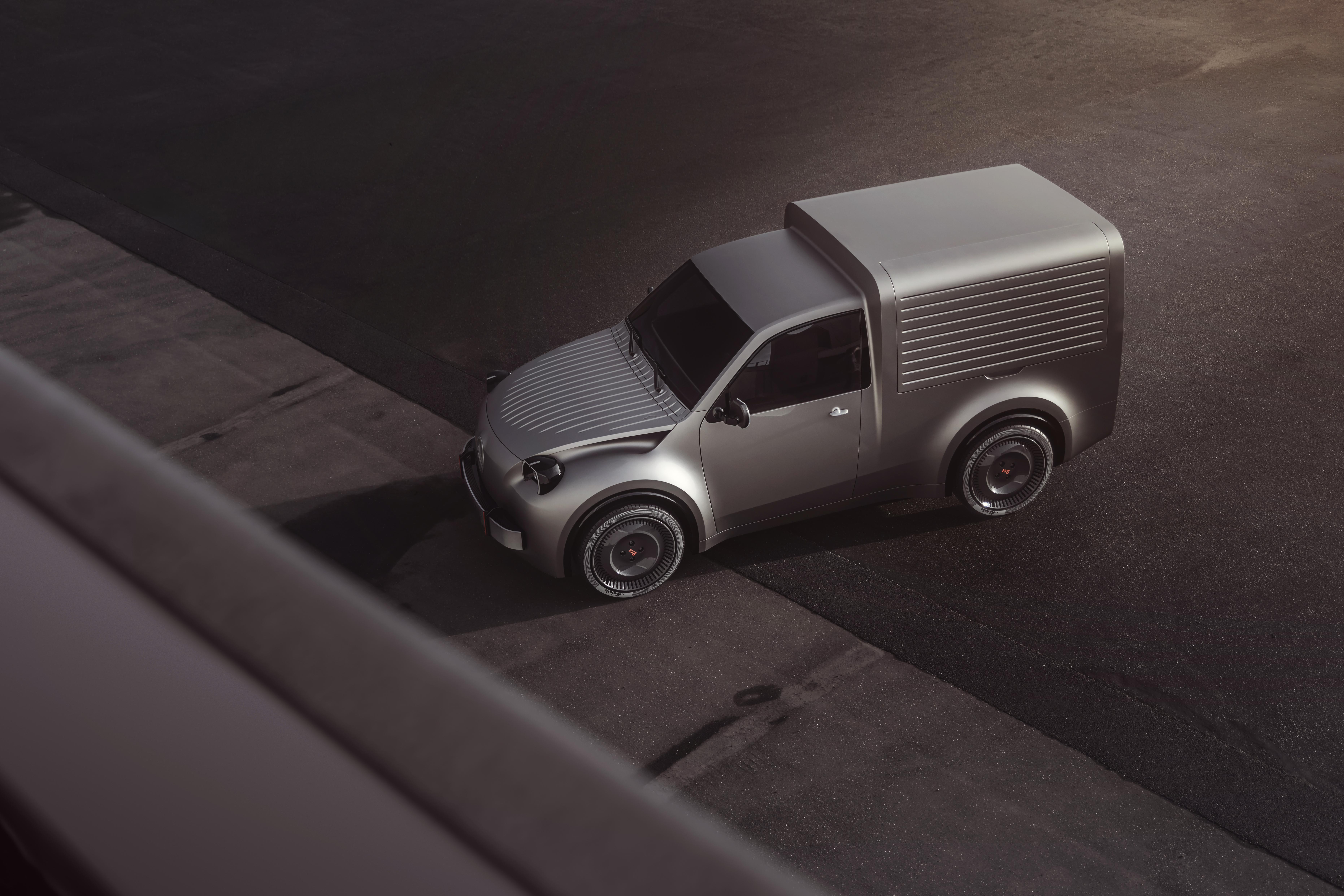
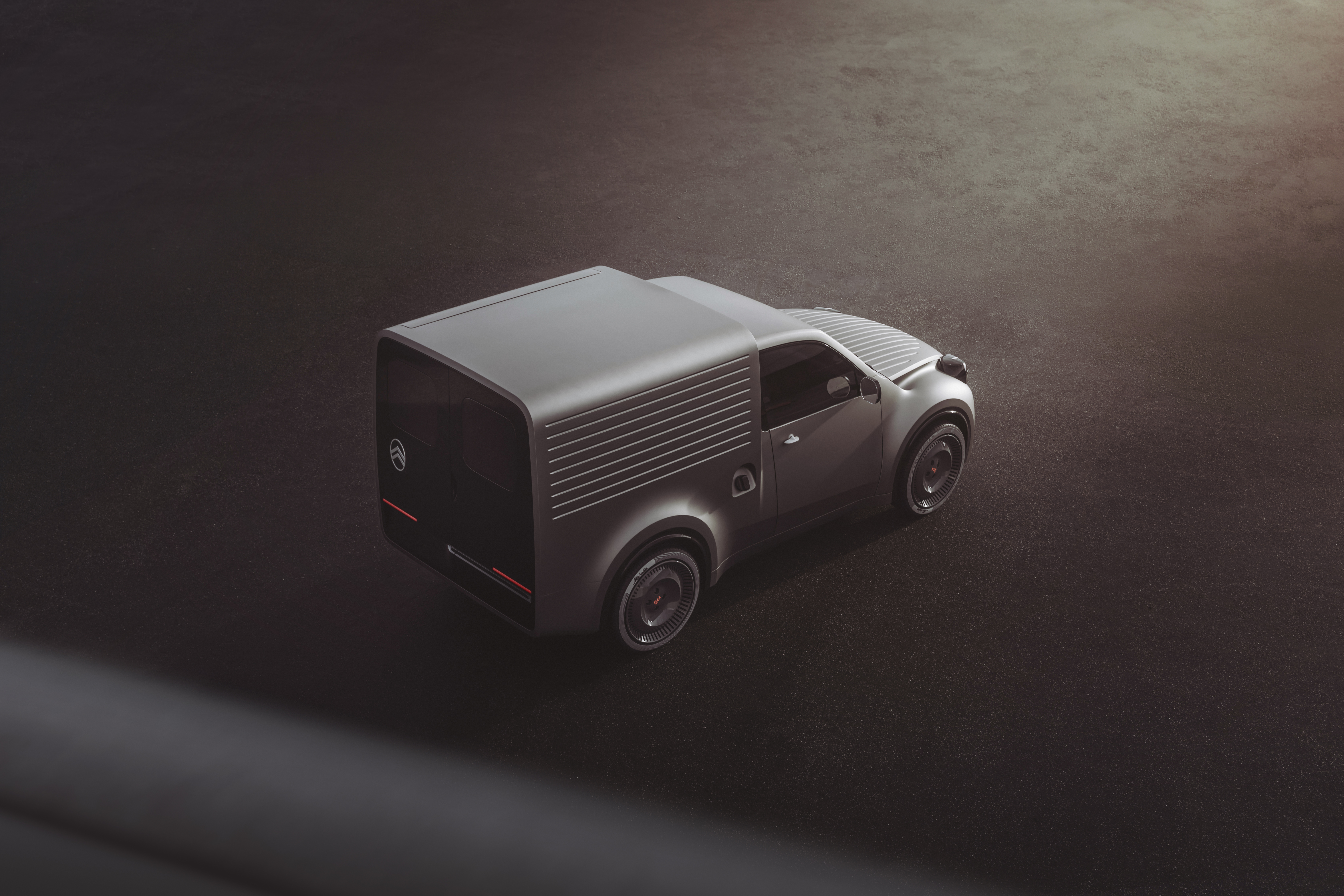
The company also showed a van variant called the 2 CV Fourgonnette, a square-backed cargo vehicle that recalls the delivery vans Citroën built from 1951 to 1978. But while the hatchback is production-bound, the van is not. Citroën has been explicit about this: the Fourgonnette "does not preview a future production model in the short term." The company describes it as a "passion project" that emerged from designers' enthusiasm rather than any business plan.
A Lightweight EV for €15,000
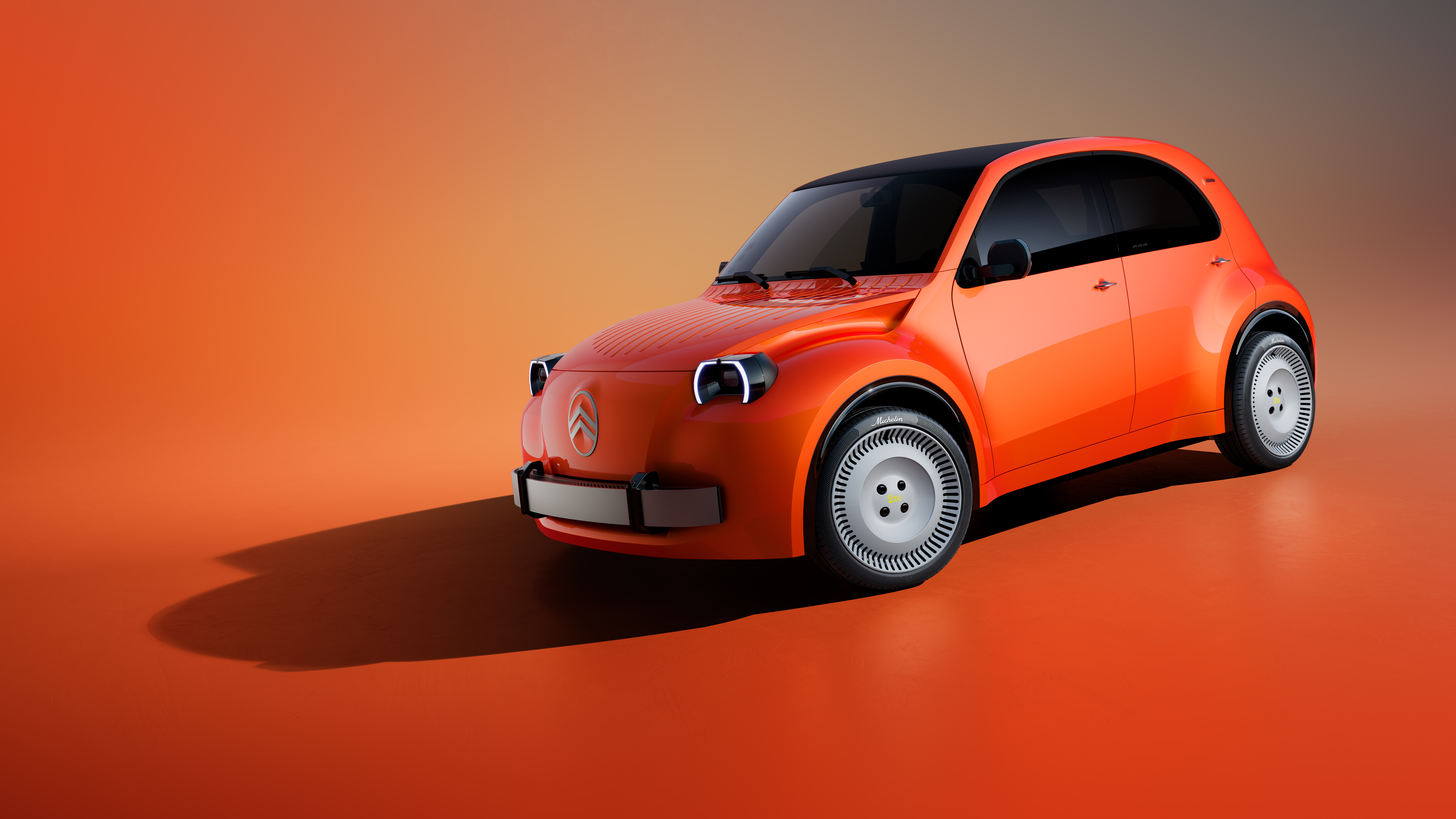
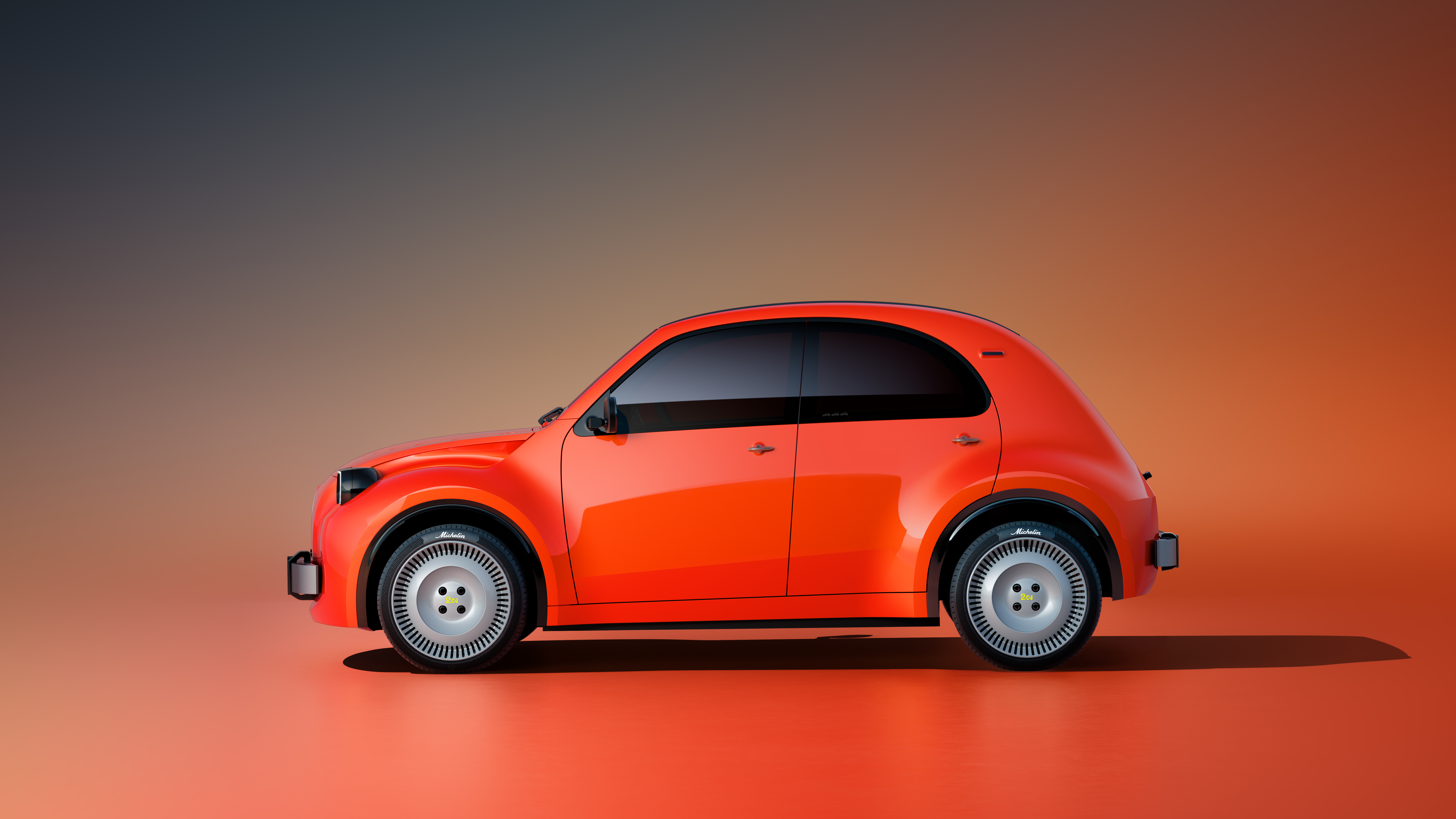
The 2CV hatchback measures 3.76 meters long, making it slightly shorter than the 1948 original. Citroën is targeting a curb weight of around one metric ton, remarkably light by modern EV standards. That low mass allows a smaller battery, which helps keep costs down. The target starting price is approximately €15,000, or about £13,000.
"Reinventing the 2CV isn't about replicating a car from the past," CEO Xavier Chardon said at the unveiling. "It's about reinventing what made it unique: its simplicity, its accessibility and the freedom it offered."
The company has not disclosed battery capacity, range, or power output. Industry observers estimate a lithium iron phosphate pack around 20 to 30 kWh, with a range somewhere between 100 and 130 miles. Citroën has confirmed the production car will be built at the Stellantis plant in Pomigliano d'Arco, Italy.
Retro Touches Without Camp
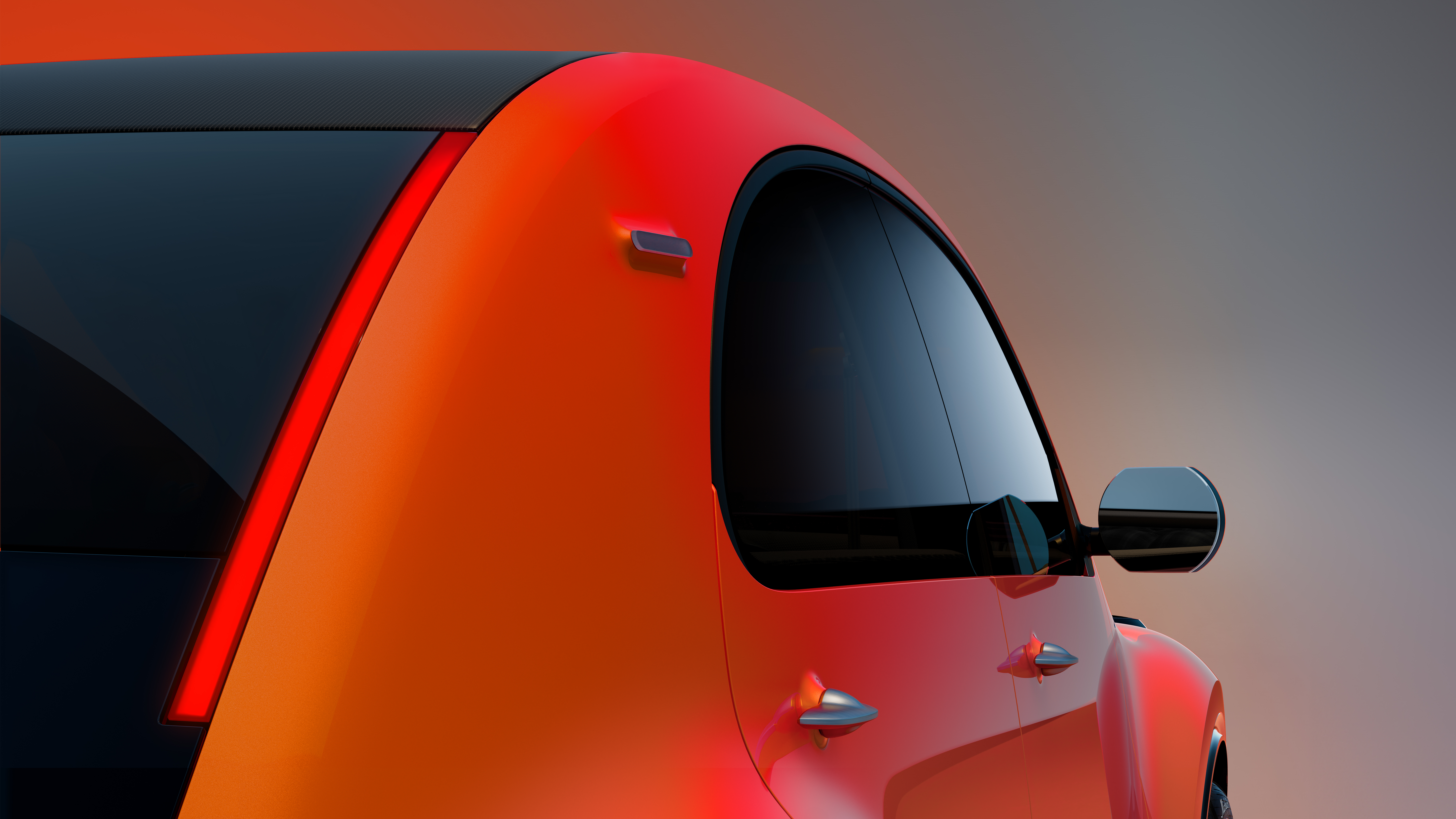
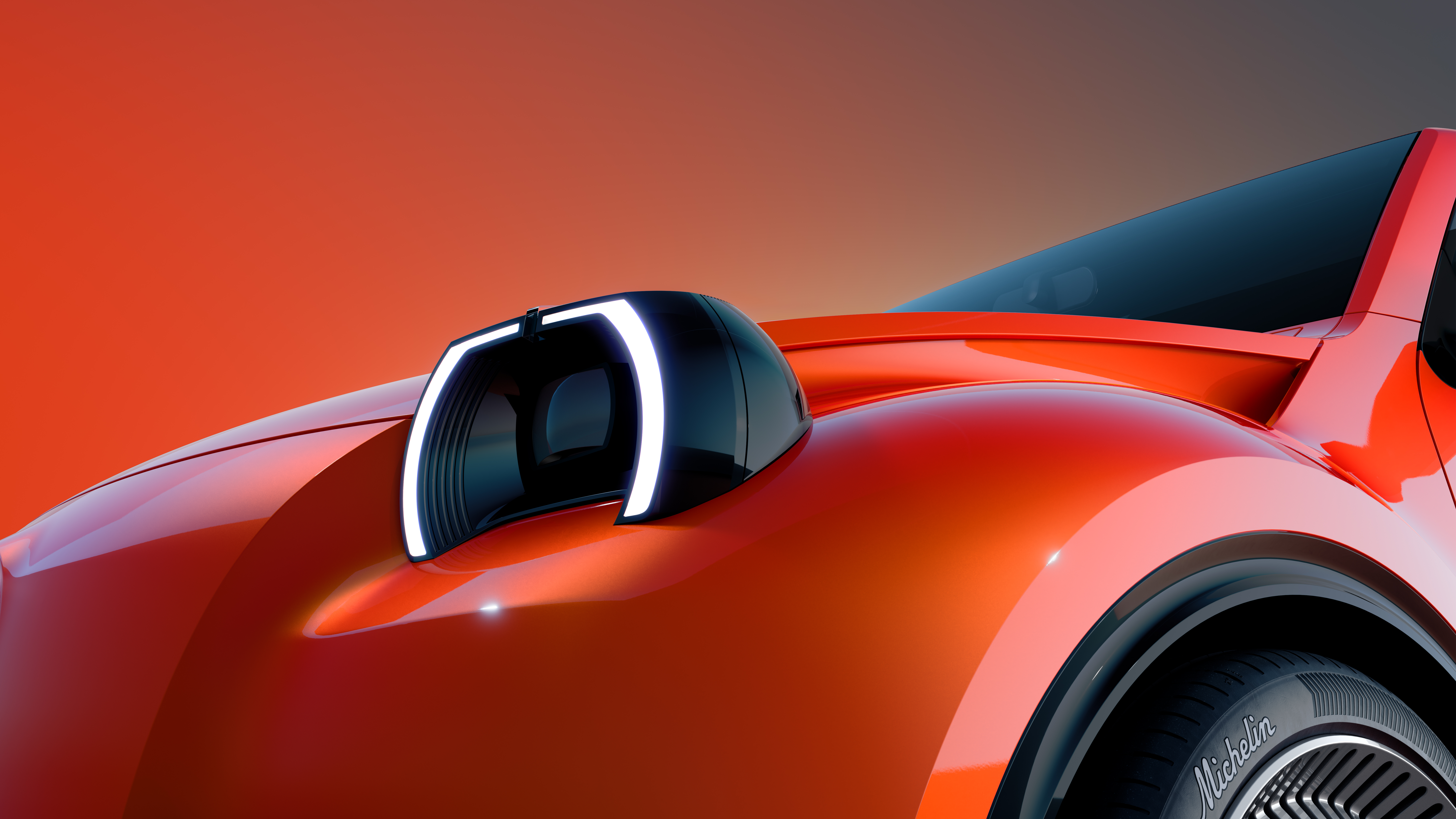
The concept retains the original's rounded silhouette, vertical windscreen, and corrugated bonnet creases. A roll-up fabric roof opens to the sky, just as it did in 1948. The 18-inch steel wheels were developed with Michelin and feature a chevron pattern on the tires. Numbers printed on the windscreen mark the 2CV's three eras: 1948, 1990 (when production ended), and 2026.
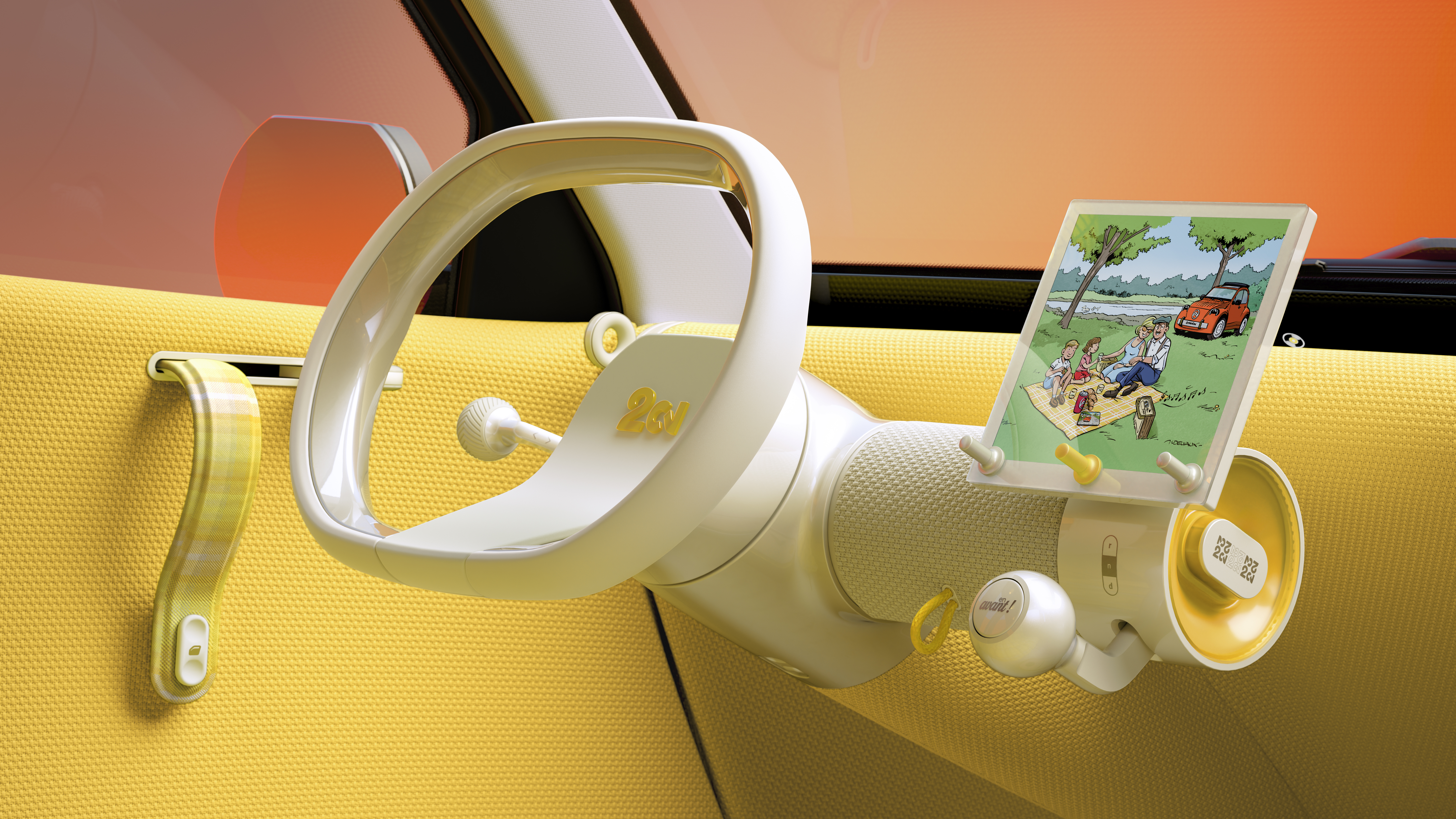
Inside, the minimalism is deliberate. A single-spoke steering wheel controls most functions. An 8-inch square touchscreen handles infotainment, with graphics drawn from comic books. The accelerator pedal shows a rabbit; the brake pedal shows a tortoise. Door pockets are sized to hold eggs, a reference to the original specification that the 2CV should carry a basket of eggs across a plowed field without breaking any.
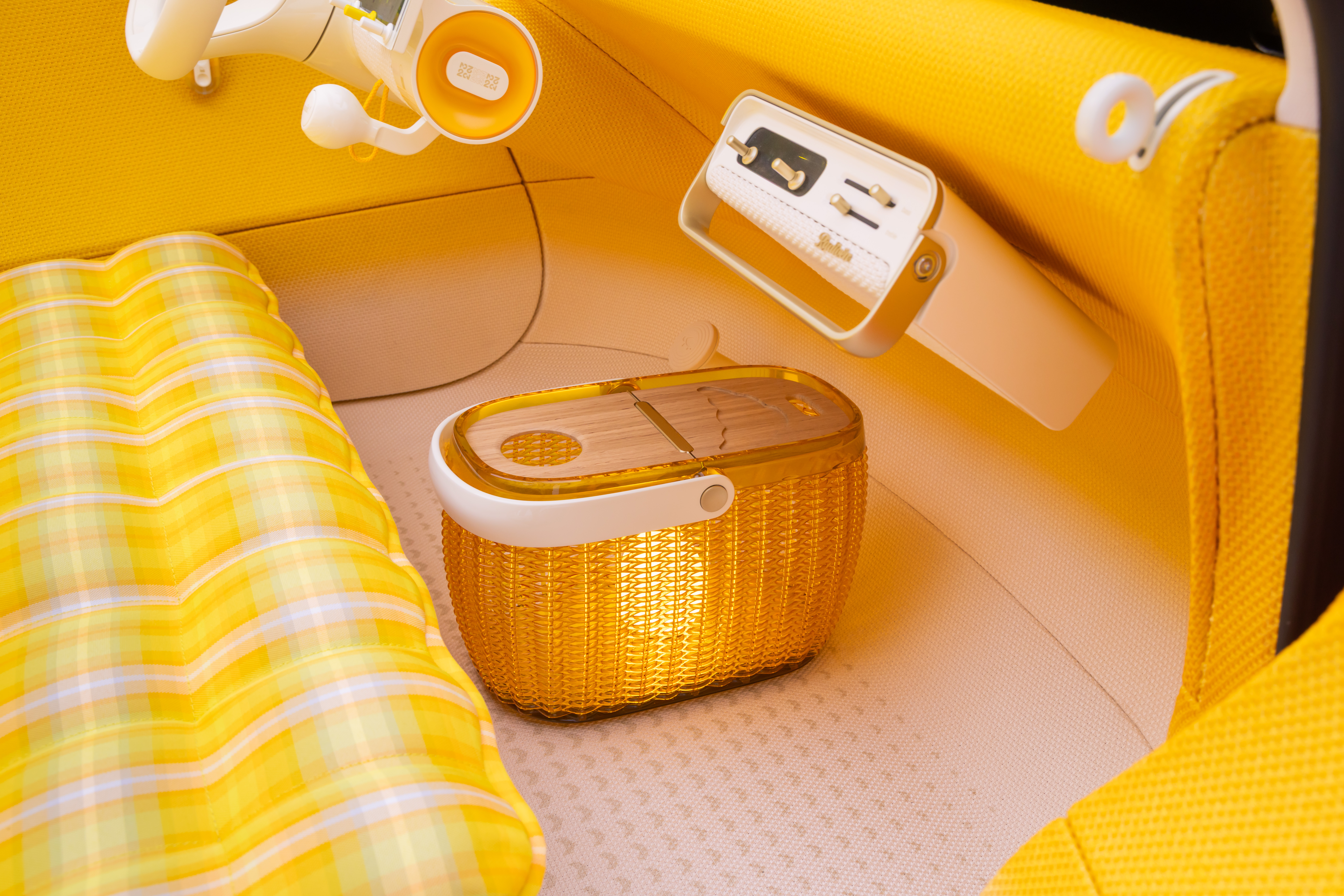
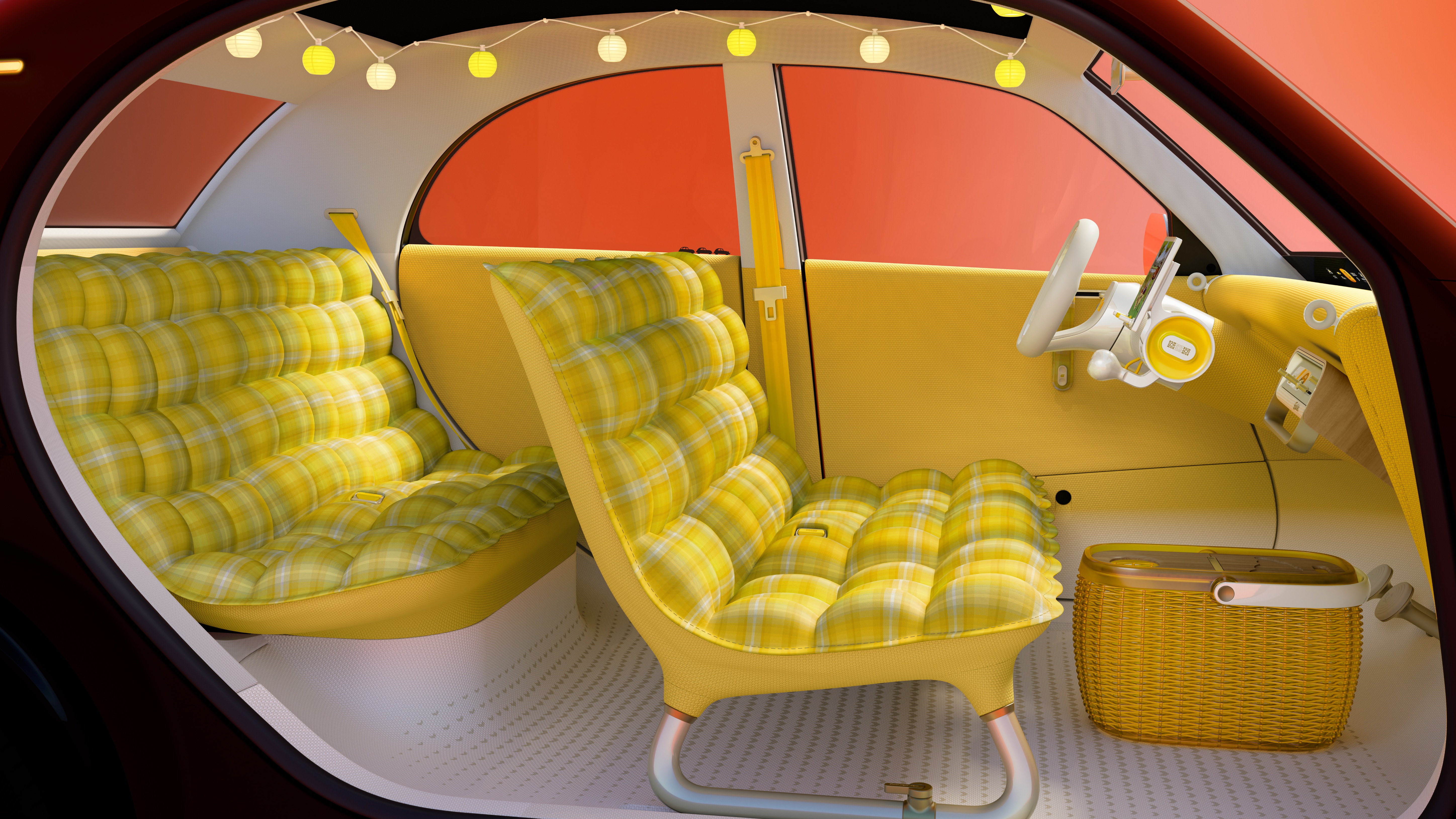
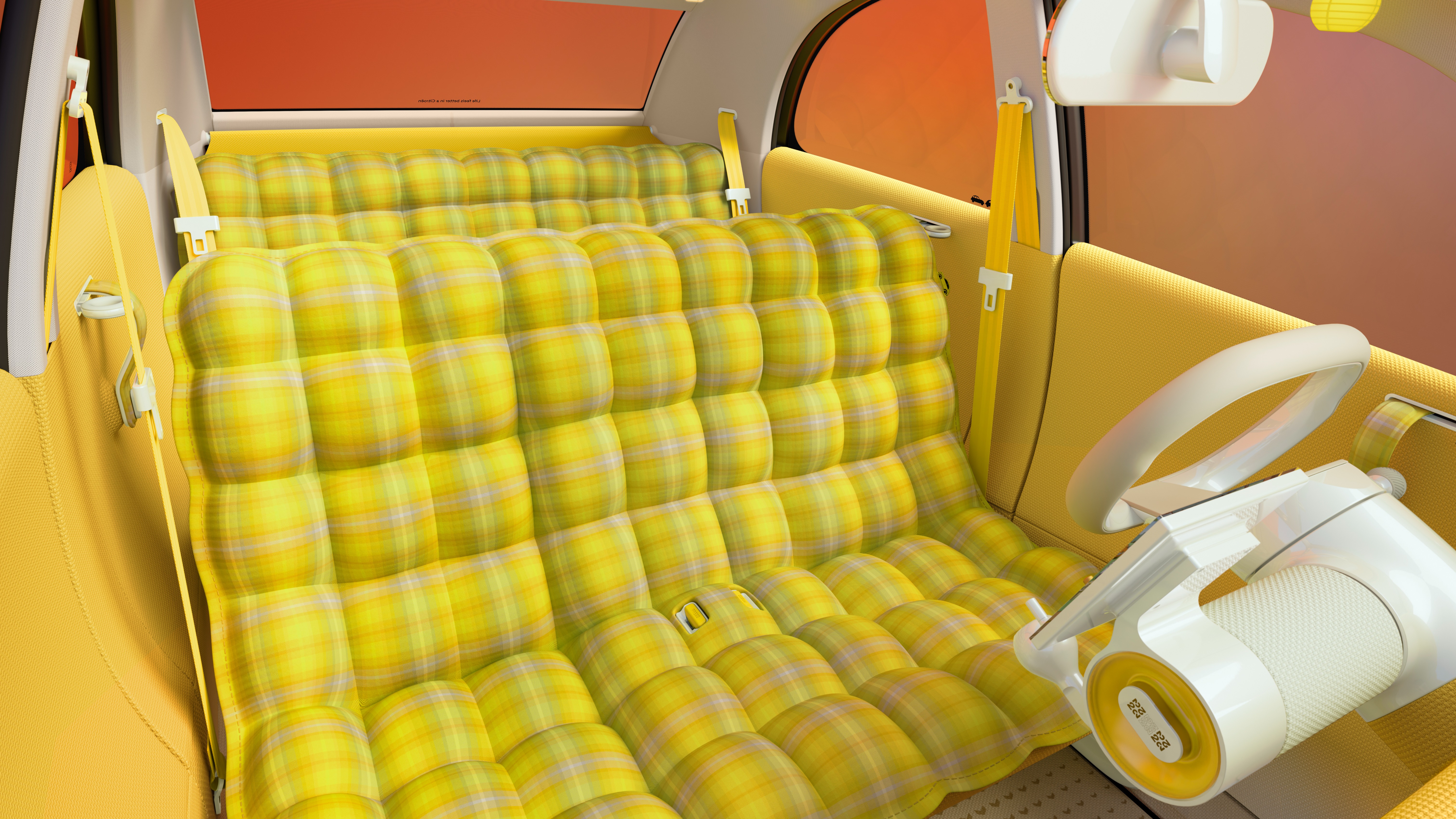
The front and rear benches are covered in yellow tartan fabric. The front seat is removable, meant for roadside picnics. A detachable radio unit, which Citroën calls the "Radioën," can be taken outside as a portable speaker.
The Van Remains a Dream
The Fourgonnette concept takes the hatchback's front half and grafts a cargo box where the rear seats would be. Access comes through split rear doors or a flip-up side panel. The original van served shopkeepers and tradespeople for decades.
But the modern version has no production timeline. Citroën says it "opens up new avenues for consideration," language that commits to nothing. The company believes nostalgia can differentiate it from Chinese competitors flooding Europe with cheap EVs, but so far that bet is concentrated on the hatchback alone.
The production 2CV will comply with the EU's proposed M1E vehicle classification, a simplified category for smaller, lighter electric cars with fewer safety requirements. The rules are still being negotiated between Brussels and automakers. The hatchback joins other European retro revivals, including the Renault 5 E-Tech and the Fiat 500e, but aims to undercut both on price.
Whether Citroën can actually build and sell a €15,000 EV in 2028 remains an open question. The company's own e-C3, with a 30 kWh battery, currently starts above €23,000 in most markets. Hitting the lower target will require either significant cost reductions or acceptance of genuinely limited specifications. Chardon has acknowledged as much: "The world has changed," he said. "But the idea remains the same."
Production begins in 2028. Pricing and final specifications remain unconfirmed.