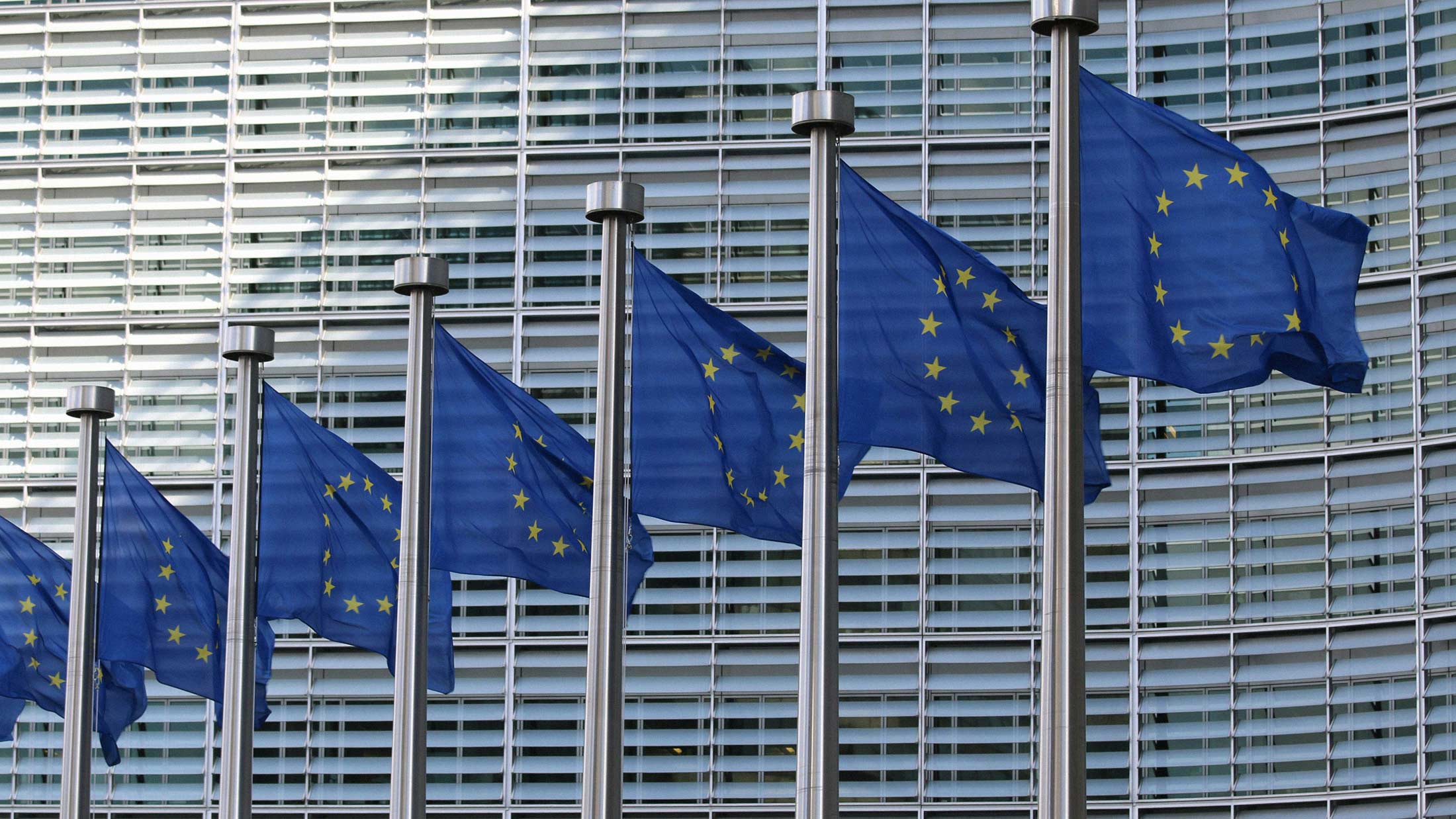
The European Commission on Thursday issued a combined €890 million fine against Google for violating the Digital Markets Act, marking the first penalty against the company under the bloc's flagship competition law. The decision splits into two separate findings: €460 million for preferencing Google's own services in search results, and €430 million for restricting how app developers can direct users to alternative purchasing channels on Google Play.
What the Commission Found
The DMA prohibits designated gatekeepers from ranking their own services more favorably than third-party offerings. According to the Commission, Google gave preferential treatment to its own shopping, hotel, transport, and sports services in search results. These services appeared at the top of pages with enhanced visuals and filters that competing services could not access.
On the app store side, the Commission determined that Google prevented developers from freely steering customers toward cheaper offers outside Google Play. The law requires that developers be able to inform users of alternative purchasing options at no charge. Google's fee structures and restrictions, according to regulators, violated that principle.
Henna Virkkunen, the EU's commissioner for tech sovereignty, said the findings show Google "harms businesses offering similar services, such as shopping or sports, by not granting them the same level of prominence." Competition chief Teresa Ribera added that "the best products should succeed because they're better, not because they're owned by the company running the search engine."
Google has 60 days to comply or face periodic penalties of up to 5% of its average daily global turnover. The company reported revenue of $402.83 billion last year.
Google's Defense
Google's chief legal officer Kent Walker offered a pointed rebuttal. He argued the DMA "continues to break everyday products" and that compliance forces the company to "strip away real-time Search features Europeans love — like instant pricing and direct availability for hotels, flights, and restaurants — and dismantle safety protections on Google Play."
Walker called the outcome "product degradation driven by a small group of self-serving complainants, with European businesses and consumers taking the hit." The company has indicated it may challenge the decision in court.
There is some evidence that DMA-mandated changes have produced unintended consequences. Analysis by hospitality technology firm Mirai found that European hotels saw a 30% drop in clicks from Google Hotel Ads and a 36% decrease in direct bookings compared to non-DMA markets following Google's initial compliance changes. The redesigned search results reportedly shifted prominence toward large intermediary platforms like Booking.com and Expedia rather than direct suppliers.
The Geopolitical Dimension
The fine lands in the middle of escalating transatlantic friction over tech regulation. The Trump administration has repeatedly characterized EU digital rules as discriminatory against American companies. Just this week, 25 Republican lawmakers urged the president to pursue trade investigations that could lead to retaliatory tariffs.
Previous DMA fines against Apple (€500 million) and Meta (€200 million) in 2025 drew similar threats. Trump has described EU digital fines as "overseas extortion" and "a form of taxation." Some observers have noted that Brussels appeared to delay this decision over concerns about damaging relations with Washington.
EU officials have pushed back. Ribera told reporters that Brussels cannot "take decisions based on what someone else is trying to tell us what to do or not to do," adding that defending the rule of law includes enforcing laws "independently of how they are perceived or challenged." Virkkunen insisted that Europe would not waver in enforcement.
What It Means for the Market
The DMA is the most comprehensive attempt by any major jurisdiction to regulate Big Tech's structural advantages. Six companies are currently designated as gatekeepers: Alphabet, Amazon, Apple, ByteDance, Meta, and Microsoft. Potential fines under the law can reach 10% to 20% of global turnover for repeated violations.
For smaller competitors and startups, the law promises a more level playing field. Comparison shopping sites and travel platforms have long argued that Google's vertical integration unfairly disadvantaged them. The Commission's decision validates years of complaints from firms like eDreams ODIGEO, which has urged aggressive enforcement since the DMA took effect.
Critics counter that the regulation increases operational costs, slows innovation, and creates a fragmented digital landscape. If companies must maintain separate product architectures for EU and U.S. markets, the result could be regulatory divergence that complicates global services.
Other jurisdictions are watching closely. Japan, the UK, South Korea, Australia, Brazil, and India have begun drafting their own DMA-style rules. Whatever precedent the EU sets here will likely ripple across multiple regulatory regimes.
The Commission has given Google 60 days to submit compliance measures. Regulators have also indicated that DMA principles may extend to Google's AI summaries and AI Mode features, a signal that enforcement will expand as the company's products evolve. The company's next steps will determine whether this €890 million penalty becomes a one-time correction or the opening move in a longer confrontation.